
Toorn (Ira) — History & Facts
Could a single brushstroke hold eternity? In the delicate realm of art, light becomes more than mere illumination; it transforms the canvas into a vessel of emotion and memory. Look closely at the interplay of light and shadow in this intricate work. Notice how the soft illumination caresses the figures, revealing the subtle nuances of their expressions and gestures. The cool tones of blue and green contrast with warm earth tones, creating a dynamic tension within the composition.
The artist employs meticulous detail in the flowing drapery, inviting the viewer's gaze to wander across the figures, capturing their ethereal quality and internal struggles. Beneath the surface, a profound narrative unfolds. The intense focus on the figures’ faces suggests a moment of reflection or turmoil, hinting at the broader existential themes of human emotion. The varying textures of their garments contrast with the smooth background, symbolizing the complex layers of identity and experience.
Each element contributes to a sense of longing or unrest, echoing the tumultuous political and religious landscapes of the era. Georg Pencz created this work between 1539 and 1543, during a period of significant upheaval in Europe. The Reformation was reshaping spiritual life, and artists were increasingly exploring themes that resonated with personal and societal conflicts. Working in Nuremberg, Pencz found inspiration in the rich artistic community, merging his German roots with the influences of the Italian Renaissance, ultimately crafting a piece that invites contemplation and introspection.
More Artworks by Georg Pencz
Browse all →
Parabel van de zaaier
Georg Pencz

Parabel van de arbeiders in de wijngaard
Georg Pencz
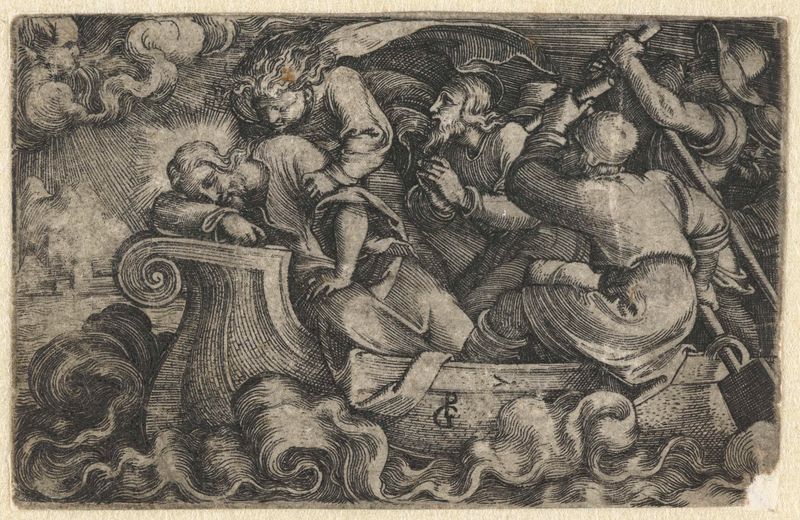
Discipelen wekken slapende Christus tijdens storm op Meer van Galilea
Georg Pencz

Afgunst (Invidia)
Georg Pencz
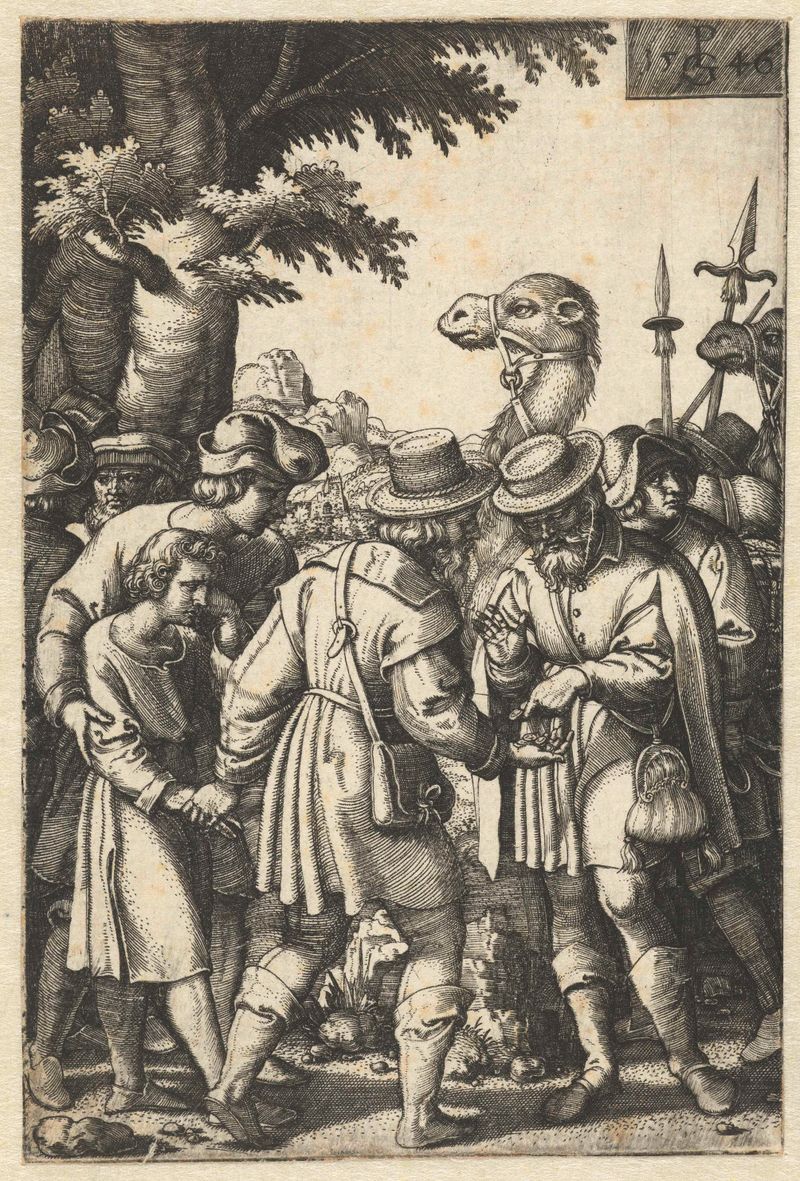
Jozef wordt verkocht aan kooplieden op weg naar Egypte
Georg Pencz

Aanbidding der koningen
Georg Pencz
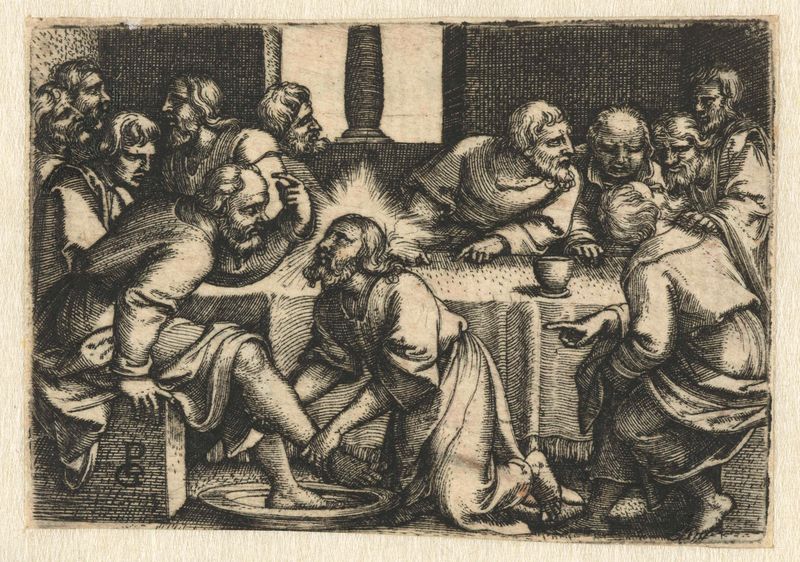
Petrus protesteert als Christus zijn voeten wast
Georg Pencz
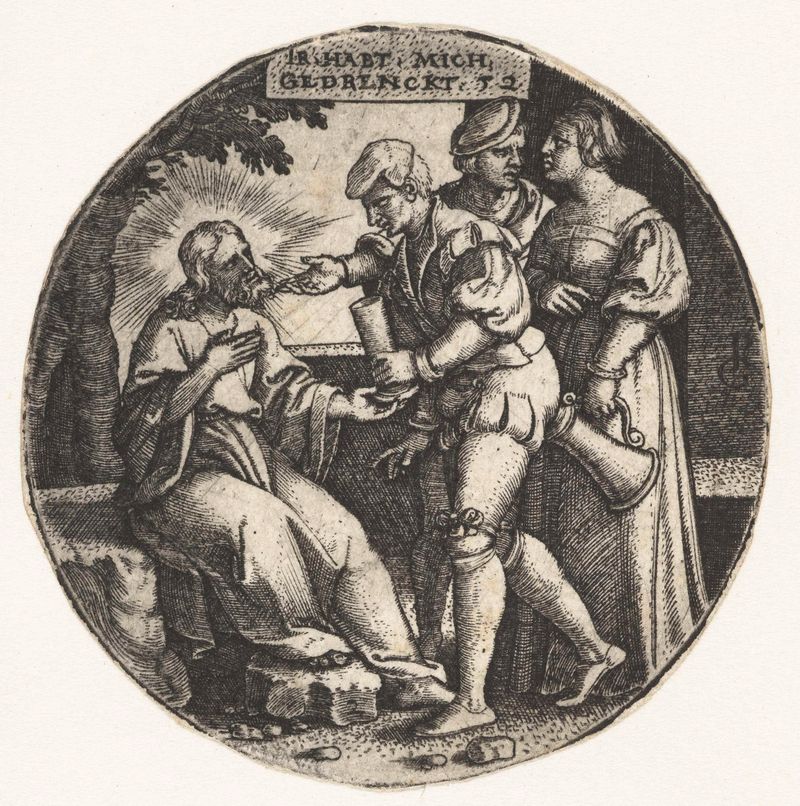
Christus heeft dorst en krijgt drinken aangeboden
Georg Pencz
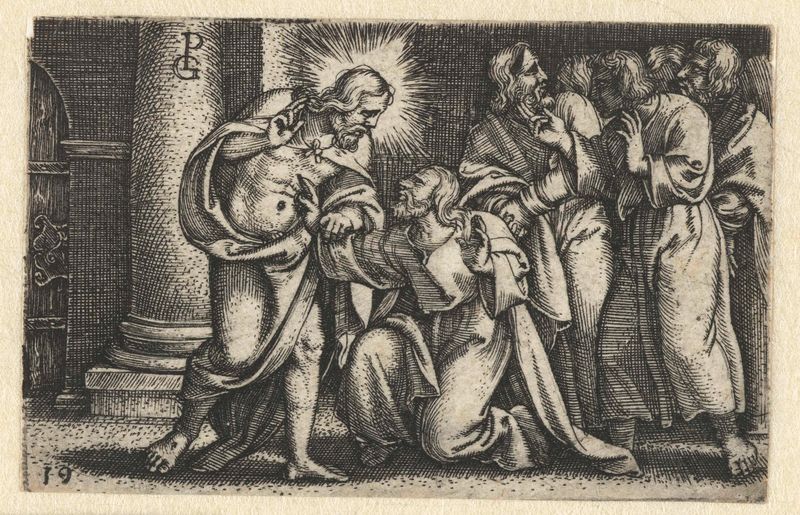
Ongelovige Thomas raakt wonden Christus aan
Georg Pencz

Offer van Abraham van Isaak
Georg Pencz
More Portrait Art
Browse all →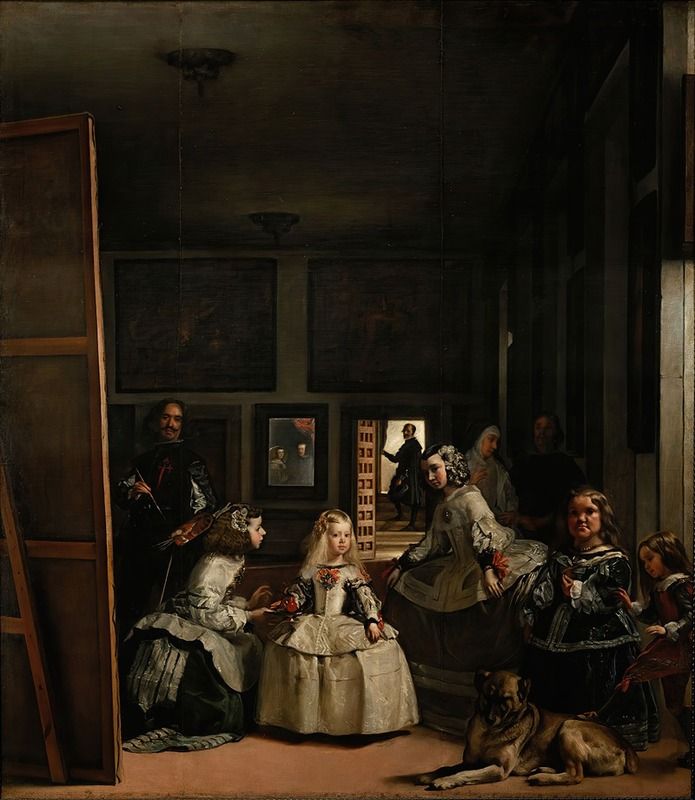
Las meninas
Diego Velázquez

Self-portrait with a Bandaged Ear and Pipe
Unidentified artist
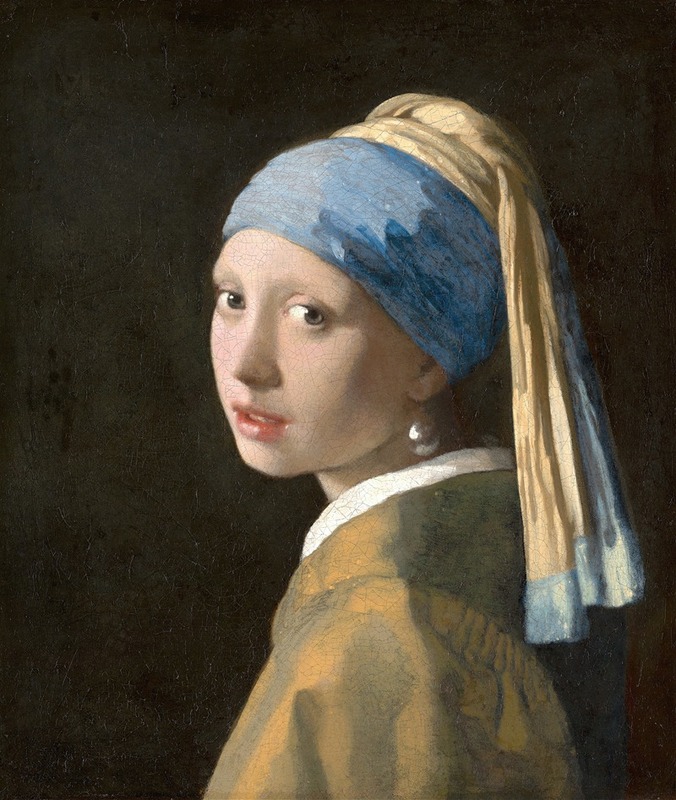
Girl with a Pearl Earring
Johannes Vermeer

The Sampling Officials of the Amsterdam Drapers’ Guild, Known as ‘The Syndics’
Rembrandt van Rijn

The Hundred Guilder Print: the man seen on the back in the lower left corner
Rembrandt van Rijn

Portrait of Dr Gachet
Vincent van Gogh