
Torse of the Witch — History & Facts
Can paint confess what words never could? In Torse of the Witch, a striking fusion of form and emotion evokes an awe that transcends mere representation and plunges us into the depths of the human experience. It speaks volumes through its bold contours and whisper-soft hues. Focus on the twisted, almost serpentine lines that stretch across the canvas, emphasizing the dynamic movement of the figure. Notice how the interplay of light and shadow molds the form — the way highlights dance along the curves and contours, creating a powerful sense of three-dimensionality.
The soft but rich palette invites the viewer to linger, revealing layers of emotion hidden beneath the surface. At its core, the work explores the tension between beauty and the macabre. The figure, embodying both allure and danger, reflects the duality of nature, where enchantment can lead to destruction. Details like the ethereal wisps of hair and the enigmatic gaze suggest an otherworldly presence, prompting contemplation on the thin line between fascination and fear.
This complexity enriches the narrative of the piece, drawing us into a deeper dialogue about femininity and power. During the years between 1900 and 1925, Ernest Haskell was part of a vibrant artistic community in the United States, where he experimented with various styles. This period saw shifts in modern art's focus, as artists challenged traditional norms and ventured into psychological and symbolic realms. Haskell's exploration of myth and emotion in this work reflects both personal introspection and the broader cultural currents of his time.
More Artworks by Ernest Haskell
Browse all →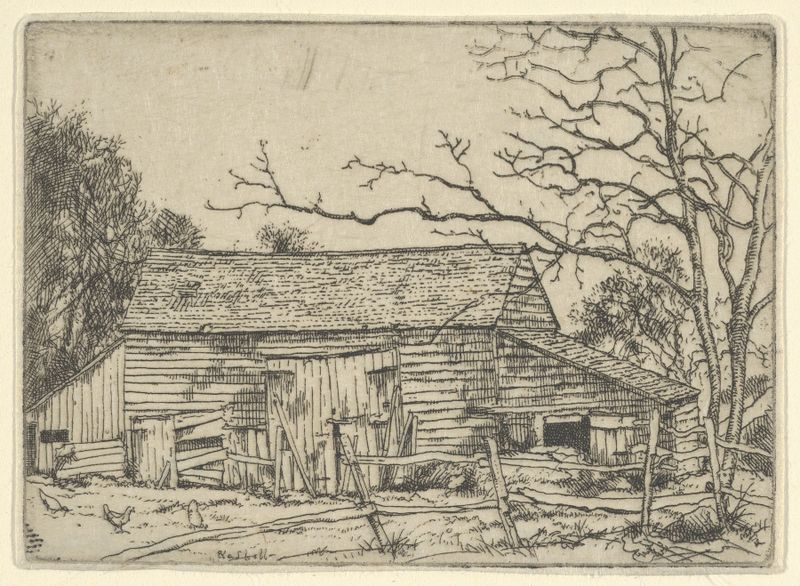
The Barn–Staten Island, N.Y.
Ernest Haskell

Four Live Oaks
Ernest Haskell
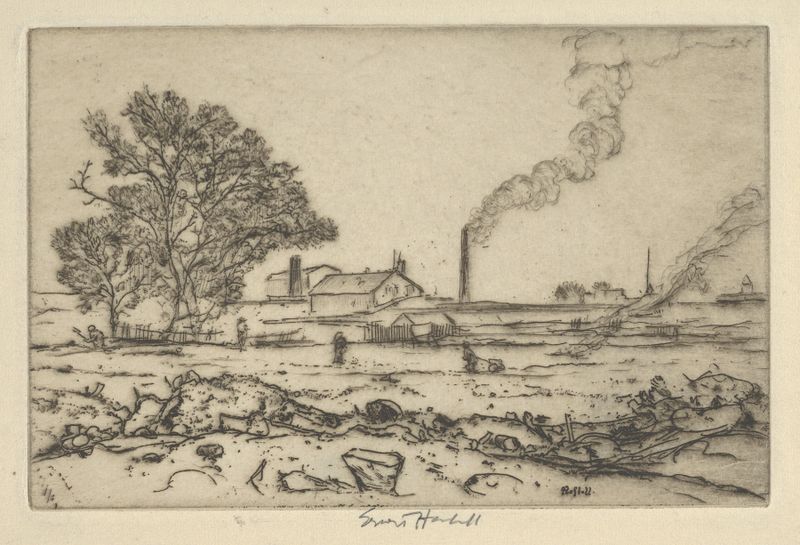
Outskirts of Boston
Ernest Haskell
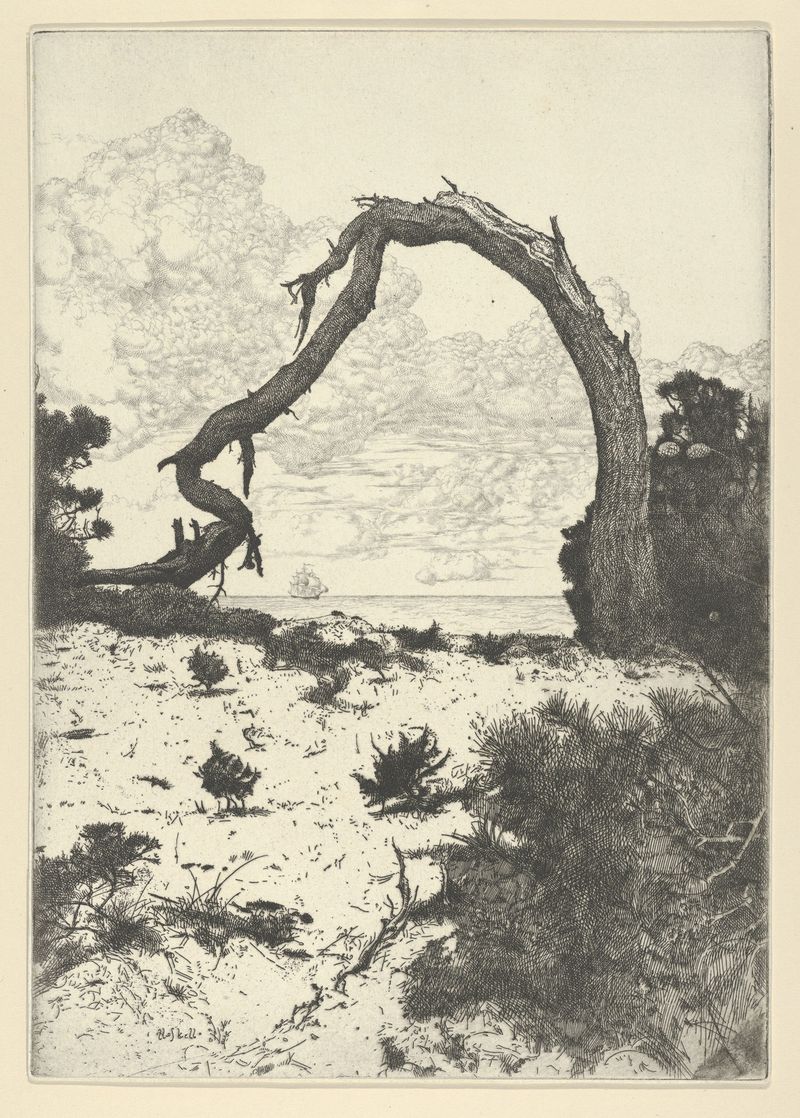
Pine Arch
Ernest Haskell

General Sherman
Ernest Haskell
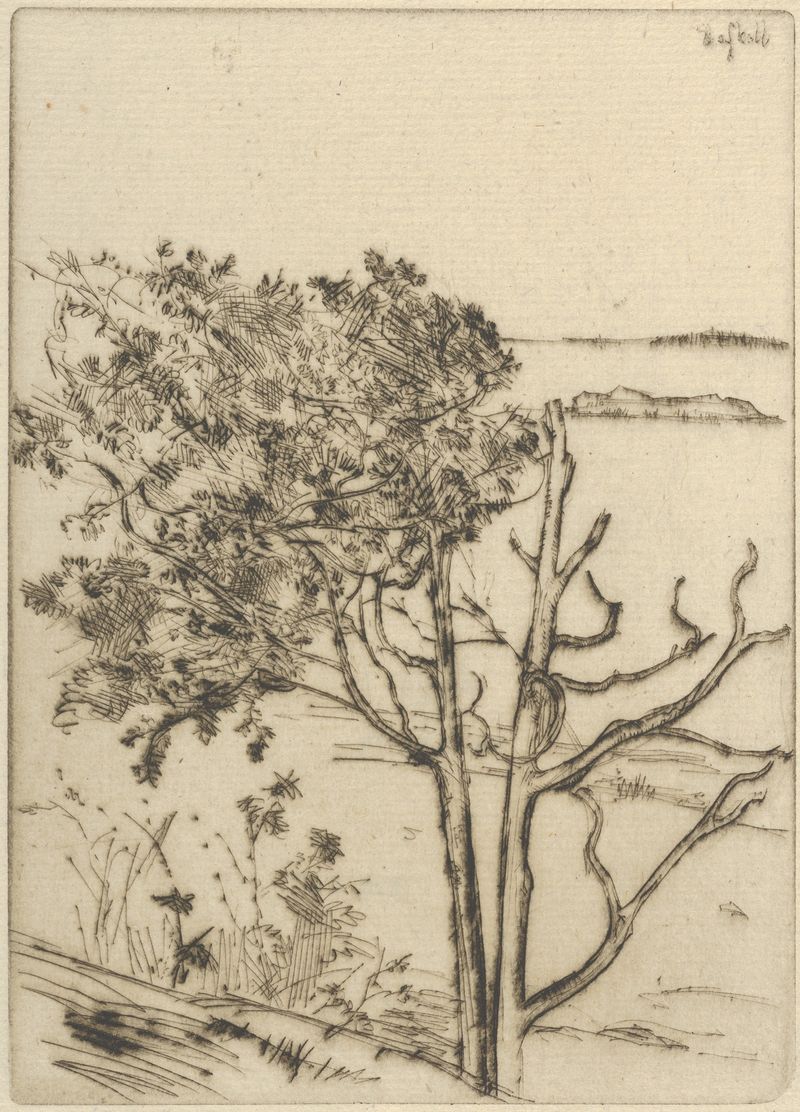
Ragged Tree – Maine
Ernest Haskell

Tide Mill
Ernest Haskell

Ship Building
Ernest Haskell
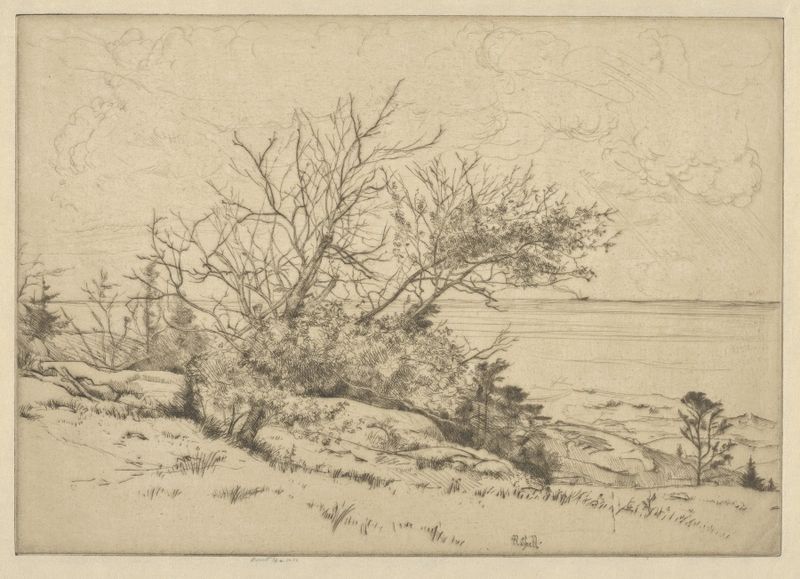
To the Southward – Ragged Island, Me.
Ernest Haskell
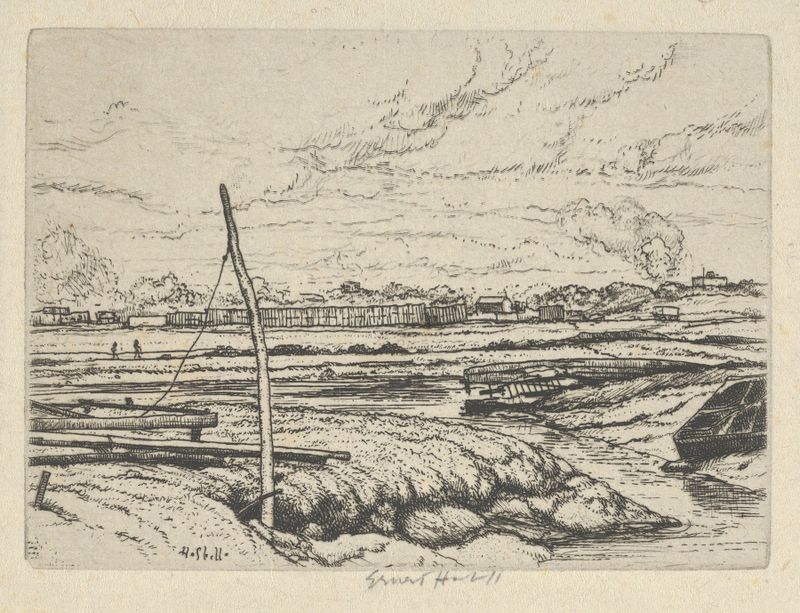
Long Island Marshes
Ernest Haskell





