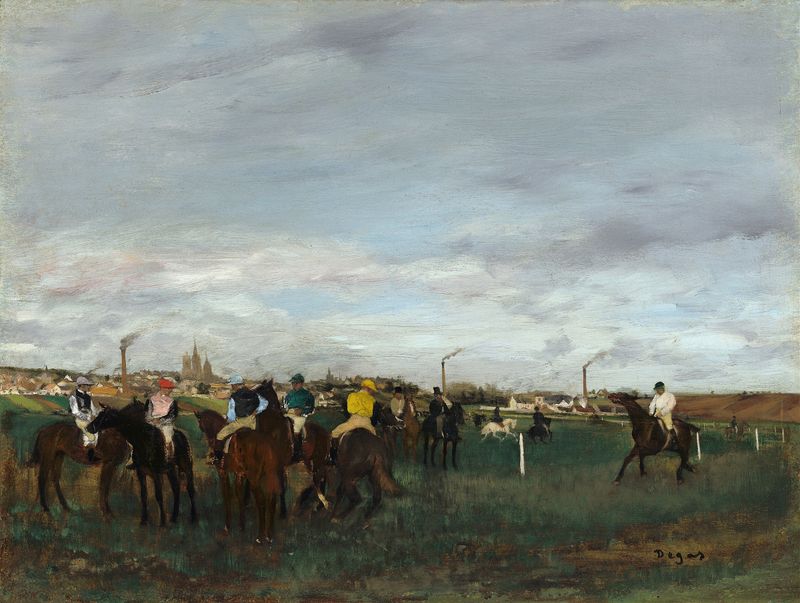
Tortoise Resting on a Log — History & Facts
Is this a mirror — or a memory? In Tortoise Resting on a Log, the stillness of the scene invites contemplation, evoking a sense of tranquility that speaks to the silent world within and around us. Look to the right at the tortoise, its shell a mosaic of earth tones, harmonizing with the rough texture of the log. Notice how the soft light dances across the water, creating a gentle ripple that frames the creature, emphasizing its quiet existence. The vibrant greens and browns of the surrounding foliage draw the eye outward, contrasting the tortoise's serene repose with the liveliness of its habitat.
Haseltine’s meticulous brushwork captures the details of the tortoise’s skin and the glistening surface of the water, revealing a moment suspended in time. Beneath the surface, the juxtaposition of the tortoise's stillness against the flowing water represents the tension between permanence and change. This creature, embodying patience, seems to reflect the weight of years, while the water teems with life, hinting at the passage of time. There’s an intimacy in its rest, as if the tortoise is a witness to the secret conversations of nature, existing in a quiet solitude that resonates deeply with the viewer. In 1853, Haseltine was painting from his studio in New York, during a period when American landscape painting was gaining prominence.
The burgeoning Hudson River School was influencing artists to embrace the natural world, and Haseltine’s focus on small, intimate scenes within nature marked his distinctive approach. The juxtaposition of stillness and activity in his work mirrors the emerging themes of naturalism and observation characteristic of the era.
More Artworks by William Stanley Haseltine
Browse all →
Mill Dam in Traunstein
William Stanley Haseltine
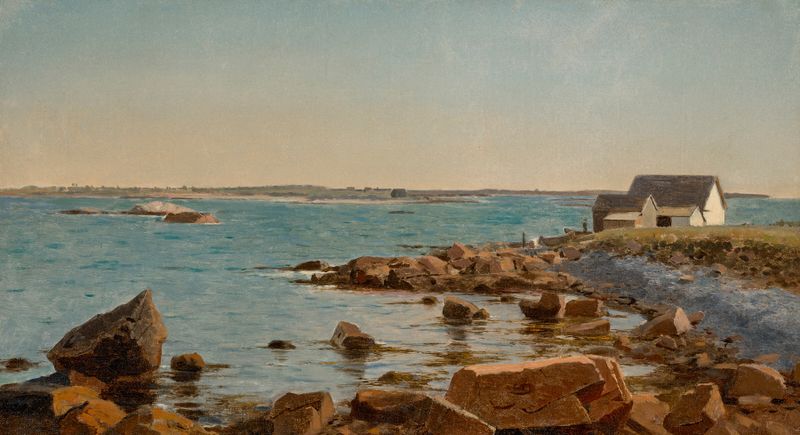
Nahant Coast
William Stanley Haseltine
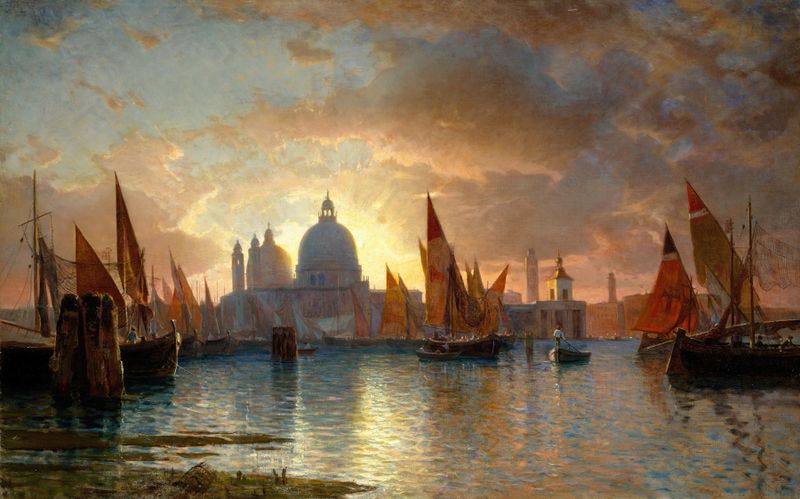
Santa Maria della Salute, Sunset
William Stanley Haseltine
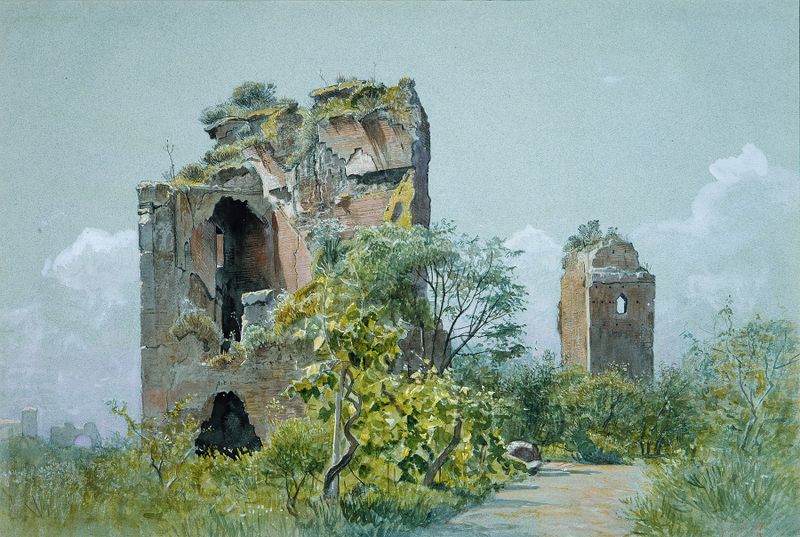
Baths of Trajan (Sette Sale, Villa Brancaccio, Rome)
William Stanley Haseltine
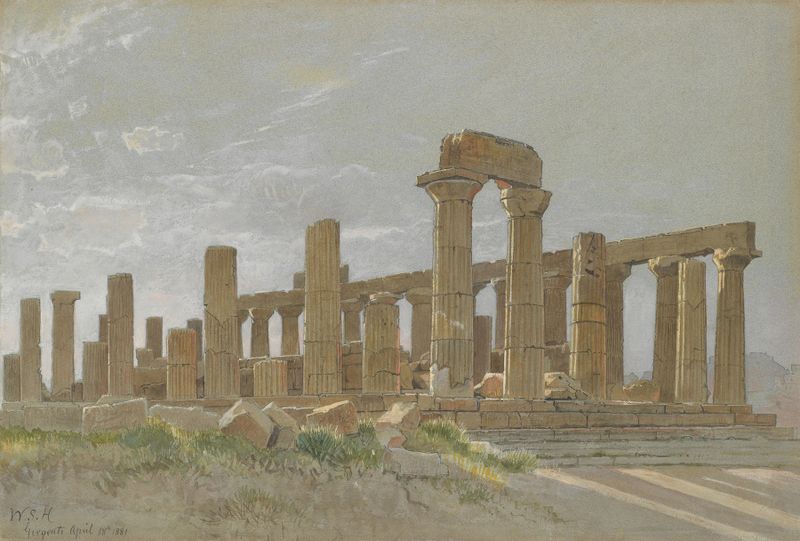
Girgenti (The Temple of Juno Lacinia at Agrigentum)
William Stanley Haseltine

Italian Hills
William Stanley Haseltine
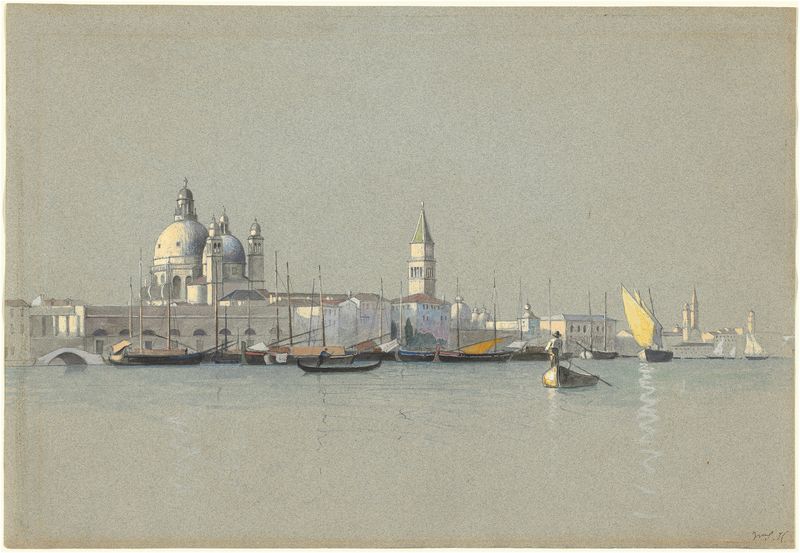
View across the Giudecca Canal toward the Salute and the Campanile of San Marco
William Stanley Haseltine
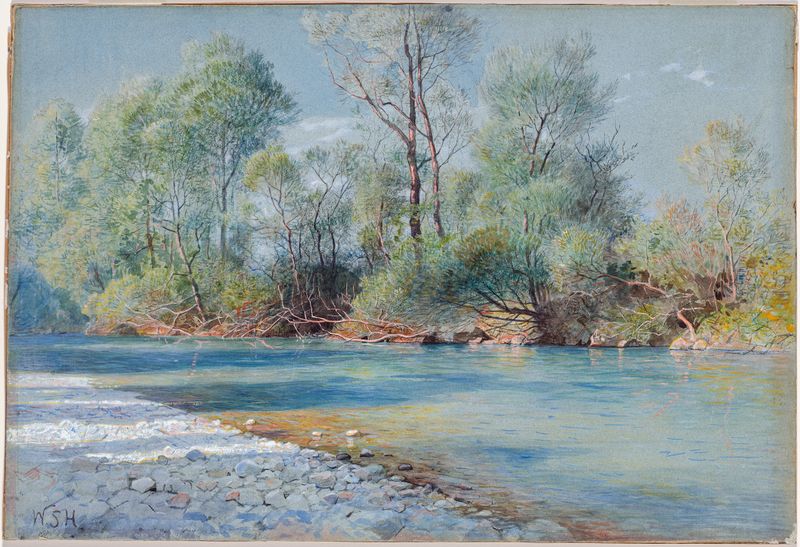
Traunstein River on the Road to Empfig, Bavaria
William Stanley Haseltine

Coast of Capri
William Stanley Haseltine
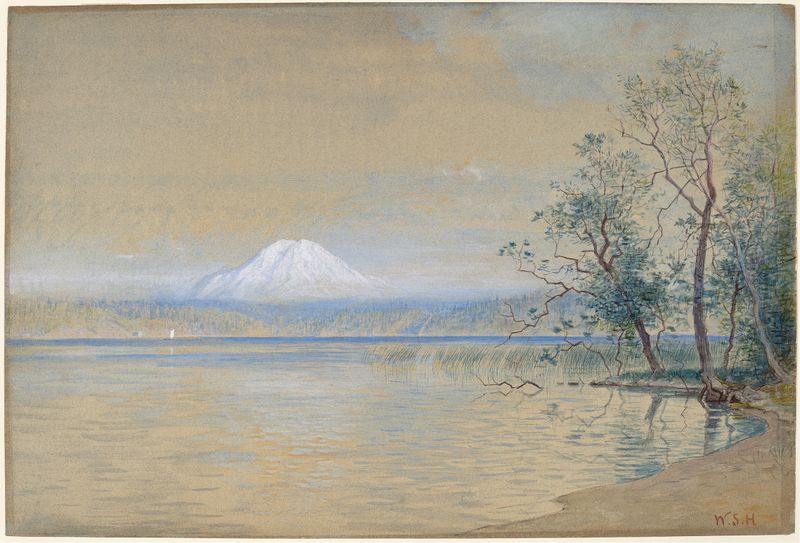
Mount Tacoma
William Stanley Haseltine