
Tour dite de Calvin, 21 rue Valette — History & Facts
When did color learn to lie? The vibrant hues that dance across the canvas invite curiosity, masking deeper truths beneath their surface allure. Amidst the chaos of modern life, the interplay of light and shadow unveils a world both familiar and surreal. Focus first on the vibrant, yellow facade dominating the left side, a perfect canvas for the artist's exploration of urban vitality. As your gaze drifts right, notice the fragmented shapes of architecture, each jagged line contributing to an unsettling rhythm.
The warm tones clash with the cool blues and greens of the surrounding environment, creating a tension that encapsulates the dissonance of city life. Boberg's bold brushstrokes evoke a sense of energy, as if the buildings themselves pulse with life, yet the composition hints at chaos lurking just outside the frame. Delve deeper into the tiny details — the way shadows seem to twist away from their sources, or how the windows reflect an illusory past that contrasts with the present chaos. These elements suggest a duality between stability and disruption, inviting viewers to question the authenticity of their urban experience.
The painting encapsulates not just a singular moment but the ongoing dialogue between history and modernity, revealing the fragility of the world's façades. In 1926, Ferdinand Boberg painted this work during a time when the art world was grappling with the effects of rapid industrialization and the aftermath of World War I. Living in Sweden, he was influenced by the emerging modernist movement, which sought to capture the complexities of contemporary life. This piece reflects both his innovative approach and the broader artistic shifts of the era, embodying the tension between tradition and transformation.
More Artworks by Ferdinand Boberg
Browse all →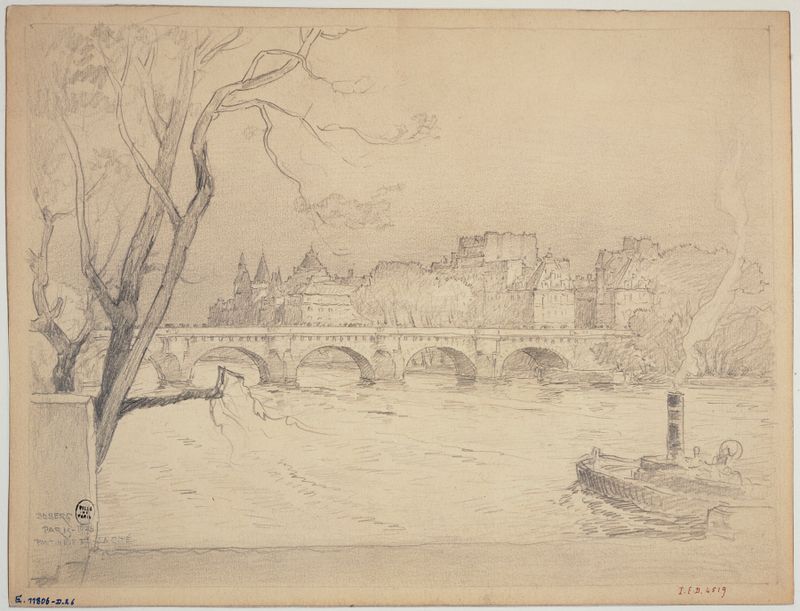
Le Pont-Neuf et la Cité
Ferdinand Boberg
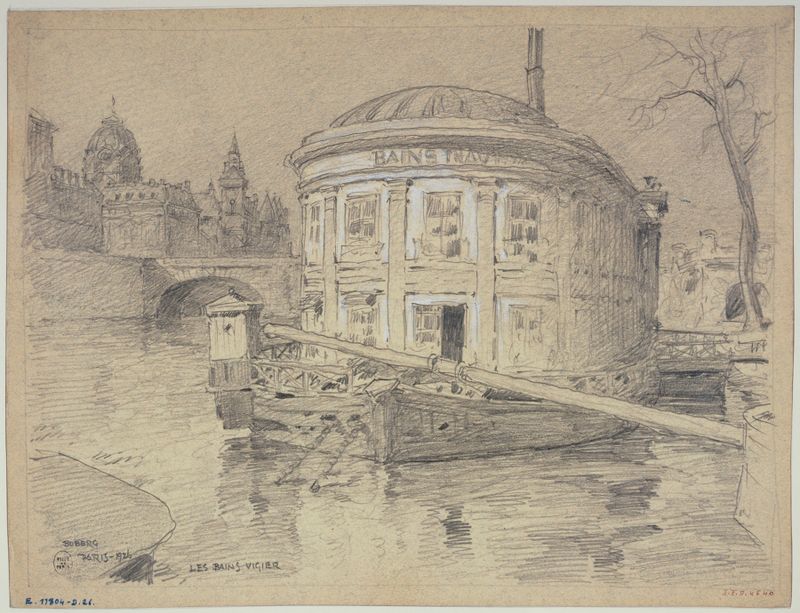
Les bains Vigier au Pont-Neuf
Ferdinand Boberg
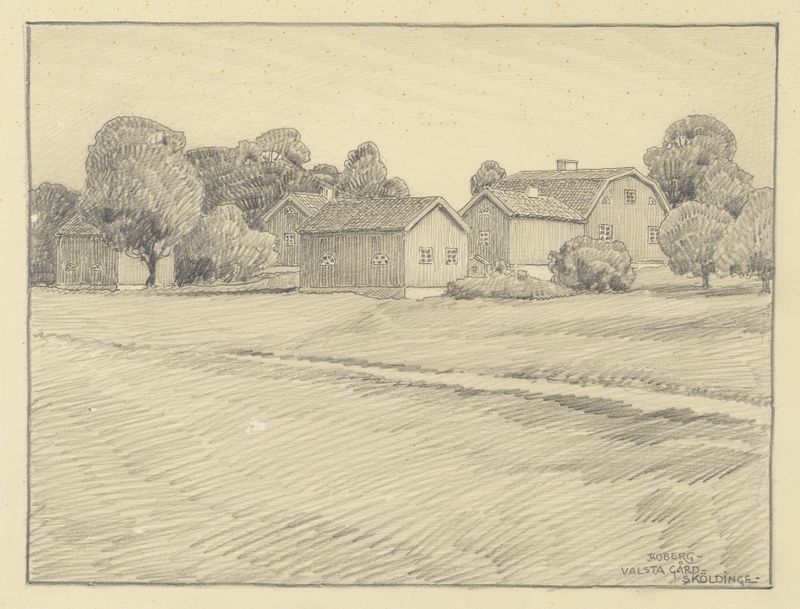
Valsta Gård
Ferdinand Boberg
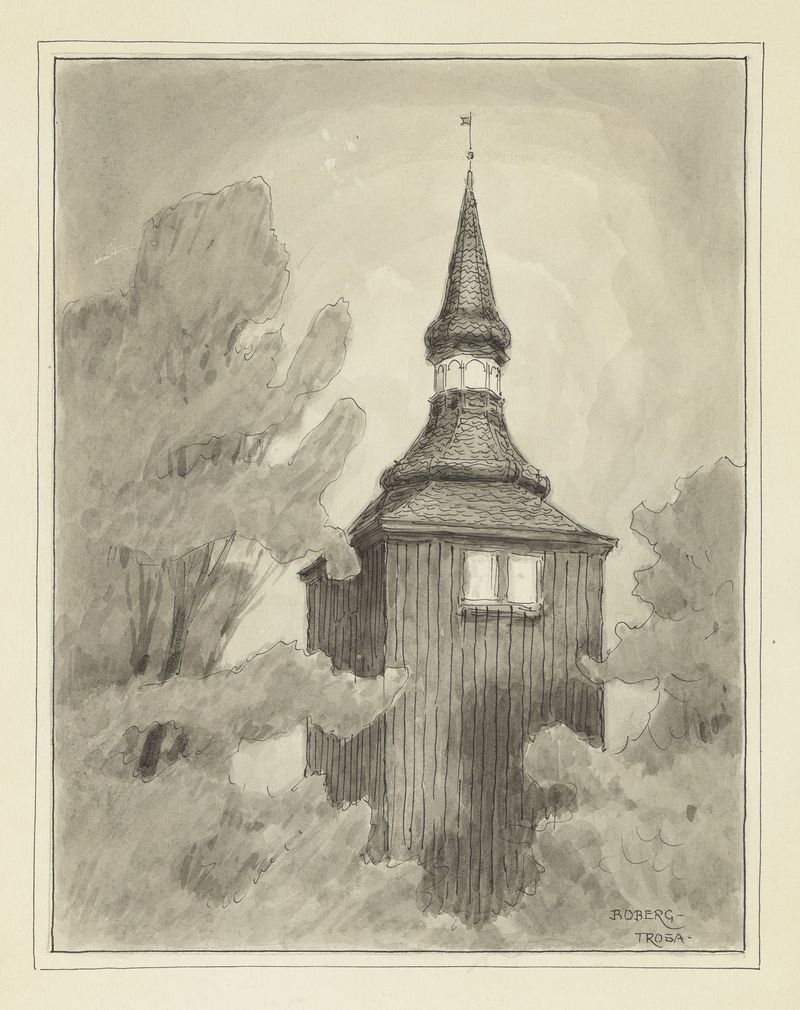
Trosa
Ferdinand Boberg
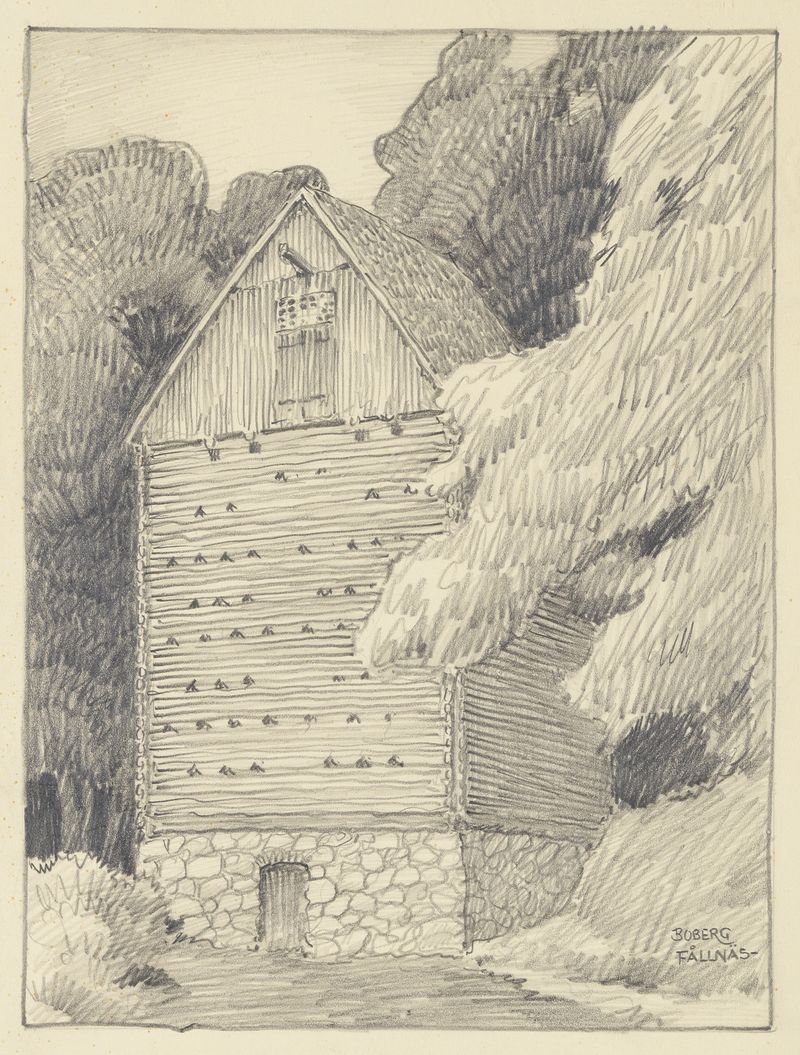
Fållnäs
Ferdinand Boberg
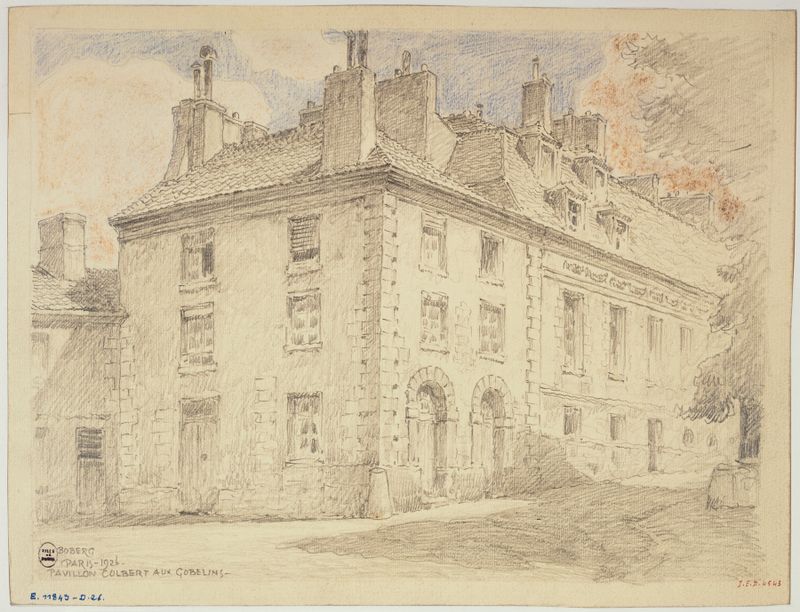
Le pavillon Colbert aux Gobelins
Ferdinand Boberg
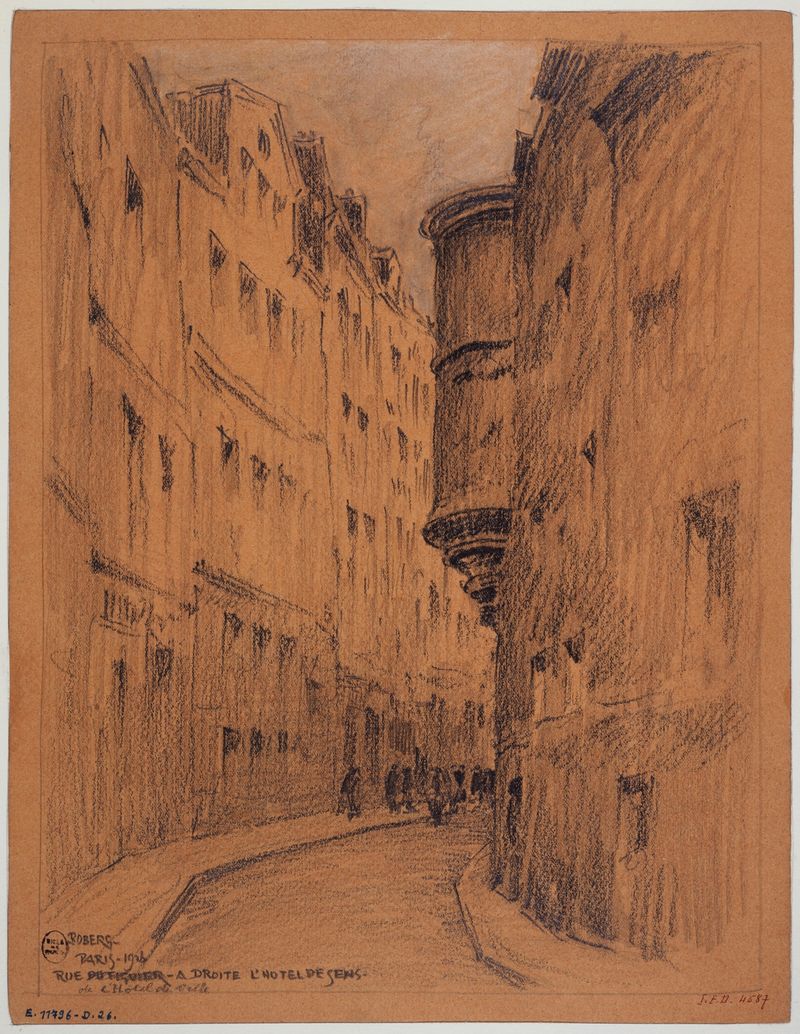
Rue de l’Hôtel de Ville; l’hôtel de Sens
Ferdinand Boberg
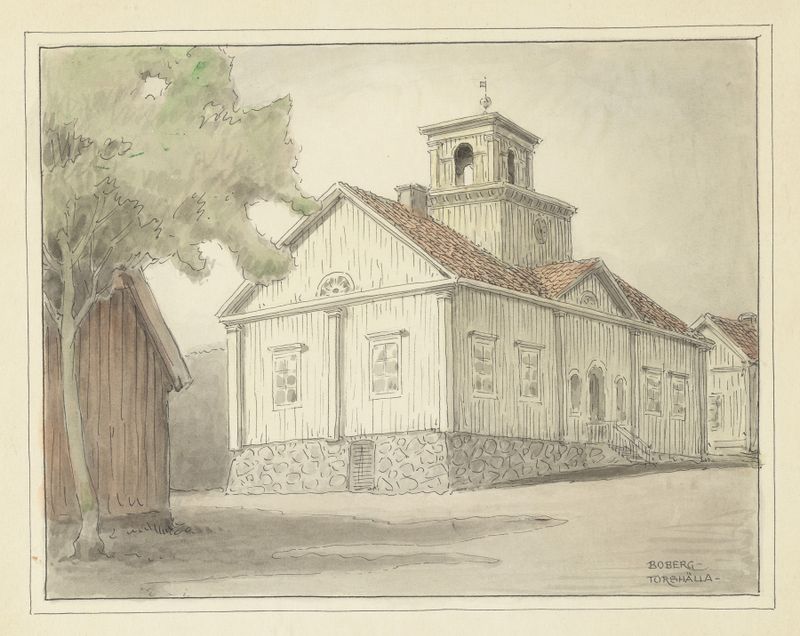
Torshälla
Ferdinand Boberg
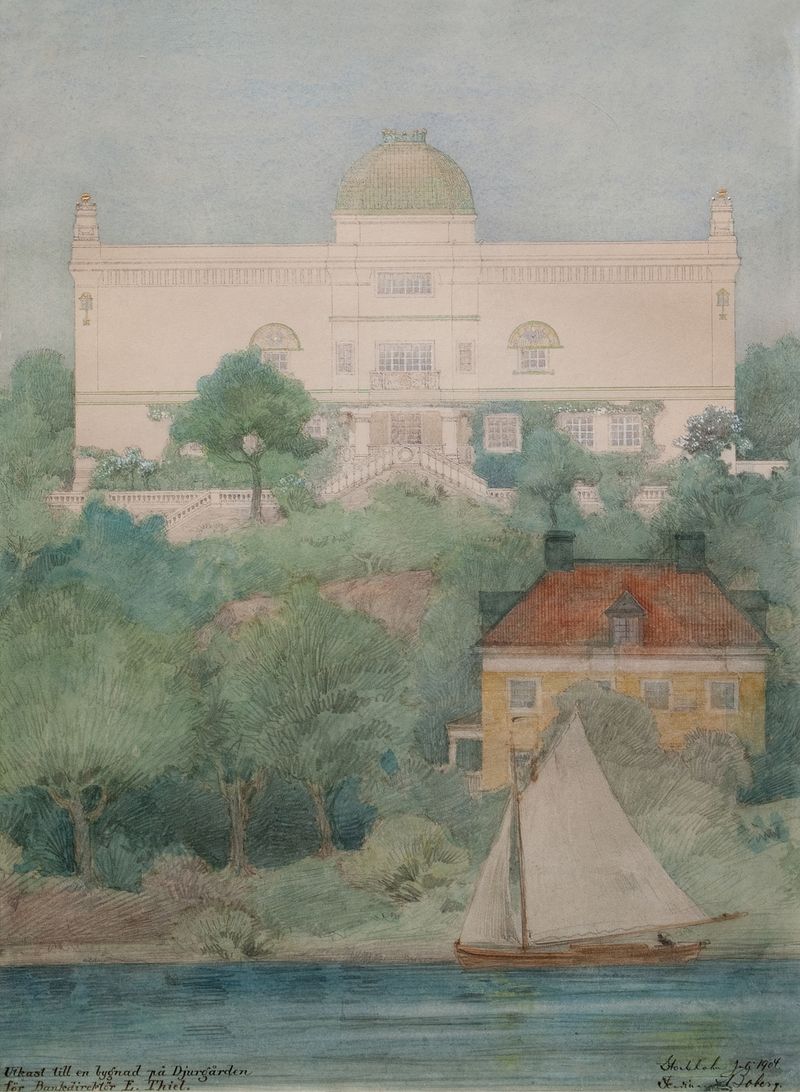
Sketch for a building for Thiel’s Gallery
Ferdinand Boberg
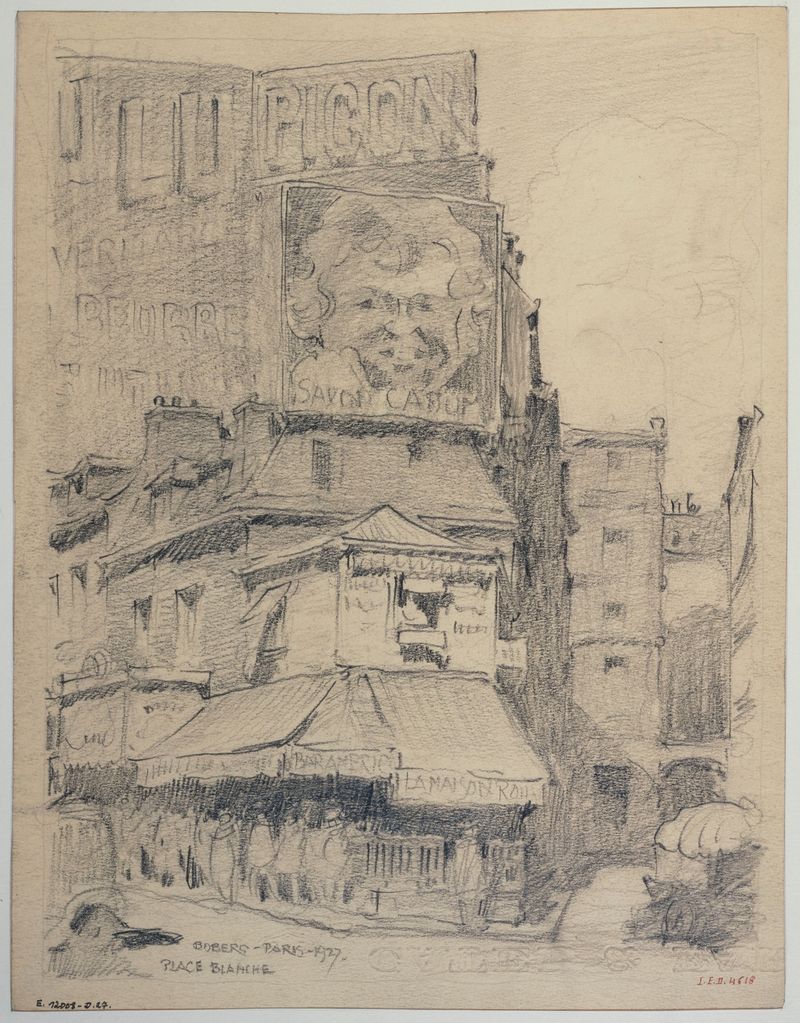
La place Blanche
Ferdinand Boberg
More Architecture Art
Browse all →
The statue of Liberty
Frédéric Auguste Bartholdi

View of Houses in Delft, Known as ‘The Little Street’
Johannes Vermeer

View of Houses in Delft, Known as ‘The Little Street’
Johannes Vermeer

The Cathedral in Rouen. The portal, Grey Weather
Claude Monet

The yellow house
Vincent van Gogh

The Church in Auvers-sur-Oise, View from the Chevet
Vincent van Gogh