
Tourneppe (Dworp) – petit canal bordé de saules, pont et maisonnettes — History & Facts
Can paint confess what words never could? Within the gentle strokes of a landscape lies the profound weight of betrayal, whispering tales unspoken yet vividly felt. Look to the foreground, where the serene waters of the canal shimmer under a soft light. The artist's choice of muted greens and blues invites you to linger; notice how the willow trees, their branches swaying like secrets in the breeze, frame the scene with an embrace that feels both protective and suffocating. The quaint houses in the background, almost cloistered by the natural elements, draw the eye subtly with their charming façades, yet there is an underlying tension in their proximity to the water, suggesting fragility. The juxtaposition of light and shadow creates an emotional dance here.
The willows, with their sweeping forms, may signify comfort, while the canal's reflective surface hints at a deeper undercurrent of vulnerability and unacknowledged sorrow. Each ripple across the water seems to echo the complexities of trust and treachery, inviting the viewer to ponder the narratives hidden behind this idyllic facade. It speaks to the contradictions of beauty and betrayal — a paradox that resonates deeply with the human experience. In 1920, Jean-François Taelemans painted this work during a period of significant transition in the art world, where traditional styles were evolving in response to modernity.
Living in Belgium, Taelemans found himself at a crossroads, grappling with the aftermath of World War I and the shifting cultural landscape. His art, reflective of these tumultuous times, captures both the nostalgia for simpler times and the underlying tensions that such memories often conceal.
More Artworks by Jean-François Taelemans
Browse all →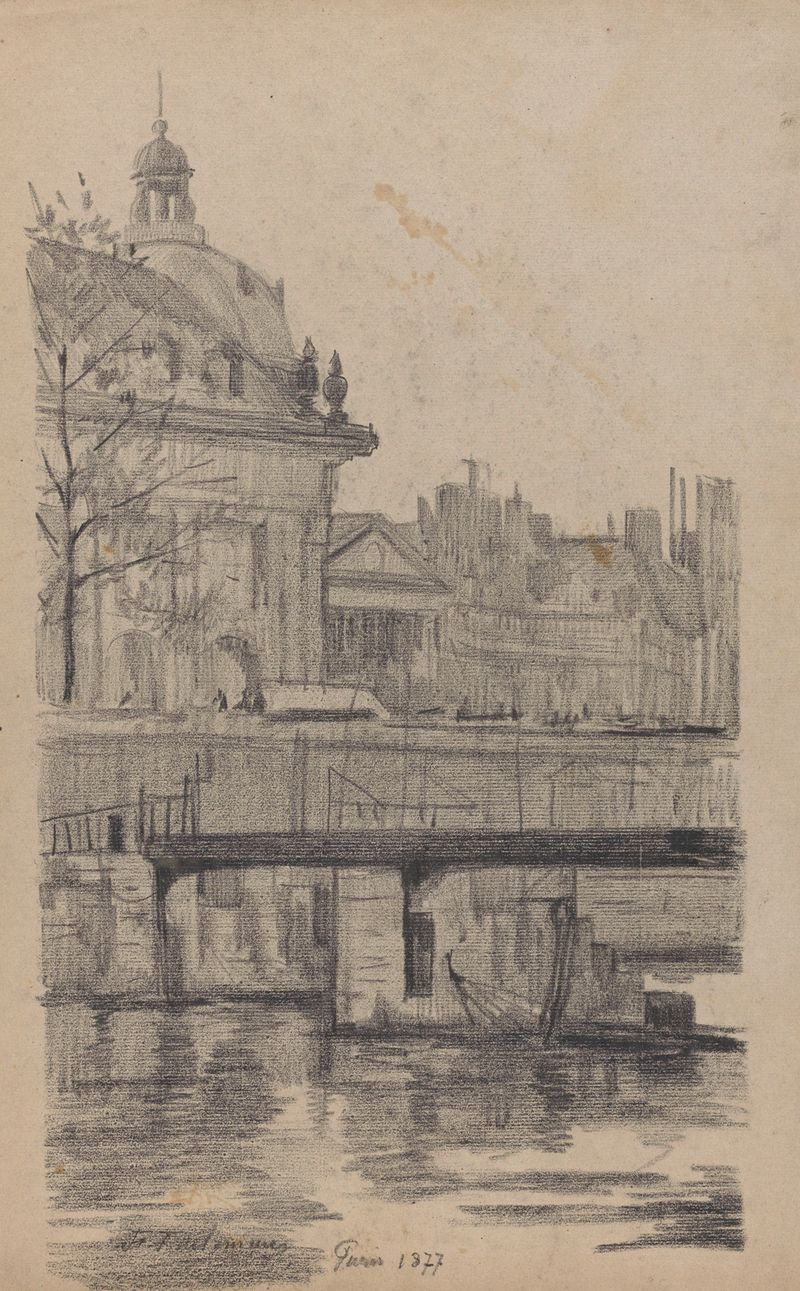
Paris (vue de la Seine et du Collège des Quatre Nations (actuellement siège de l’Institut de France)
Jean-François Taelemans
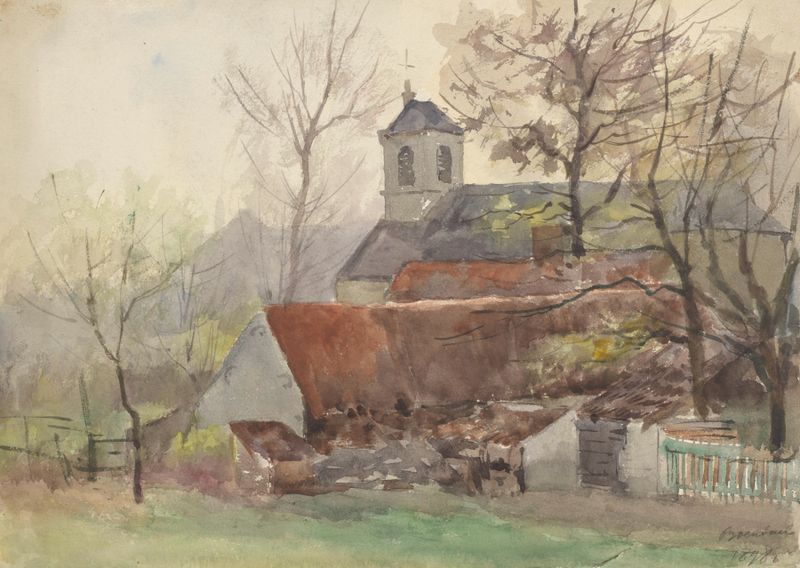
Boendael (église)
Jean-François Taelemans
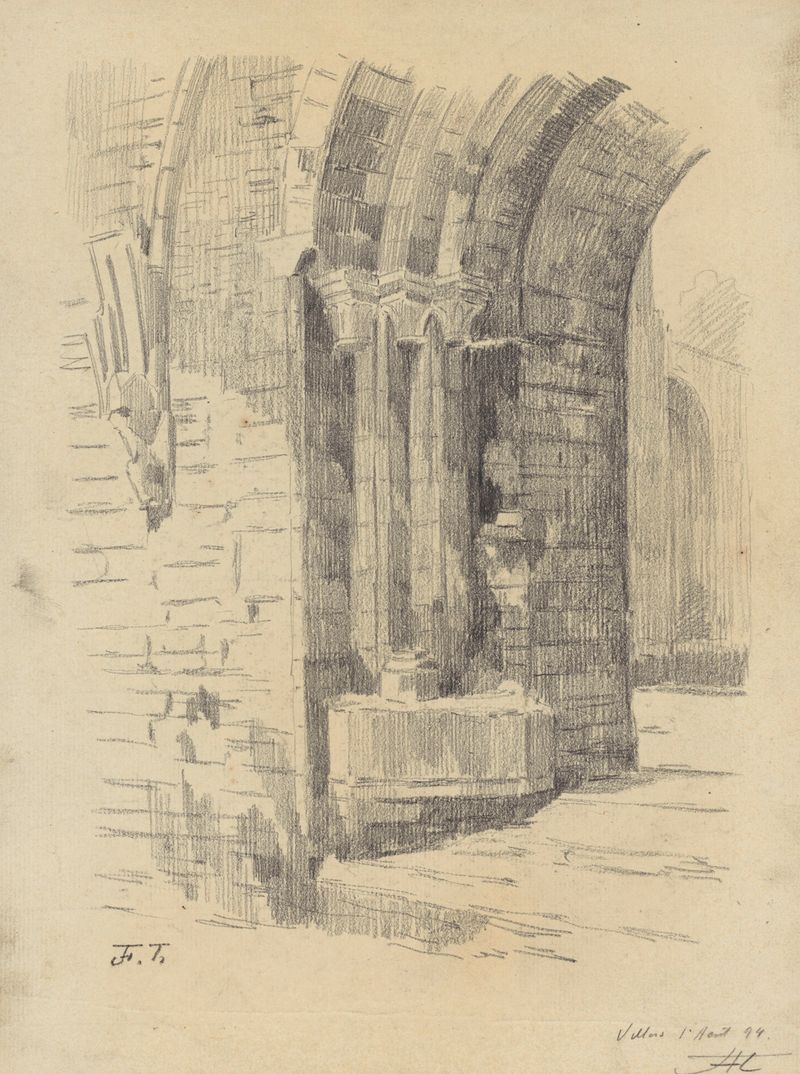
Ruines de l’abbaye de Villers-la-Ville – porche entre le cloître et l’église abbatiale (côté droit)
Jean-François Taelemans
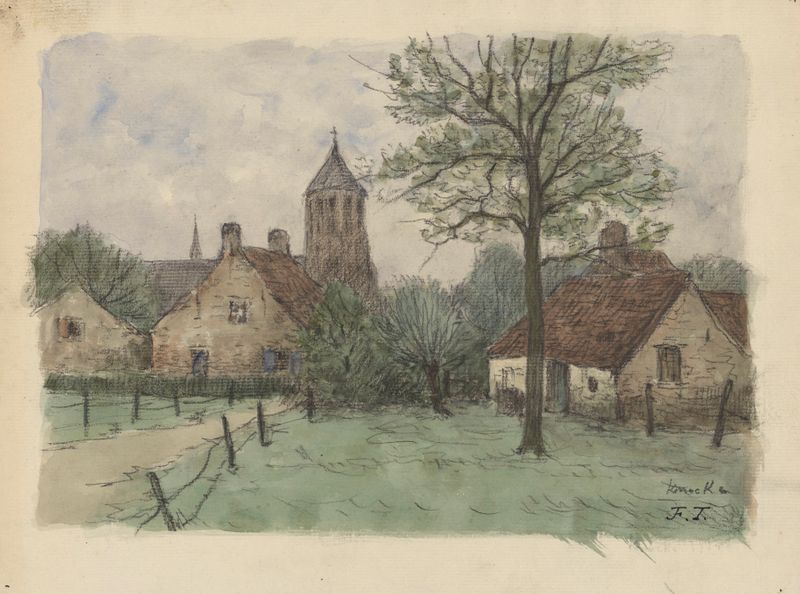
Village et église Sint Margaretha à Knocke
Jean-François Taelemans
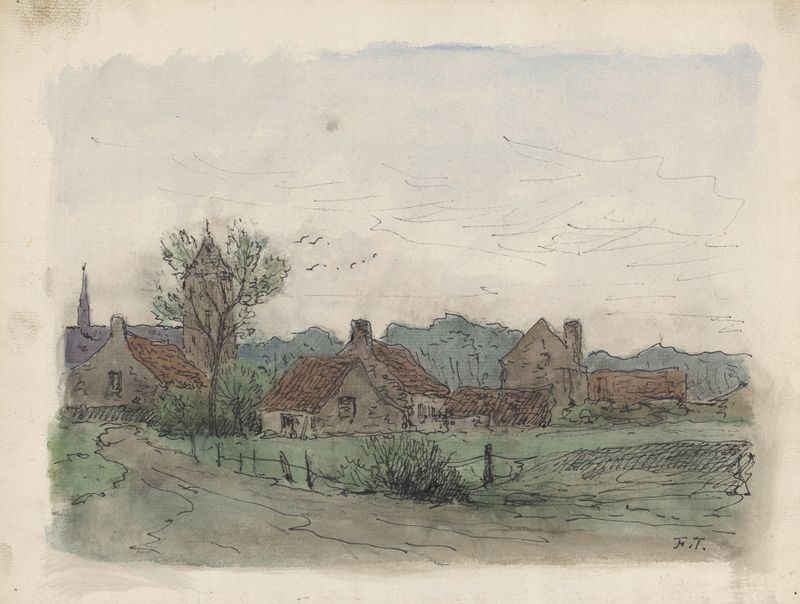
Village
Jean-François Taelemans
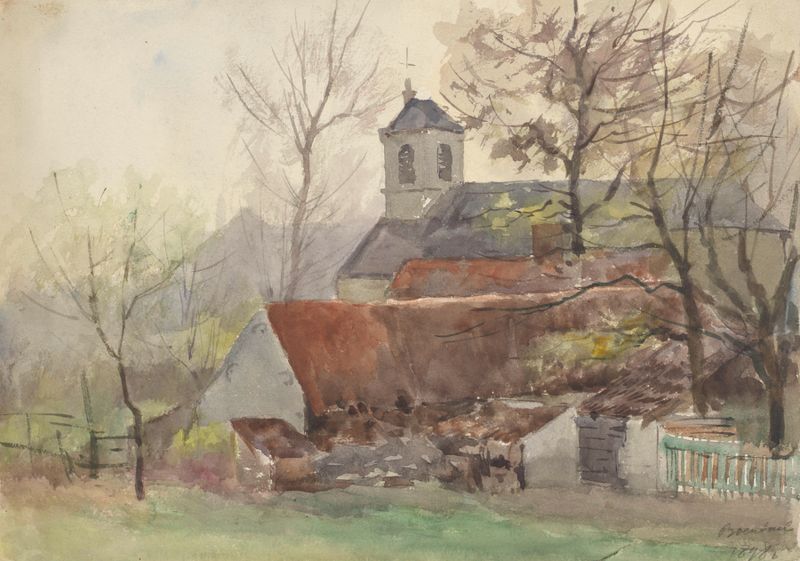
Boendael (église)
Jean-François Taelemans
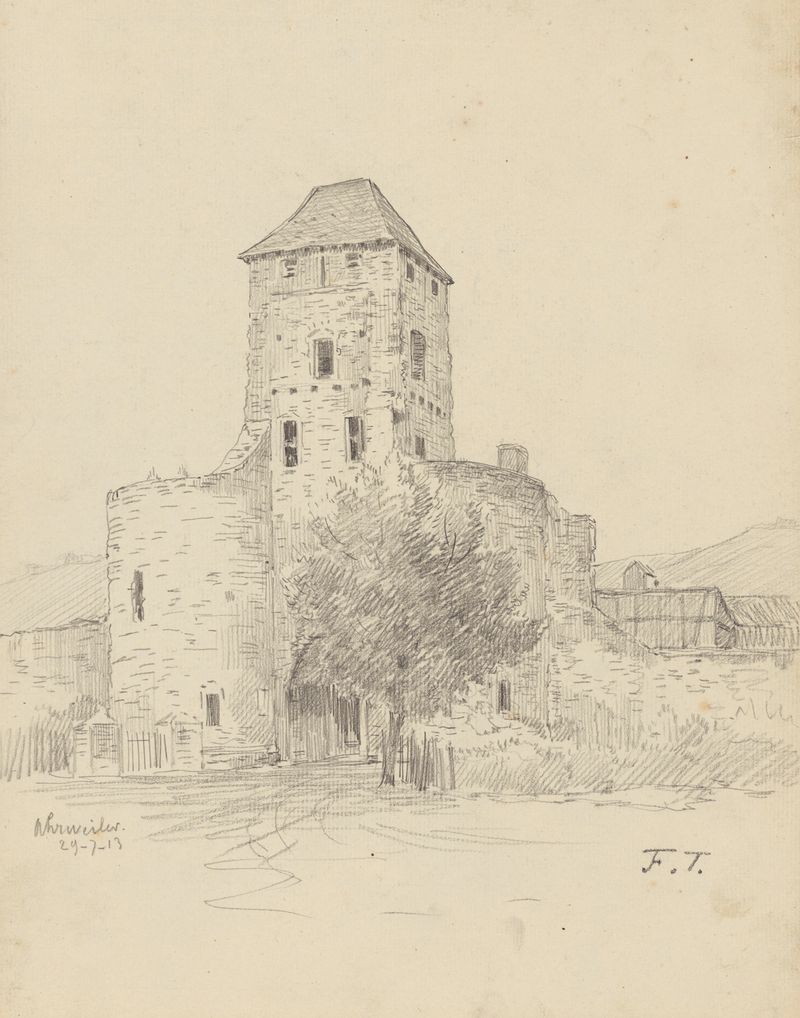
Vieille tour (porte) à Ahrweiler (Allemagne)
Jean-François Taelemans
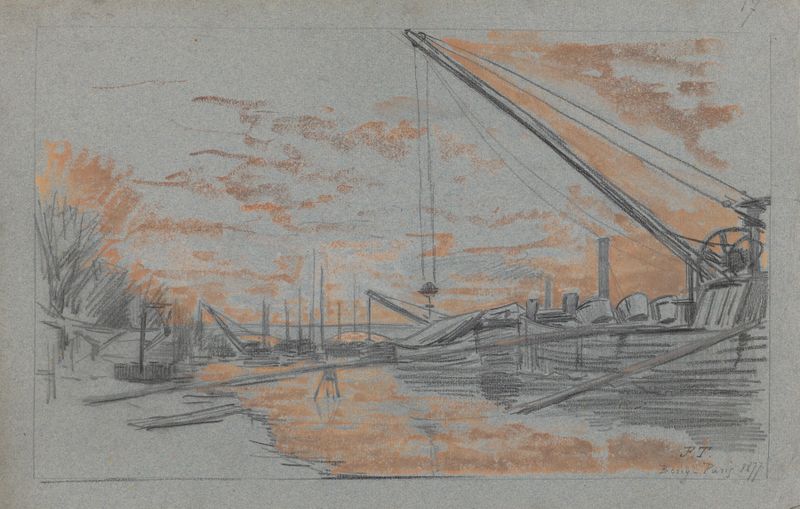
Bercy – Paris (bord de Seine avec chalands à l’ancre en cours de chargement, soleil couchant)
Jean-François Taelemans
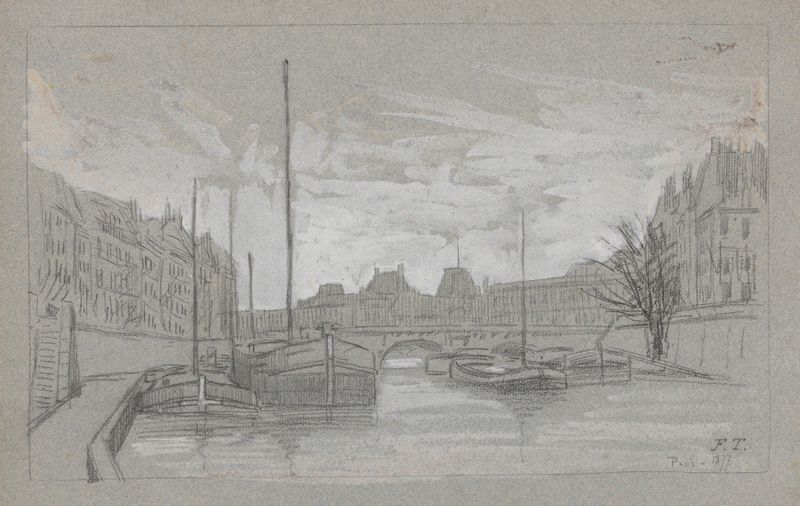
Paris (bateaux sur la Seine près d’un pont)
Jean-François Taelemans
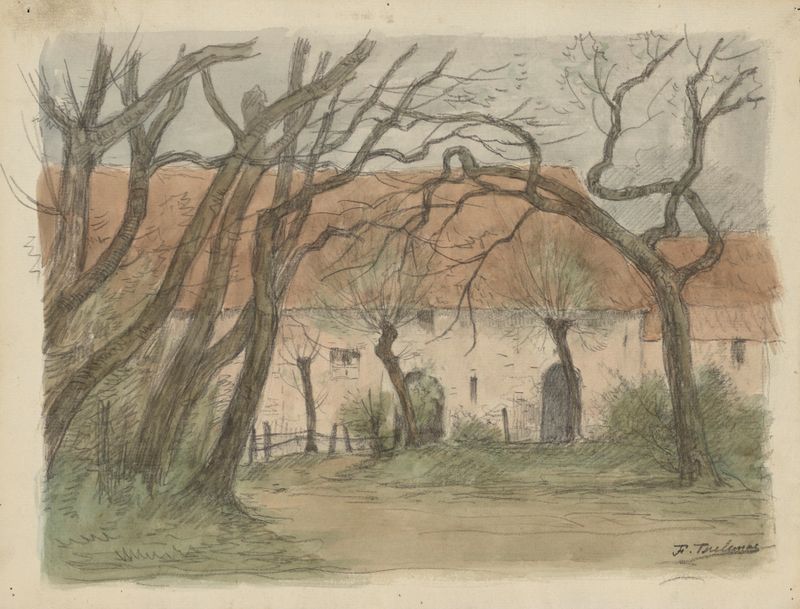
Grande maison campagnarde derrière un bouquet d’arbres
Jean-François Taelemans





