
Towadako noguchi (Towada Lake Aomori) — History & Facts
In the stillness of nature, a hidden struggle unfurls, revealing layers of creation interwoven with loss. First, direct your gaze to the tranquil surface of the lake, where delicate ripples dance, mirroring the soft hues of twilight. The palette of gentle blues and warm golds envelops the composition, drawing you into the serene yet poignant embrace of the landscape. Notice how the towering trees frame the scene, their dark silhouettes contrasting with the luminous sky, suggesting a realm that exists both in reality and in dreams. Embedded in this idyllic vista lies a subtle tension; the trees, while sheltering, also cast long shadows, hinting at the solitude that nature often reflects.
The gentle gradients in the water symbolize the passage of time, while the serene atmosphere captures a fleeting moment of peace amidst the inexorable march of change. Each brushstroke feels deliberate, whispering stories of both the serene beauty and the existential weight borne by the viewer. Kawase Hasui created this work in 1932 while living in Japan, a period marked by both artistic evolution and a profound search for national identity. As part of the Shin-hanga movement, his intention was to revive traditional ukiyo-e principles, adapting them to modern sensibilities.
This artwork encapsulates a moment in time when nature was revered as a source of inspiration, reflecting both personal introspection and the collective spirit of an era in transition.
More Artworks by Kawase Hasui
Browse all →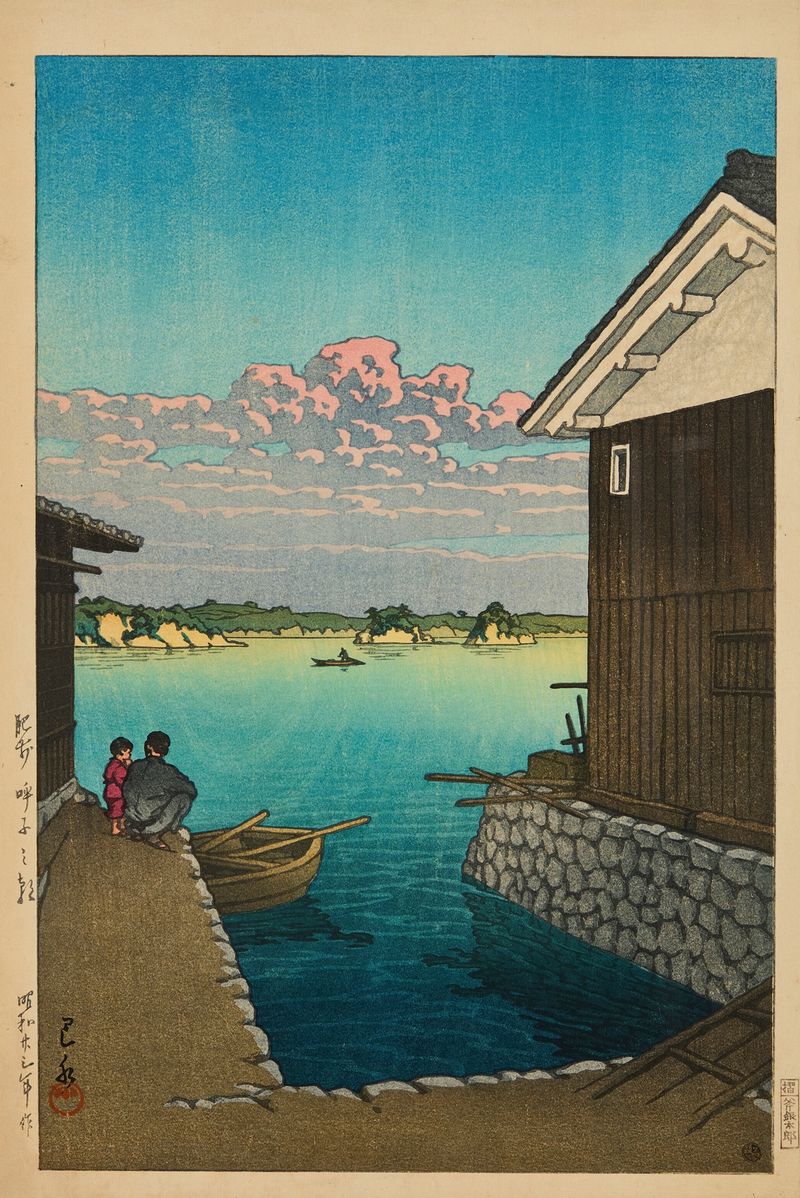
Hizen Yobuko no asa (Morning in Yobuko, Hizen)
Kawase Hasui
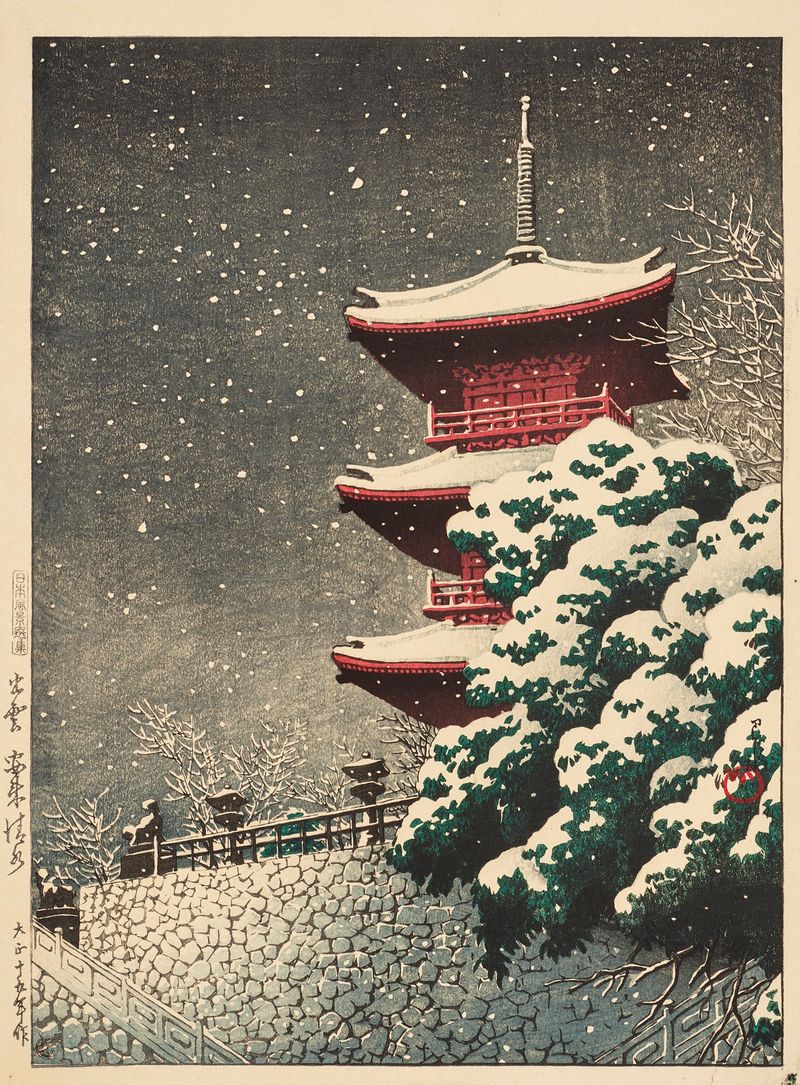
Izumo, Yasugi Kiyomizu (Yasugi Kiyomizu Temple at Izumo)
Kawase Hasui
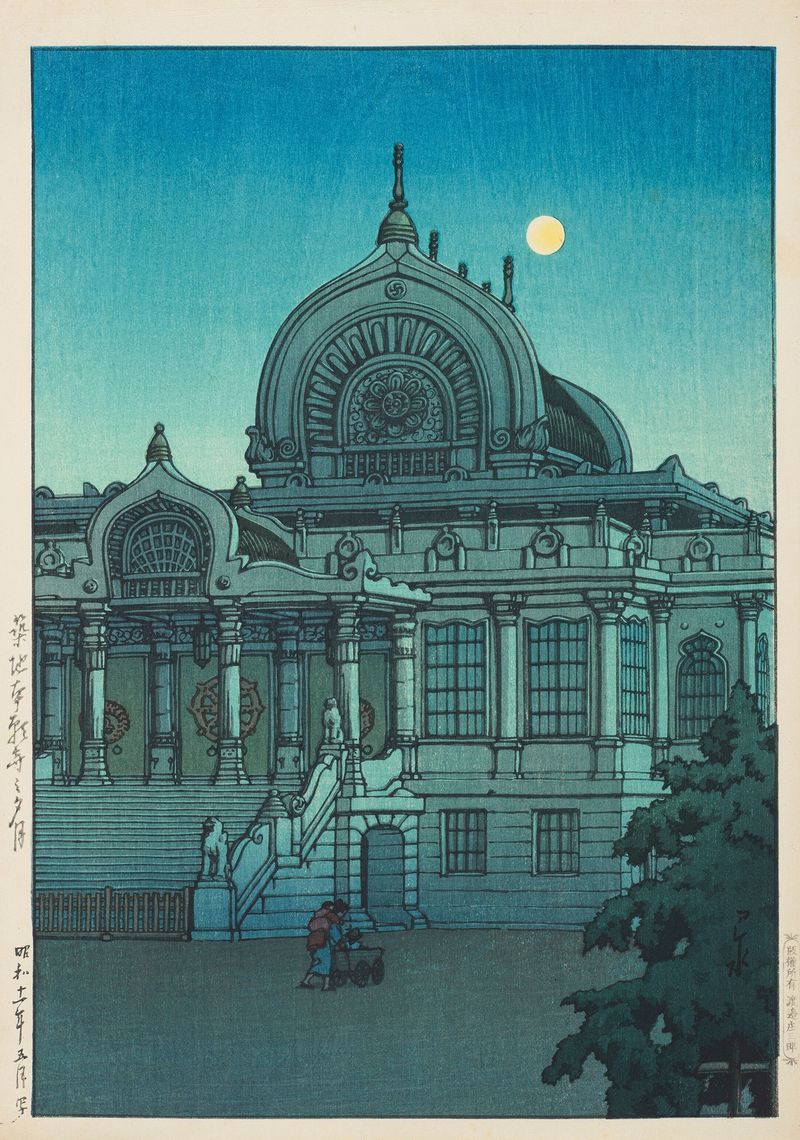
Tsukiji Honganji no yuzuki (Evening moon at Honganji Temple in Tsukiji)
Kawase Hasui
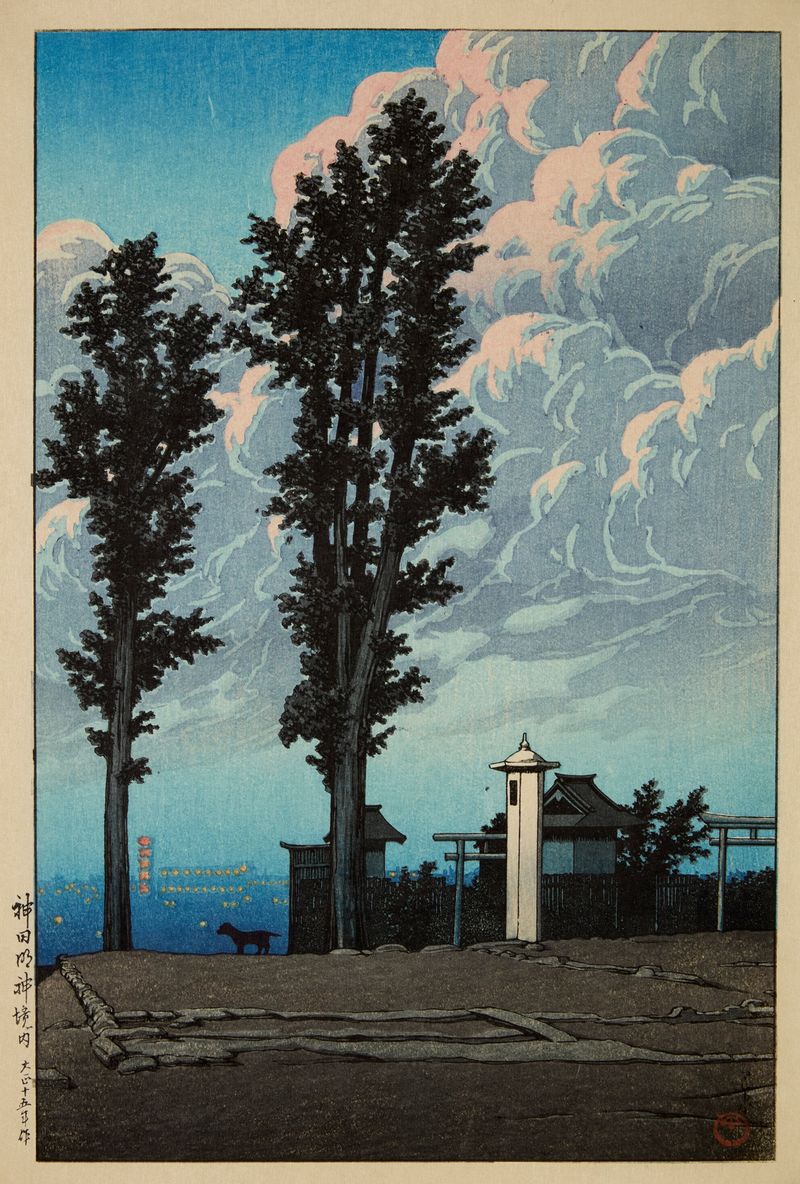
Kanda Myojin keidai (Kanda Myojin Shrine precent)
Kawase Hasui
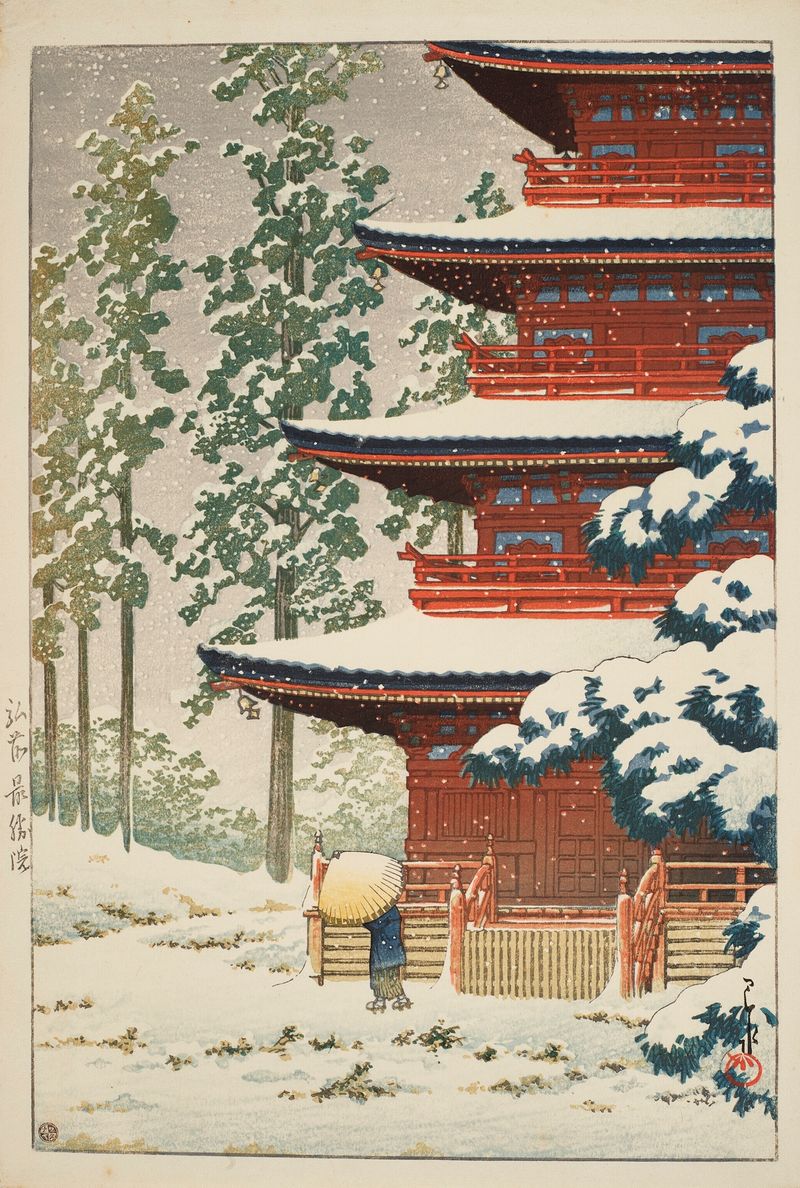
Saisho-in Temple, Hirosaki
Kawase Hasui
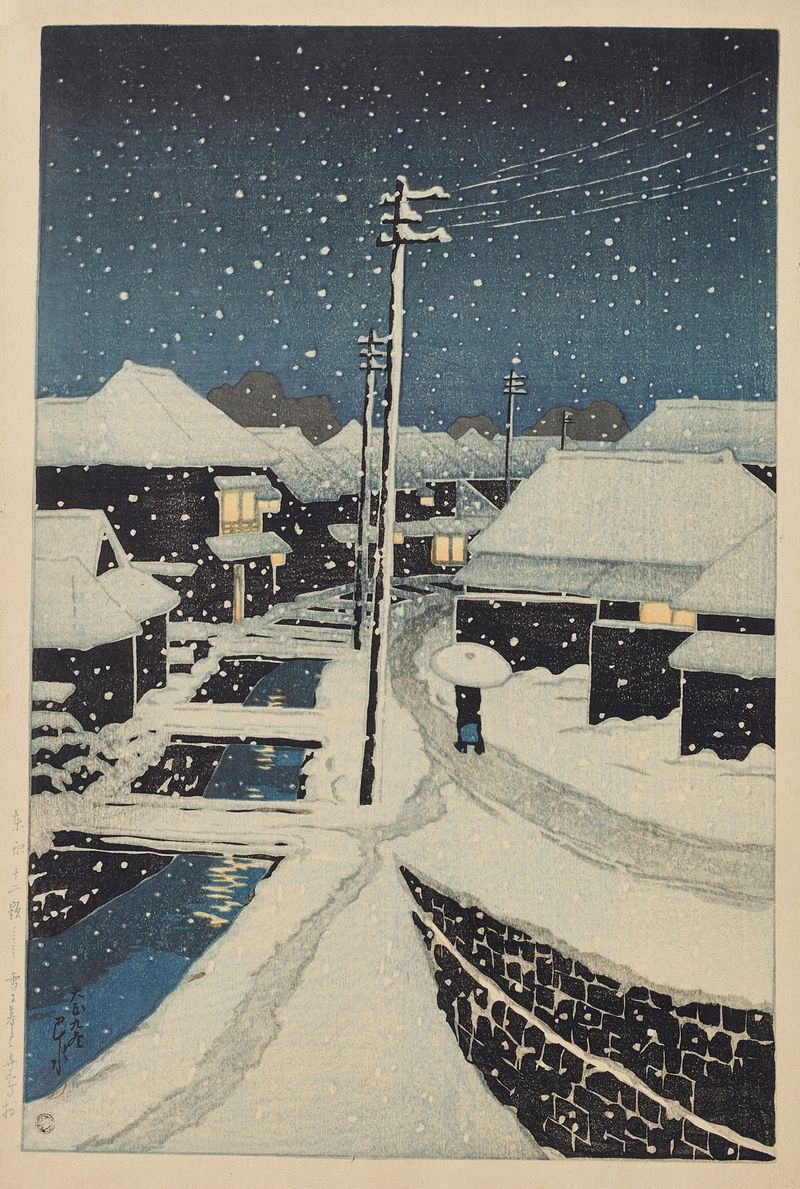
Yuki ni fururu Terajima mura (Evening snow at Terajima Village)
Kawase Hasui
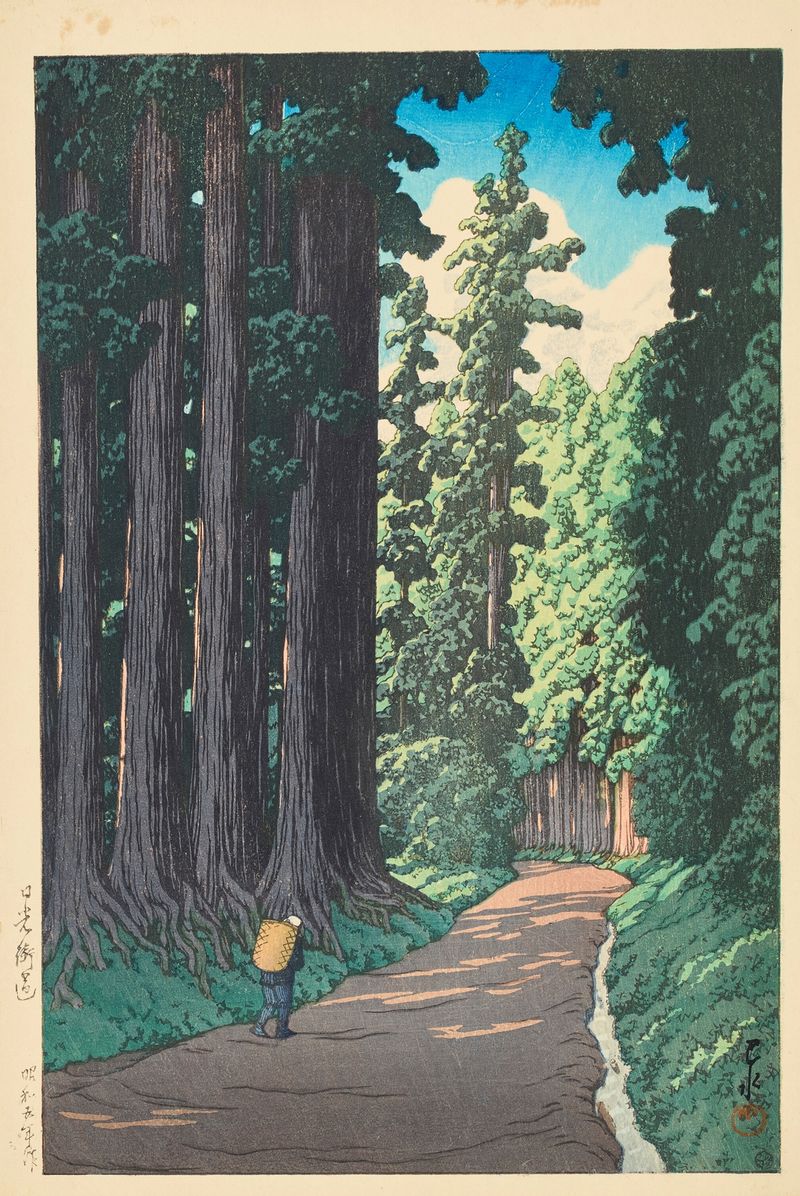
Nikko gaido (The Road to Nikko)
Kawase Hasui
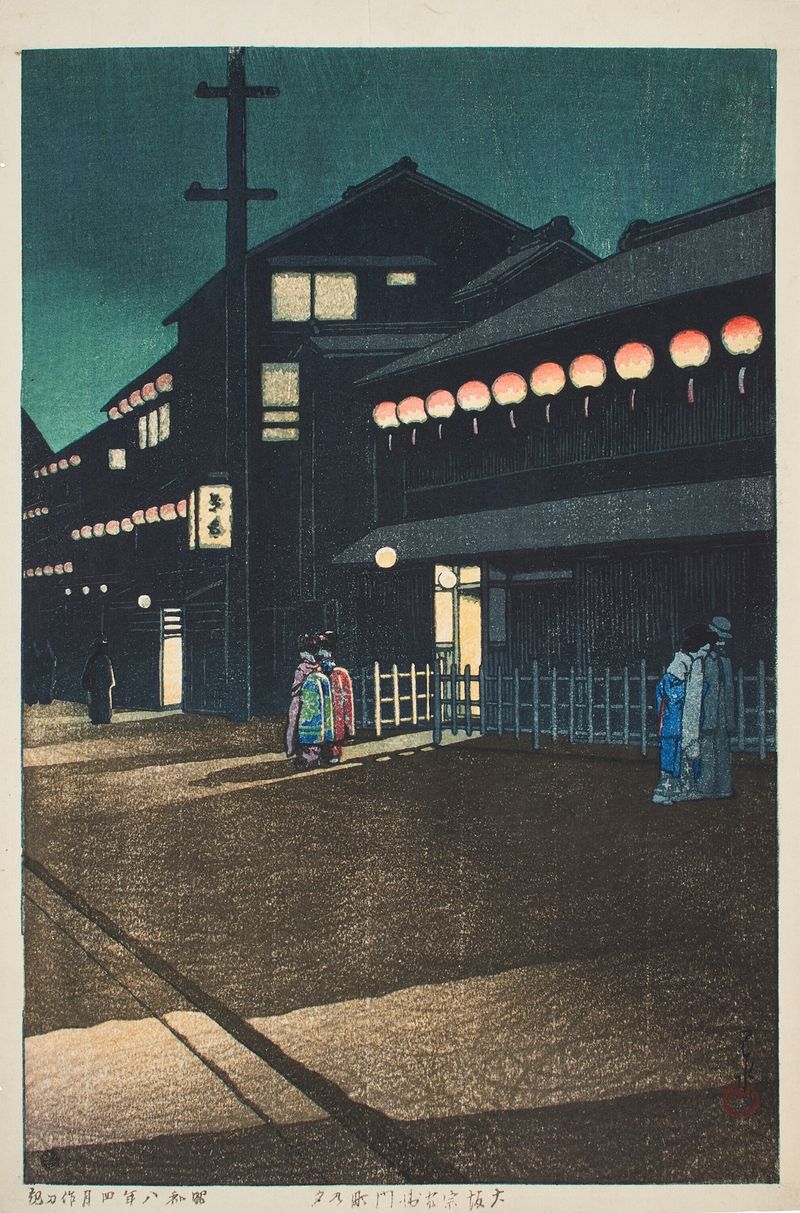
Osaka Soemon-cho no yu (Evening in Soemon-cho, Osaka)
Kawase Hasui
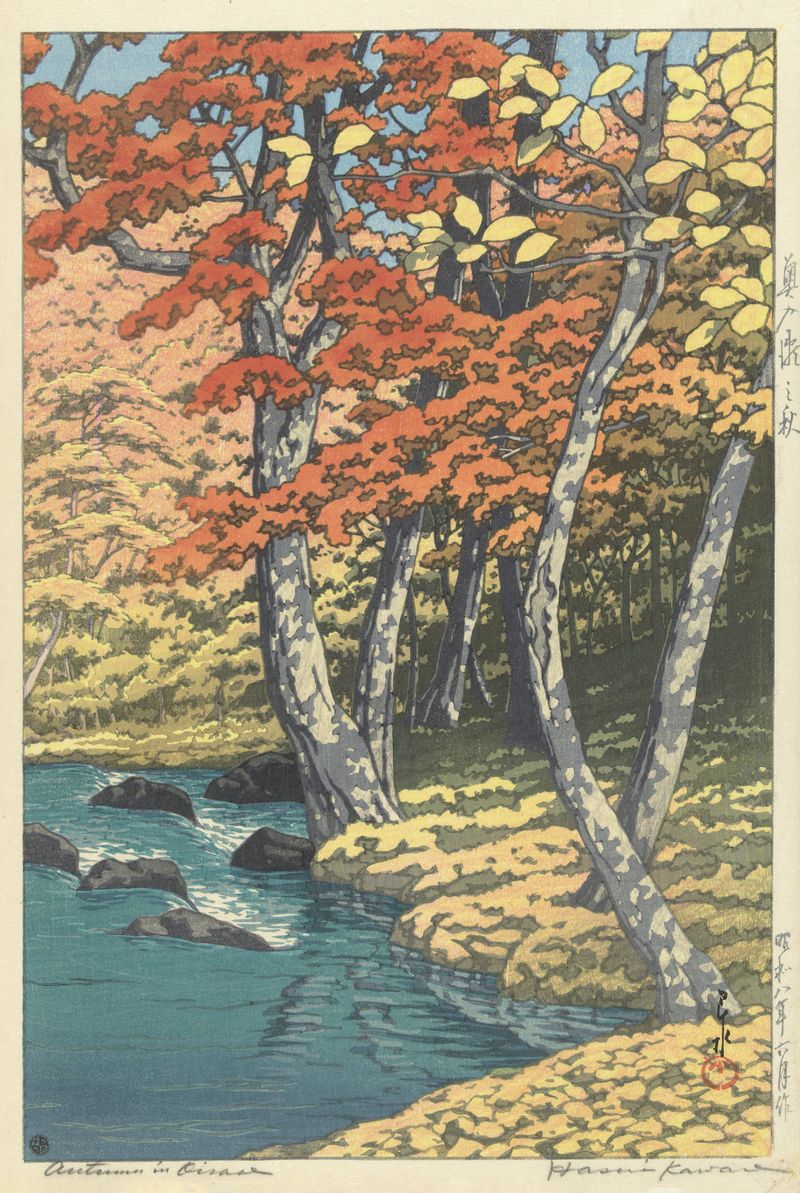
Autumn In Oirase
Kawase Hasui
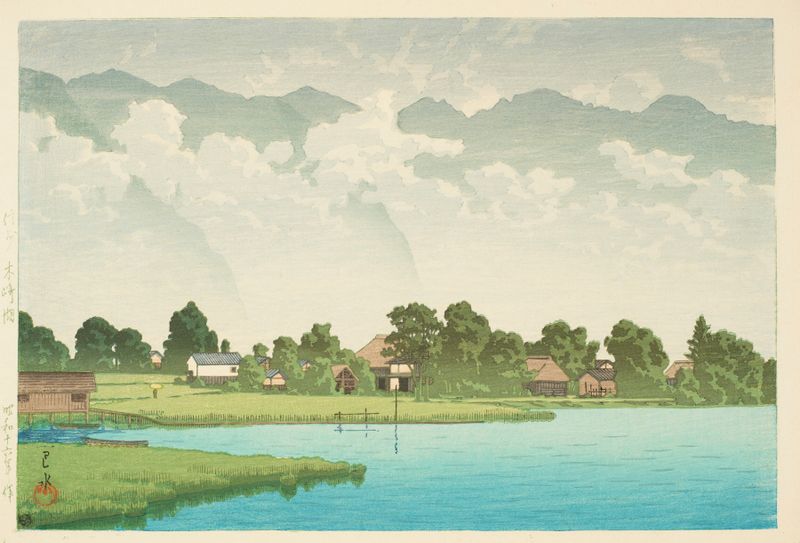
Shinshu Kizakiko (Kizaki Lake in Shinshu)
Kawase Hasui





