
Townsend Bradley Martin — History & Facts
What first draws the eye in Townsend Bradley Martin is the boy’s unwavering, almost meditative gaze—his face lit with a gentle, natural light that sets him apart from the shadowy, painterly background. The artist, Abbott Handerson Thayer, renders the youth with a softness that seems to hover between portrait and reverie, the brushwork loose and suggestive in the clothing and foliage, yet precise in the delicate modeling of the face. The apples and leaves that encircle the boy’s head act almost as a living halo, their roundness echoing the shape of his cheeks, hinting at both innocence and the cycles of nature.
There is a sense of quiet anticipation in the boy’s posture, as if he is caught between the world of childhood and something just beyond reach. Painted in 1919, this work belongs to a moment in American art when portraiture was shifting from the rigid formality of the nineteenth century toward a more psychological, atmospheric approach. Abbott Handerson Thayer was known both for his portraits and his fascination with nature, and here those interests meet: the sitter is not isolated from his environment but woven into it, the setting as much a part of his identity as his features. Portraits of this kind were often commissioned by families eager to mark a child’s passage through life, yet history has kept few traces of the individual stories behind many such images.
The painting now resides in the collection of the Smithsonian American Art Museum, a quiet testament to the era’s search for meaning in the everyday face—inviting us to wonder what the boy saw, and what he might have become.
More Artworks by Abbott Handerson Thayer
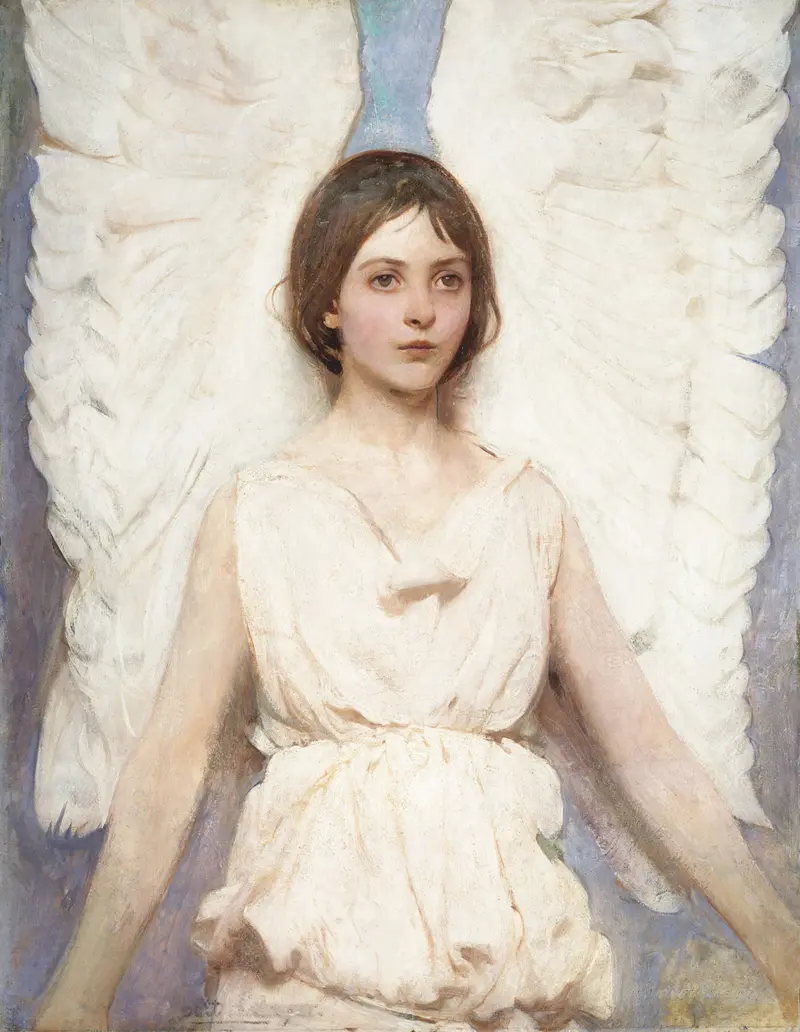
Angel
Abbott Handerson Thayer

Mount Monadnock
Abbott Handerson Thayer
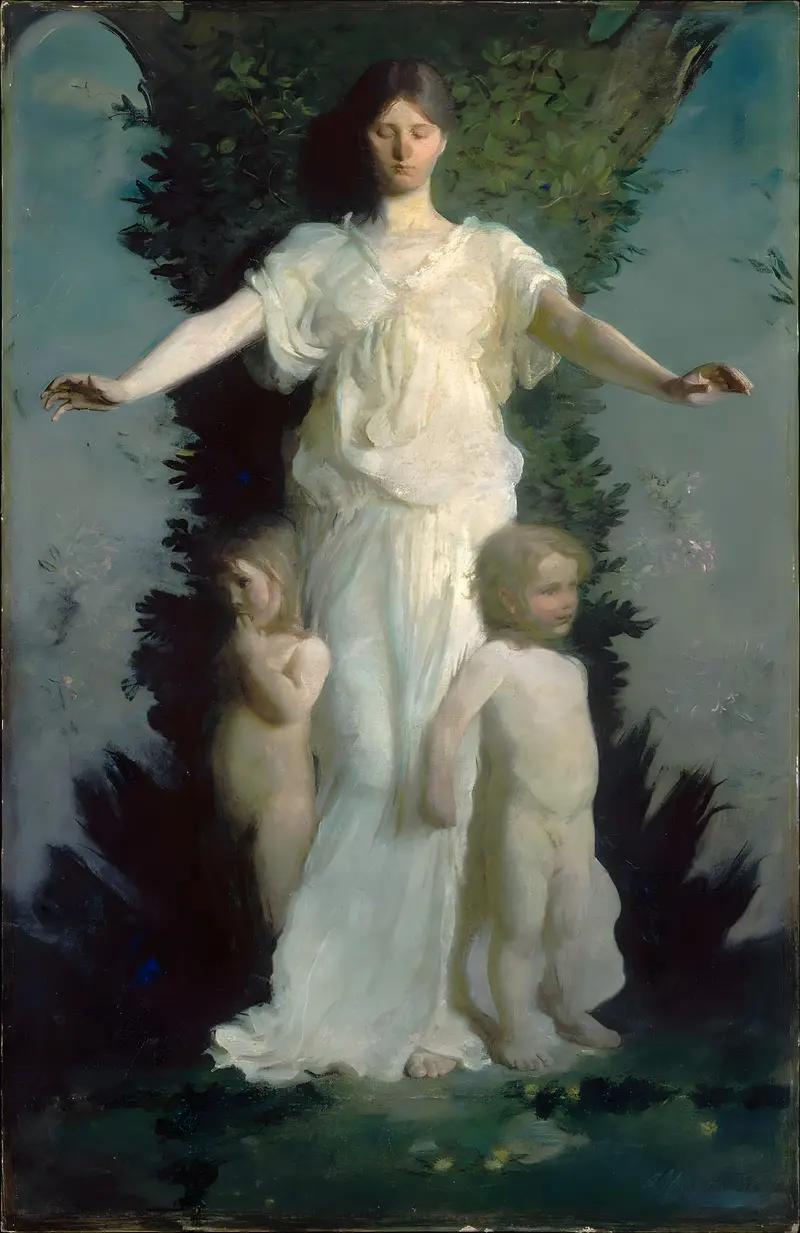
Caritas
Abbott Handerson Thayer

Winter, Monadnock
Abbott Handerson Thayer
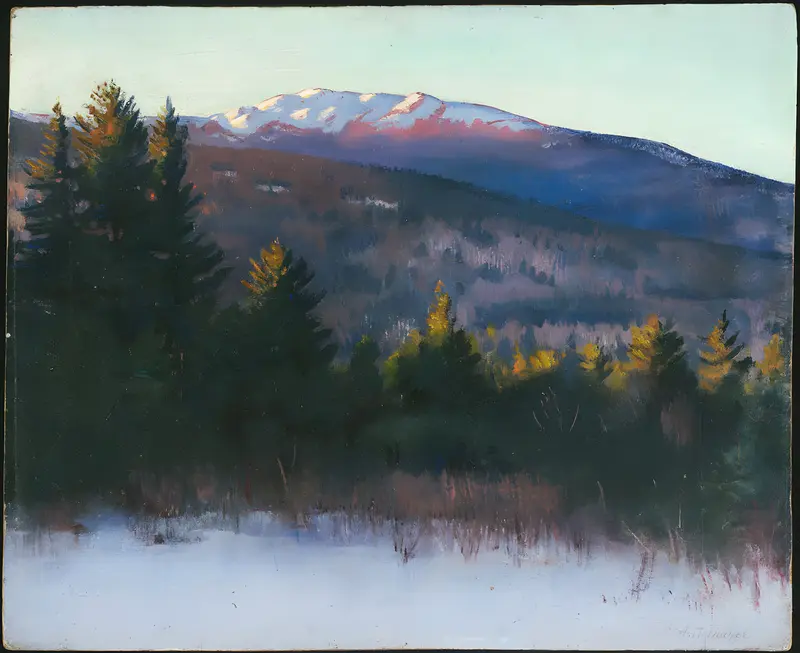
Mount Monadnock
Abbott Handerson Thayer
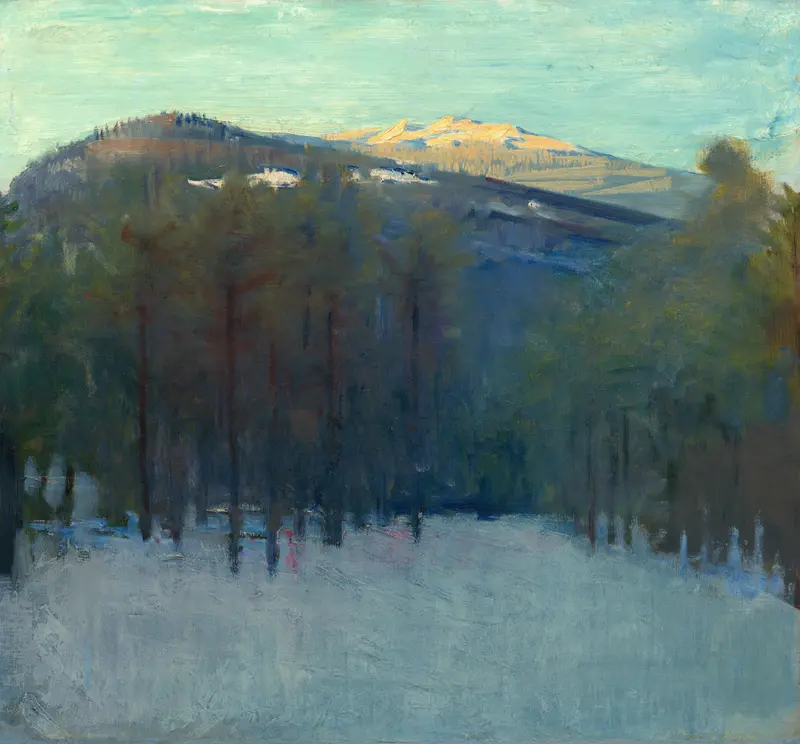
Mount Monadnock
Abbott Handerson Thayer
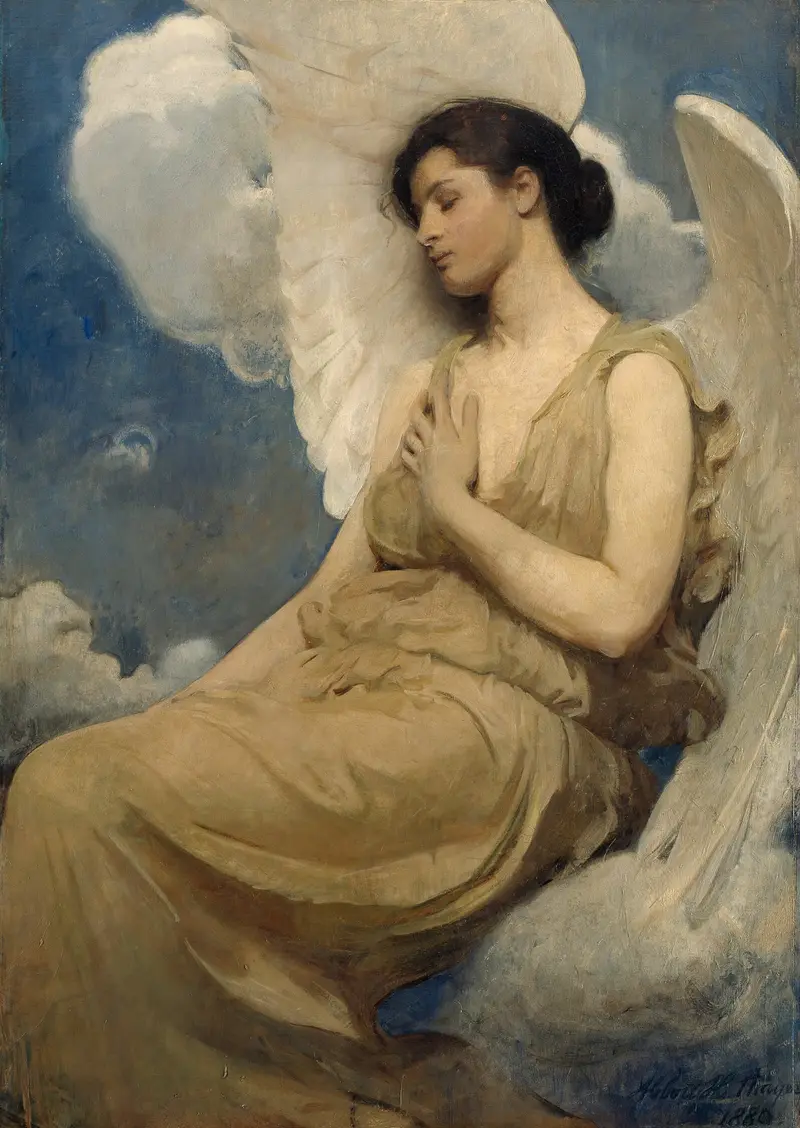
Winged Figure
Abbott Handerson Thayer
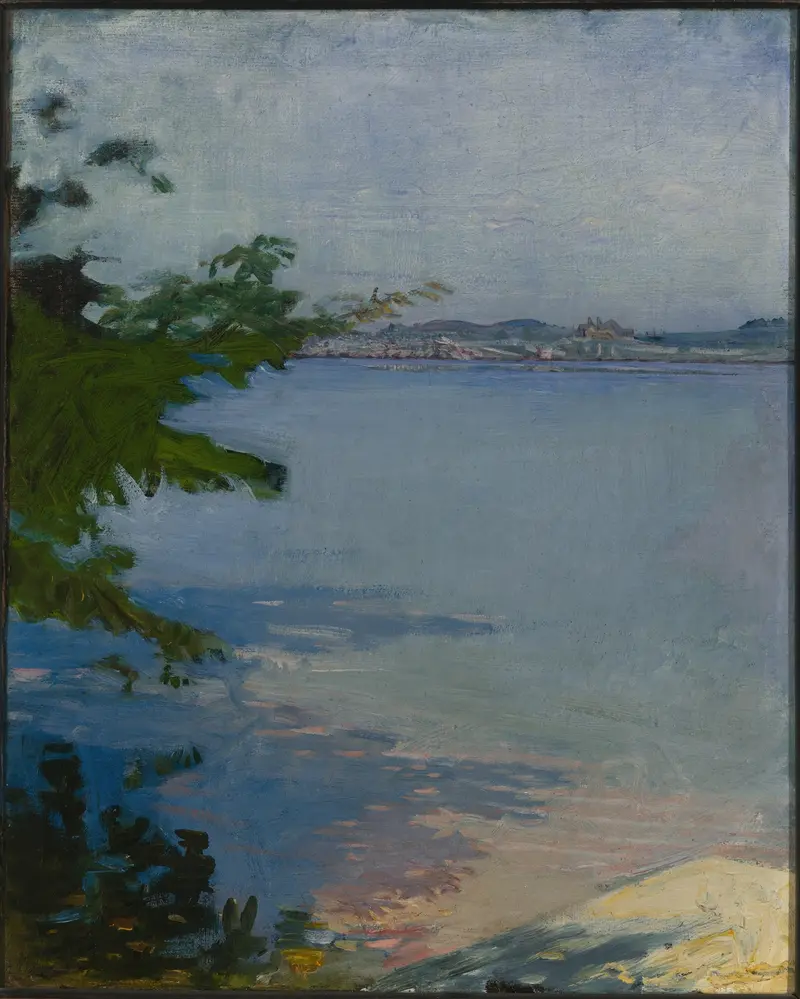
Dublin Pond, New Hampshire
Abbott Handerson Thayer
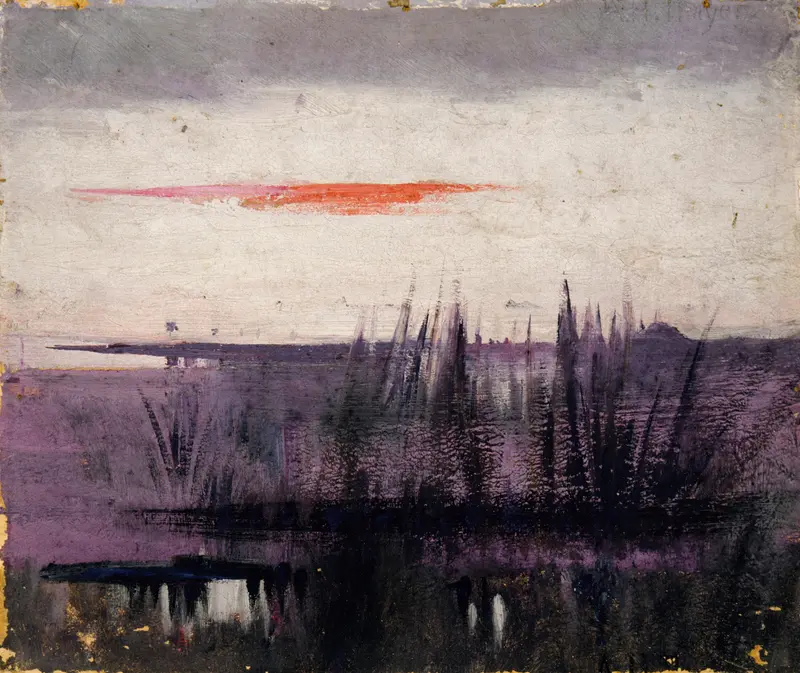
The Sky Simulated By White Flamingoes Study For Book, Concealing Coloration In The Animal Kingdom
Abbott Handerson Thayer
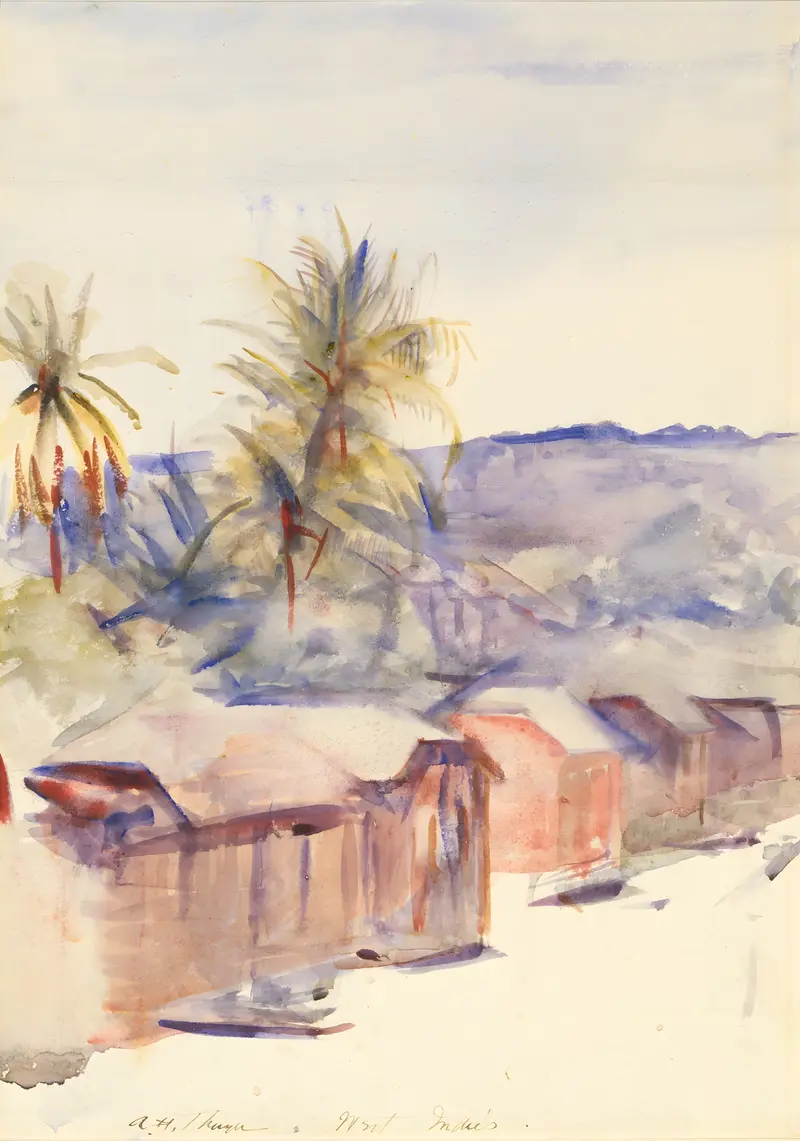
Village Street, Dominica
Abbott Handerson Thayer





