
Trachselwald. — History & Facts
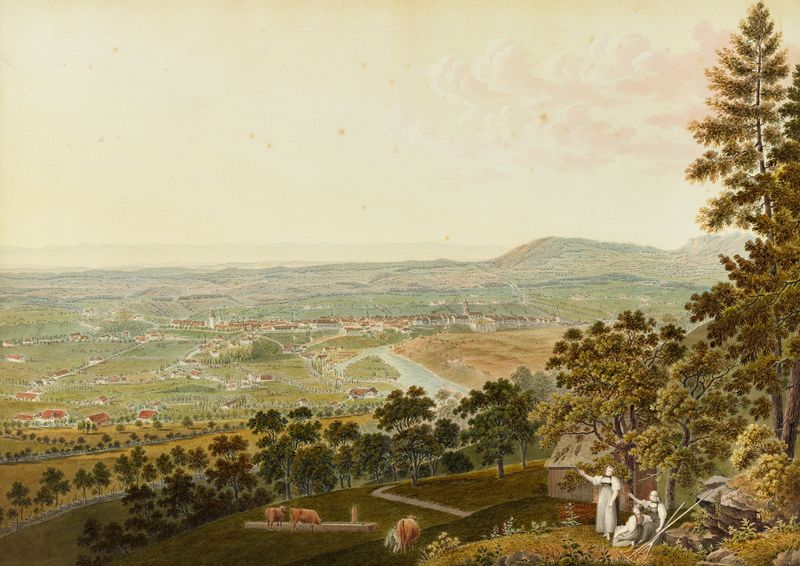
Who listens when art speaks of silence? In a world overflowing with noise, the quiet moments in Trachselwald invite introspection and reverie, urging us to ponder the dreams that linger in our minds. Look to the center of the canvas, where muted greens and soft browns blend seamlessly into one another, mimicking the gentle caress of a forest at dusk. An ethereal light filters through the treetops, casting shimmering patterns on the forest floor. The delicate brushwork creates a dreamlike quality, encouraging the viewer to explore the layers of depth and texture that breathe life into this serene landscape. As you absorb the tranquil scene, notice how the interplay of shadow and light evokes a sense of solitude and contemplation.
The trees, tall and resolute, stand like sentinels guarding secrets of the forest, while the winding path beckons to the wanderer within us all. This tension between the inviting trail and the enveloping shadows stirs emotions of both peace and uncertainty, crafting a narrative that resonates with our own journeys through life. At the time Trachselwald was created, Jakob Samuel Weibel was immersed in the rich traditions of the Swiss landscape genre. Active during the late 19th century, Weibel worked at a time when Romanticism was fading, giving way to more modern interpretations of nature.
His dedication to capturing the sublime beauty of the Swiss landscape reflects not only personal experiences but also a broader cultural shift towards introspection and the exploration of the subconscious in art.
More Artworks by Jakob Samuel Weibel
Browse all →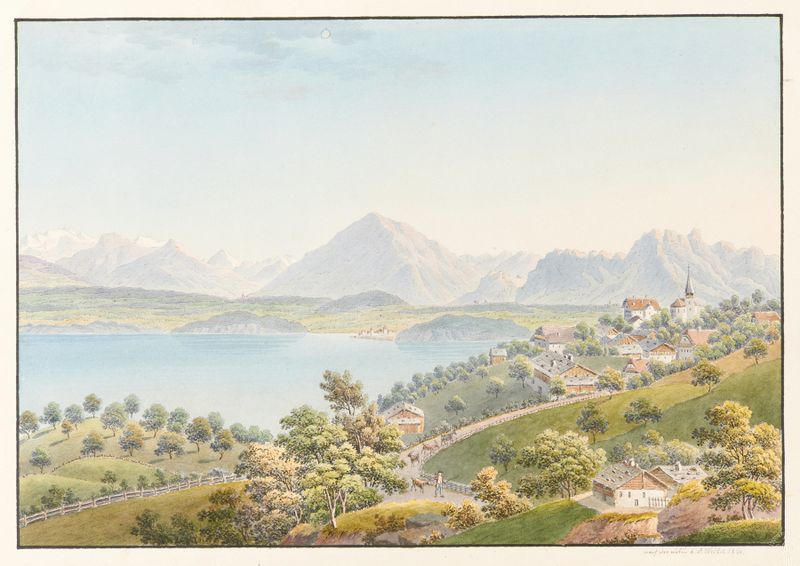
Vue dessiné depuis le Village de Sigriswil, audessus du Lac de Thoune
Jakob Samuel Weibel
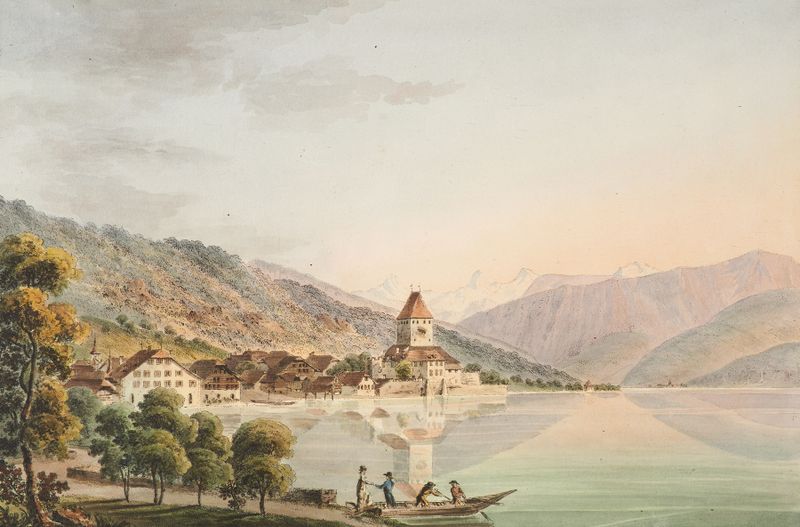
Vûe du Chateau d’Oberhofen au Lac de Thoune
Jakob Samuel Weibel
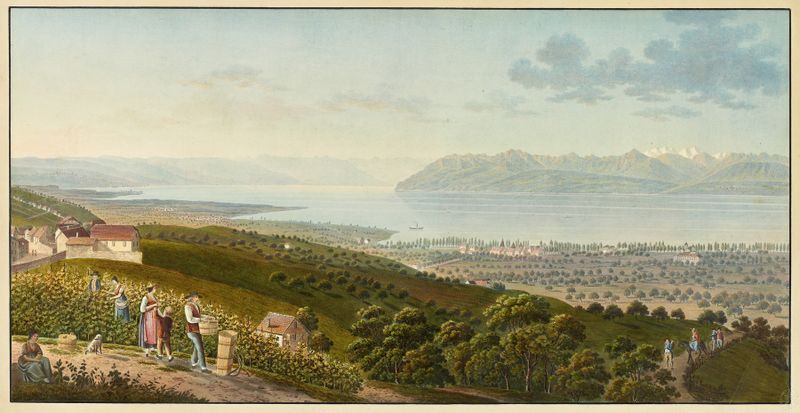
Vue genérale du Lac de Geneve
Jakob Samuel Weibel
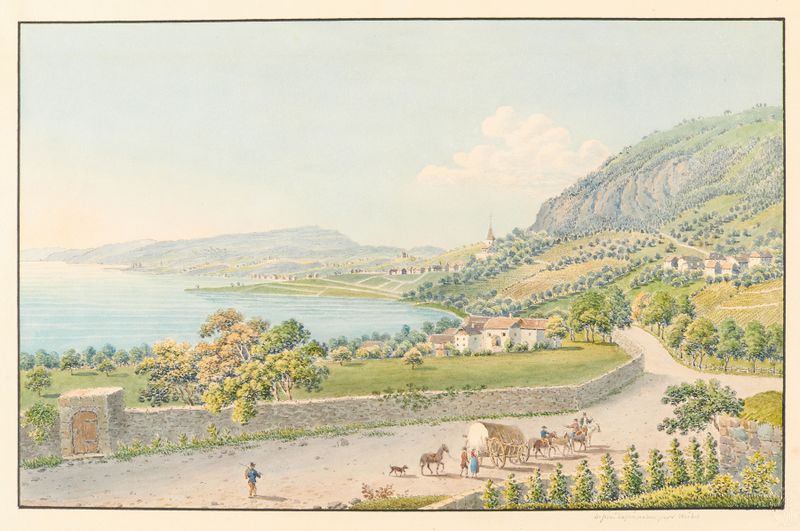
Vue des environs de Montreux et de Clarens
Jakob Samuel Weibel
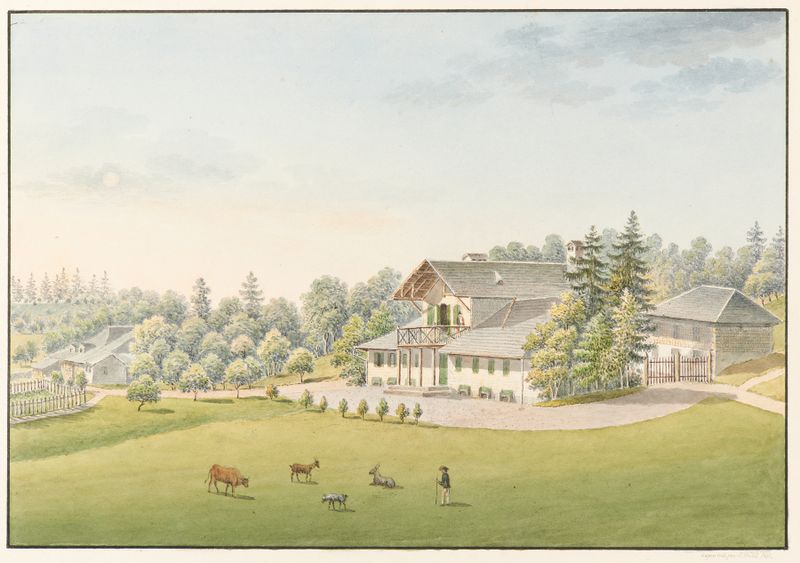
Vue du nouveau Châlet de Vernand
Jakob Samuel Weibel
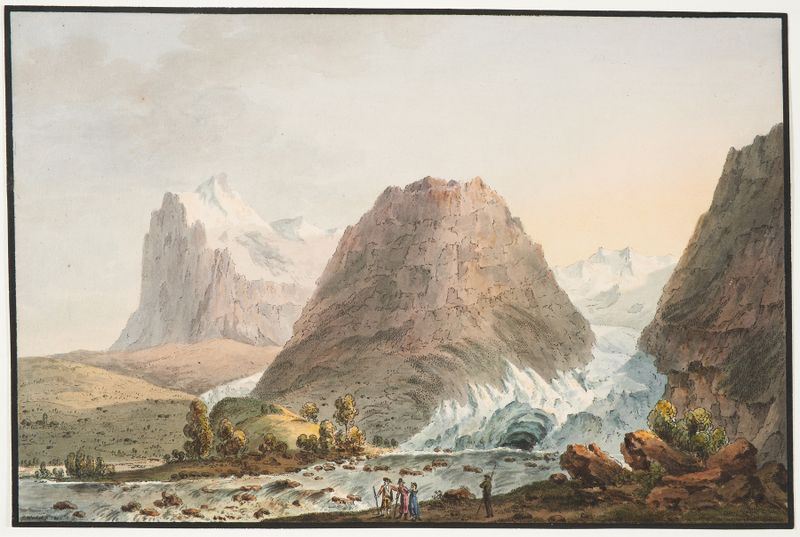
Vûe des Glacieres de Grindelwald
Jakob Samuel Weibel
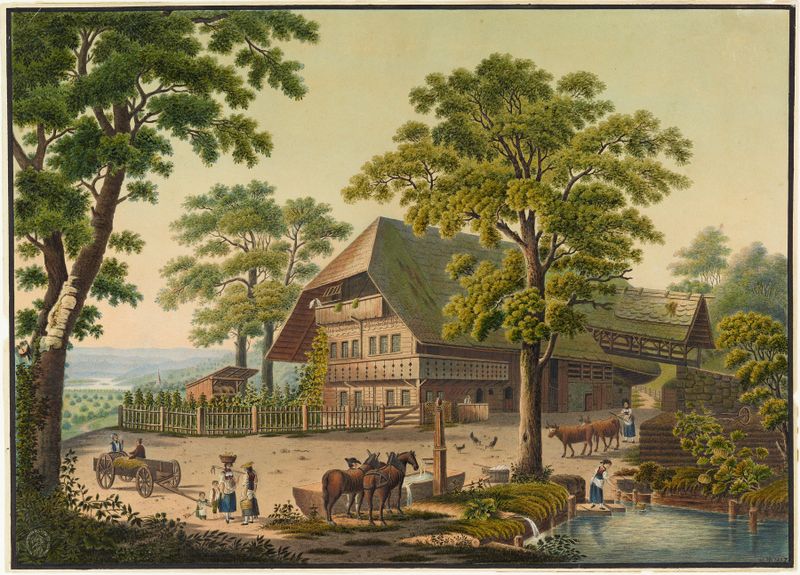
Maison de paysan près Wichtrach
Jakob Samuel Weibel
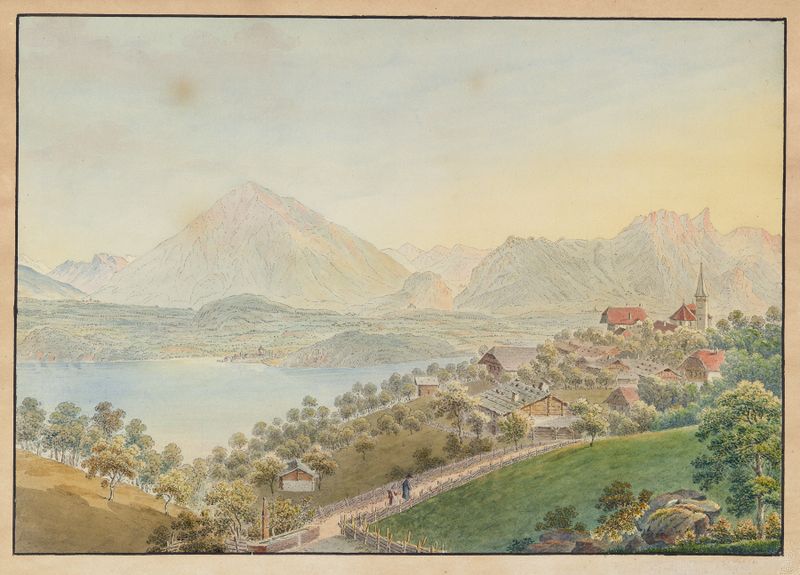
Ansicht von Sigriswil mit Niesen und Thunersee
Jakob Samuel Weibel
Ansicht Berns und der Aare vom Gurten aus
Jakob Samuel Weibel

Lausanne Ville capitale du Canton de Vaud
Jakob Samuel Weibel





