
Trachselwald — History & Facts
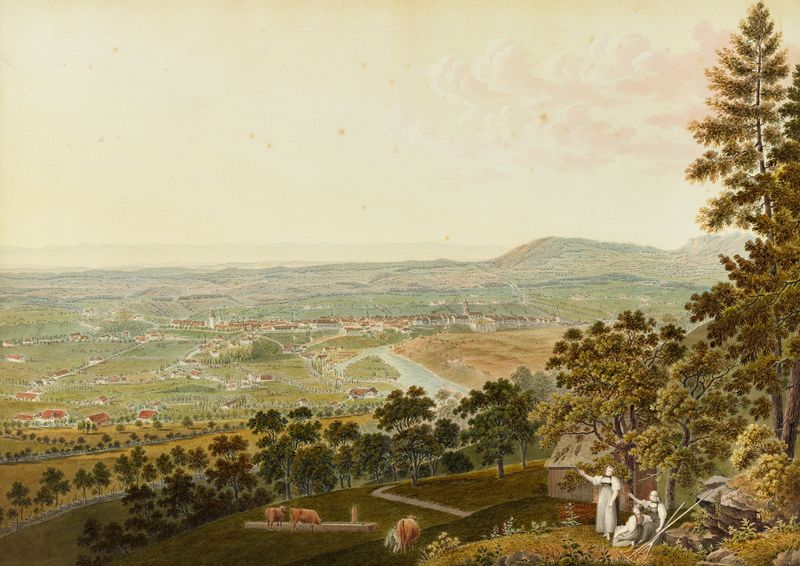
Can paint confess what words never could? It captures the unutterable in a dialogue of colors and shapes, inviting us to listen closely. Focus on the sprawling landscape that unfolds before you, where layers of greens and browns dance together. Notice how the brushstrokes vary, some bold and sweeping, while others are soft and whisper-like, creating a harmonious yet dynamic tension. The gentle play of light across the terrain reveals hidden valleys and distant hills, drawing the eye into an almost meditative state. Within this rich tapestry, a sense of awe emerges from the delicate balance between chaos and serenity.
The contrast between the vibrant foreground and the muted background evokes a feeling of transcendence, as if the viewer is witnessing a sacred moment in nature. Each stroke reflects not only the beauty of the scenery but also the quiet strength of the emotions it stirs within us, leading to contemplation and understanding. Created during an uncertain period in the artist's life, this work reflects Weibel's exploration of nature as both a subject and an emotional canvas. Though exact dates are unknown, it is likely that this piece emerged in the late 19th century, when the world was rapidly changing, and artists were searching for deeper meanings beyond the realities of modernity.
In this shifting landscape, Weibel found solace and inspiration, crafting a visual ode to the untouched beauty surrounding him.
More Artworks by Jakob Samuel Weibel
Browse all →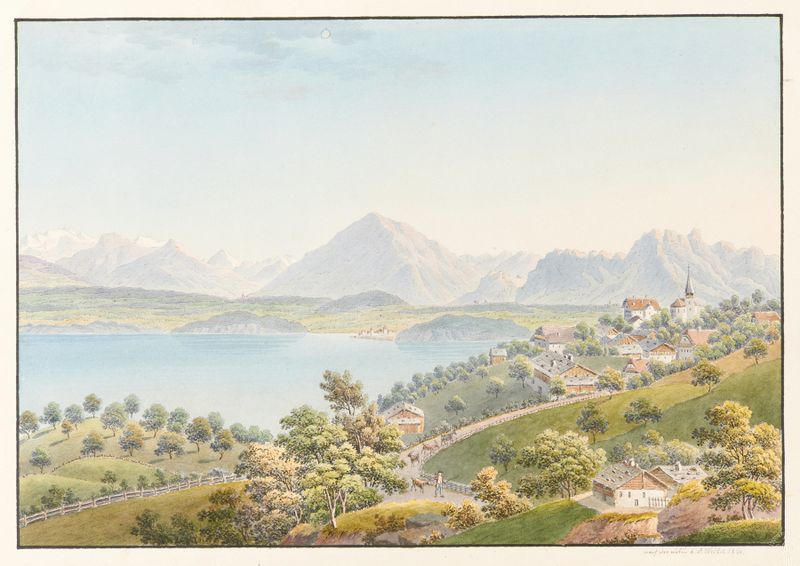
Vue dessiné depuis le Village de Sigriswil, audessus du Lac de Thoune
Jakob Samuel Weibel
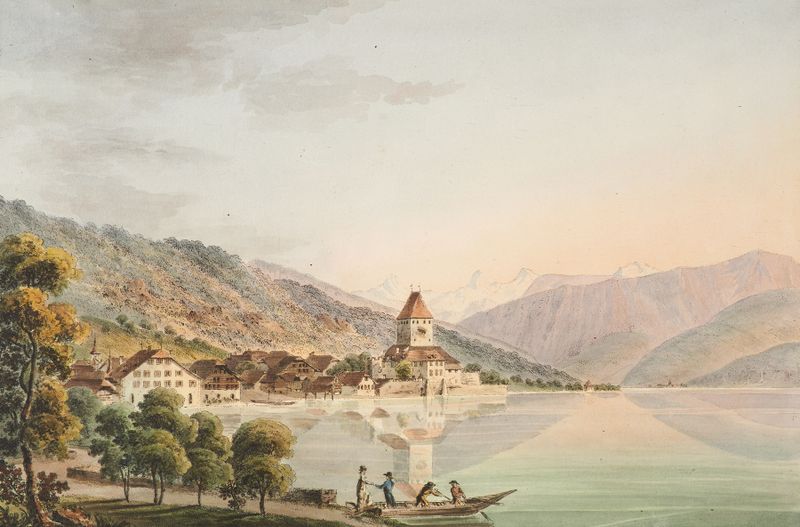
Vûe du Chateau d’Oberhofen au Lac de Thoune
Jakob Samuel Weibel
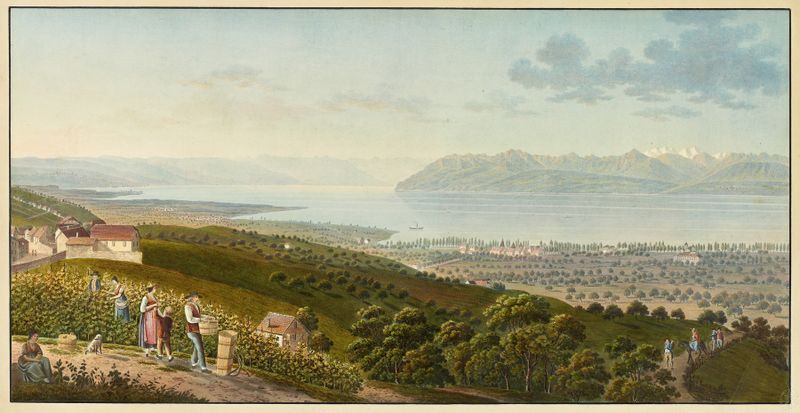
Vue genérale du Lac de Geneve
Jakob Samuel Weibel
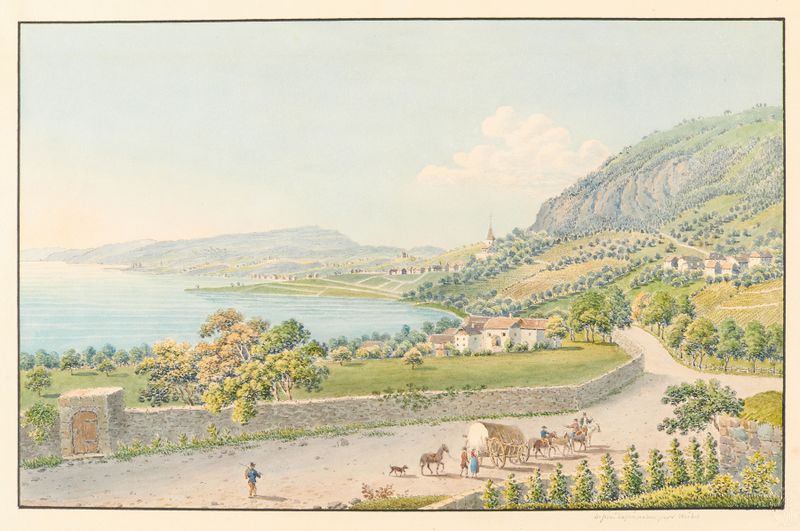
Vue des environs de Montreux et de Clarens
Jakob Samuel Weibel
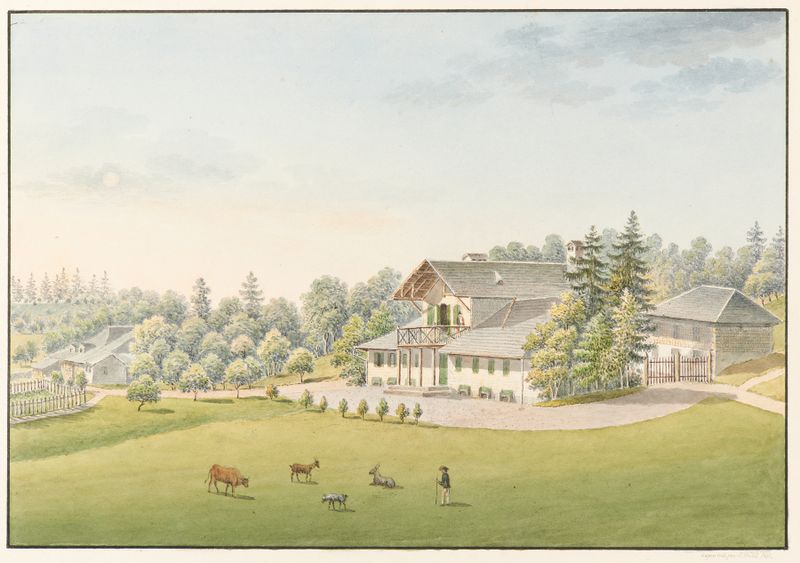
Vue du nouveau Châlet de Vernand
Jakob Samuel Weibel
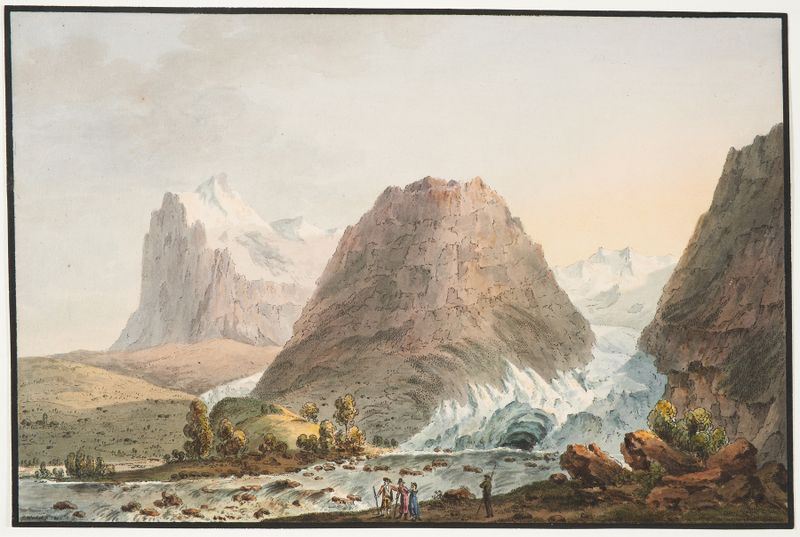
Vûe des Glacieres de Grindelwald
Jakob Samuel Weibel
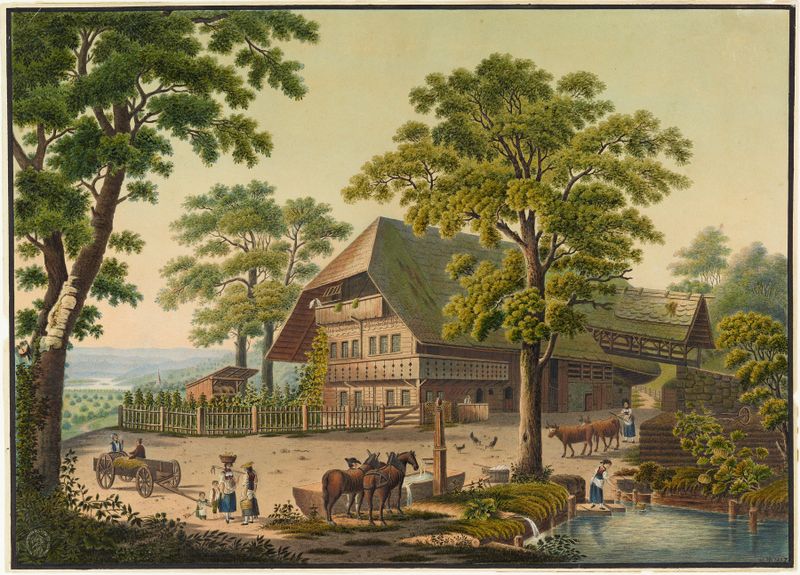
Maison de paysan près Wichtrach
Jakob Samuel Weibel
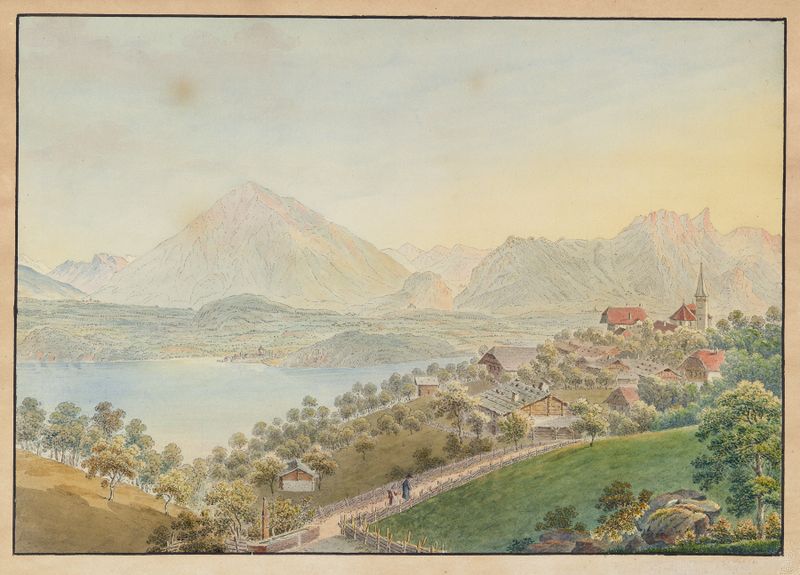
Ansicht von Sigriswil mit Niesen und Thunersee
Jakob Samuel Weibel
Ansicht Berns und der Aare vom Gurten aus
Jakob Samuel Weibel

Lausanne Ville capitale du Canton de Vaud
Jakob Samuel Weibel





