
Tragödie — History & Facts
In Tragödie, Gustav Klimt presents a striking composition filled with deep, rich colors. The painting features figures that embody themes of sorrow and despair, surrounded by intricate patterns and textures. The setting is both abstract and suggestive, creating a sense of depth and emotion.
The use of gold and vibrant hues enhances the overall impact of the work. The painting is executed in oil on canvas, a medium that allows for the lush textures and vibrant colors Klimt is known for. Viewers can observe the meticulous detail in the figures' expressions and the ornamental patterns that surround them. The dimensions are approximately 100 x 150 cm, making it a sizable work that demands attention.
Klimt's signature style is evident in the decorative elements and the emotional weight of the figures. Gustav Klimt, a prominent figure in the Symbolist movement, created Tragödie during a period marked by exploration of human emotions and the female form. This work reflects his fascination with the themes of tragedy and loss, often depicted through allegorical figures. An interesting fact about Tragödie is that it showcases Klimt's innovative use of gold leaf, a technique that became a hallmark of his later works.
This painting exemplifies his transition towards the more decorative and symbolic style he is celebrated for.
More Artworks by Gustav Klimt

The Kiss
Gustav Klimt
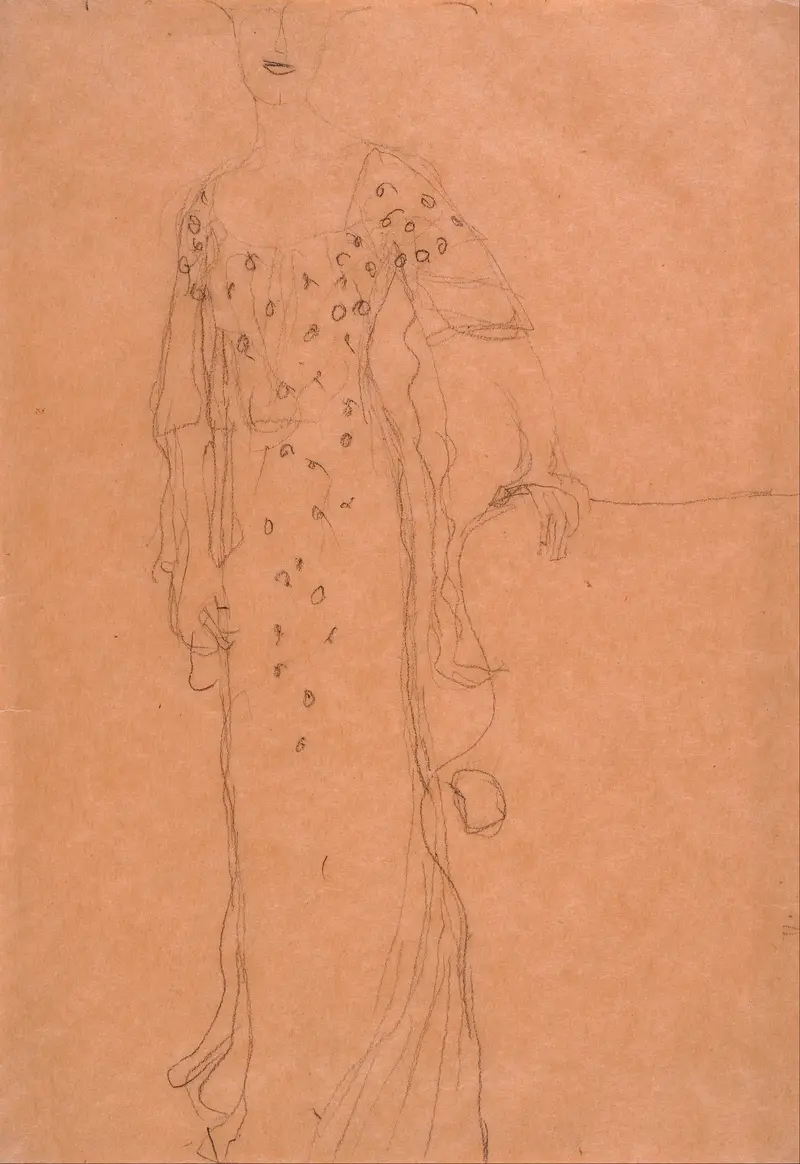
Study for Portrait of Adele Bloch-Bauer I
Gustav Klimt

Woman with fan
Gustav Klimt
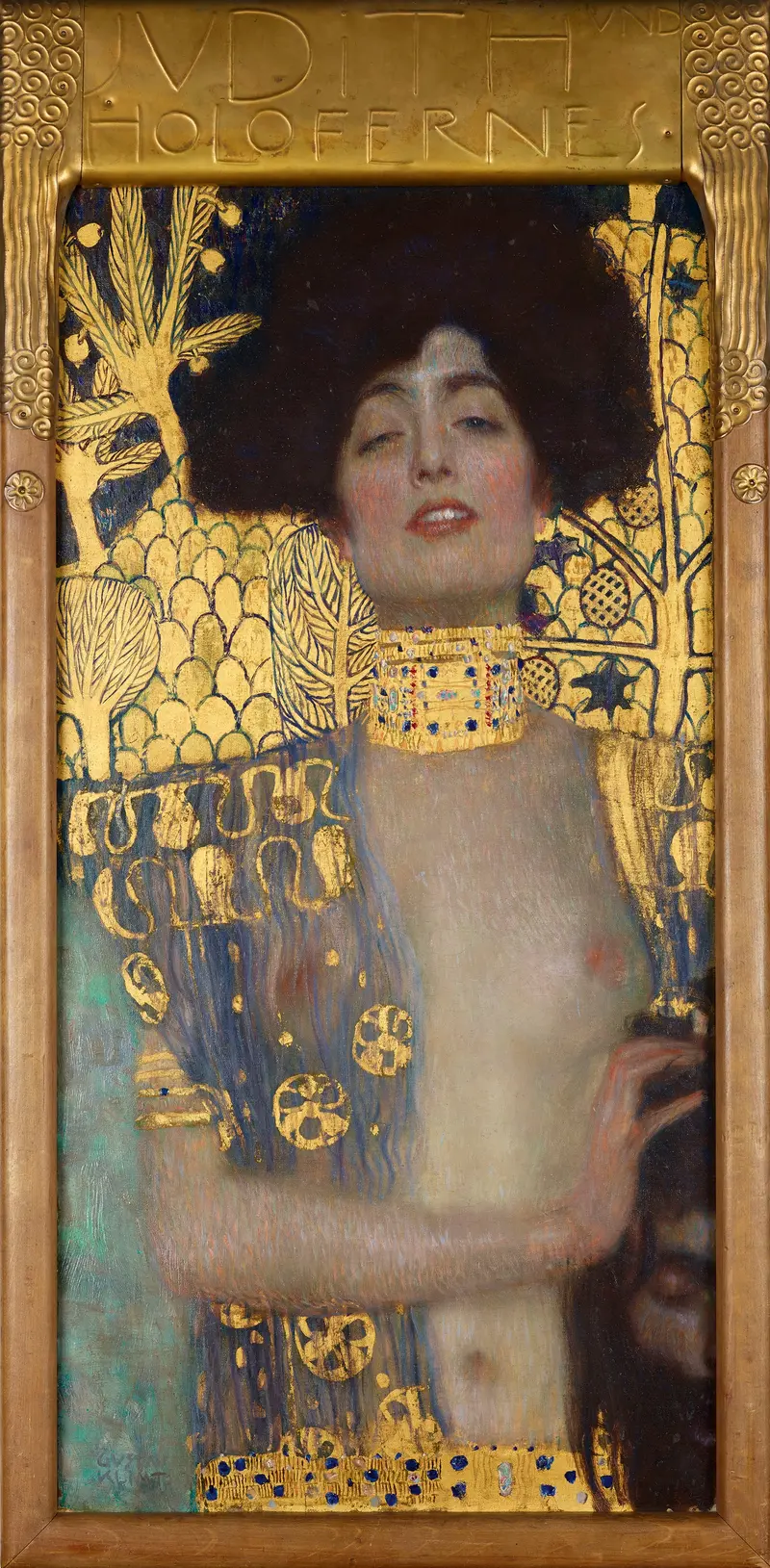
Judith
Gustav Klimt

Portrait of Adele Bloch-Bauer I
Gustav Klimt
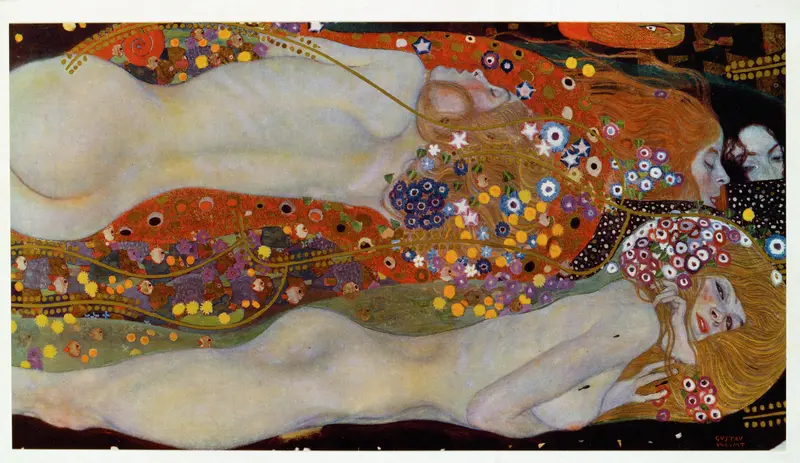
Water Serpents II
Gustav Klimt

Mäda Primavesi
Gustav Klimt

Portrait of Rose von Rosthorn-Friedmann
Gustav Klimt
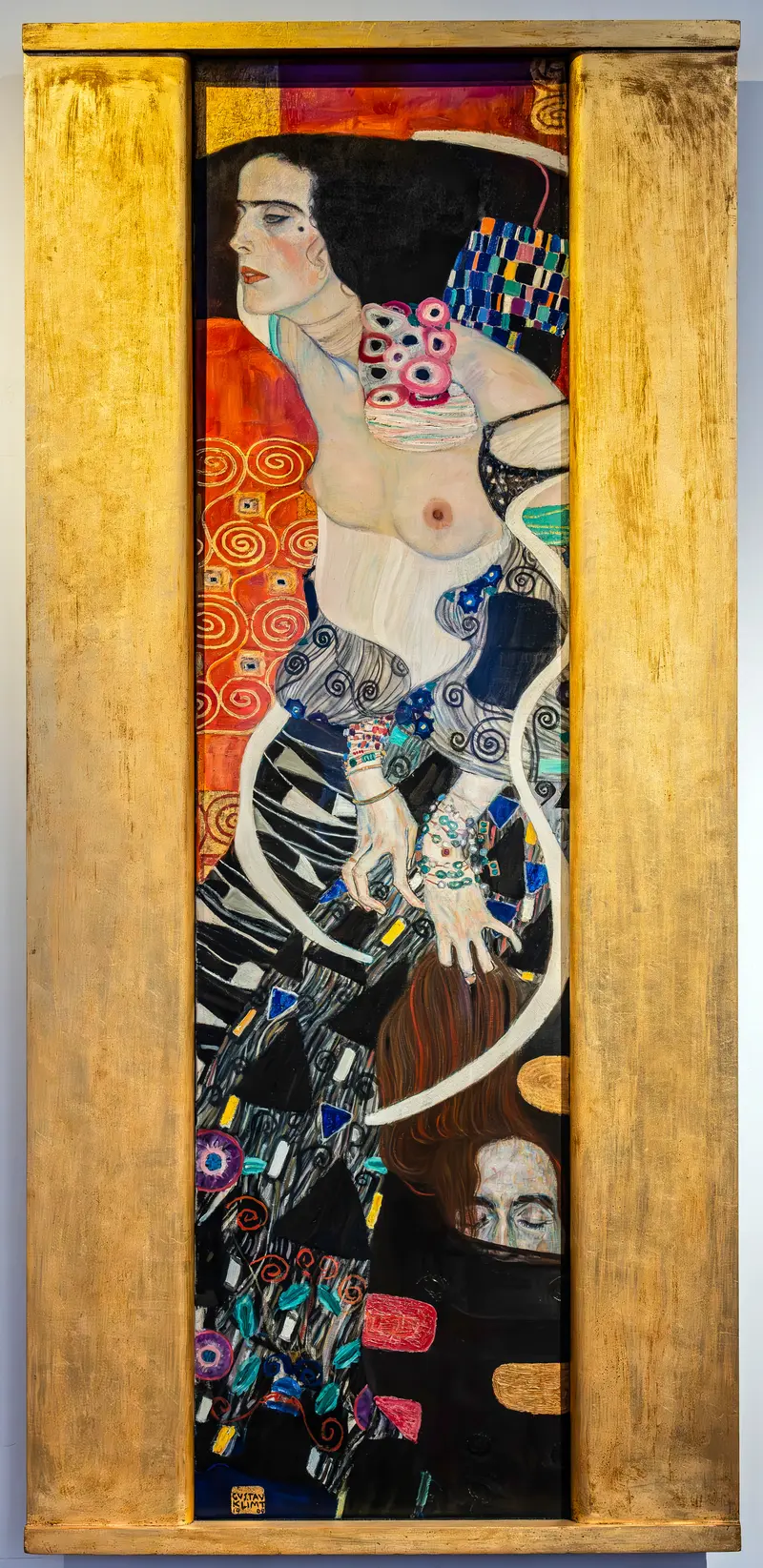
Judith II (Salome)
Gustav Klimt

The Three Ages of the Woman
Gustav Klimt





