
Tree — History & Facts
What secret hides in the quiet of the canvas? In a world where whispers of nature intertwine with the echoes of human emotion, a solitary tree stands resolute, a testament to the weight of loss and memory. Look to the center of the canvas, where the gnarled branches stretch outward, their twisted forms beckoning your gaze. The muted earth tones envelop the scene, a rich palette of browns and greens that evoke both warmth and melancholy. Notice how the light filters through the foliage, casting delicate shadows on the ground, creating a dappled effect that dances with the breeze.
Each stroke reveals the artist's masterful technique, where texture and color converge to tell a deeper story. Beneath the surface, the tree becomes a metaphor for resilience amid sorrow. Its sturdy trunk symbolizes endurance, while the sparse leaves hint at changes that have come — perhaps a reflection of loss in the face of time's relentless passage. The stillness of the scene invites contemplation, urging viewers to ponder what memories cling to the bark, what stories are whispered in the rustling leaves.
Here, the contrast between the vitality of the tree and the absence of life around it speaks volumes about longing and solitude. In 1887, at a time when Ladislav Mednyánszky was deeply immersed in the natural world around him, this piece emerged from his explorations in Hungary. Straddling realism and impressionism, he sought to capture not just landscapes but the emotional resonance found within them, as art reflected the changing tides of society and the personal struggles he faced in his own life.
More Artworks by Ladislav Mednyánszky
Browse all →
Winter Landscape
Ladislav Mednyánszky
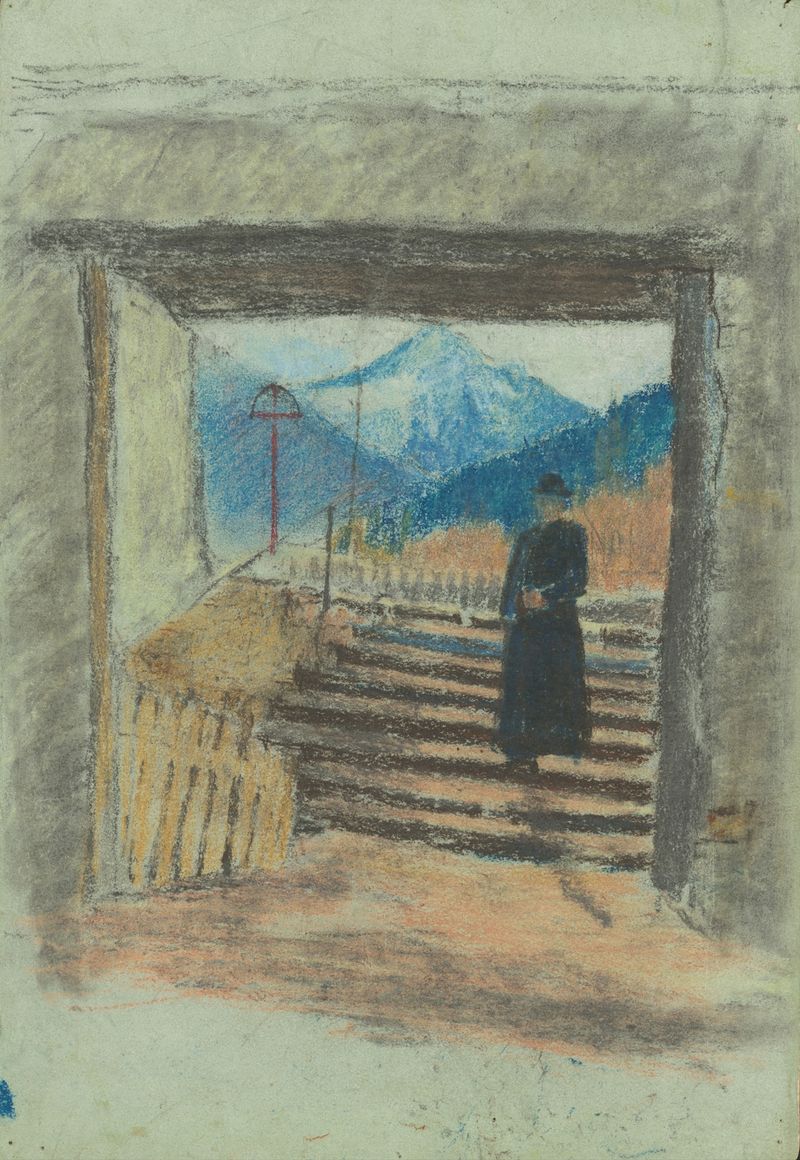
Out of Cemetery
Ladislav Mednyánszky

Lomnický Peak
Ladislav Mednyánszky

Nad riekou
Ladislav Mednyánszky
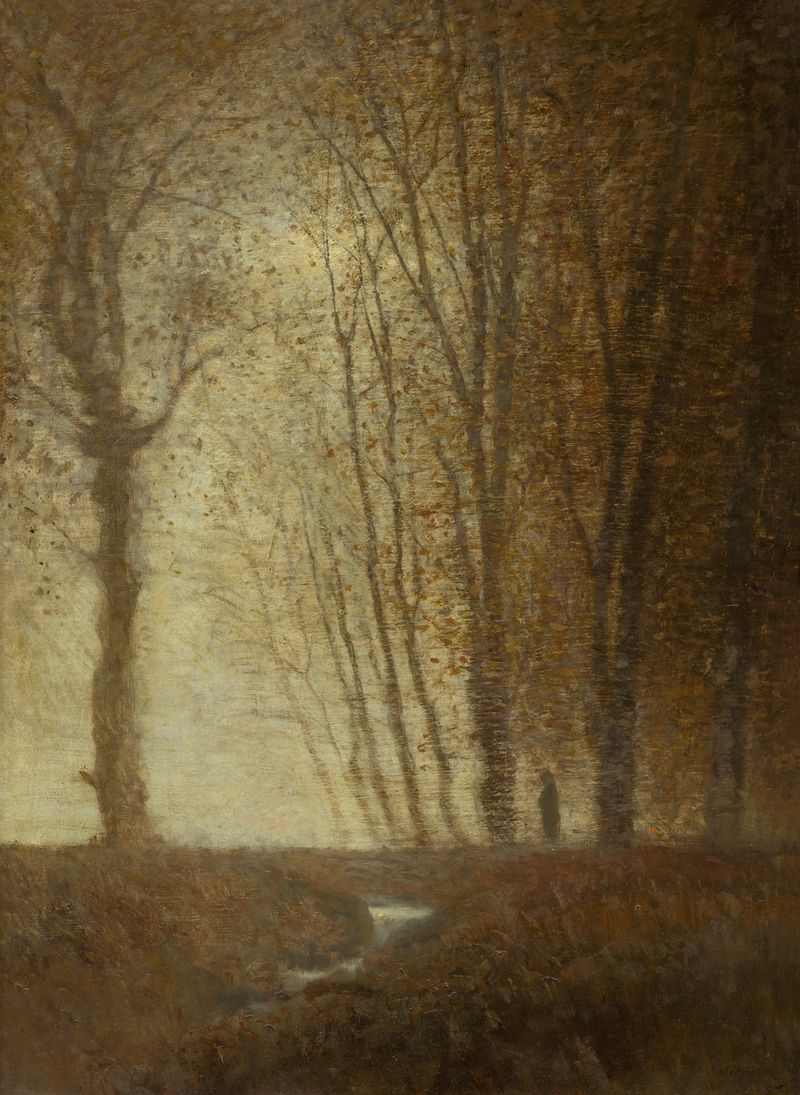
Edge of the Forest in the Moonlight
Ladislav Mednyánszky

View of the Ruins of Súľov
Ladislav Mednyánszky

Landscape with a Lake
Ladislav Mednyánszky
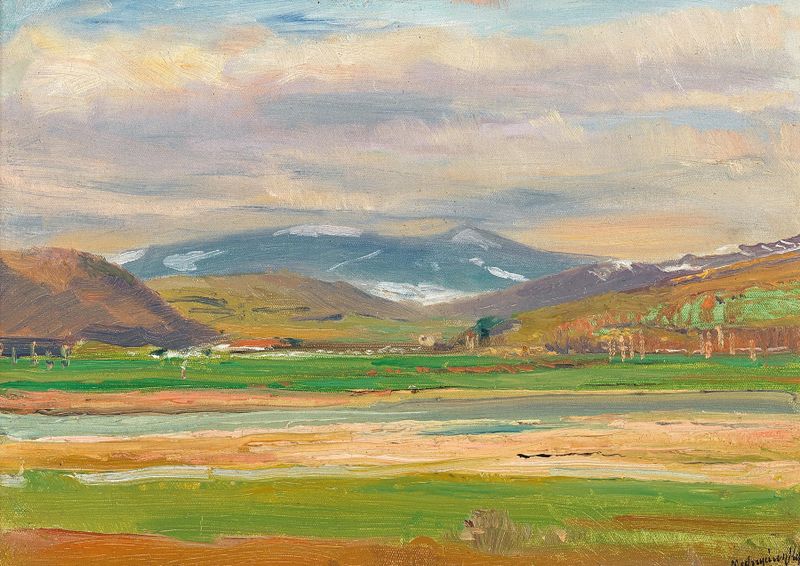
A Spring Landscape at the Foot of the Tatras
Ladislav Mednyánszky

A Wintry Forest
Ladislav Mednyánszky
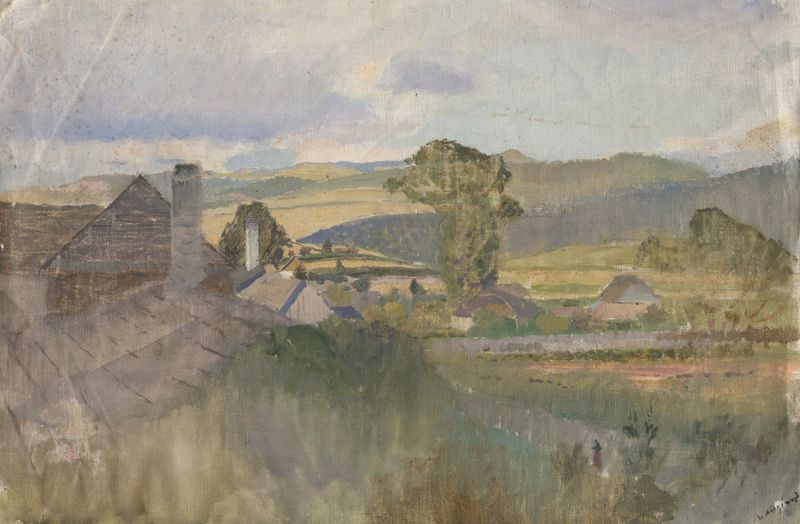
Village below the Tatras
Ladislav Mednyánszky





