
Tree Study — History & Facts
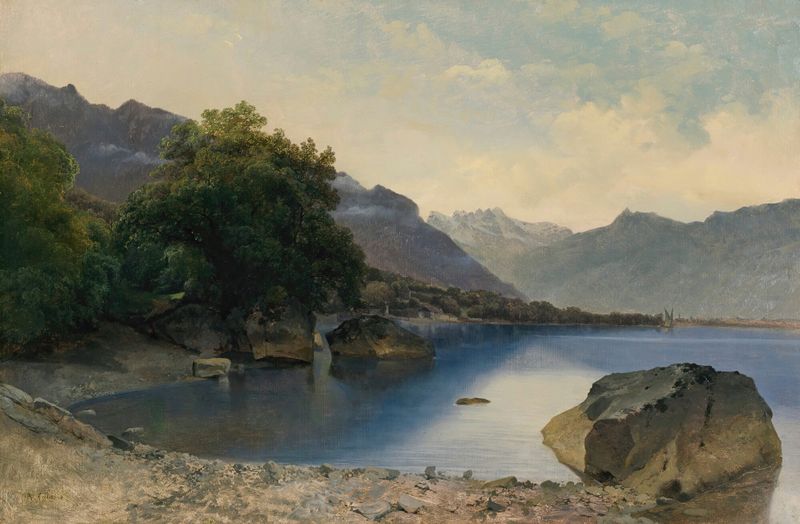
In the midst of apparent tranquility, chaos quietly murmurs beneath the surface of nature. Look to the center of the canvas where a grand tree stands resolute, its gnarled branches reaching out like a wise guardian. The artist’s brushwork captures each leaf, each knot in the wood, with meticulous detail, inviting the viewer to wander through this serene yet complex landscape. Notice how the play of light filters through the foliage, creating a dappled effect that suggests both illumination and shadow—a reminder of the duality inherent in all living things. Within the vibrant greens and earthy browns lies a contemplative tension.
The tree, while a symbol of stability, also conveys a sense of isolation, as if it's both sheltering and confined by its own roots. The chaos spills into the scene through the dynamic way branches twist and turn, reflecting a struggle against the very forces that sustain it. This duality evokes a deeper contemplation of the natural order—a constant push and pull between structure and disorder. Alexandre Calame painted this work during a period of significant change in Europe, particularly in Switzerland, where he was based.
Between 1830 and 1864, the art world was evolving rapidly, moving towards Romanticism, which emphasized emotion, nature, and individuality. Calame’s dedication to landscape painting marked a departure from traditional themes, reflecting the growing interest in portraying nature's complexities and the artist's personal connection to the chaotic beauty of the world around him.
More Artworks by Alexandre Calame
Browse all →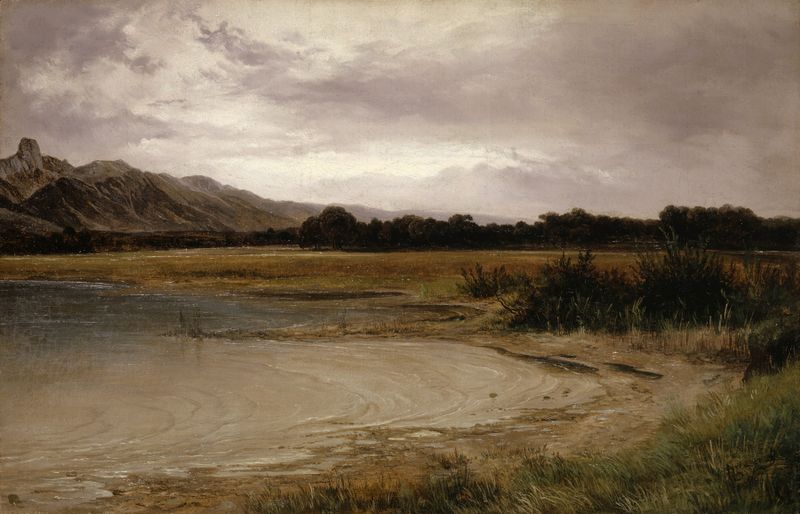
By the Lake of Thun
Alexandre Calame
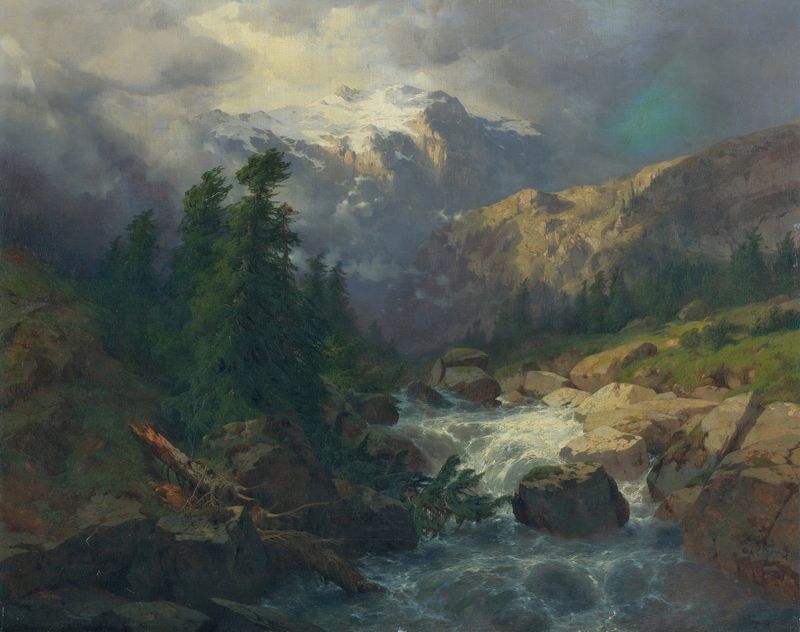
Souvenir Handeck, Stormy Weather
Alexandre Calame
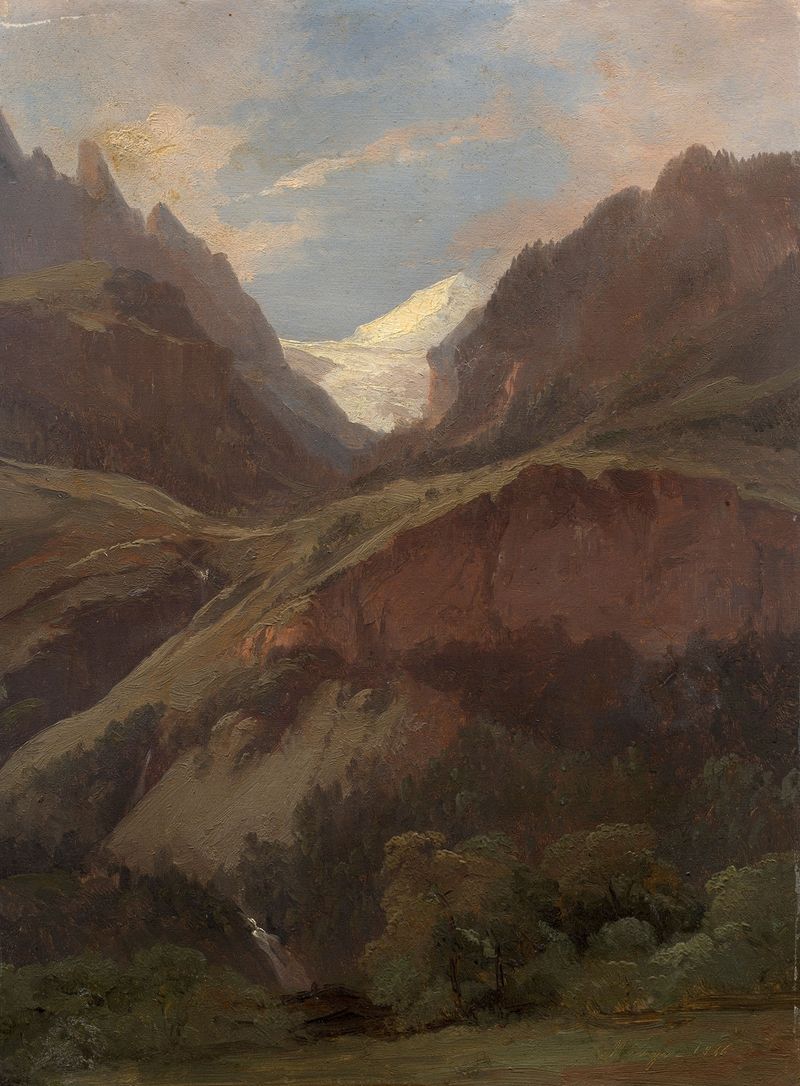
View of the Wetterhorn and the Reichenbach from Meiringen
Alexandre Calame
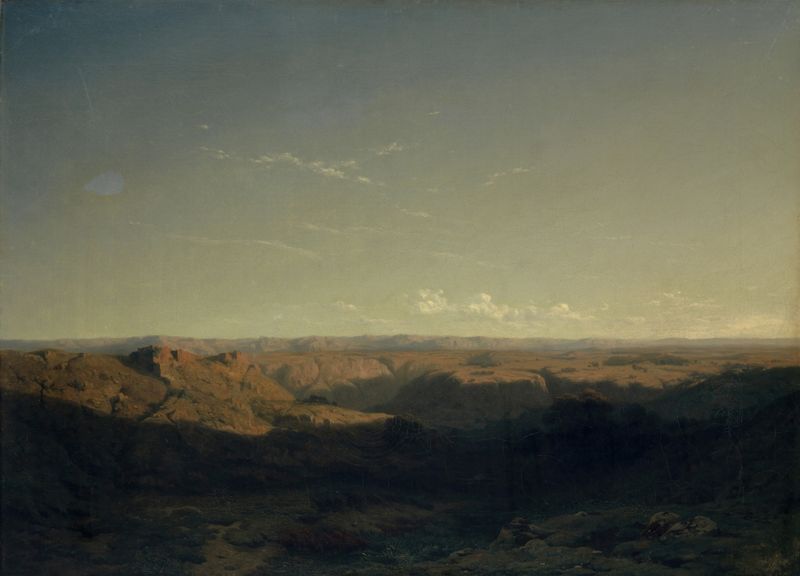
Southern Mountain Landscape
Alexandre Calame
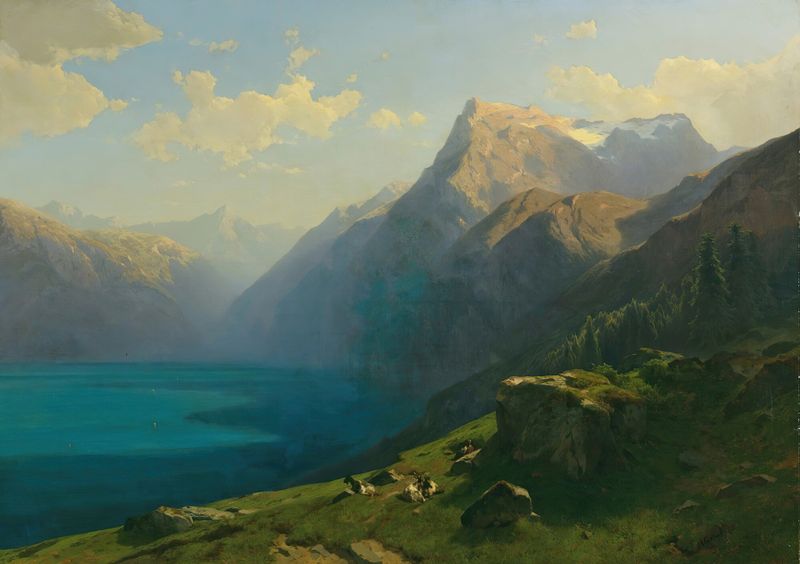
View Of Lake Lucerne From Seelisberg
Alexandre Calame
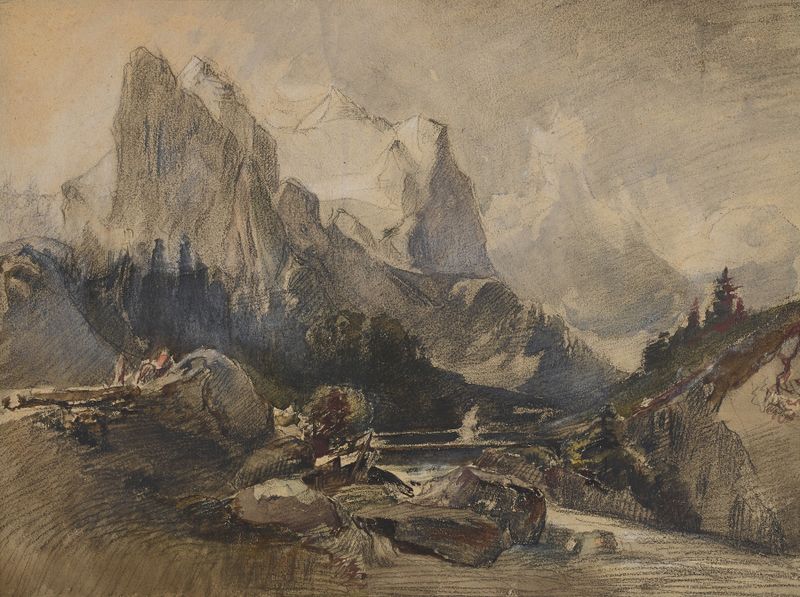
Das Wetterhorn im Berner Oberland
Alexandre Calame
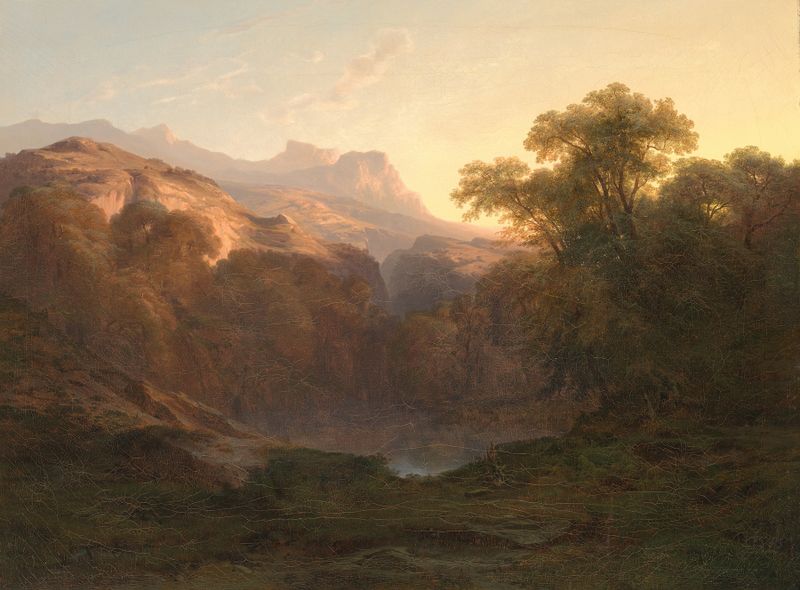
Mountain scenery
Alexandre Calame
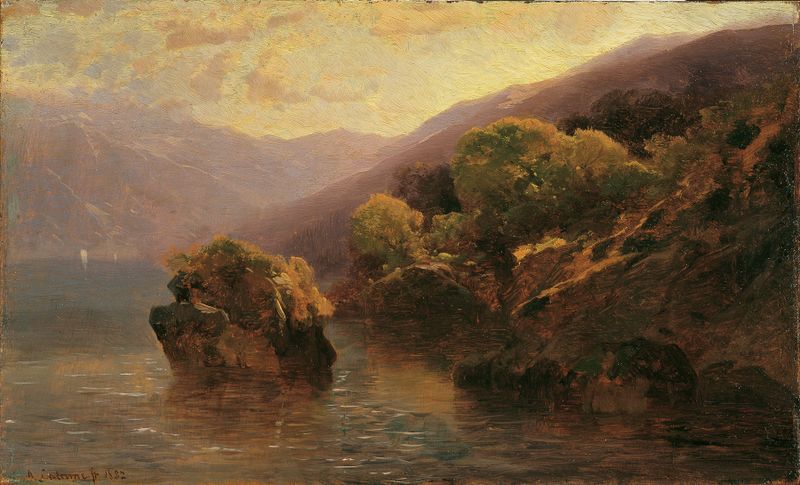
Partie vom Genfer See
Alexandre Calame
Petite Baie Du Lac Léman Près De Chillon
Alexandre Calame

Swiss Landscape
Alexandre Calame





