Discover insights about this artwork
Trees in Sankt Blasien — History & Facts
Within the soft embrace of nature, grief lingers like a whisper, hidden beneath the vibrant hues of life. Look to the center, where the towering trees stand sentinel, their textured bark a testament to time’s passage. Notice how the green leaves dance lightly in the wind, each brushstroke revealing Thoma's meticulous craftsmanship. The warm golden light filters through the foliage, casting a gentle glow that invites you to explore the intricate details of this landscape.
Meanwhile, the cool shadows beneath the trees provide a stark contrast, hinting at the depths of sorrow and nostalgia that coexist with the beauty of the scene. In the play of light and shadow, there exists a profound tension between joy and melancholy. The trees, while resplendent, seem to cradle untold stories, memories entwined in their roots. The interplay of vibrant greens and somber browns suggests a harmonious yet fragile balance between life’s beauty and its inherent sadness, encapsulating the emotion of a longing for what once was, allowing viewers to reflect on their own experiences of loss and remembrance. Created in 1870, this work emerged during a pivotal time for Hans Thoma, an artist deeply rooted in the landscape of the Black Forest.
As he sought to evoke the spiritual connection to nature, his artistic evolution coincided with the broader Romantic movement, which revered the emotional weight of the natural world. Amidst personal challenges and the shifting art scene, Thoma found solace in depicting the profound relationship between beauty and grief, emblematic of both his inner turmoil and the zeitgeist of his era.
More Artworks by Hans Thoma
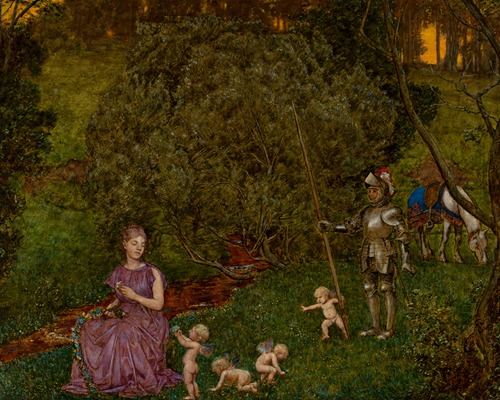
Fable – Knight
Hans Thoma
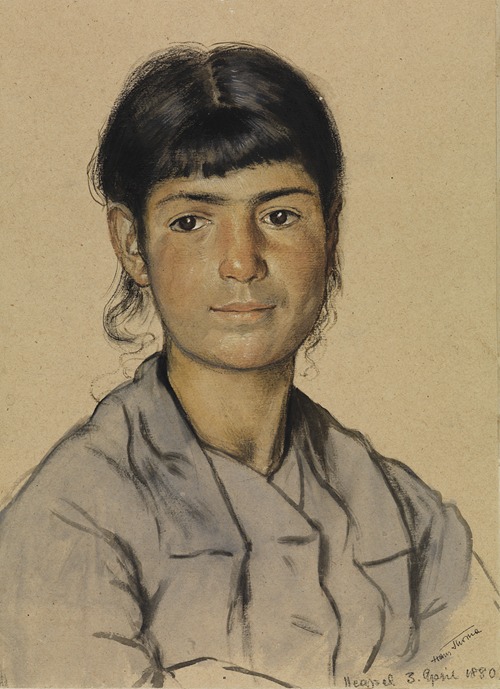
Portrait of a young Neapolitan woman
Hans Thoma
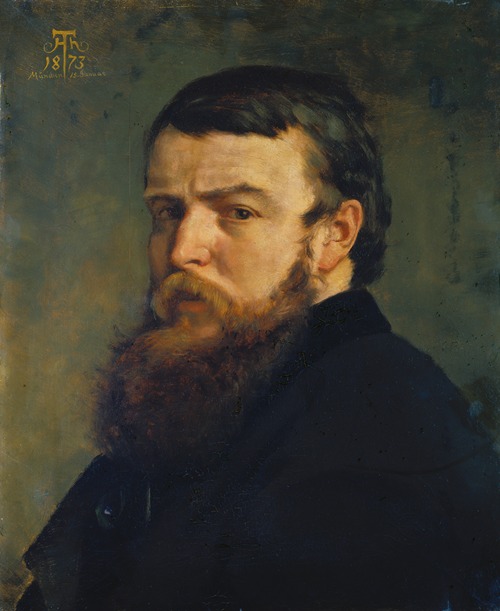
Self-Portrait from Munich
Hans Thoma
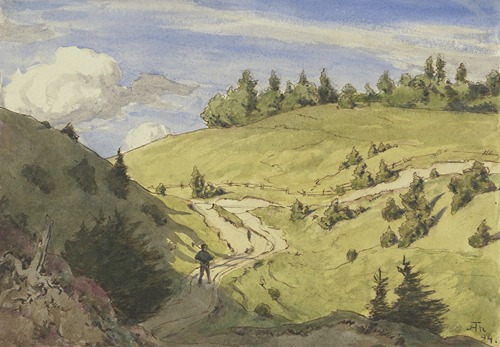
Landscape in the Black Forest
Hans Thoma
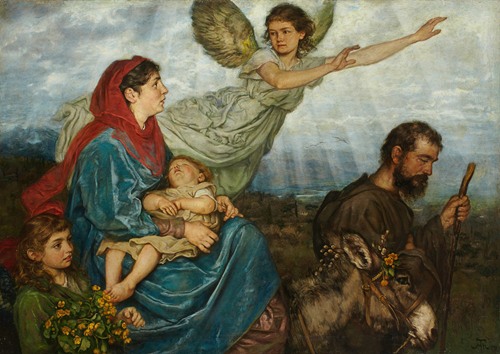
The Flight into Egypt
Hans Thoma
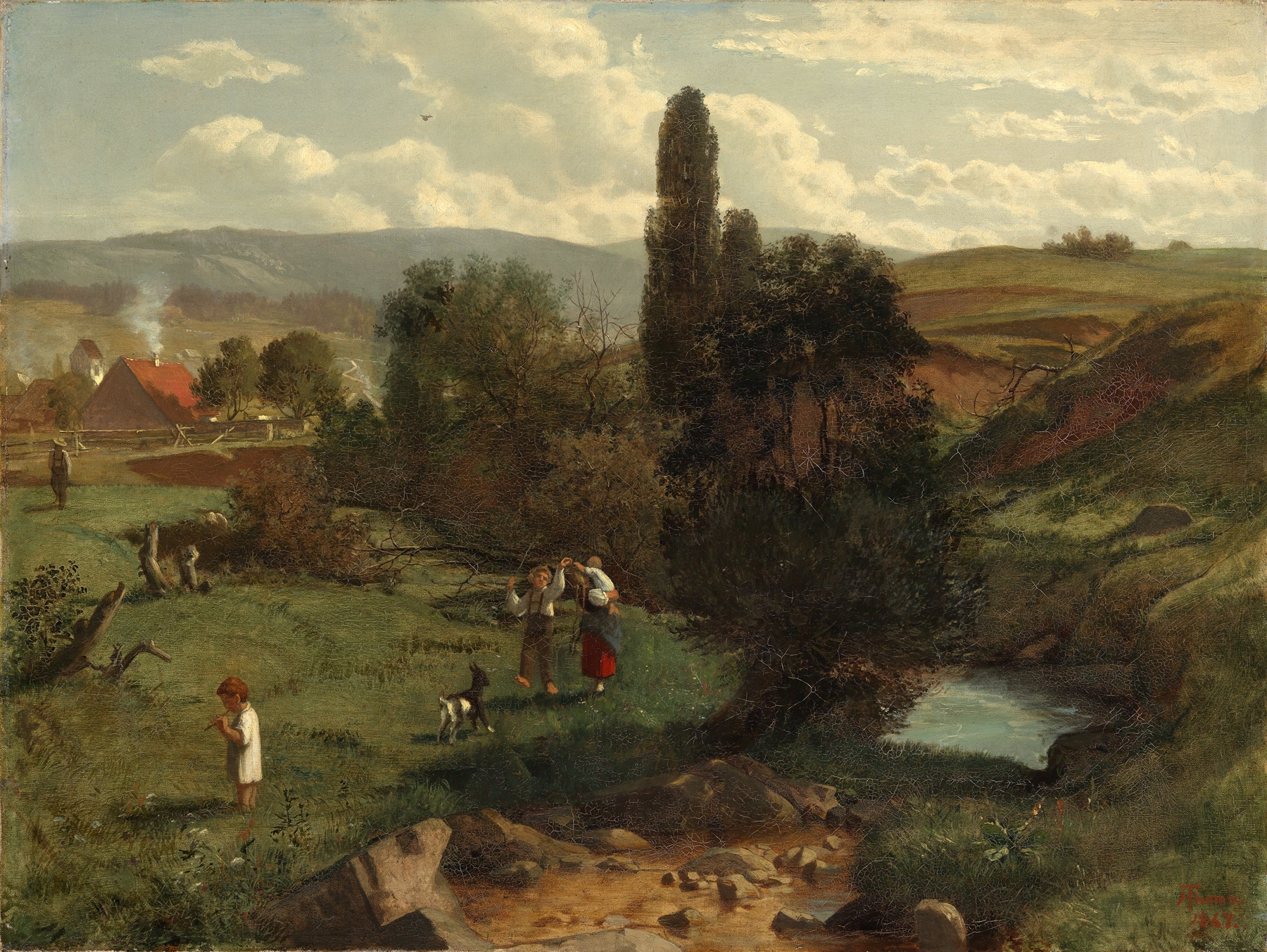
Schwarzwaldlandschaft
Hans Thoma
Black Forest Meadow near Bernau
Hans Thoma
Evening by the Nidda River
Hans Thoma
Regen im Schwarzwald
Hans Thoma
Schwarzwaldbach
Hans Thoma