
Trees in the Szczawnik valley — History & Facts
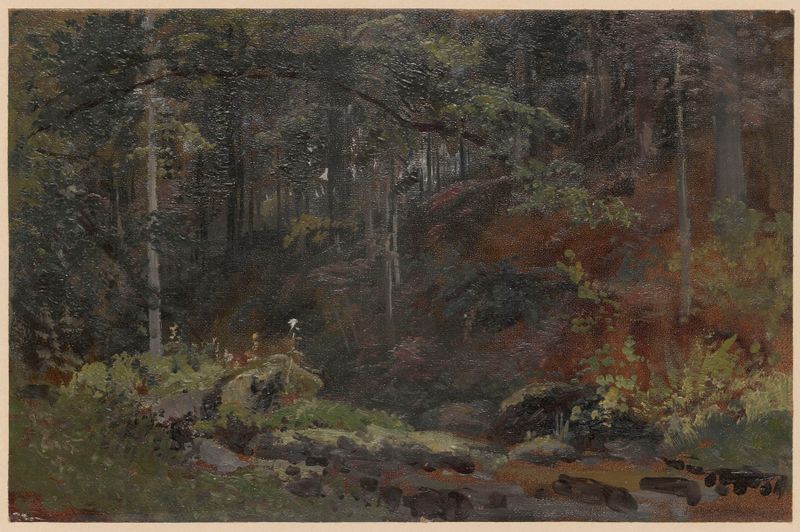
Could beauty survive in a century of chaos? Amidst the turmoil of the 19th century, Trees in the Szczawnik Valley encapsulates a haunting stillness, inviting introspection against a backdrop of profound emptiness. Look to the center of the composition, where a cluster of trees rises majestically, their gnarled branches reaching out like fingers grasping for solace. The palette is a delicate interplay of greens and browns, underscored by the soft golden hues of a sun setting on the horizon. The careful brushstrokes give a sense of texture to the bark, while the leaves flutter gently, capturing the fleeting moment of gentle breezes.
Each element is rendered with a quiet precision, directing your gaze toward the serene yet desolate valley that stretches out beneath them. The emotional core of the painting lies in the juxtaposition of life and desolation. The vibrant trees, symbols of resilience, stand in stark contrast to the emptiness surrounding them, evoking a sense of solitude amid the vastness. Hidden within the shadows of the valley, one may discern hints of a once-thriving landscape now reduced to mere memory, suggesting the passage of time and the loss that accompanies it.
This tension between vitality and void creates a poignant reflection on existence itself. Adolf Dressler painted this work during a transformative period in his life, between 1850 and 1881, while residing in Poland. During this time, the political landscape was fraught with upheaval, marked by national struggles and shifting artistic movements. This work reflects not only his personal evolution as an artist but also mirrors the broader turmoil and contemplation of beauty in a world wrestling with chaos.
More Artworks by Adolf Dressler
Browse all →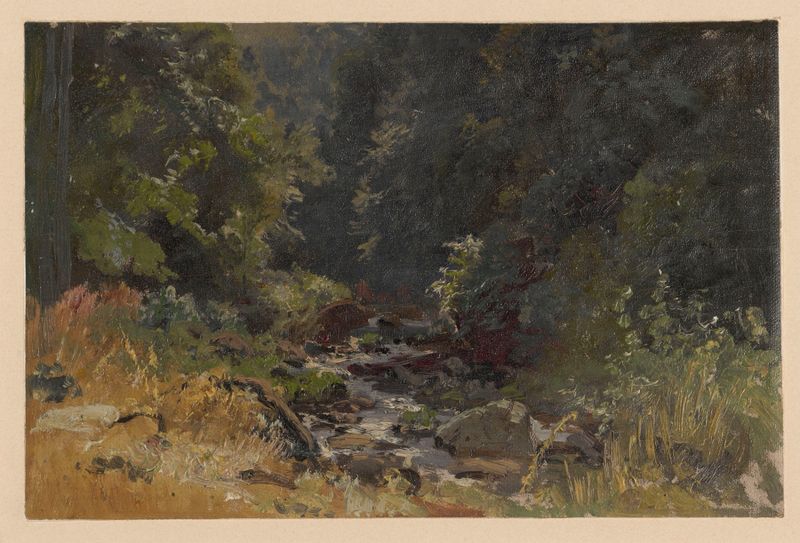
The Pełcznica Stream
Adolf Dressler
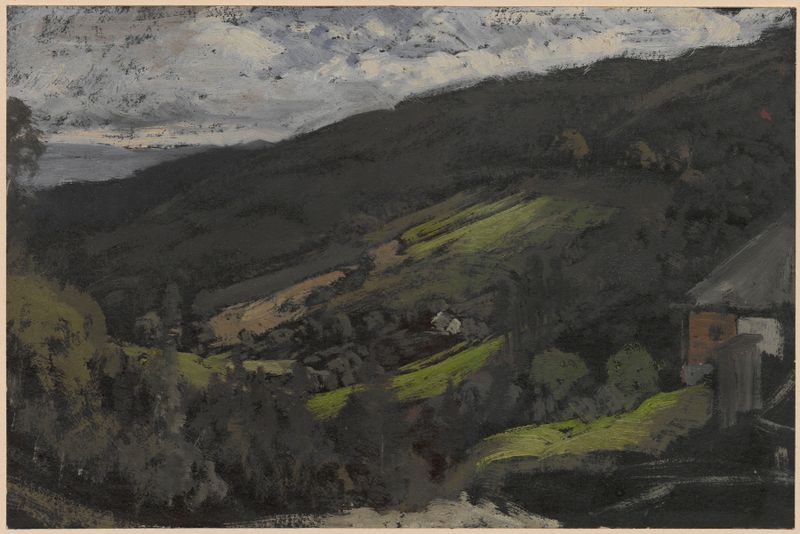
View of Przesieka
Adolf Dressler

By the River Barycz
Adolf Dressler
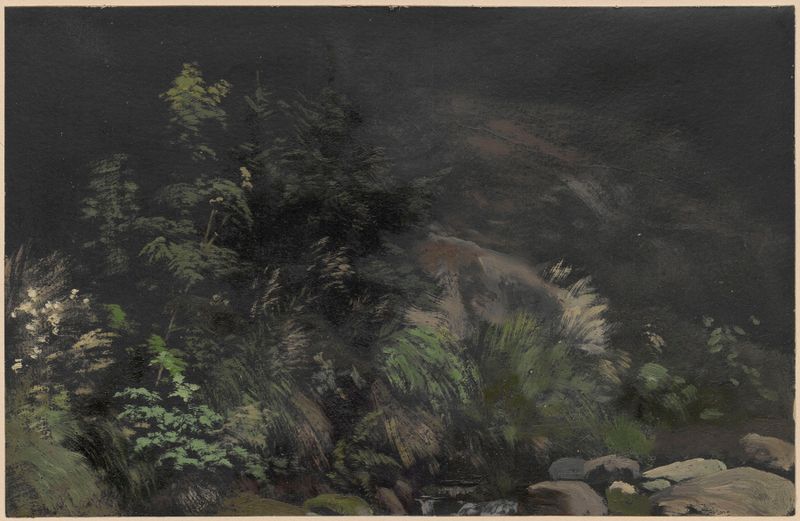
Plants on rocks
Adolf Dressler

Trees in a meadow near Jelcz
Adolf Dressler
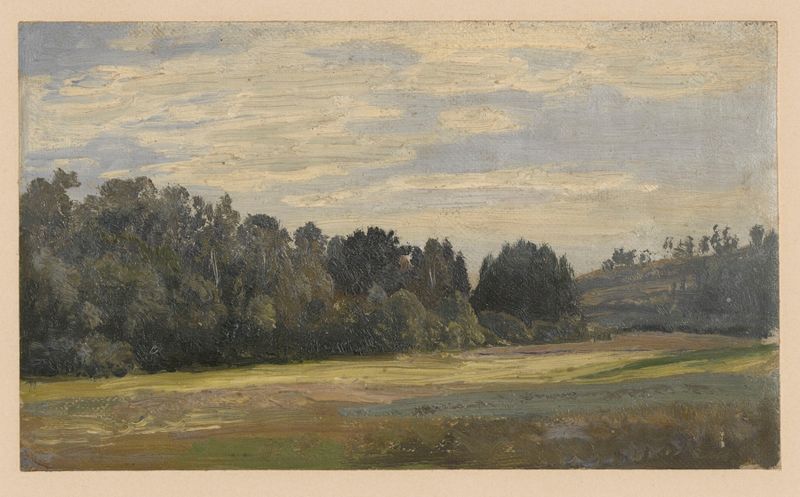
Landscape near Trzebnica
Adolf Dressler

The River Czyżynka valley near the Cisy Castle
Adolf Dressler
Forest stream II
Adolf Dressler
Landscape by the River Barycz.
Adolf Dressler

Rocky slope with a stream
Adolf Dressler





