
Trilby, the Fairy of Argyle — History & Facts
What first draws the eye in Trilby, the Fairy of Argyle is the gentle embrace of a fairy, her delicate form perched on the shoulder of a serene woman. The fairy’s arms curl protectively around the woman’s neck, her face pressed close in a gesture of affection or whispered counsel. Behind them, sweeping lines suggest wings or perhaps the folds of a fantastical plaid, radiating outward and framing the pair in an almost theatrical spotlight.
The thistle motifs anchoring either side evoke both the Scottish setting and a sense of the wild, while the limited palette of deep, wine-red ink against cream paper lends the image a dreamlike quiet. Every line seems to draw the viewer closer, inviting speculation about the bond between these two figures—are they companions, protector and muse, or simply two halves of a single reverie? This work belongs to a world where posters and book covers were not just advertisements but invitations to another realm. Created by Ethel Reed, whose style helped define American Art Nouveau, the image speaks to a moment when publishers and artists collaborated to make literature visually irresistible.
The swirling organic forms and stylized text reflect the late nineteenth-century taste for the decorative, a time when women artists like Reed were carving out space in commercial art. Though little is recorded about this specific piece beyond its presence in the Boston Public Library’s collection, its bold design and tender subject recall the era’s hunger for fantasy and the supernatural. The longer you look, the more the embrace at the center seems to promise secrets just out of reach.
More Artworks by Ethel Reed
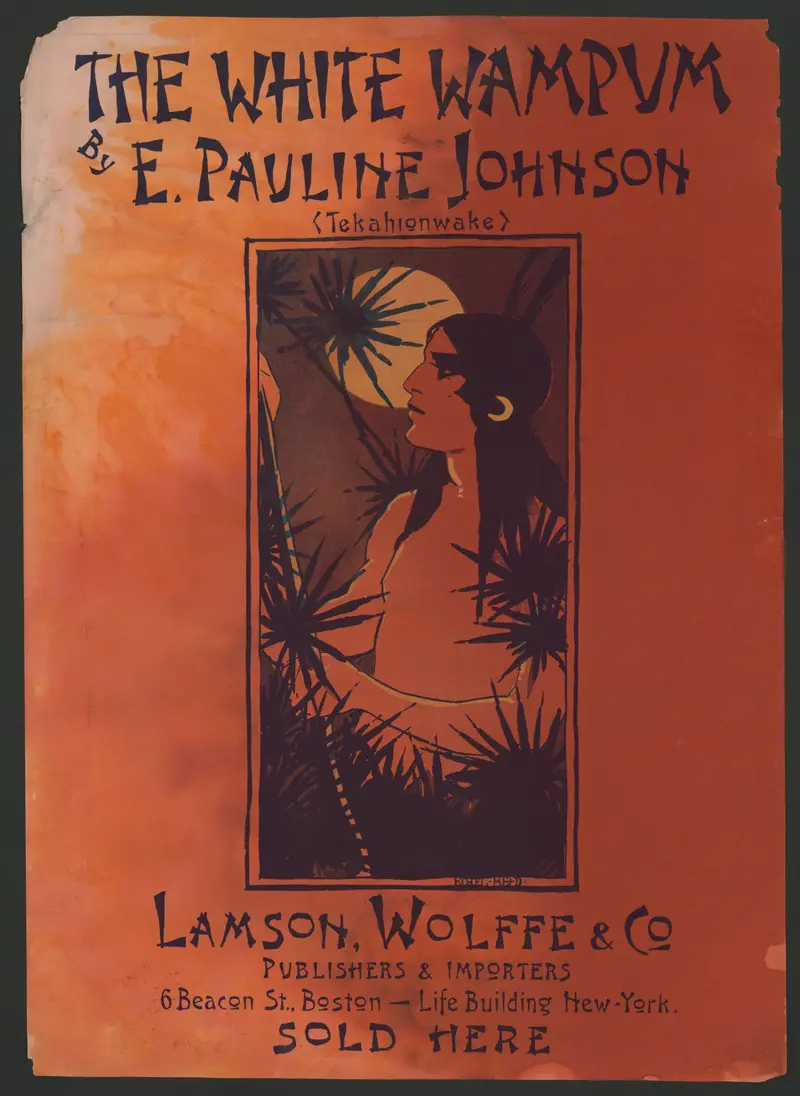
The White Wampum
Ethel Reed
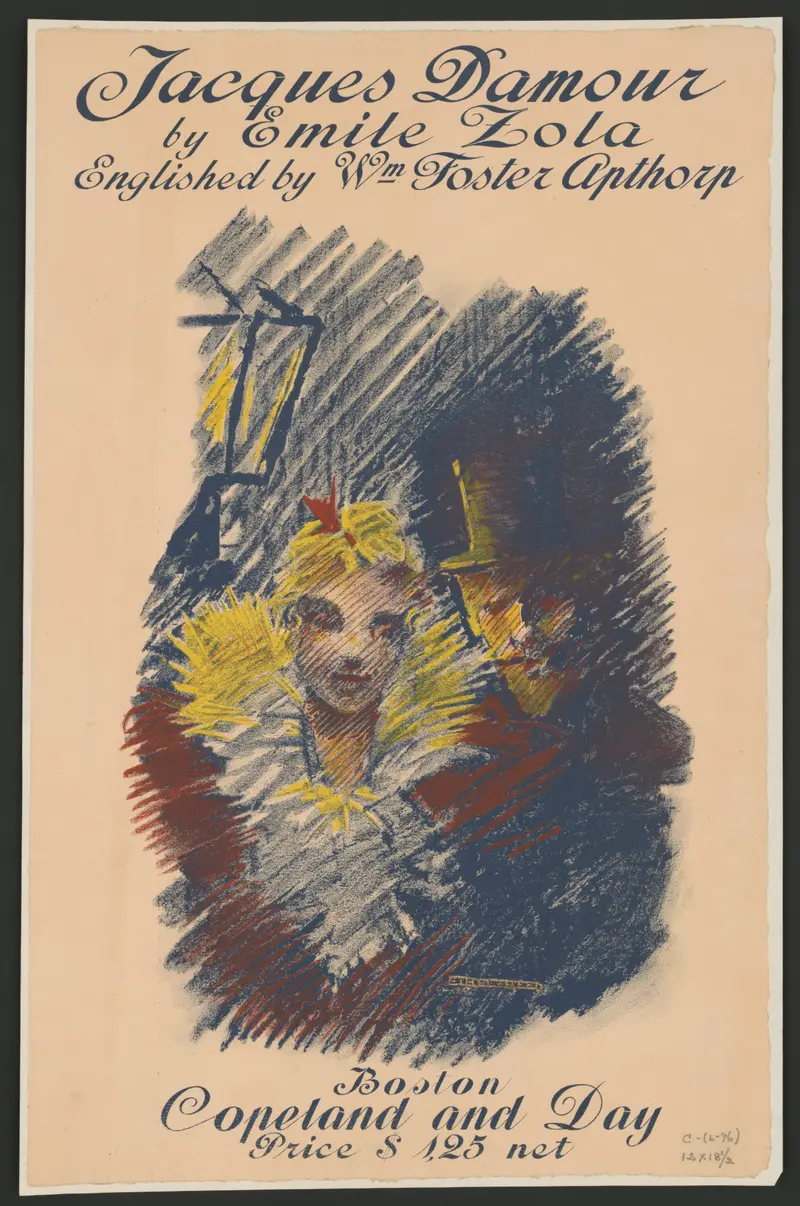
Jacques Damour
Ethel Reed
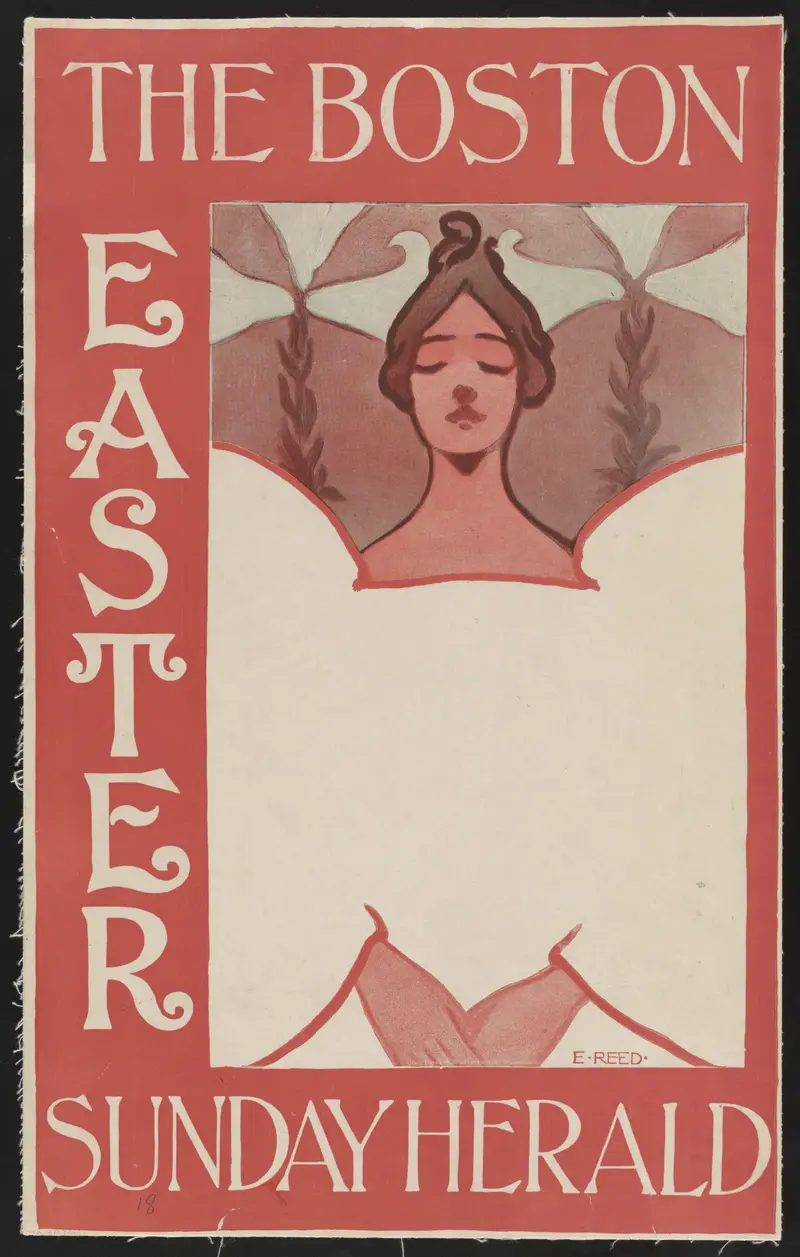
The Boston Sunday Herald: Easter
Ethel Reed
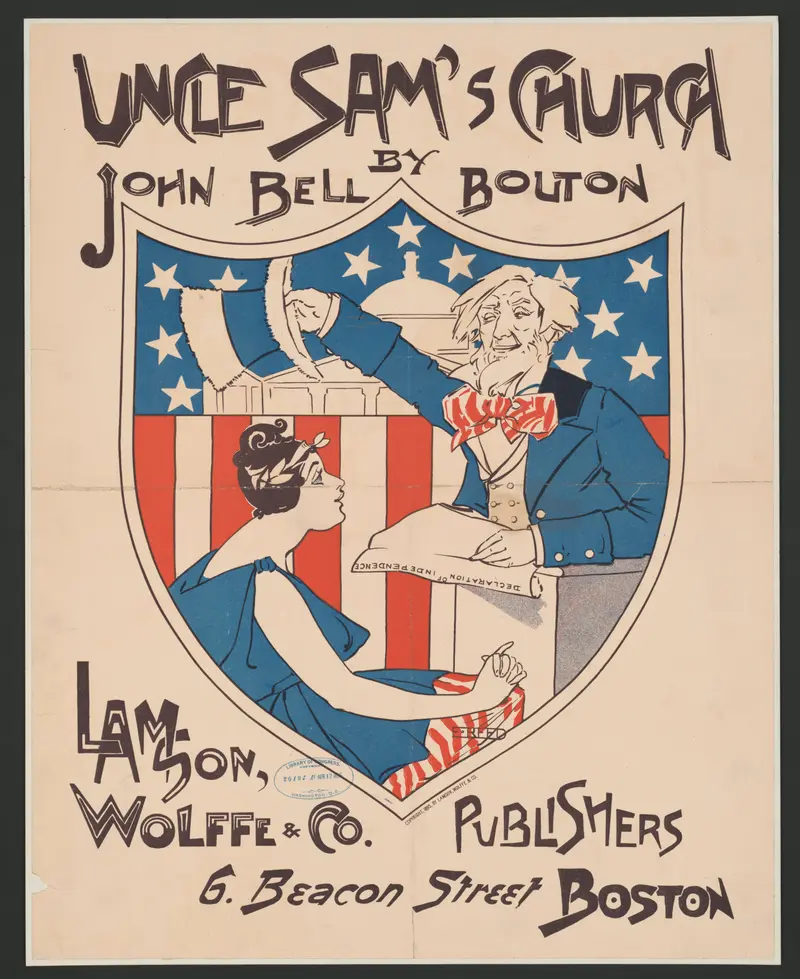
Uncle Sam's Church
Ethel Reed
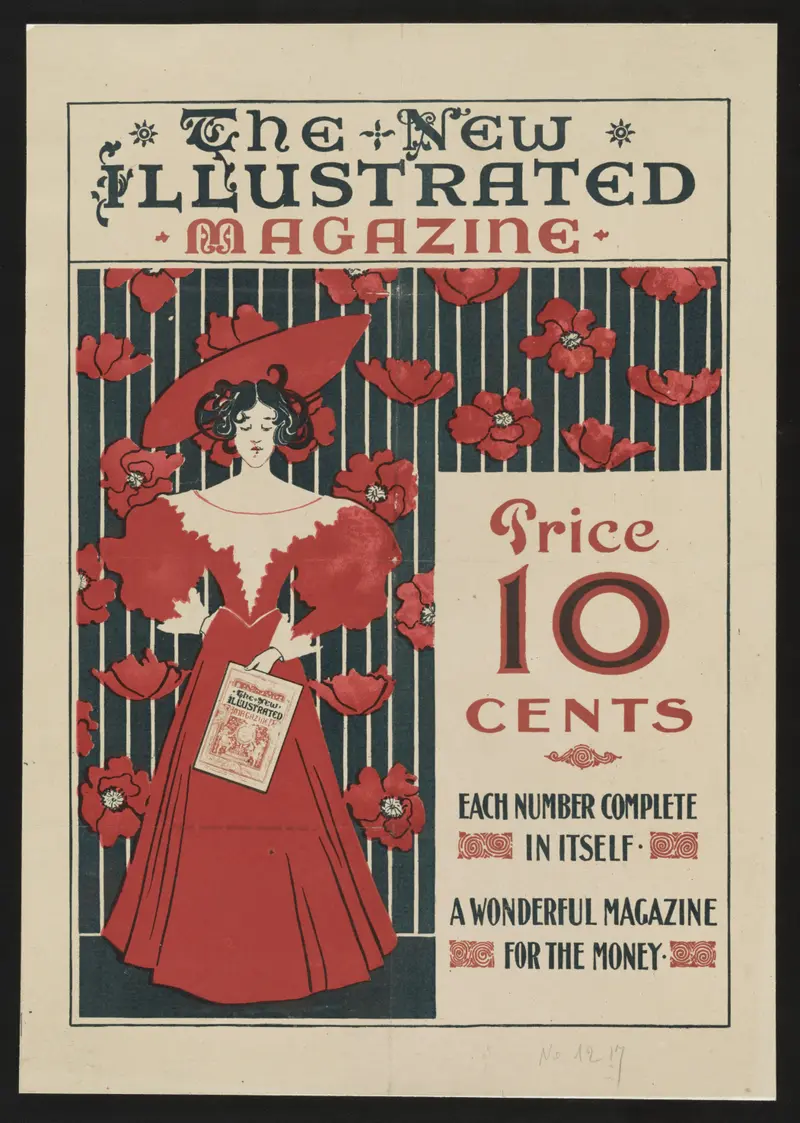
The New Illustrated Magazine
Ethel Reed
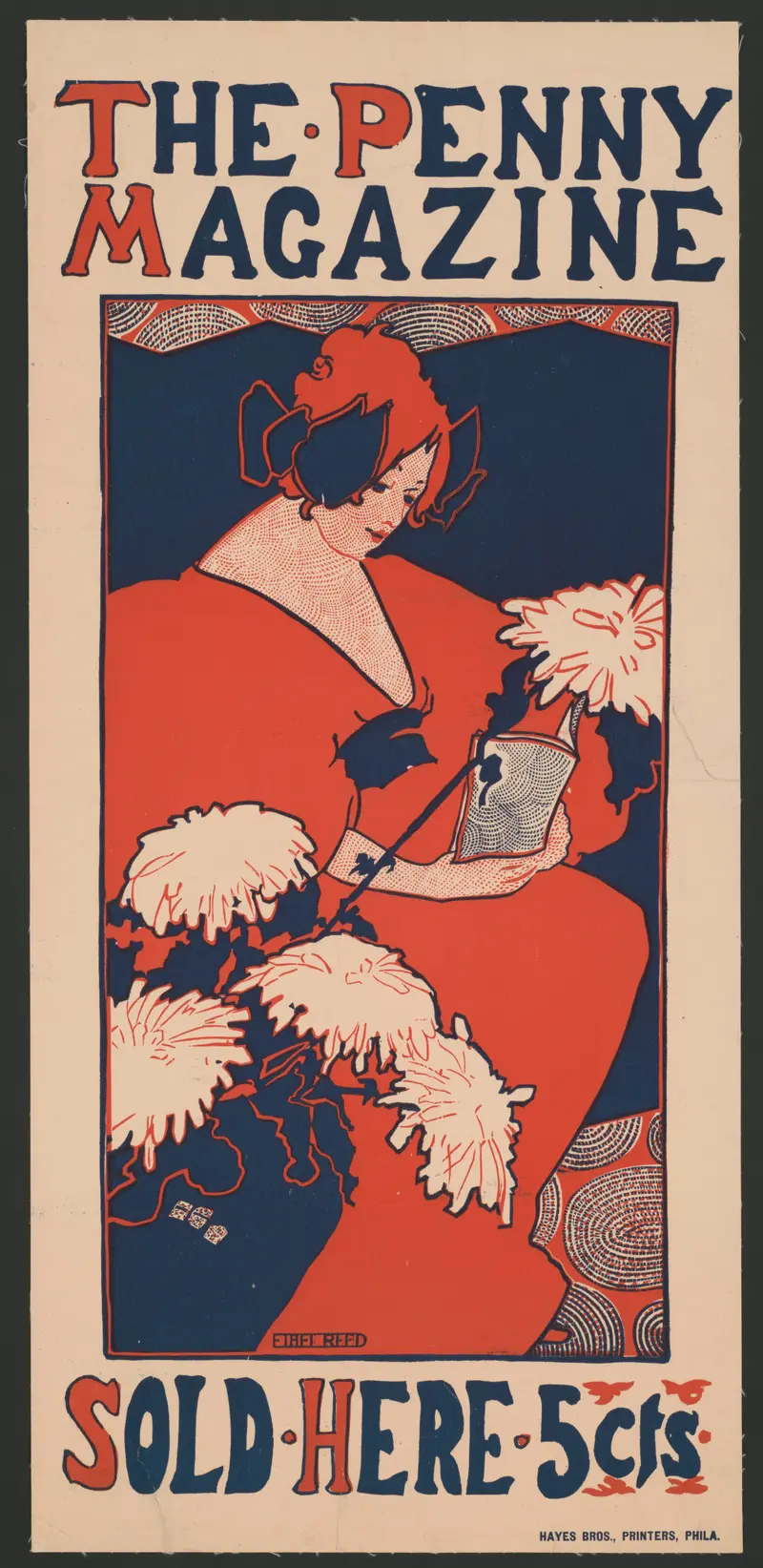
The Penny Magazine
Ethel Reed
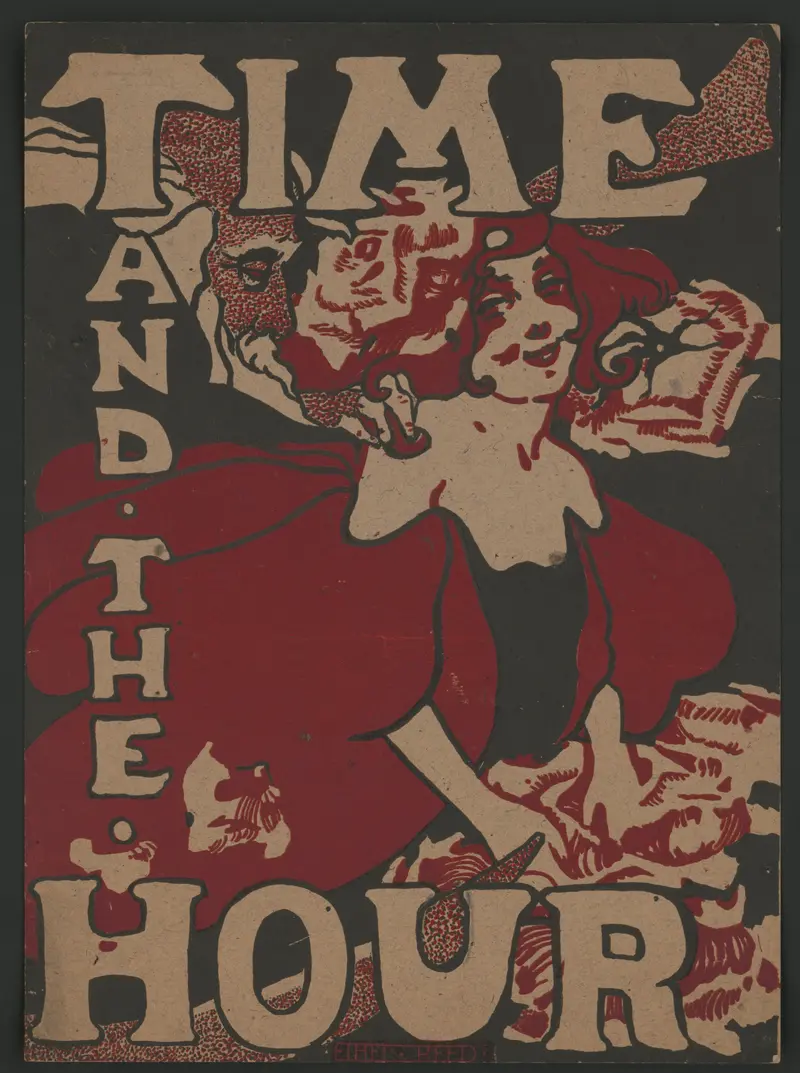
Time and the Hour
Ethel Reed
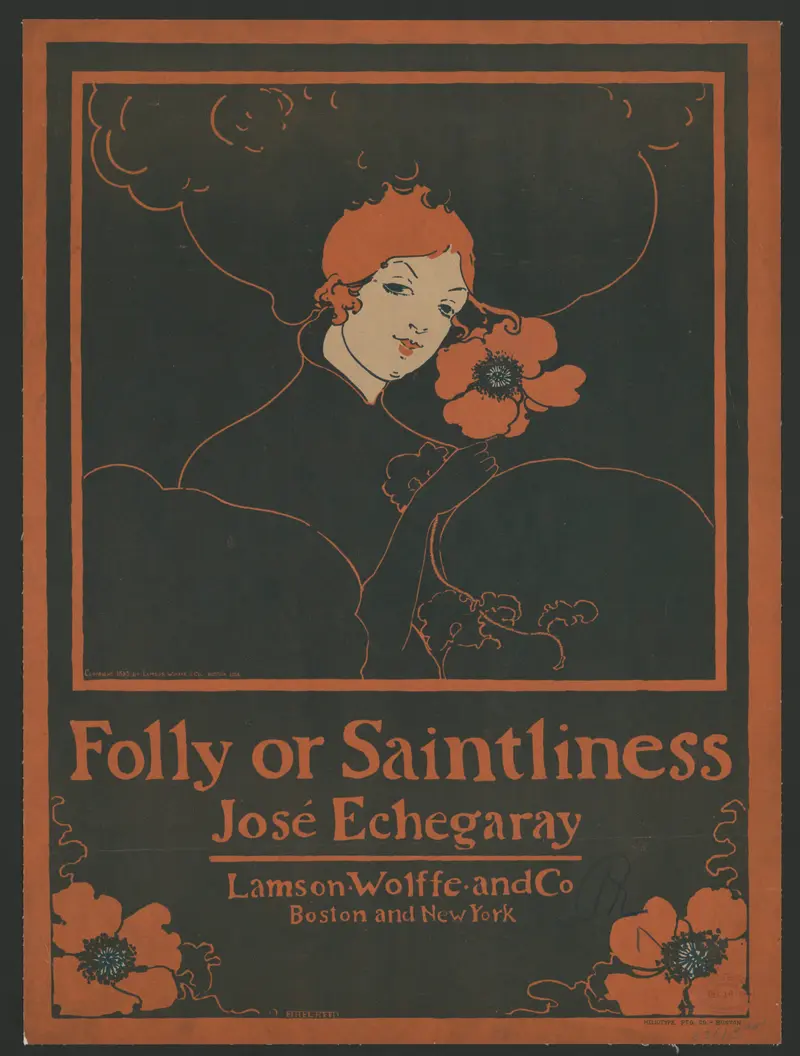
Folly or Saintliness
Ethel Reed
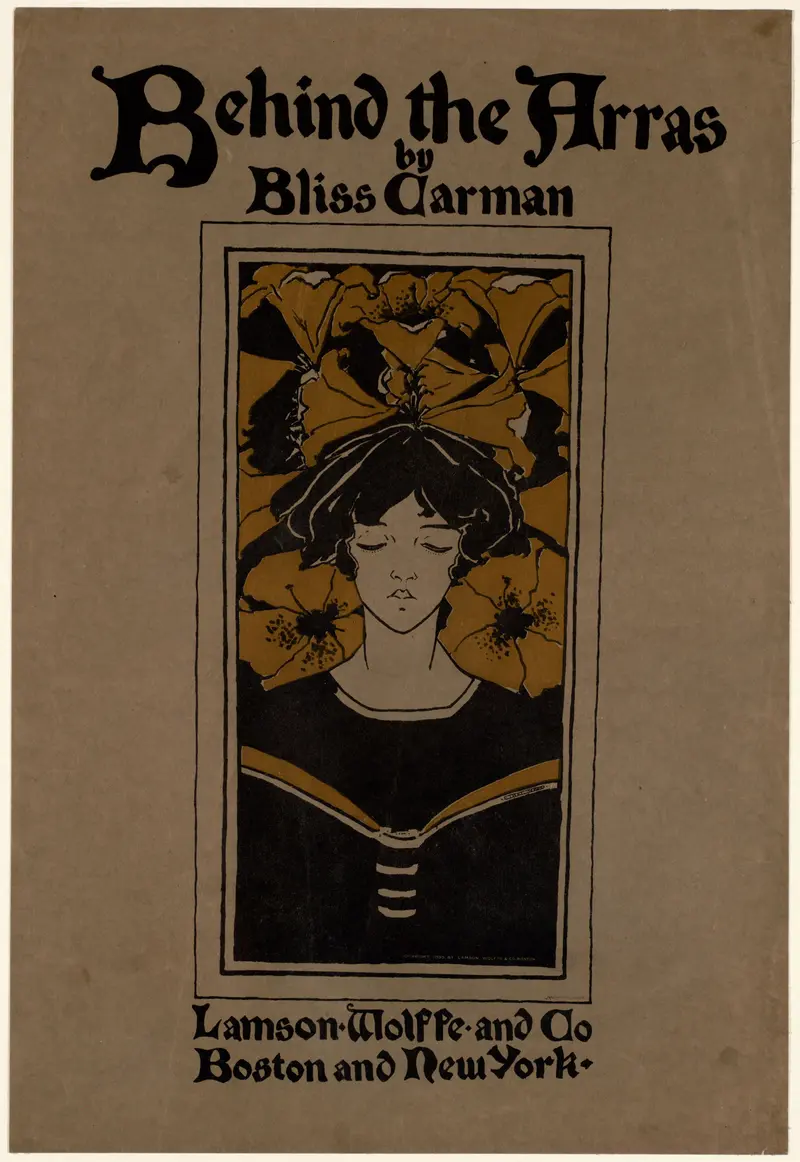
Behind the Arras
Ethel Reed
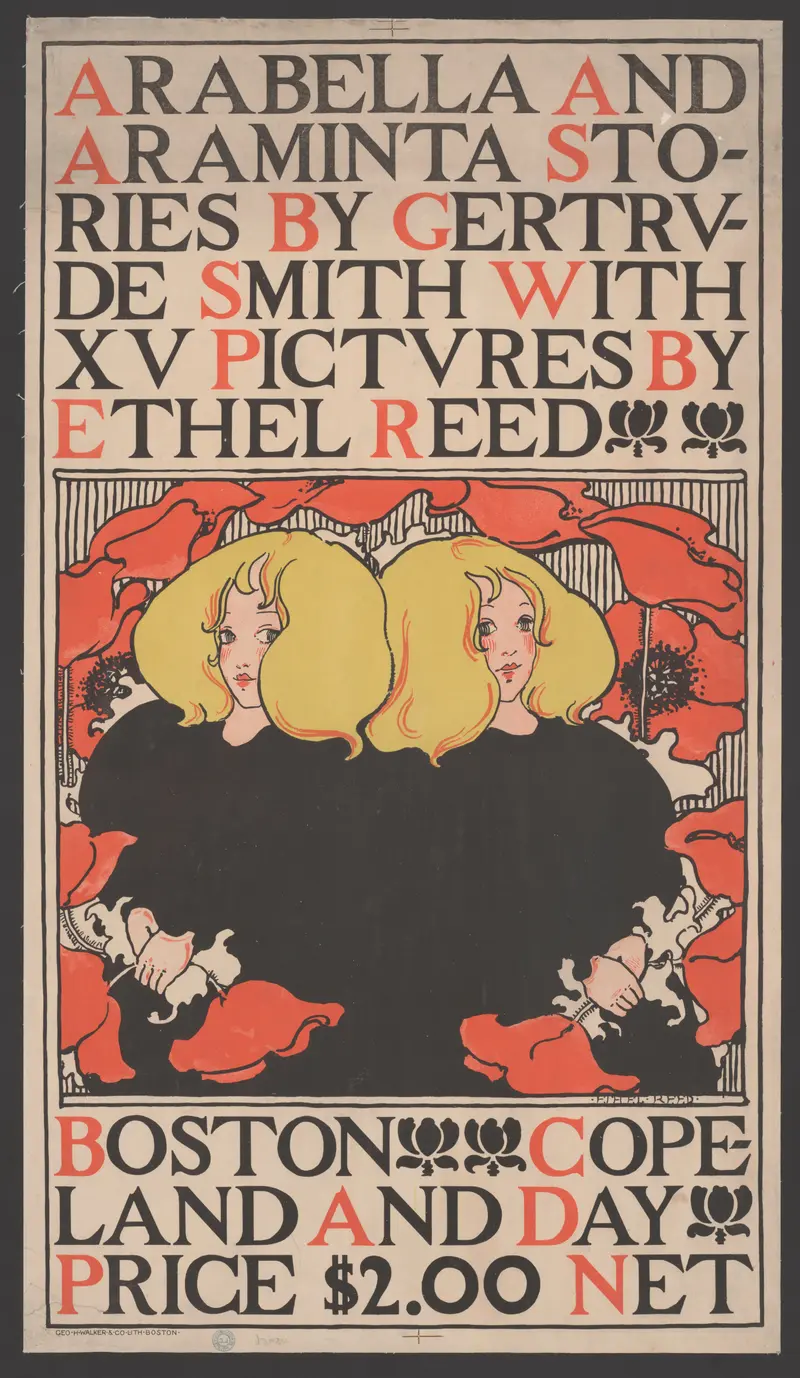
Arabella and Araminta Stories
Ethel Reed



