
Trinity Church — History & Facts
Can beauty exist without sorrow? The answer unfurls in the delicate interplay of light and shadow, a reminder that the most profound awakenings often emerge from the depths of melancholy. Focus on the intricate details of Trinity Church, where the façade rises gracefully against a muted sky. Notice how the soft earth tones of the structure contrast with the vibrant greens surrounding it, inviting you to explore both the architecture and the natural world. The composition draws the eye upward, as if to encourage a spiritual ascent, while the gentle brushwork captures the fleeting quality of light, imbuing the scene with a sense of transience. Beneath the tranquil surface lies a profound dichotomy.
The serene exterior of the church whispers of solace, yet the shadowy corners evoke a sense of mystery and introspection. This tension between peace and pondering reflects the artist’s desire to convey not just the physical beauty of the church but also its emotional resonance within the community. Each stroke carries a story, urging viewers to reflect on their own journeys of faith and doubt. Produced during a period marked by the flourishing of French Romanticism, Cazabon painted this piece in the mid-19th century, while living in Trinidad.
The Caribbean was evolving culturally, marked by the blend of indigenous, African, and European influences. This context allowed Cazabon to delve into themes of identity and spirituality, capturing not only a building but the very essence of collective memory and aspiration.
More Artworks by Michel Jean Cazabon
Browse all →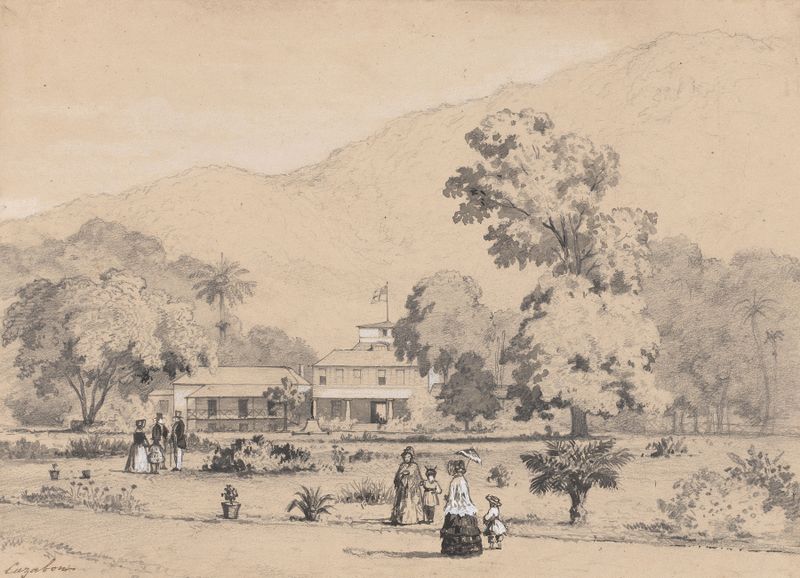
Governor’s Residence St. Ann’s
Michel Jean Cazabon

The Road to Pitch Lake
Michel Jean Cazabon
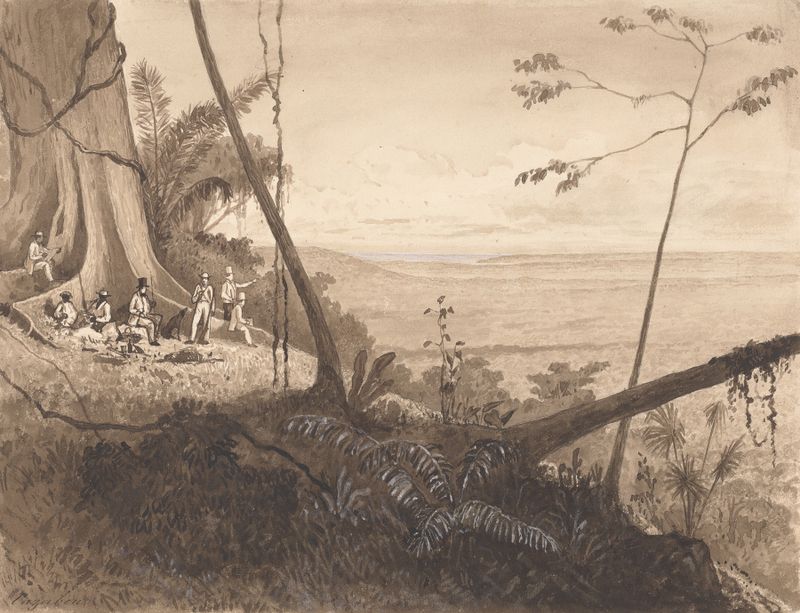
Cedar Point, Tamana
Michel Jean Cazabon

Maraccas Waterfall
Michel Jean Cazabon
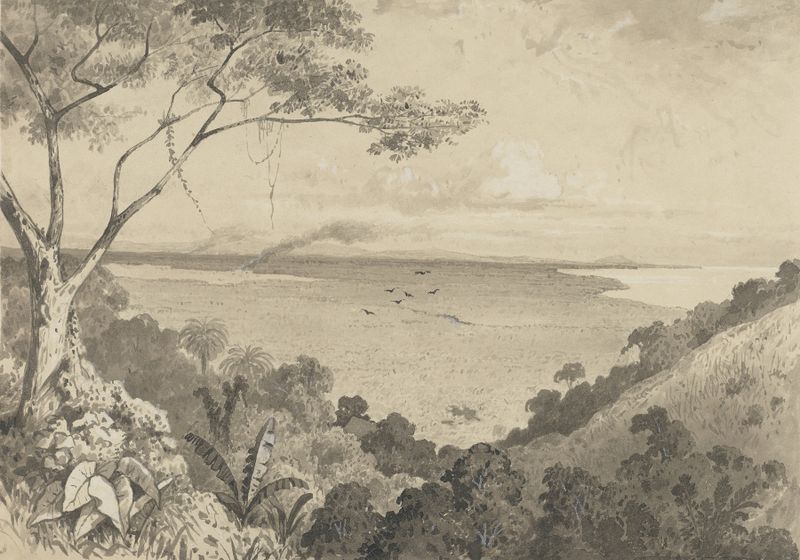
View from Laventille Hill
Michel Jean Cazabon

Garden Estate, Arouca
Michel Jean Cazabon

Bamboos St. Ann
Michel Jean Cazabon
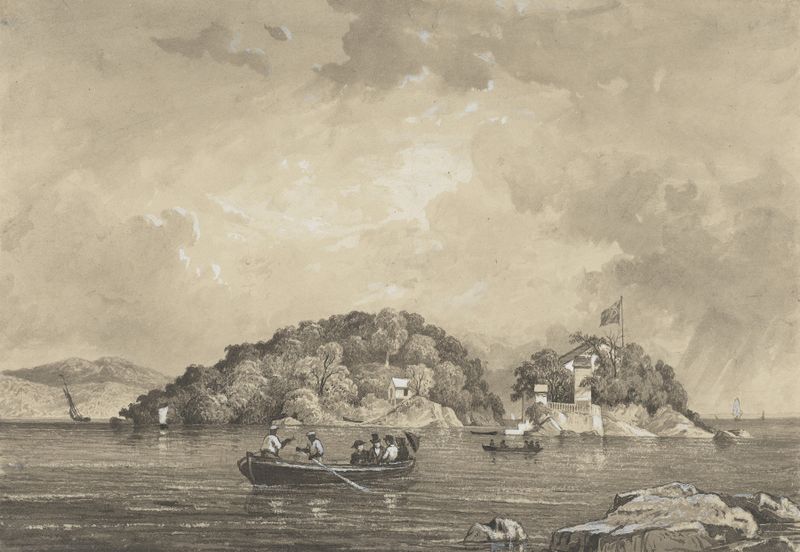
Caledonia and Craig Islands
Michel Jean Cazabon

St. Ann’s Waterfall
Michel Jean Cazabon
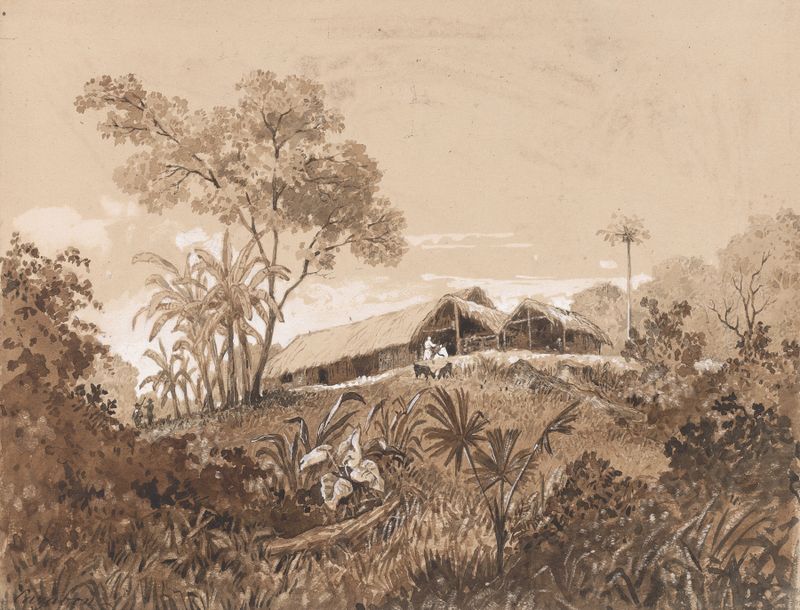
Cottage at Tamana
Michel Jean Cazabon
More Architecture Art
Browse all →
The statue of Liberty
Frédéric Auguste Bartholdi

View of Houses in Delft, Known as ‘The Little Street’
Johannes Vermeer

View of Houses in Delft, Known as ‘The Little Street’
Johannes Vermeer

The Cathedral in Rouen. The portal, Grey Weather
Claude Monet

The yellow house
Vincent van Gogh

The Church in Auvers-sur-Oise, View from the Chevet
Vincent van Gogh