
Triomf van de Eeuwigheid — History & Facts
Is this a mirror — or a memory? In Triomf van de Eeuwigheid, the viewer is invited to contemplate the intertwining of time and belief, where faith transcends the boundaries of the earthly realm. Look to the center, where a radiant figure stands, enveloped in a divine light that emanates from the heavens. The characters surrounding this central figure—both ethereal and earthly—are depicted with meticulous attention to detail, their expressions reflecting awe and reverence. Notice how Pencz utilizes a palette of rich golds and deep blues, creating a stark contrast between the celestial and the mortal, guiding your gaze from the heavenly light to the intricate faces that tell their silent stories. This composition is imbued with layered meanings; the juxtaposition of the divine and the secular suggests a dialogue between faith and human existence.
The upward gaze of the figures reflects yearning, while the organic intertwining of their forms symbolizes connection, both to each other and to a higher power. Each element, from the flowing garments to the serene expressions, invites contemplation on the nature of eternity and the triumph of belief, making every glance an exploration of one's own spiritual journey. In the years between 1537 and 1541, Pencz was deeply engaged with the themes of the Reformation, grappling with the evolving landscape of faith and art in a world teetering on the brink of change. Working in Nuremberg, he was influenced by the early Protestant movement, which sought to redefine spirituality through personal connection rather than institutional doctrine, thus shaping the narrative captured in this exquisite work.
More Artworks by Georg Pencz
Browse all →
Parabel van de zaaier
Georg Pencz

Parabel van de arbeiders in de wijngaard
Georg Pencz
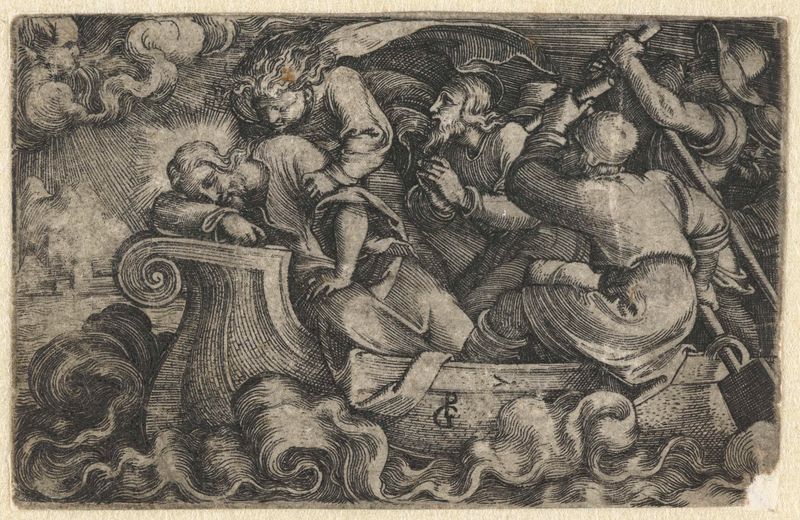
Discipelen wekken slapende Christus tijdens storm op Meer van Galilea
Georg Pencz

Afgunst (Invidia)
Georg Pencz
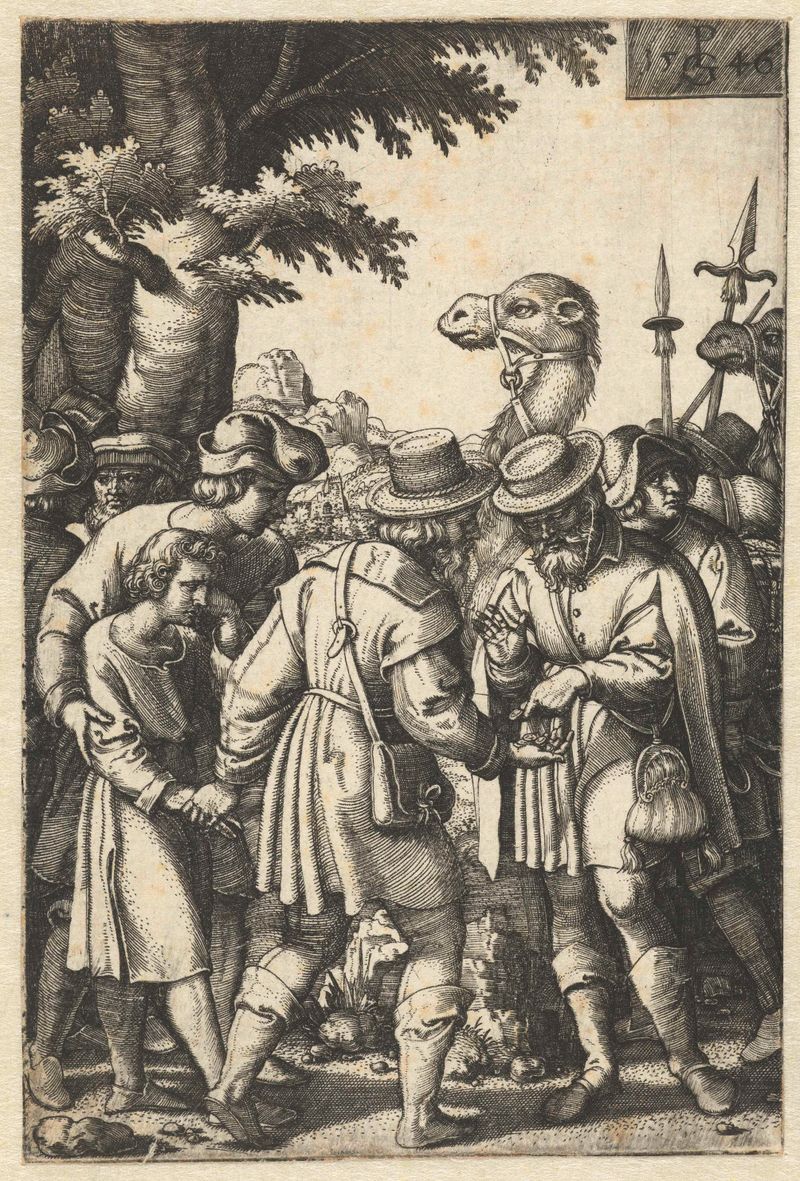
Jozef wordt verkocht aan kooplieden op weg naar Egypte
Georg Pencz

Aanbidding der koningen
Georg Pencz
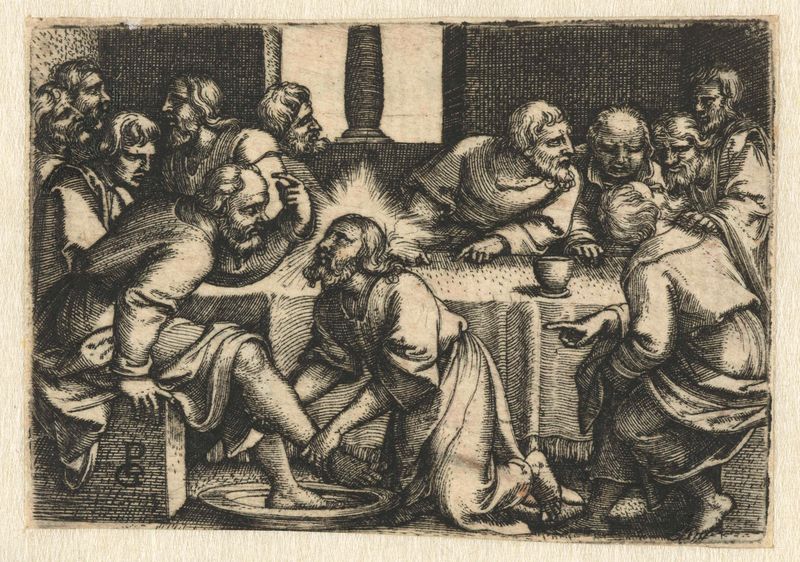
Petrus protesteert als Christus zijn voeten wast
Georg Pencz
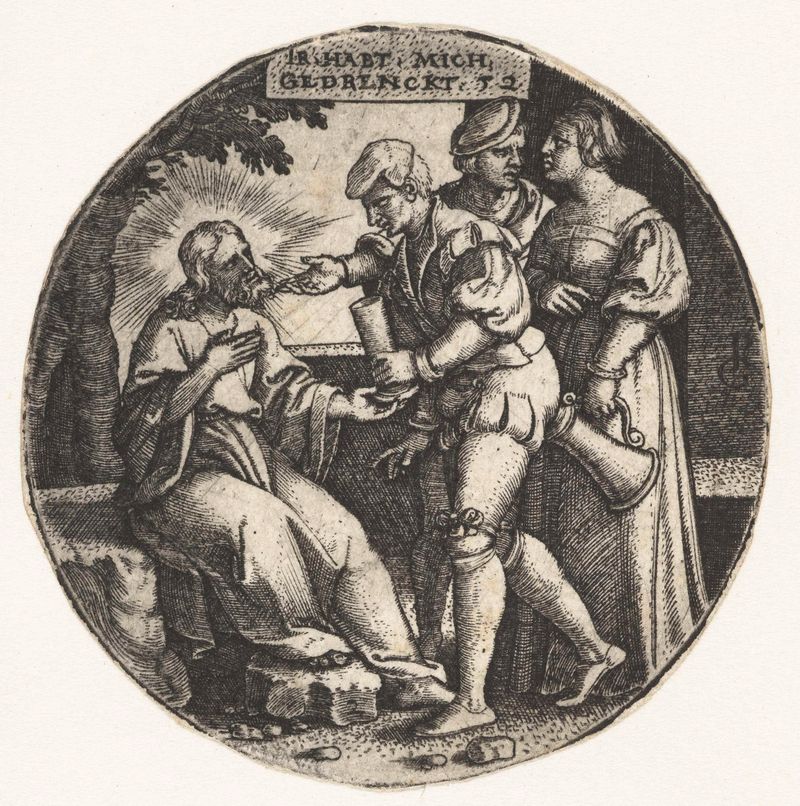
Christus heeft dorst en krijgt drinken aangeboden
Georg Pencz
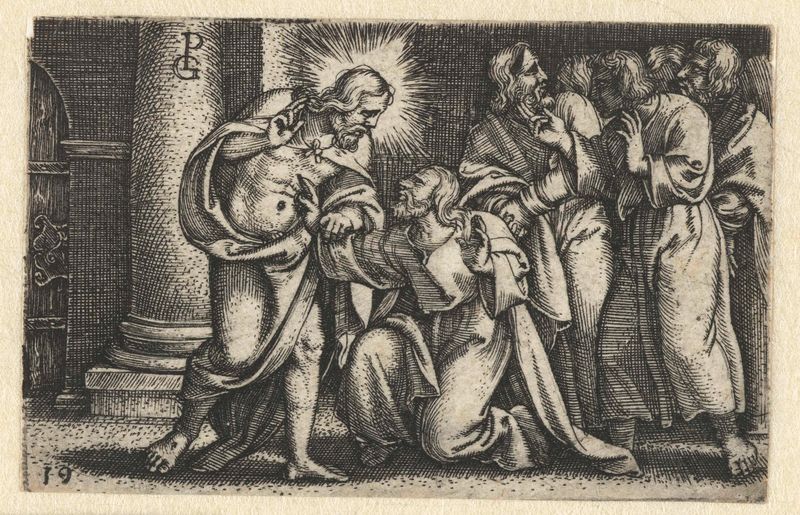
Ongelovige Thomas raakt wonden Christus aan
Georg Pencz

Offer van Abraham van Isaak
Georg Pencz
More Religious Art
Browse all →
The Return of the Prodigal Son
Rembrandt van Rijn

The Garden of Earthly Delights
El Bosco

Count Orgaz’ funeral
El Greco

The Hundred Guilder Print: the central piece with Christ preaching, the plate arched
Rembrandt van Rijn

The Descent from the Cross
Rogier van der Weyden

The return of the prodigal son
Rembrandt van Rijn