
Trois piles du Pont-Neuf — History & Facts
Who listens when art speaks of silence? In Trois piles du Pont-Neuf, light becomes the silent narrator, unveiling layers of emotion quietly woven into the fabric of the scene. Look to the foreground where three substantial stone pillars rise like sentinels against the soft glow of dusk. The light filters gently through the air, casting delicate shadows that ripple over the textured surface of the water below. The cool blues and warm golds harmonize, creating a tranquil yet poignant atmosphere.
Notice how Boberg’s brushstrokes vary — some are meticulously detailed, while others blur, suggesting an ephemeral quality that invites contemplation. Beyond the immediate beauty lies an exploration of isolation and connection. The pillars, robust and enduring, stand alone, yet they form a bridge to the world beyond, symbolizing the duality of strength and vulnerability. Look closely at the reflections in the water; they shimmer with the weight of untold stories, mingling the elements of past and present.
The tension between light and shadow speaks to the transient nature of existence, while the quiet space around the pillars evokes both serenity and longing. Ferdinand Boberg painted Trois piles du Pont-Neuf in 1927 while living in France, a time marked by post-war recovery and a flourishing of artistic expression. This period saw artists embracing modernity while reflecting on the scars of conflict. Boberg, influenced by the interplay of urban landscapes and nature, captured the intersection of time and memory through this work, revealing both the physical weight of the pillars and the lightness of the fleeting moment.
More Artworks by Ferdinand Boberg
Browse all →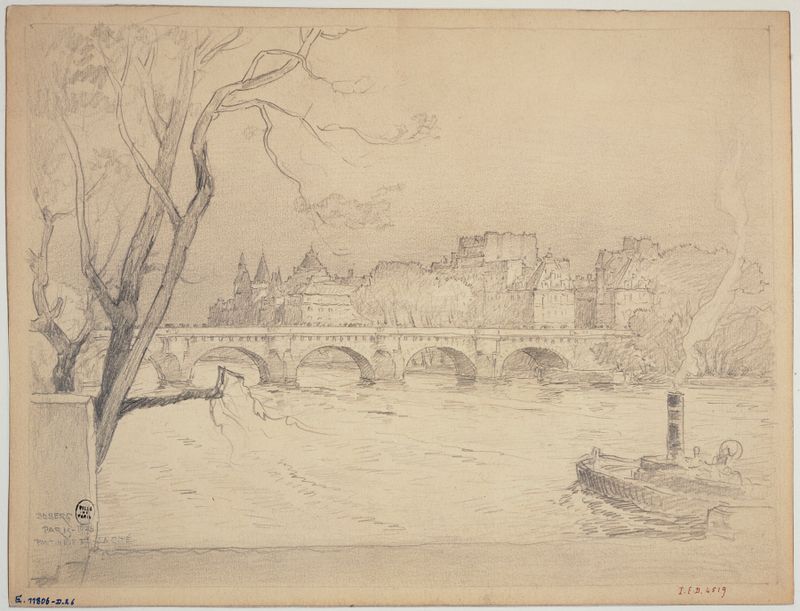
Le Pont-Neuf et la Cité
Ferdinand Boberg
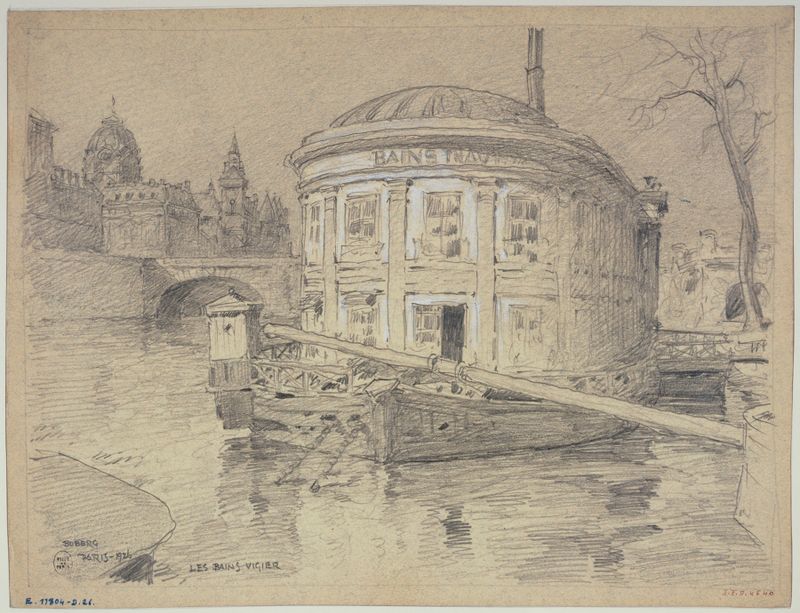
Les bains Vigier au Pont-Neuf
Ferdinand Boberg
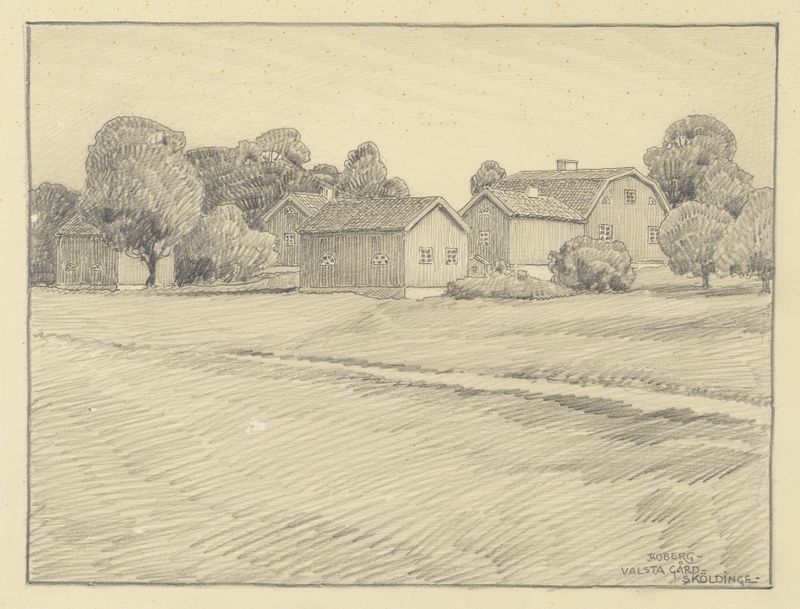
Valsta Gård
Ferdinand Boberg
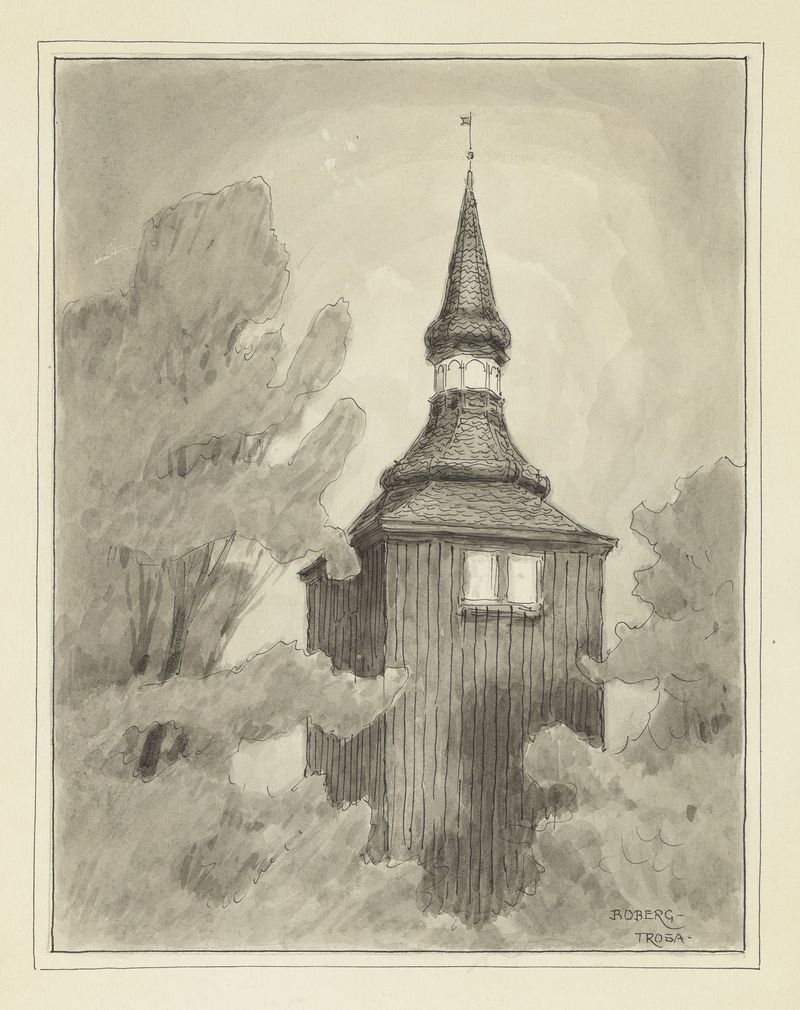
Trosa
Ferdinand Boberg
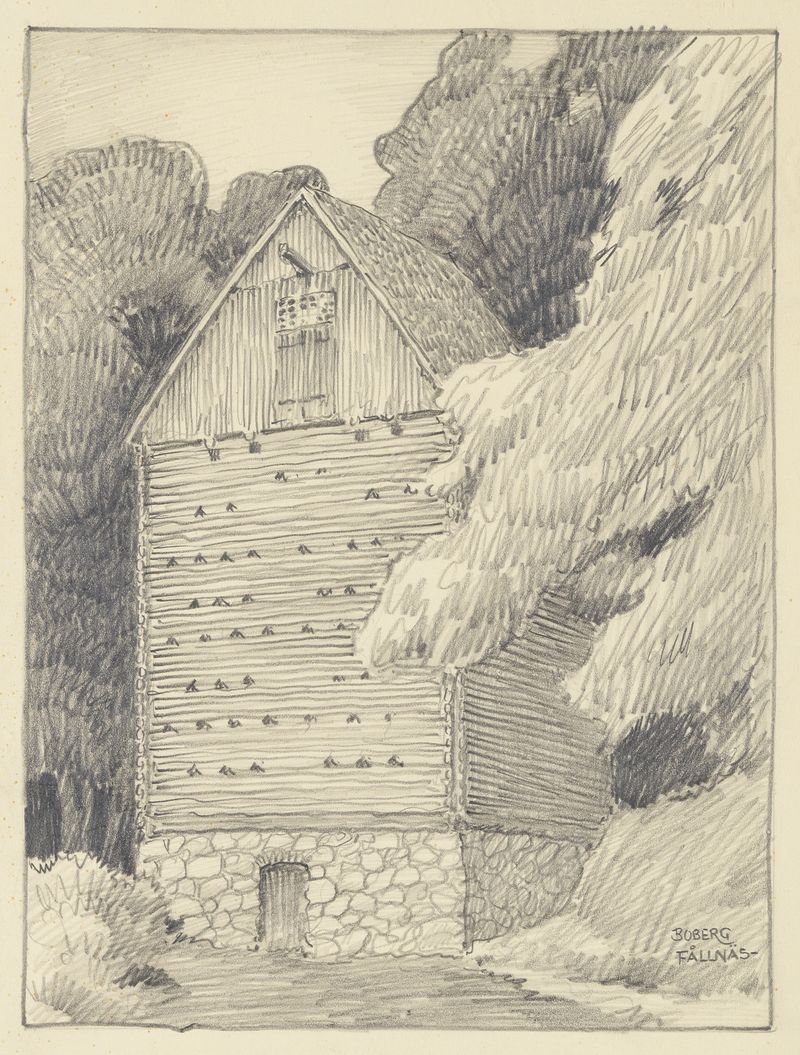
Fållnäs
Ferdinand Boberg
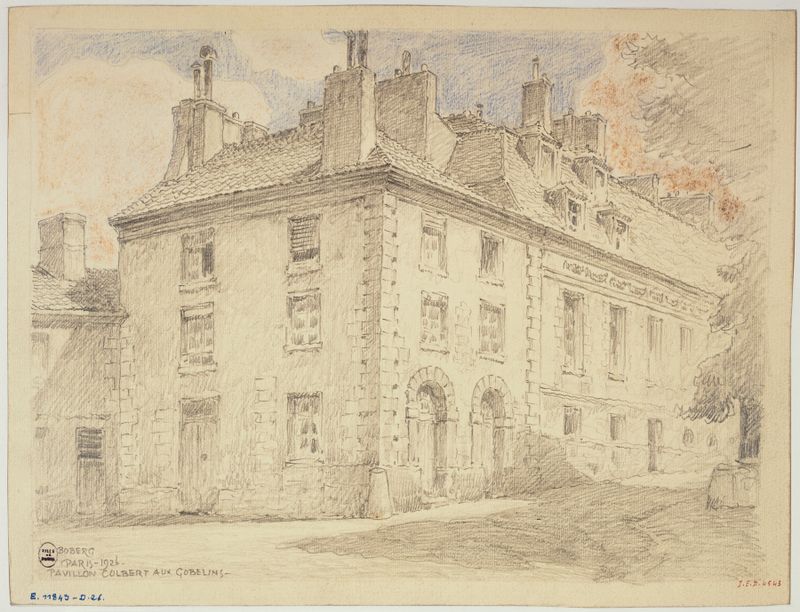
Le pavillon Colbert aux Gobelins
Ferdinand Boberg
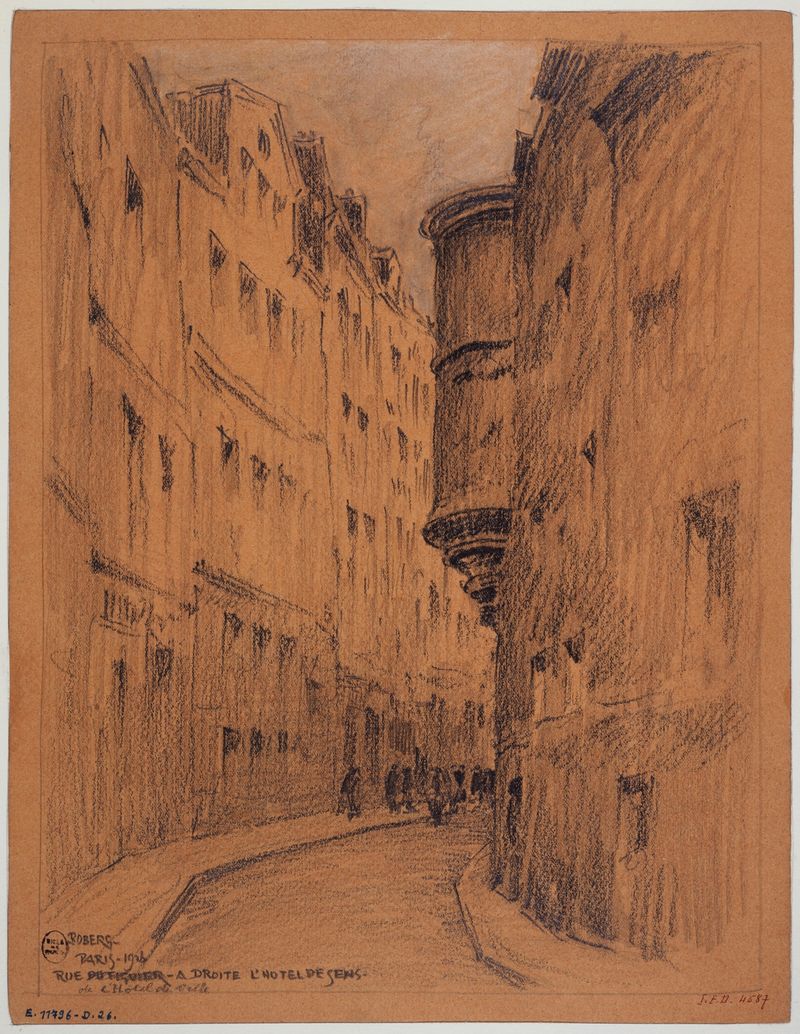
Rue de l’Hôtel de Ville; l’hôtel de Sens
Ferdinand Boberg
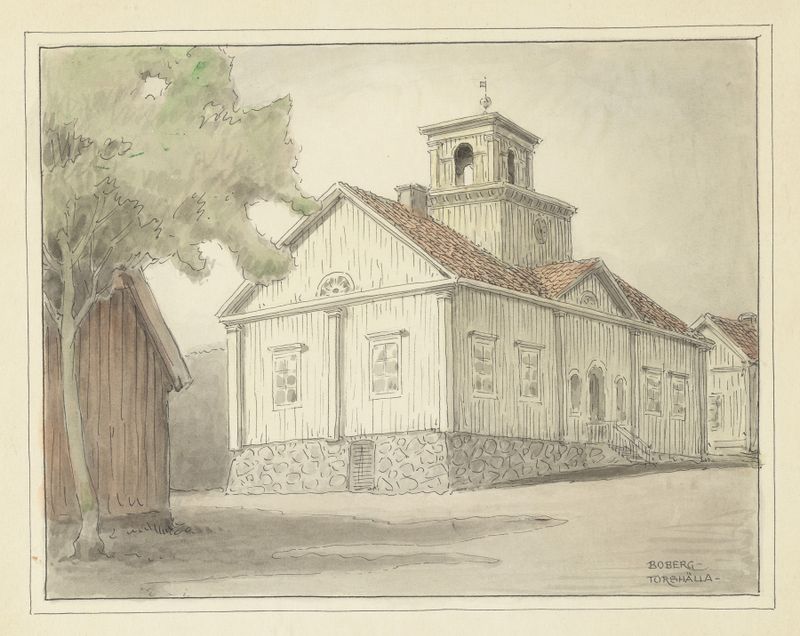
Torshälla
Ferdinand Boberg
Sketch for a building for Thiel’s Gallery
Ferdinand Boberg
La place Blanche
Ferdinand Boberg





