
Trois Troncs de pins — History & Facts
Through a lush interplay of colors, Trois Troncs de pins beckons the viewer into a world where nature's vibrancy masks deeper emotions beneath its surface. Focus first on the vivid greens and earthy browns that envelop the three pine trunks, grounding the composition. The artist employs short, dynamic brushstrokes that create a sense of movement, almost as if the trees sway gently in a breeze. Notice how the dappled sunlight filters through the foliage, illuminating patches of the bark and lending a warm glow, while shadows deepen the sense of weight and importance in this natural setting. Hidden within this serene depiction lies a tension between presence and solitude.
The trunks stand tall, yet their arrangement feels almost isolating, suggesting a contemplation of existence. The contrast between the vibrant colors and the weighty forms of the trees hints at the complexity of nature—a beauty that can simultaneously inspire awe and evoke introspection. Each brushstroke serves as a reminder that even the most picturesque scenes often conceal layers of meaning. In 1925, when this work was painted, the artist was living in Belgium during a period marked by post-war introspection and an evolving art scene influenced by Impressionism and Symbolism.
Van Rysselberghe was exploring a blend of color and form, moving towards a modernist interpretation of natural subjects as he sought to capture fleeting moments of beauty against a backdrop of emotional depth.
More Artworks by Theo van Rysselberghe
Browse all →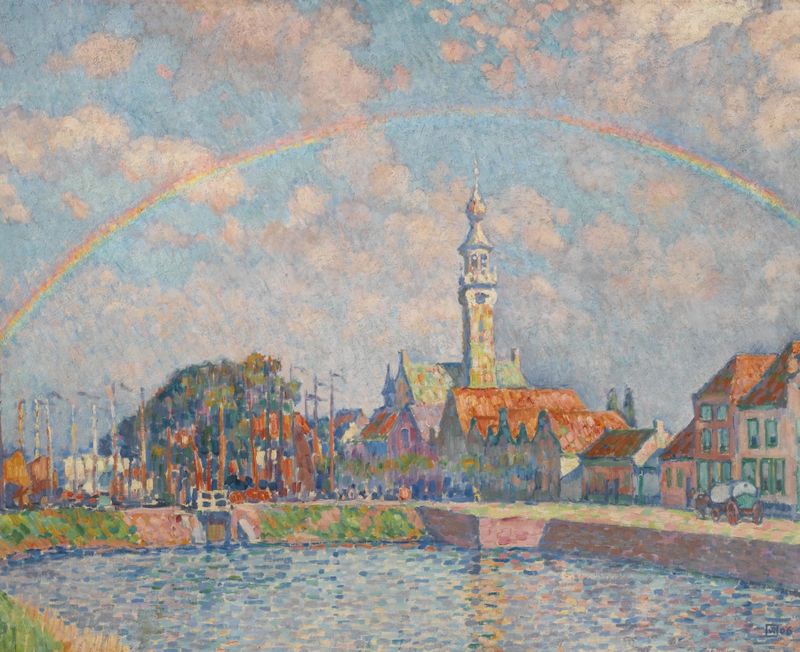
L’Arc-en-ciel à Veere
Theo van Rysselberghe
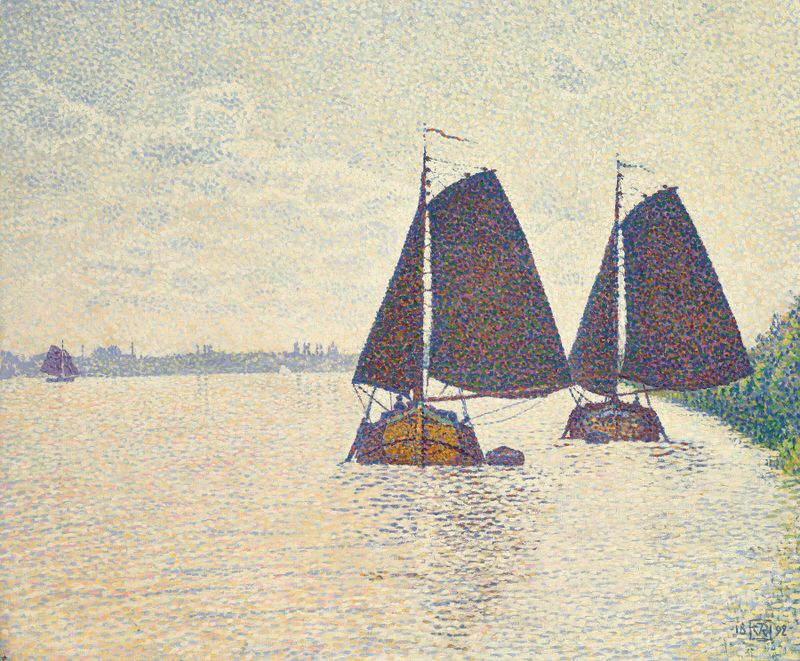
Péniches sur l’Escaut
Theo van Rysselberghe
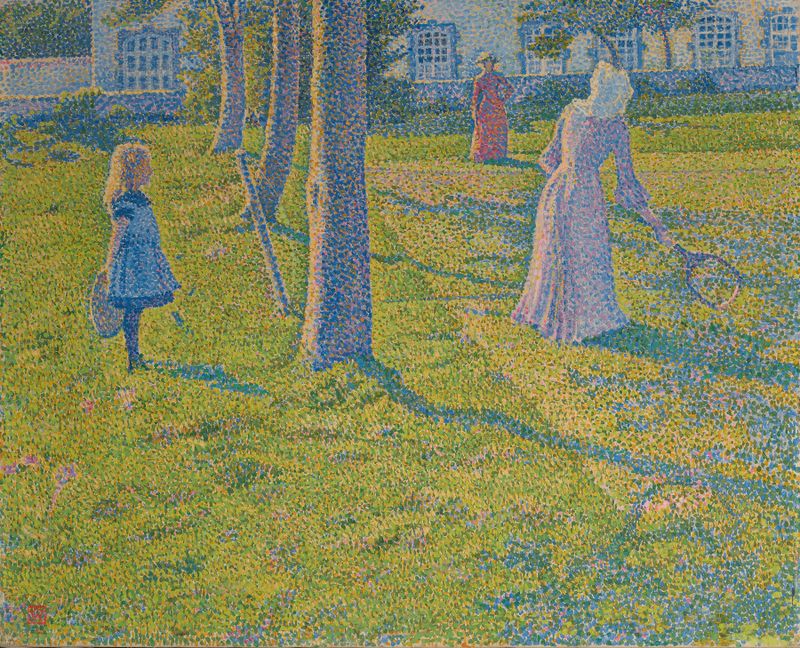
À Thuin ou La Partie de tennis
Theo van Rysselberghe
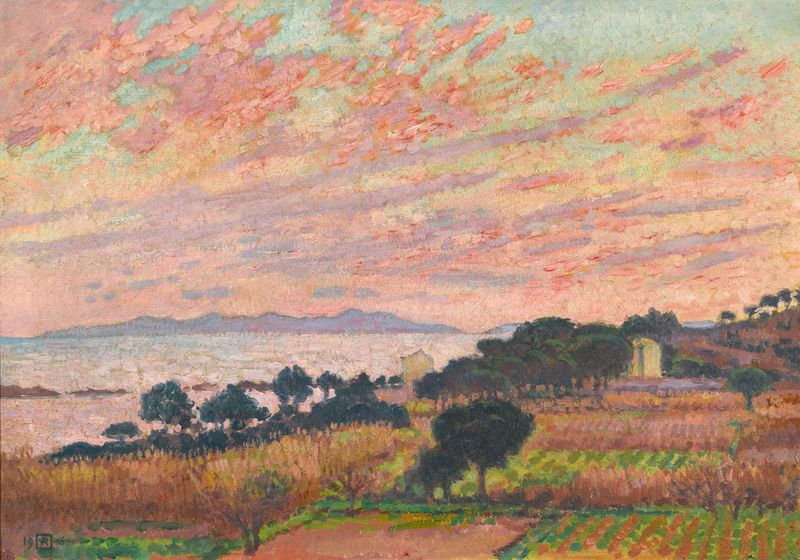
La Baie Au Soleil Couchant (Saint Clair)
Theo van Rysselberghe

Venise
Theo van Rysselberghe
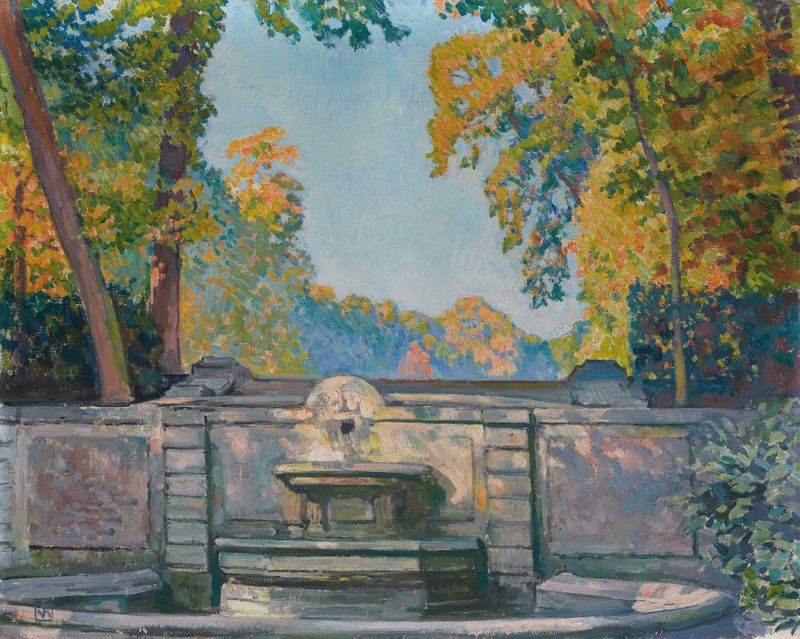
La Fontaine
Theo van Rysselberghe
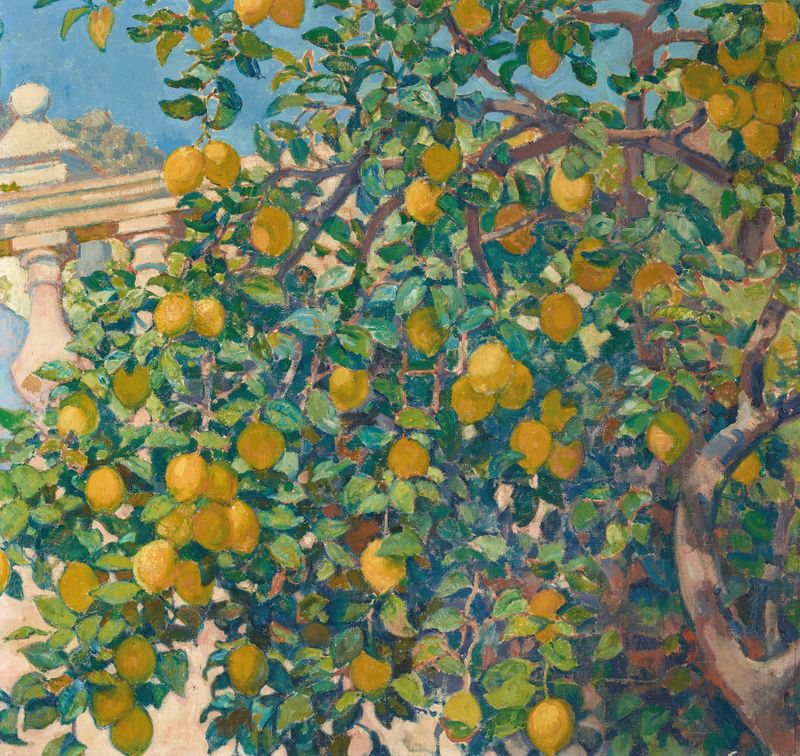
Citronniers à La Mortola
Theo van Rysselberghe
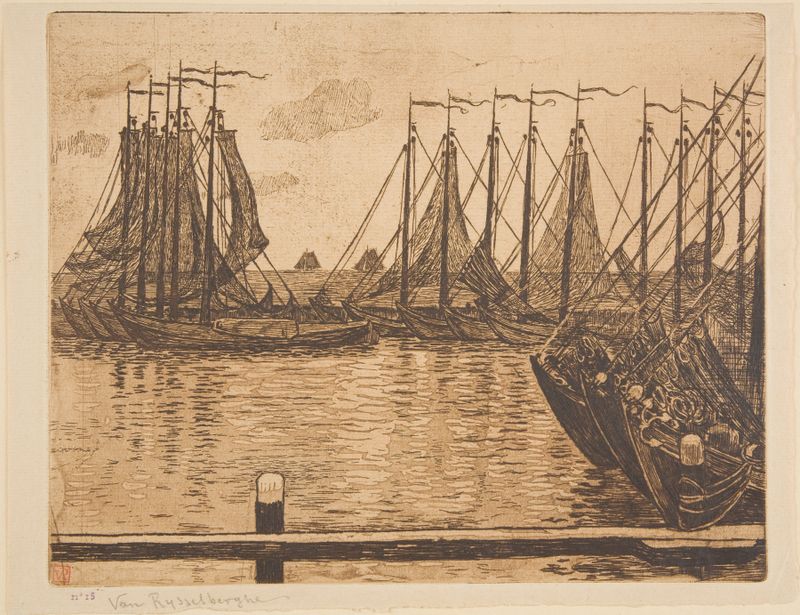
Flotille de pêche – Volendam, bateaux en rade
Theo van Rysselberghe

Pool in the Kempen
Theo van Rysselberghe

Pont en Hollande
Theo van Rysselberghe





