
Tronende Henrietta Maria van Bourbon, koningin van Engeland — History & Facts
Who listens when art speaks of silence? In the stillness of Tronende Henrietta Maria van Bourbon, koningin van Engeland, a moment is captured where time holds its breath, and history waits for its story to unfold. Look closely at the serene figure seated regally at the center of the composition. Notice how the rich fabrics of her gown—deep blues and golds—contrast against the muted background, drawing your gaze to her poised demeanor. The delicate lines of Hollar’s etching reveal a masterful command over texture, making the lace and embroidery almost palpable.
Her crown, adorned with jewels, catches the light ever so subtly, signifying not merely power but also the weight of expectation that comes with her role. As you explore the contours of her face, the solemnity of her expression speaks volumes. Here lies a woman of grace surrounded by opulence, yet there’s a hint of melancholy within her gaze—a reflection of the turbulent times she lived in. The careful arrangement of her attire juxtaposes the grandeur of monarchy with the underlying tension of her position; she is both the queen and a captive of her fate.
This duality invites contemplation on the sacrifices of power, the fleeting nature of beauty, and the immutable passage of time. In 1639, Wenceslaus Hollar was residing in London after fleeing the Thirty Years' War in Europe. This period for the artist was marked by a burgeoning interest in printmaking, as well as the challenges of adapting to a new culture. The depiction of royalty and the intricacies of court life were central themes in his work, reflecting the socio-political dynamics of his era while establishing his voice in the vibrant tapestry of 17th-century art.
More Artworks by Wenceslaus Hollar
Browse all →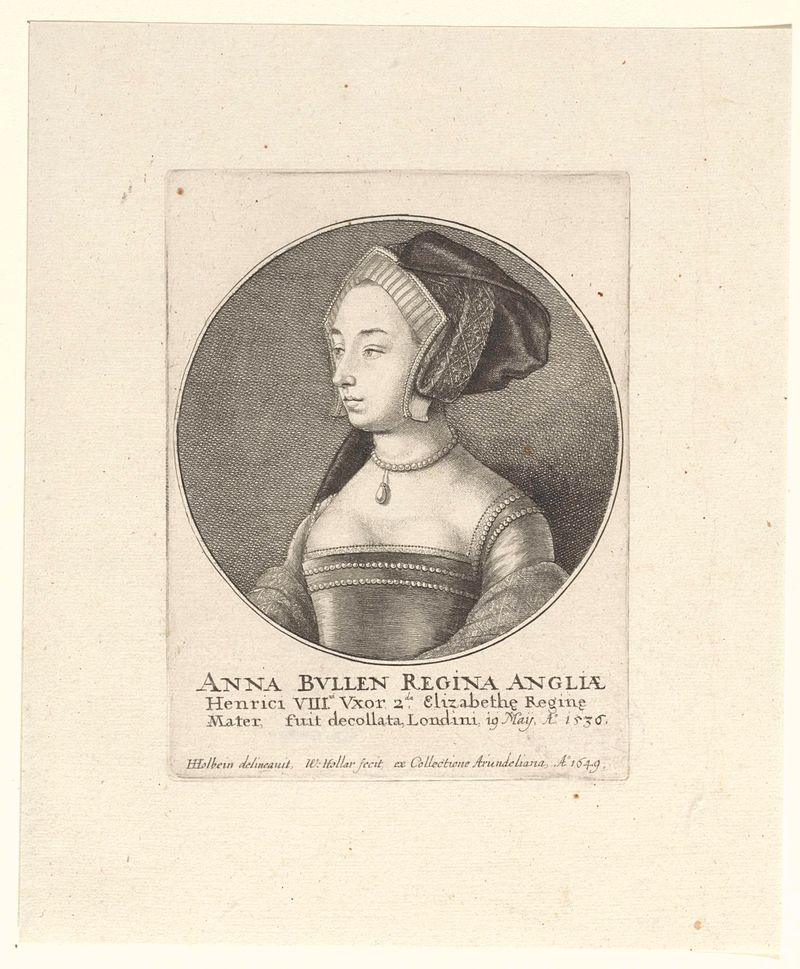
Portret van Anna Boleyn, koningin van Engeland
Wenceslaus Hollar
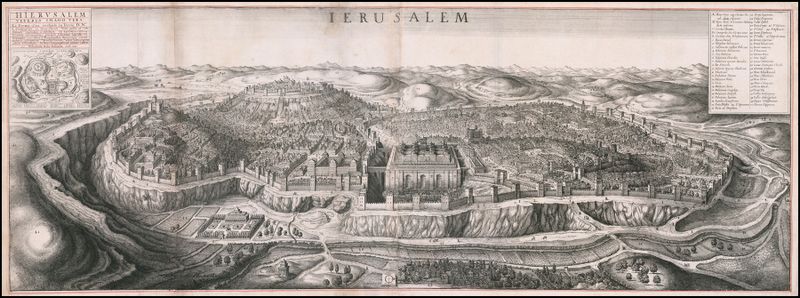
Bird’s eye view of Jerusalem
Wenceslaus Hollar
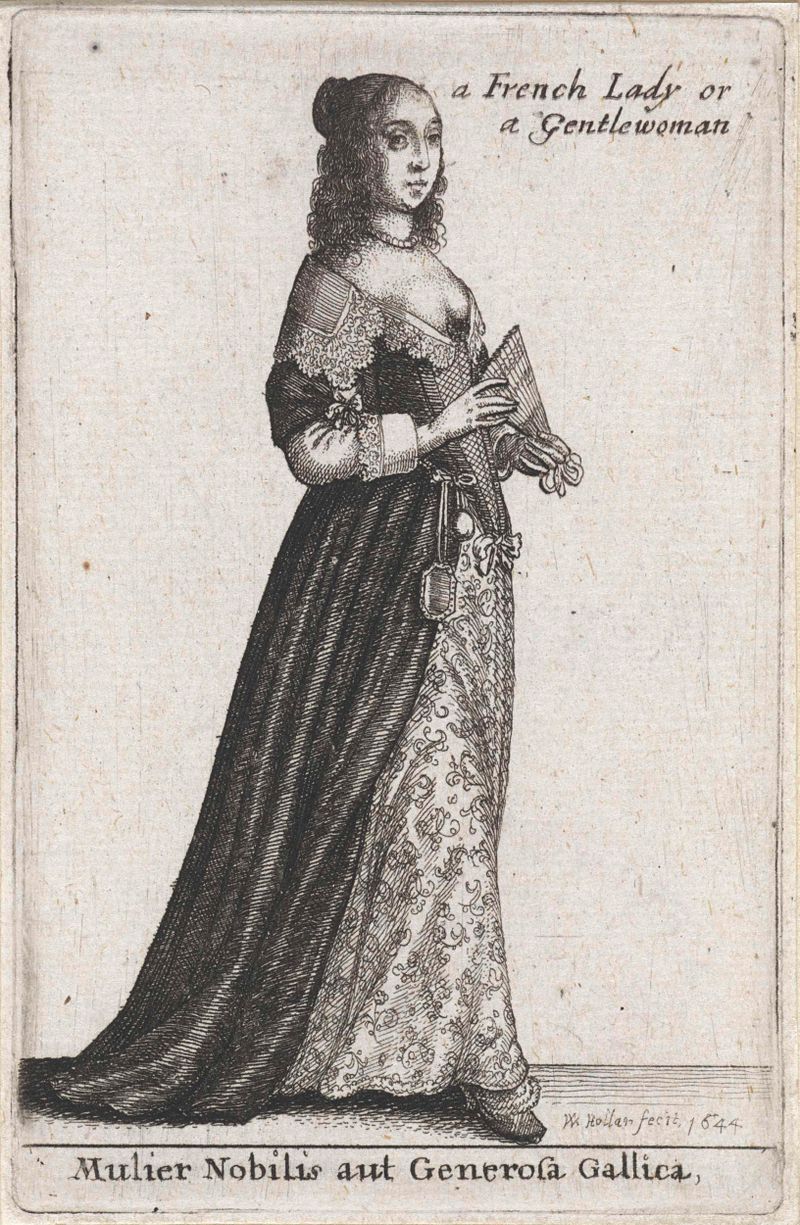
Mulier Nobilis aut Generosa Gallica / a French Lady or Gentlewoman
Wenceslaus Hollar
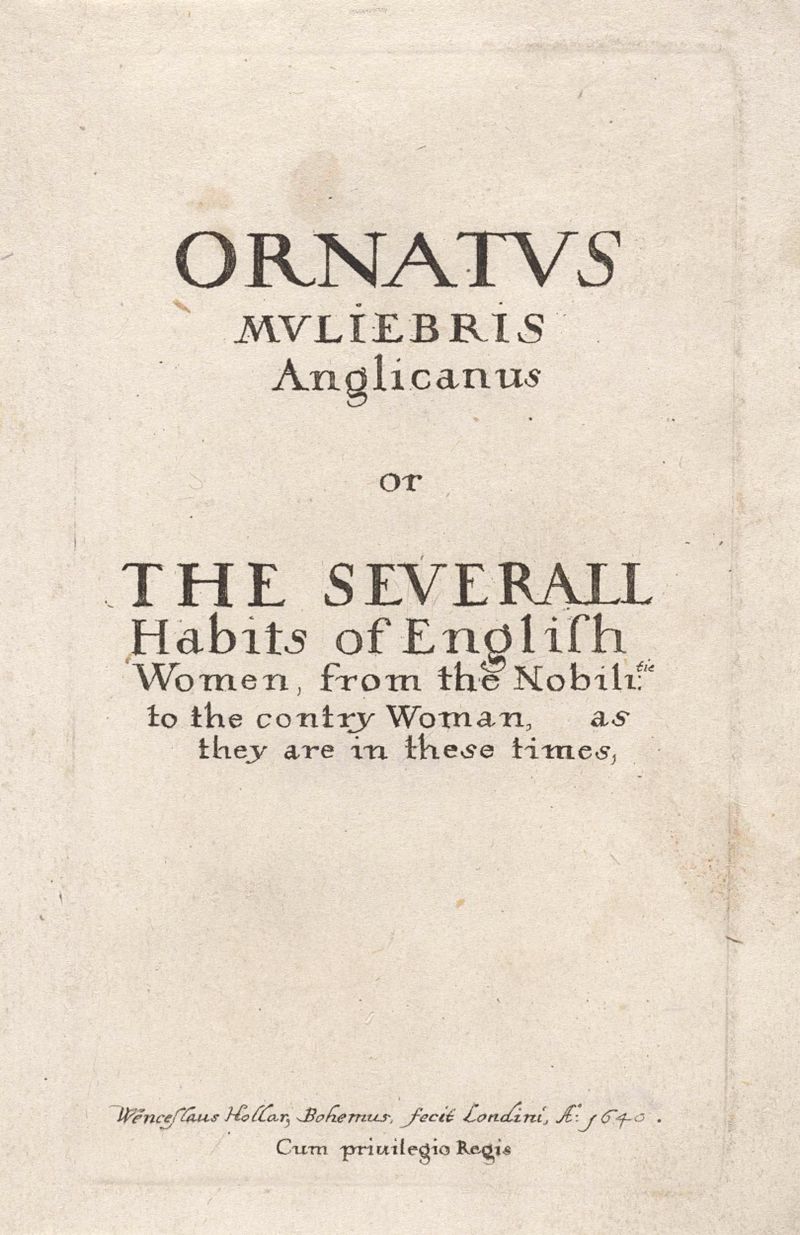
Titelprent voor: Ornatus Muliebris Anglicanus
Wenceslaus Hollar
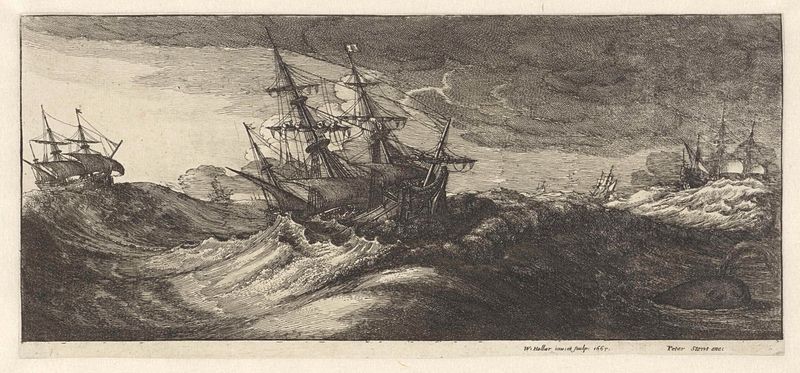
Oorlogsschepen en een walvis in een zeestorm
Wenceslaus Hollar
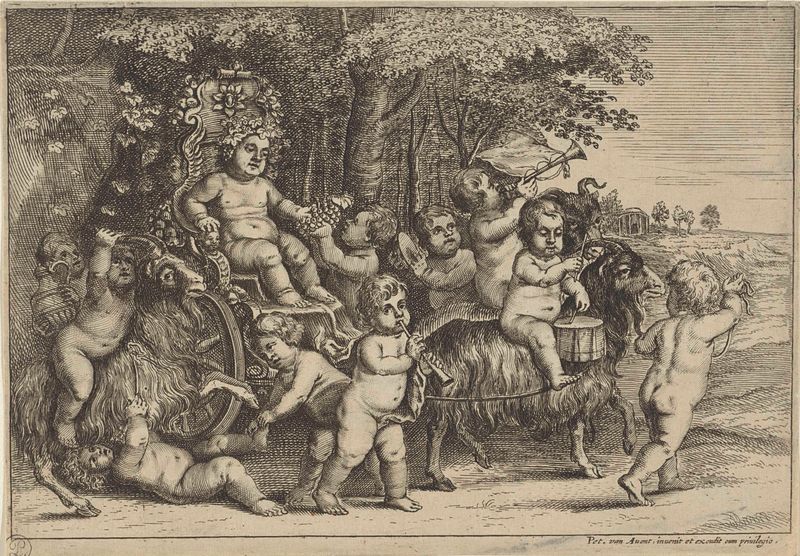
Optocht van bacchant en jongetjes op geiten
Wenceslaus Hollar
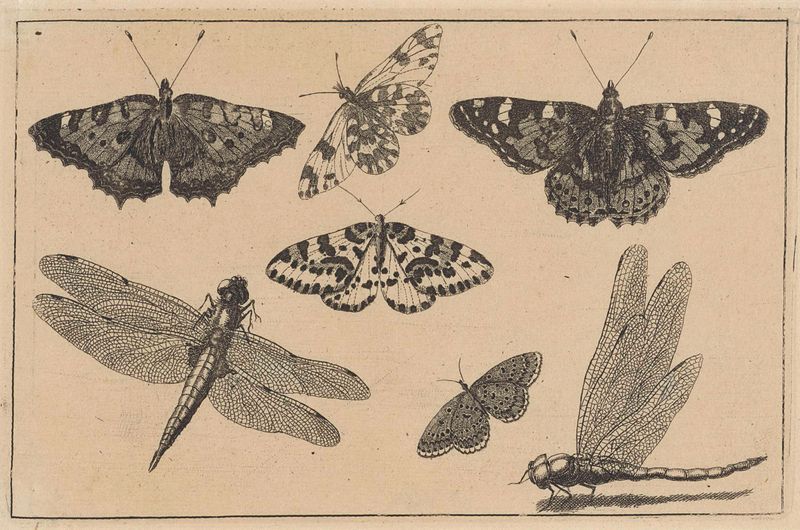
Twee libellen en vijf vlinders
Wenceslaus Hollar
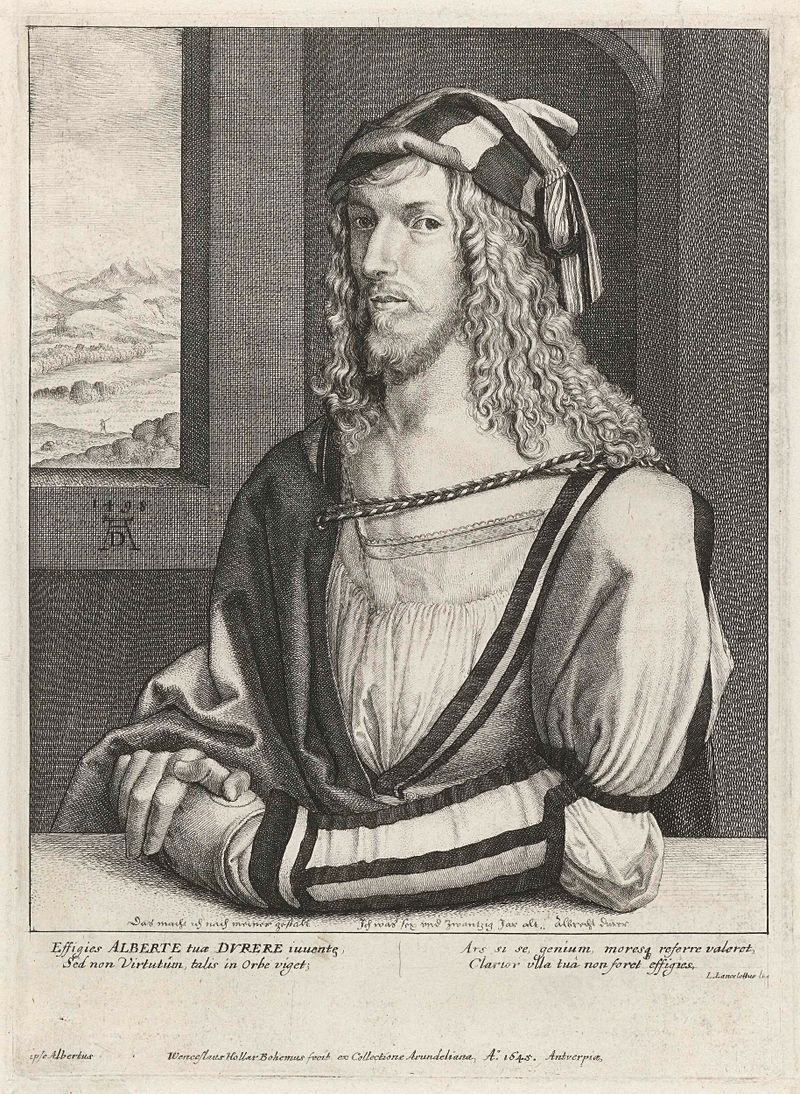
Portret van Albrecht Dürer
Wenceslaus Hollar
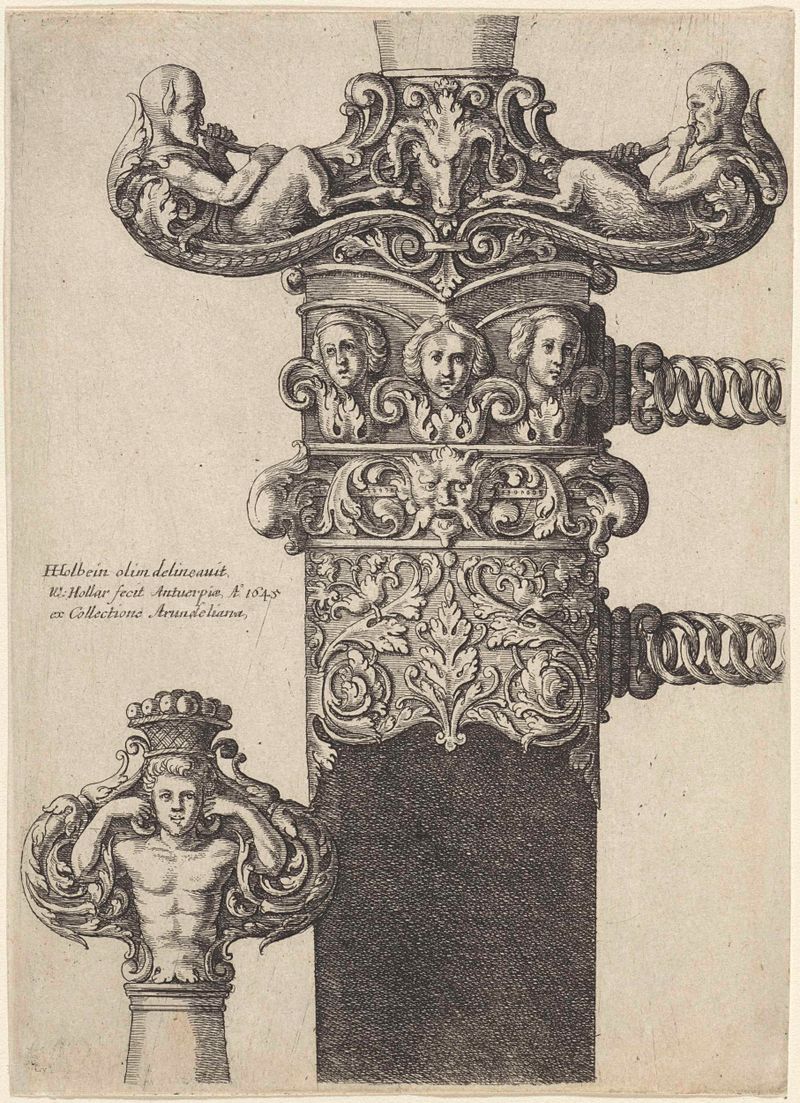
Ornamenteel ontwerp voor een dolk
Wenceslaus Hollar
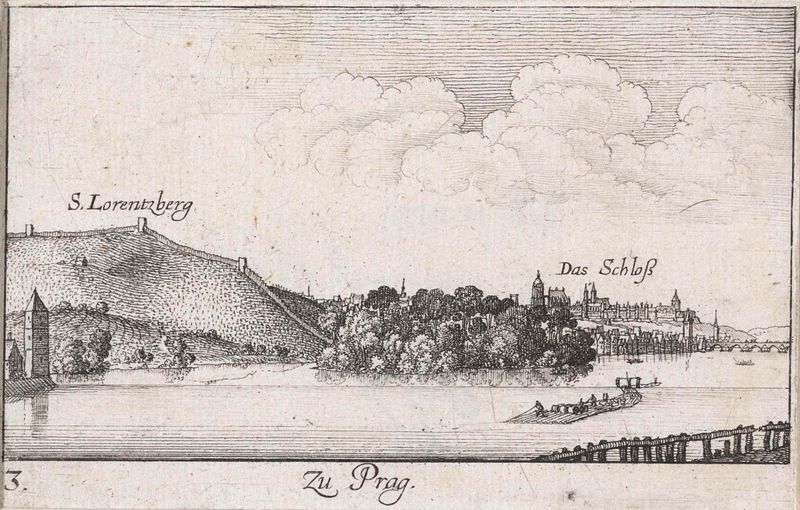
Gezicht op Praag vanaf de Moldau
Wenceslaus Hollar
More Portrait Art
Browse all →
Las meninas
Diego Velázquez

Self-portrait with a Bandaged Ear and Pipe
Unidentified artist

Girl with a Pearl Earring
Johannes Vermeer

The Sampling Officials of the Amsterdam Drapers’ Guild, Known as ‘The Syndics’
Rembrandt van Rijn

The Hundred Guilder Print: the man seen on the back in the lower left corner
Rembrandt van Rijn

Portrait of Dr Gachet
Vincent van Gogh