
Discover insights about this artwork
Truth, Time and History — History & Facts
In Truth, Time and History, Francisco de Goya presents a dramatic scene filled with allegorical figures. The colors are rich and dark, creating a somber mood. Central figures embody concepts of truth, time, and history, depicted in a dynamic composition.
The background features a tumultuous sky, enhancing the emotional intensity of the work. The painting is executed in oil on canvas, a medium that allows for deep color saturation and texture. Goya's brushwork is expressive, with visible strokes that add to the sense of movement. The dimensions are approximately 150 x 200 cm, making it a large and impactful piece.
Viewers can appreciate the intricate details and the interplay of light and shadow. Francisco de Goya created this work during a period of personal and political turmoil in Spain. It reflects his interest in the themes of truth and the passage of time, often questioning historical narratives. An interesting fact about this painting is that it was part of a series that explored similar allegorical themes.
Goya's ability to convey complex ideas through visual art makes this work significant in the Romantic movement.
More Artworks by Francisco de Goya
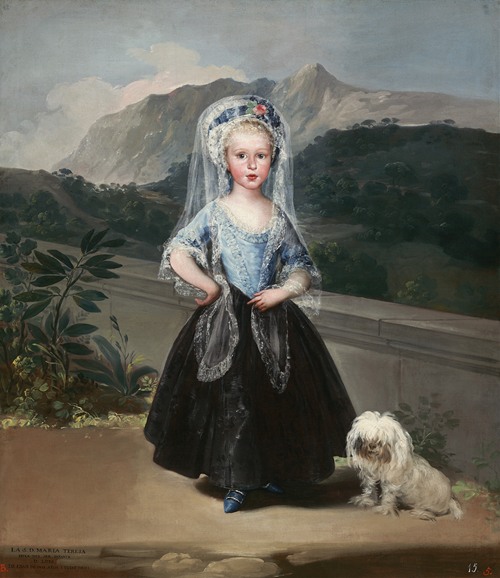
María Teresa de Borbón y Vallabriga,later Condesa de Chinchón
Francisco de Goya
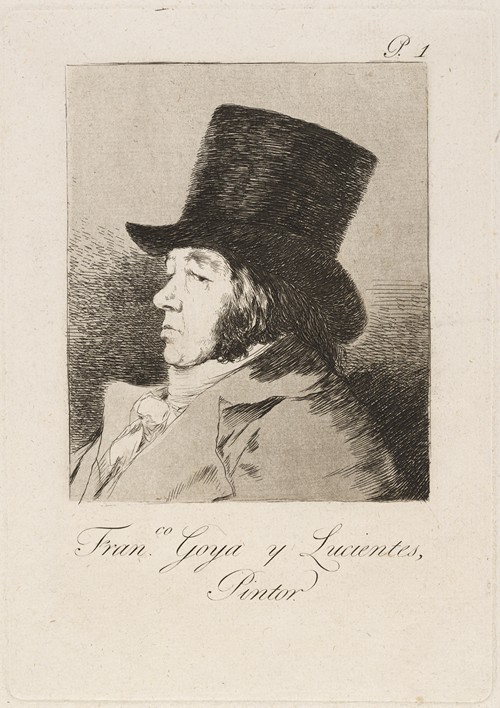
Francisco Goya y Lucientes, Pintor (Francisco Goya y Lucientes, painter)
Francisco de Goya
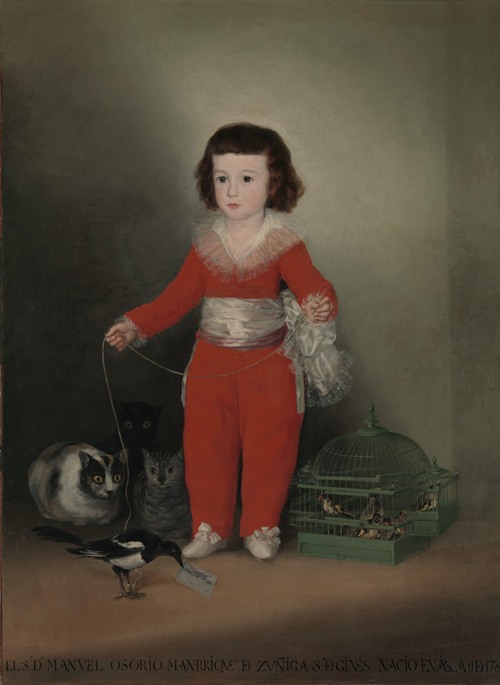
Manuel Osorio Manrique de Zuñiga (1784–1792)
Francisco de Goya
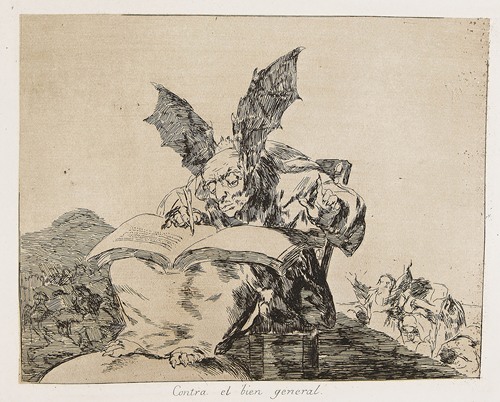
Los desastres de la guerra
Francisco de Goya
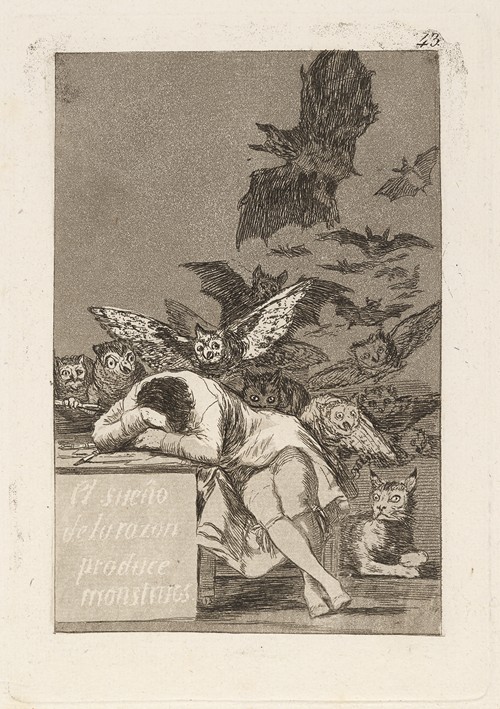
El sueño de la razon produce monstruos. (The sleep of reason produces monsters.)
Francisco de Goya
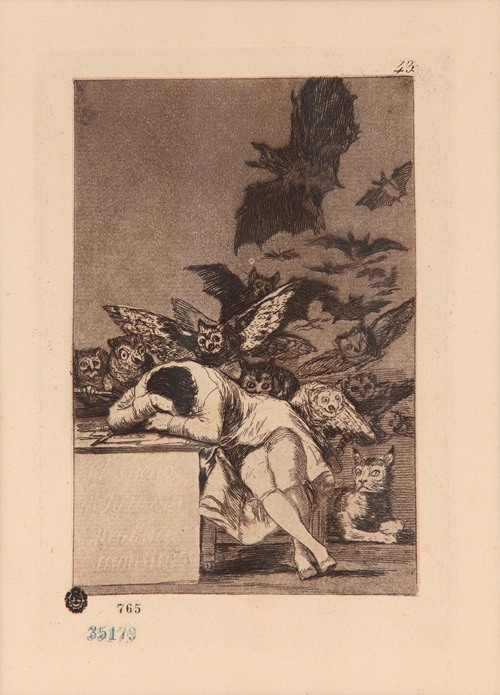
El sueño de la razon produce moustruos (Serie Caprichos)
Francisco de Goya
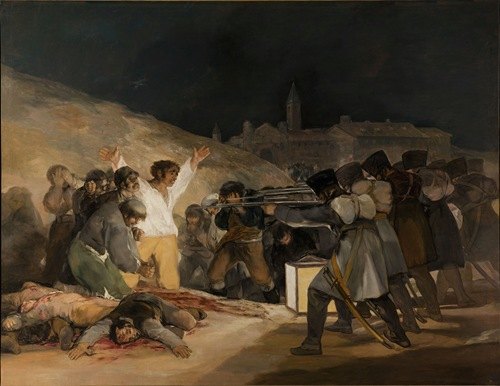
The Third of May
Francisco de Goya
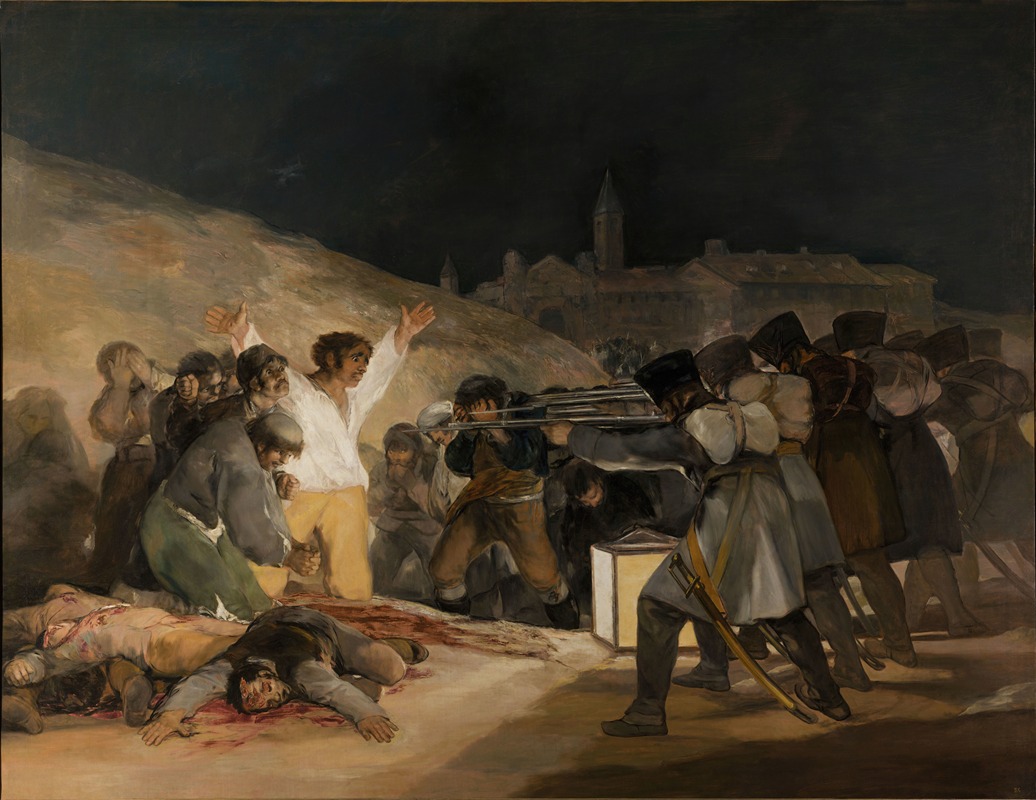
The Third of May 1808
Francisco de Goya
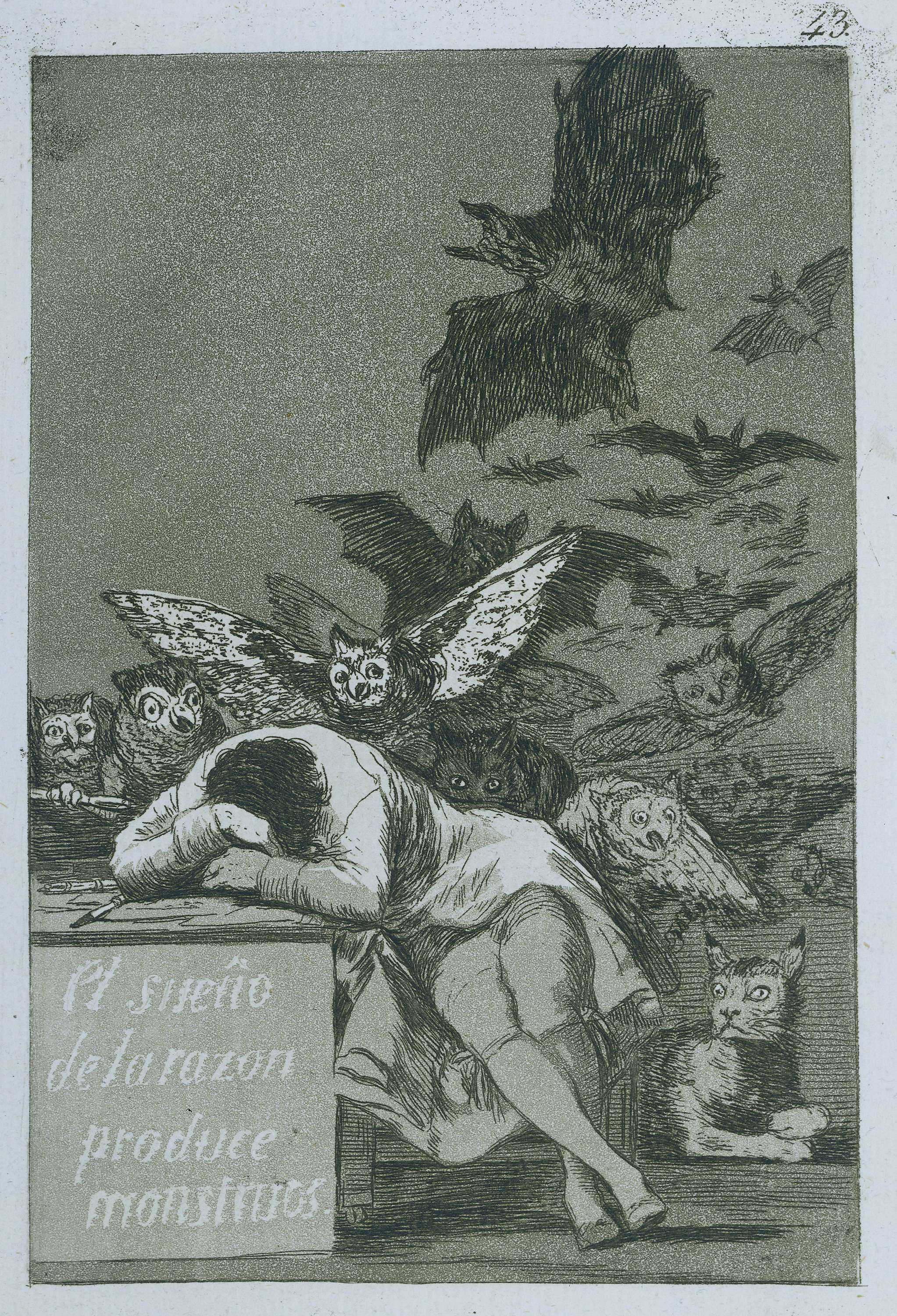
De slaap van de rede brengt monsters voort
Francisco de Goya
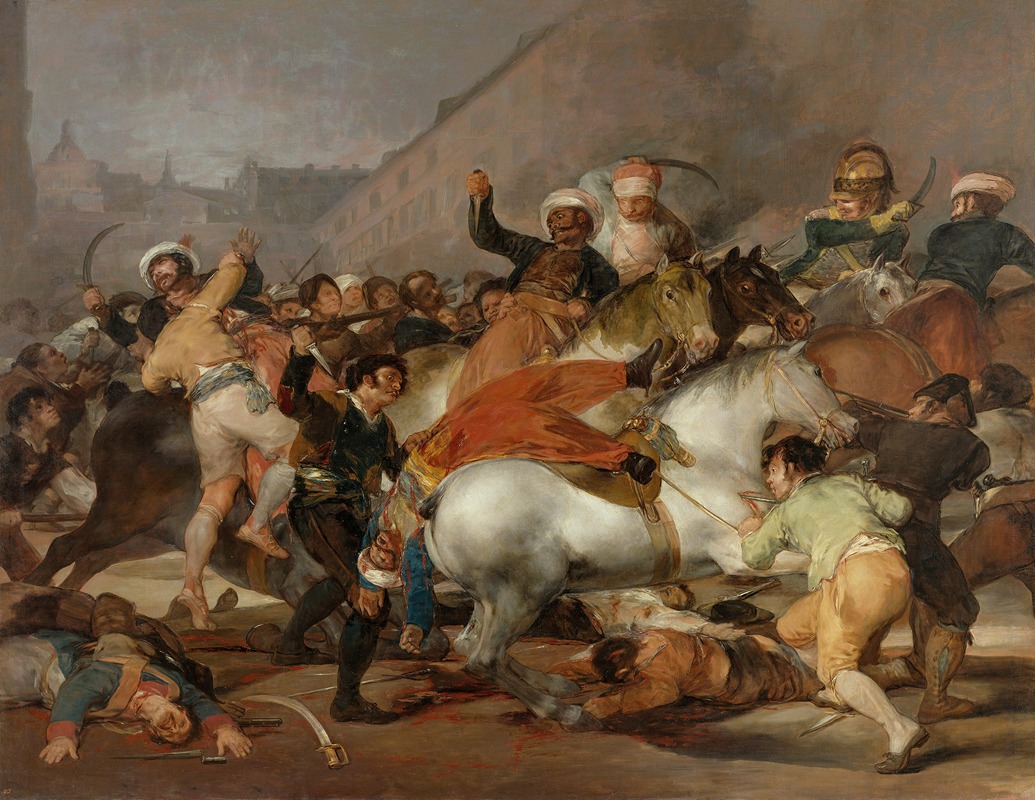
The Charge of the Mamelukes (1814)
Francisco de Goya
More Allegory Art
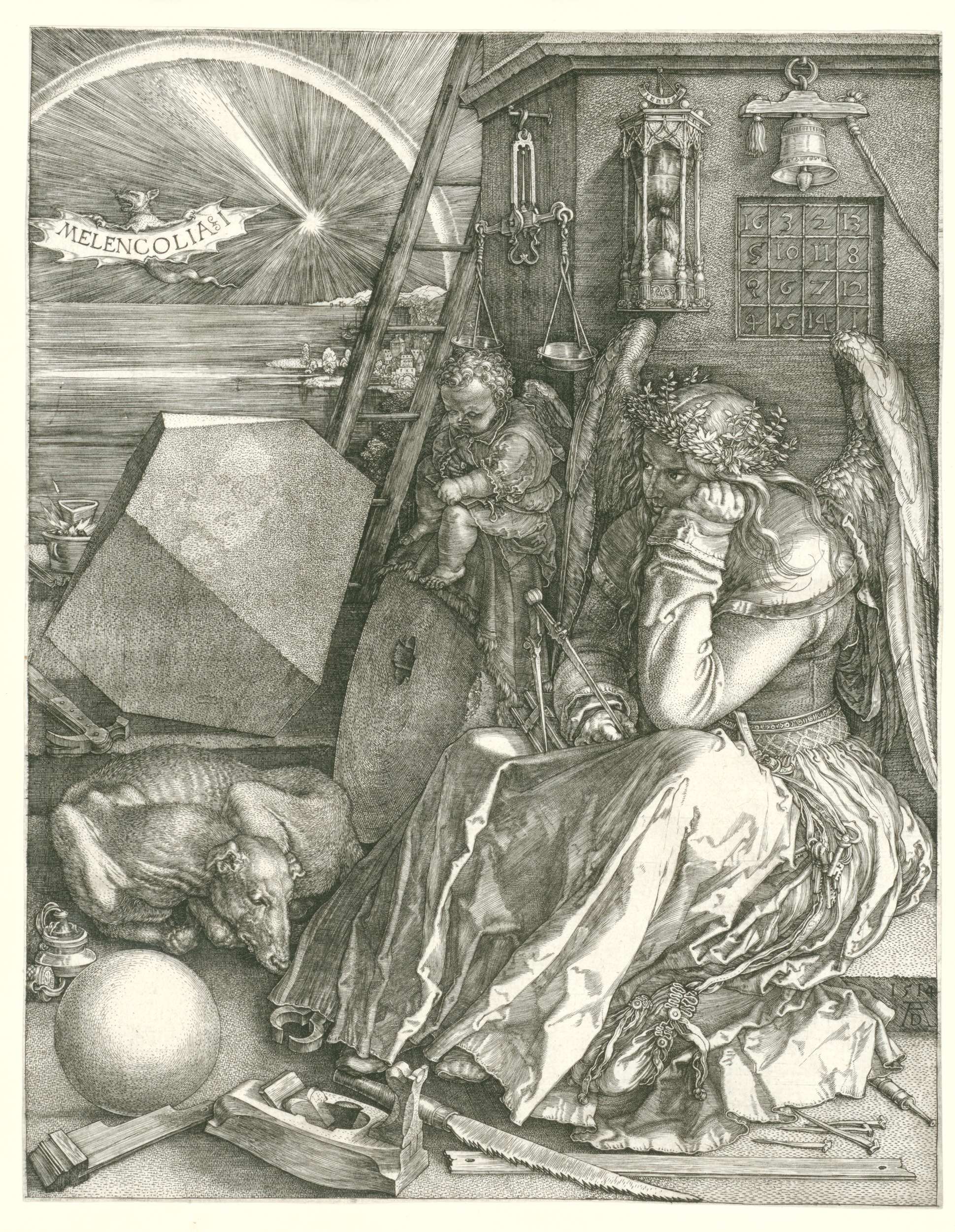
Melancholia
Albrecht Dürer
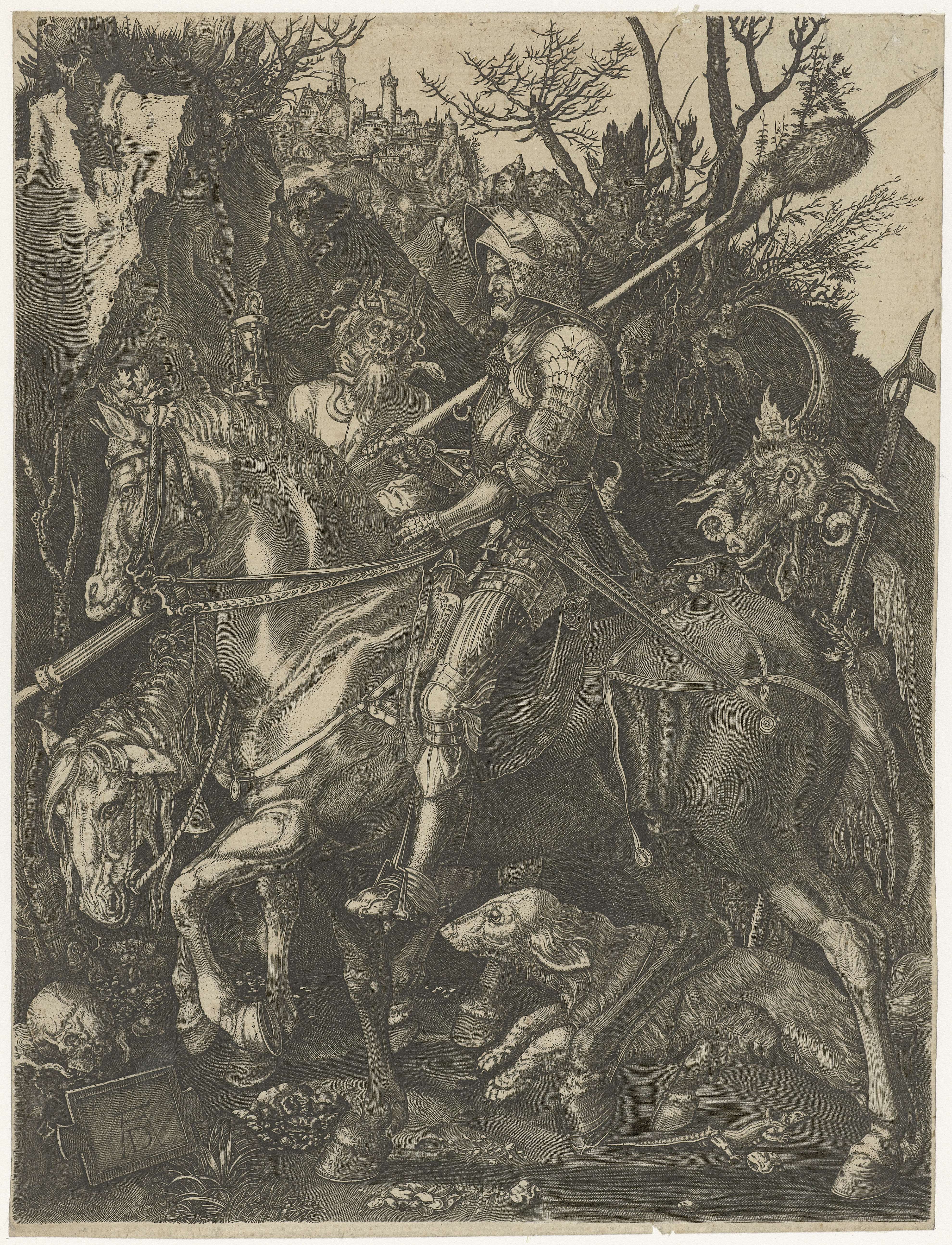
Ridder, Dood en Duivel
Unknown Artist
El sueño de la razon produce monstruos. (The sleep of reason produces monsters.)
Francisco de Goya
El sueño de la razon produce moustruos (Serie Caprichos)
Francisco de Goya
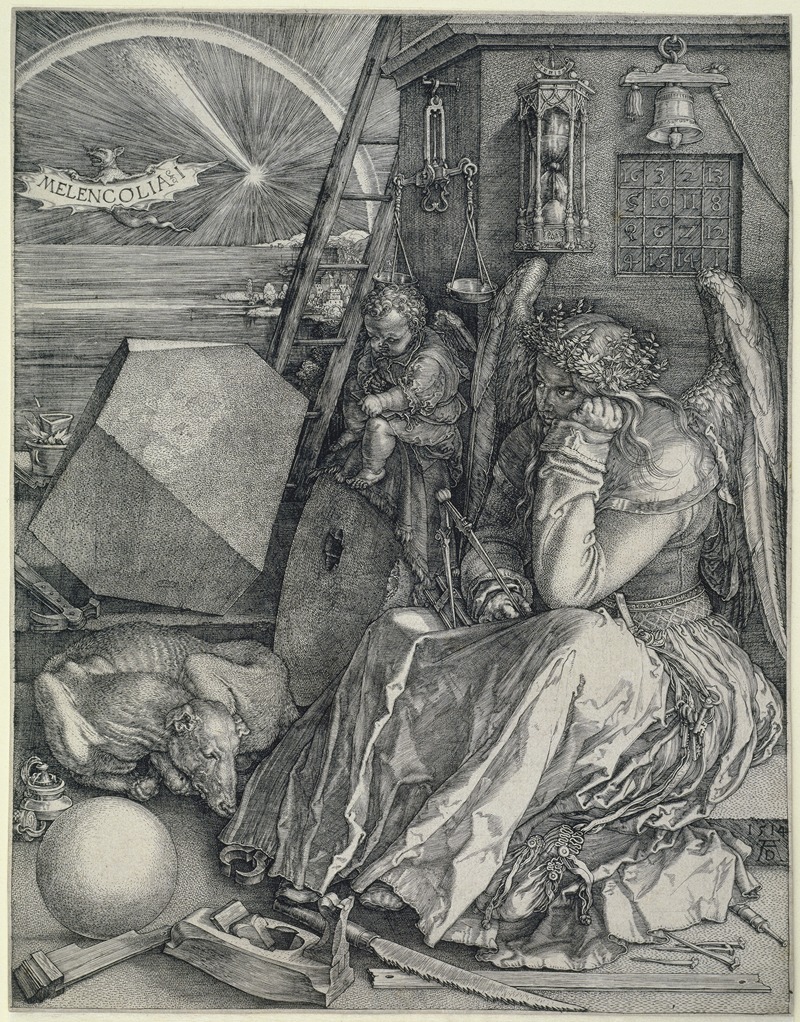
Melencolia I (The Melancholy)
Albrecht Dürer
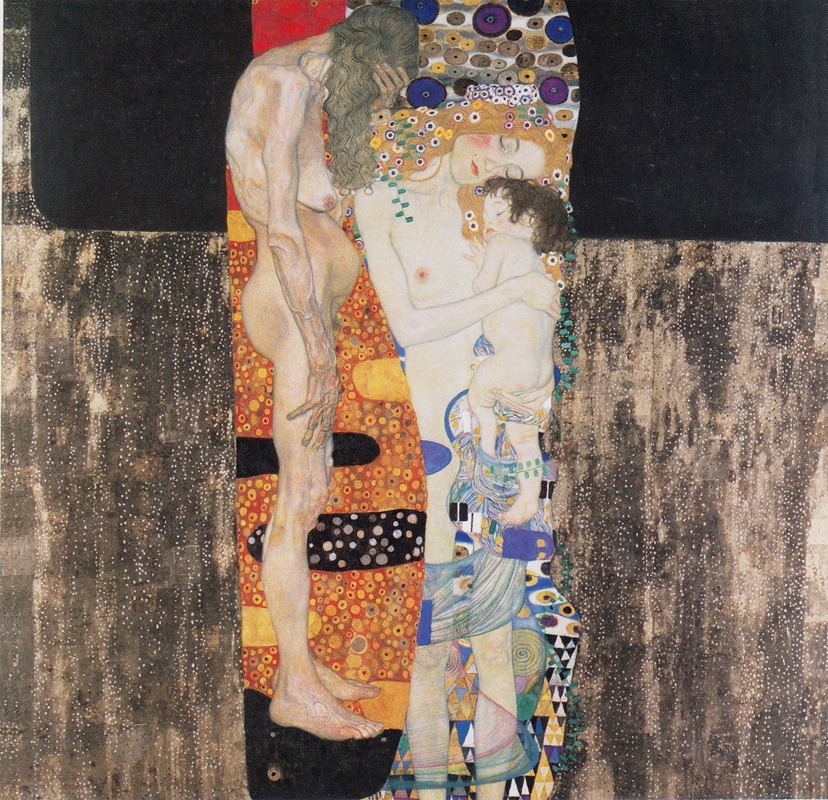
The Three Ages of the Woman
Gustav Klimt