
Tsukiyo no Fuji, Kawaibashi (Mt. Fuji in moonlight, Kawai Bridge) — History & Facts
Could beauty survive in a century of chaos? In Tsukiyo no Fuji, Kawaibashi, quietude triumphs over turmoil, offering a serene glimpse into a world untouched by the noise of modernity. The delicate interplay between nature and human presence reveals not just what is seen, but an awakening of the soul. Look to the center, where the tranquil waters of the river reflect the luminous moon. Notice how the soft blues and silvery whites harmonize, enveloping the scene in a gentle glow.
The silhouette of Kawai Bridge, arched gracefully against the backdrop of Mt. Fuji, serves as a bridge not only for travelers but also between realms—earthly and ethereal. The composition draws the viewer’s eye toward the mountain, its majestic presence looming peacefully in the night sky, while the darker hues of the surrounding landscape contrast with the moon’s radiance. Beneath the surface, this work speaks to resilience and continuity.
The bridge stands as a metaphor for connection—between past and present, nature and humanity. The calmness of the water juxtaposes the towering mountain, suggesting a balance between fleeting moments and timeless beauty. This serene image invites contemplation: in a world often marred by chaos, can such tranquility endure, awakening a sense of hope? In 1947, Kawase Hasui painted this piece during a period of post-war recovery in Japan.
The artist, a prominent figure in the shin-hanga movement, aimed to capture the beauty of the Japanese landscape while promoting traditional aesthetics amidst rapid modernization. His works reflected a deep appreciation for nature, and this piece, with its tranquil scene, exemplified his desire to reconnect with Japan's cultural roots during a tumultuous time.
More Artworks by Kawase Hasui
Browse all →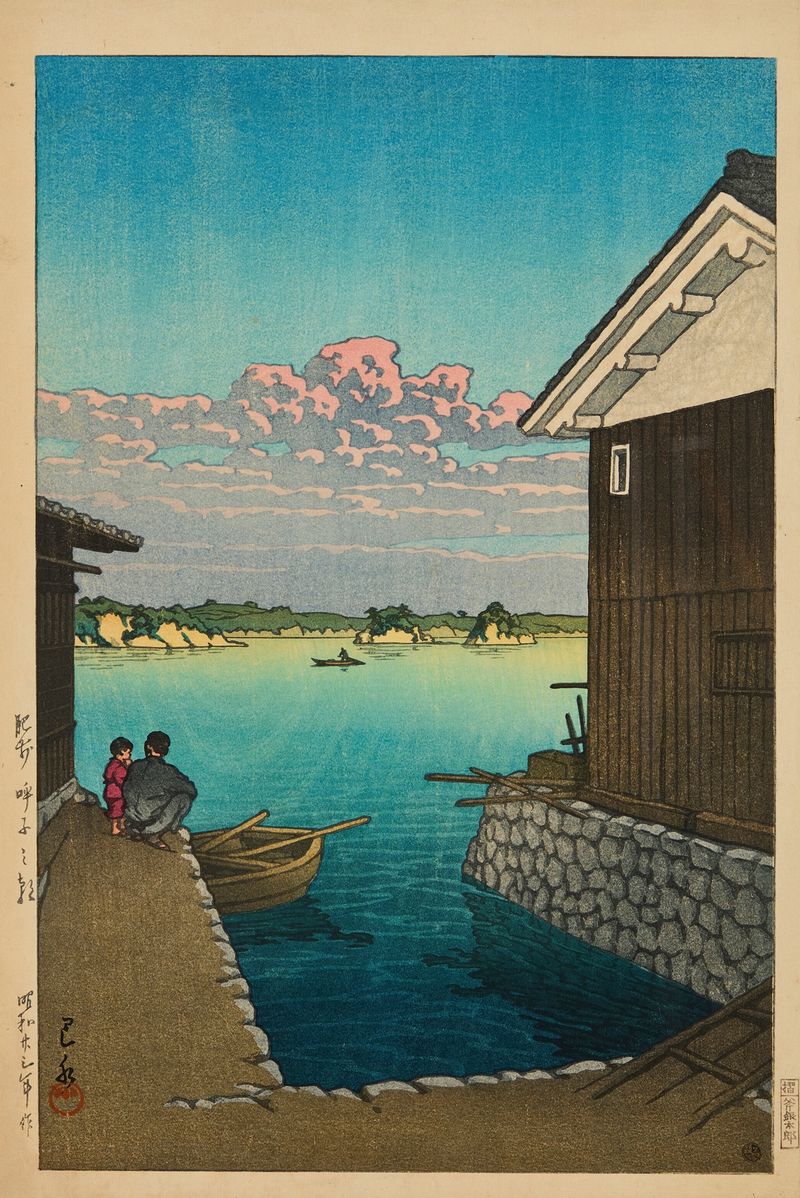
Hizen Yobuko no asa (Morning in Yobuko, Hizen)
Kawase Hasui
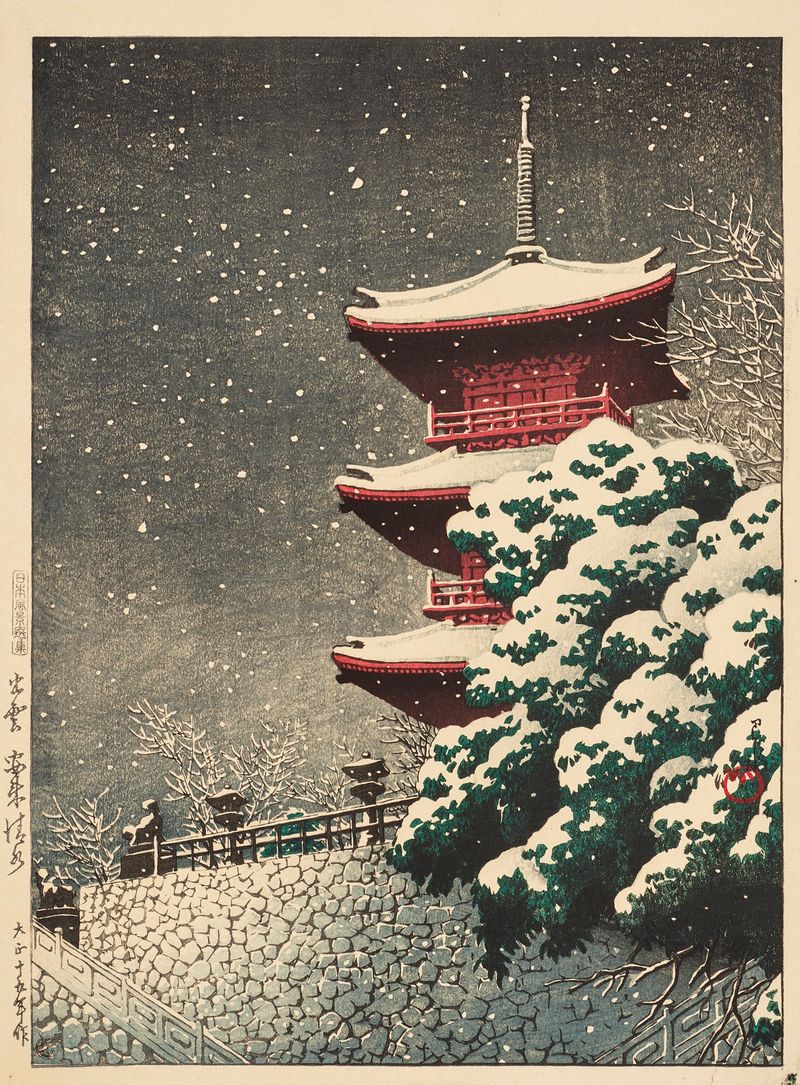
Izumo, Yasugi Kiyomizu (Yasugi Kiyomizu Temple at Izumo)
Kawase Hasui
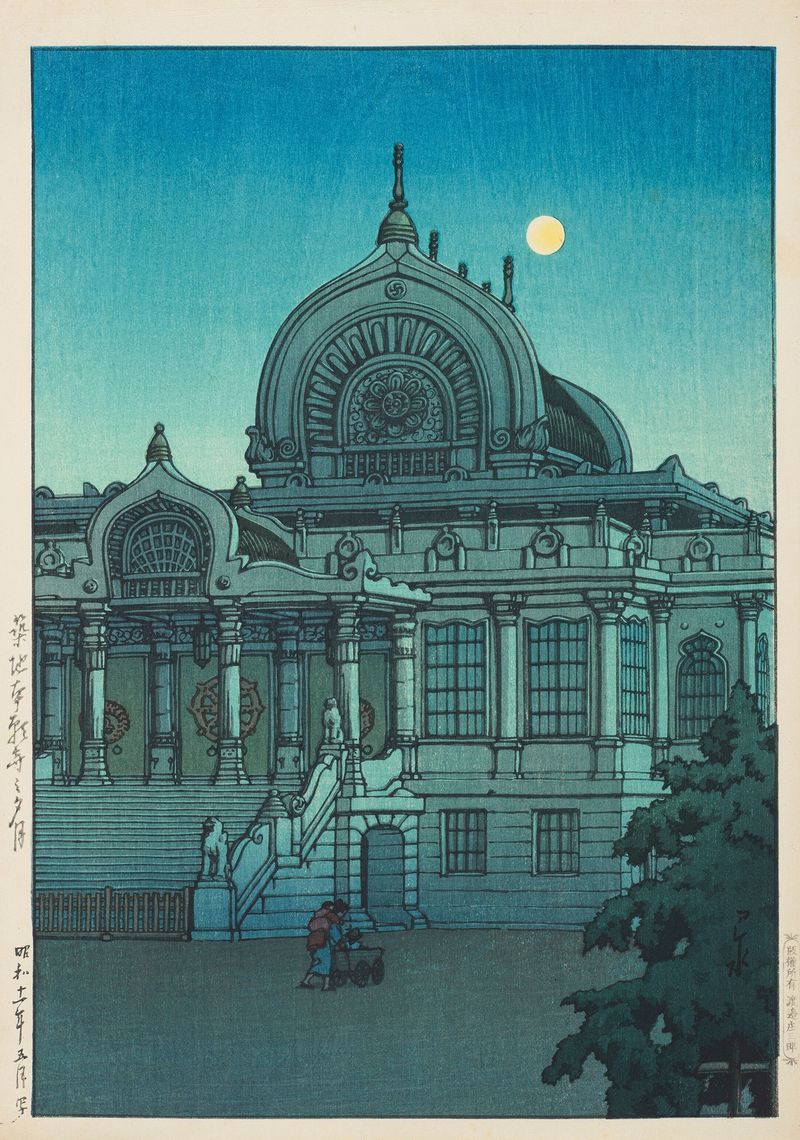
Tsukiji Honganji no yuzuki (Evening moon at Honganji Temple in Tsukiji)
Kawase Hasui
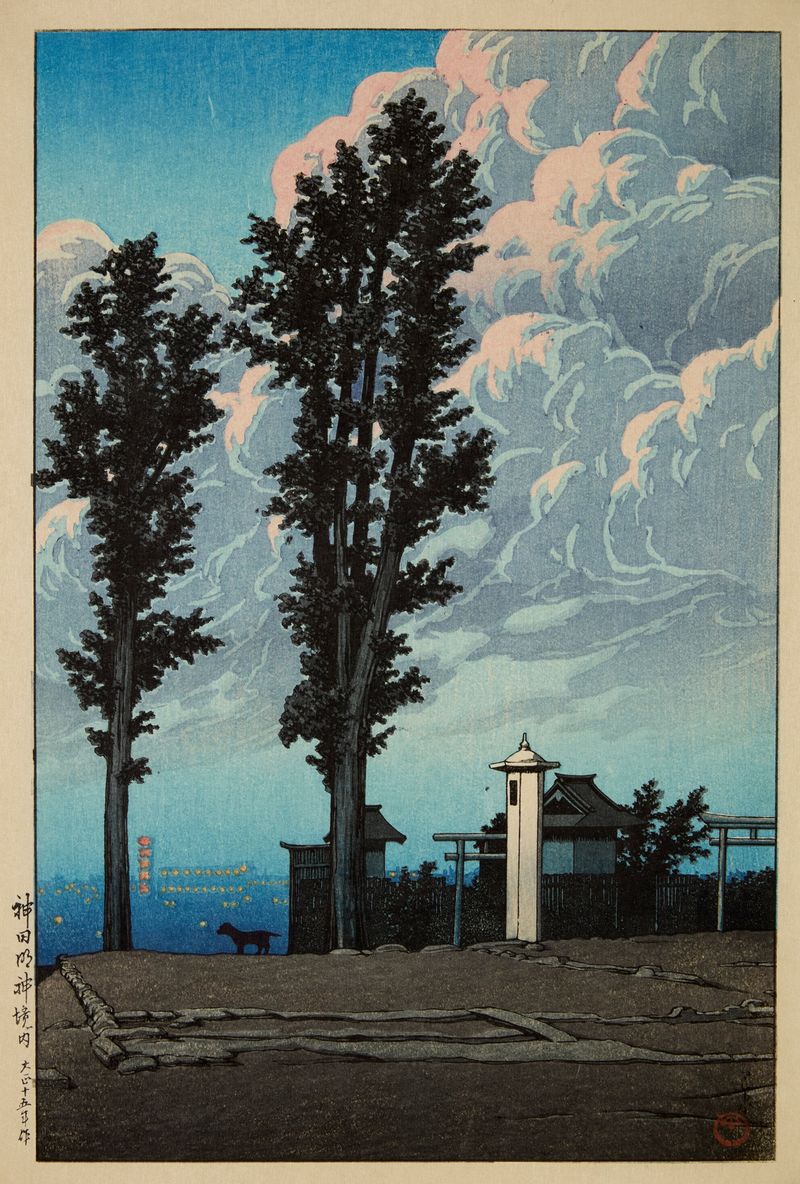
Kanda Myojin keidai (Kanda Myojin Shrine precent)
Kawase Hasui
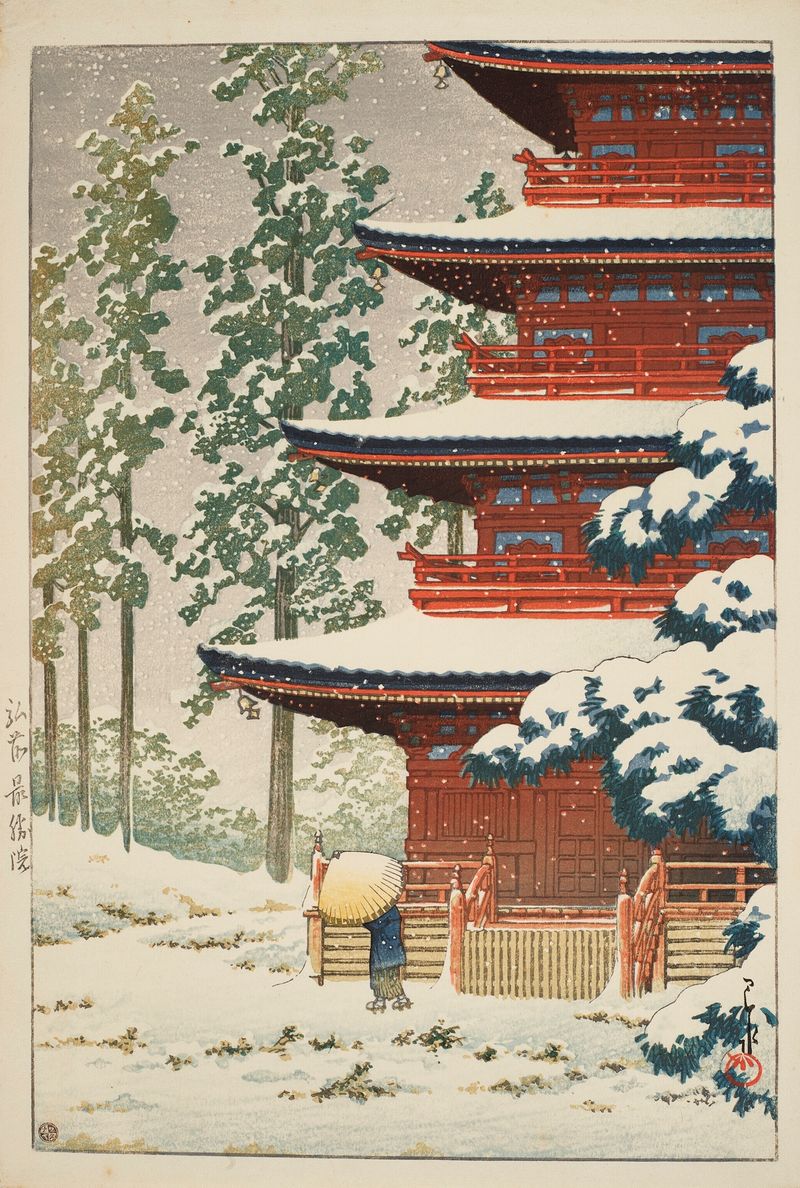
Saisho-in Temple, Hirosaki
Kawase Hasui
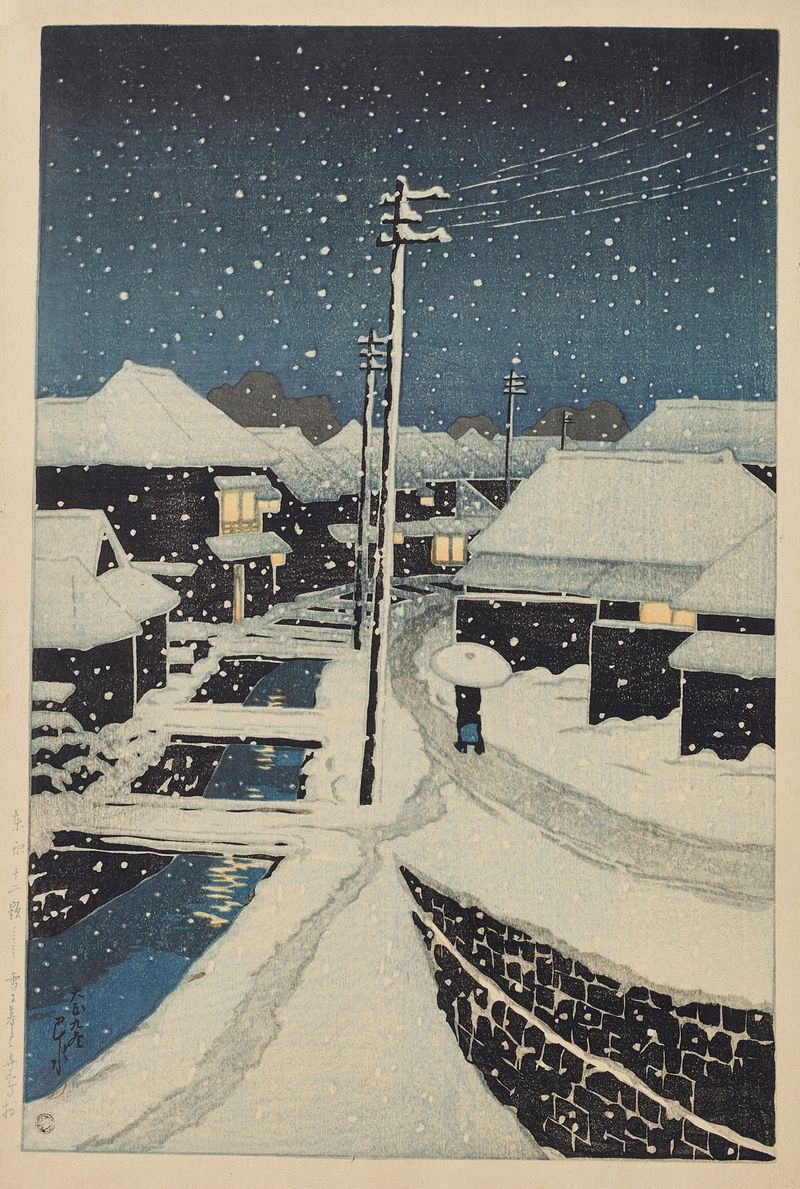
Yuki ni fururu Terajima mura (Evening snow at Terajima Village)
Kawase Hasui
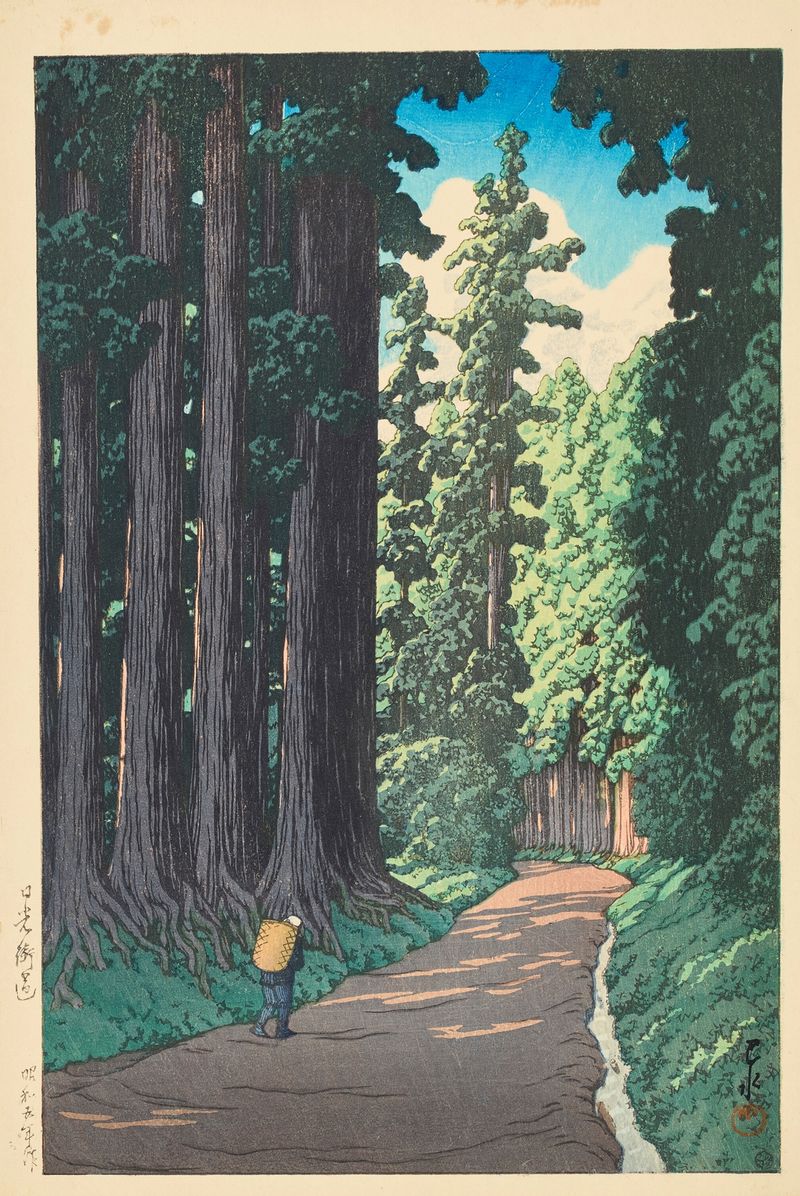
Nikko gaido (The Road to Nikko)
Kawase Hasui
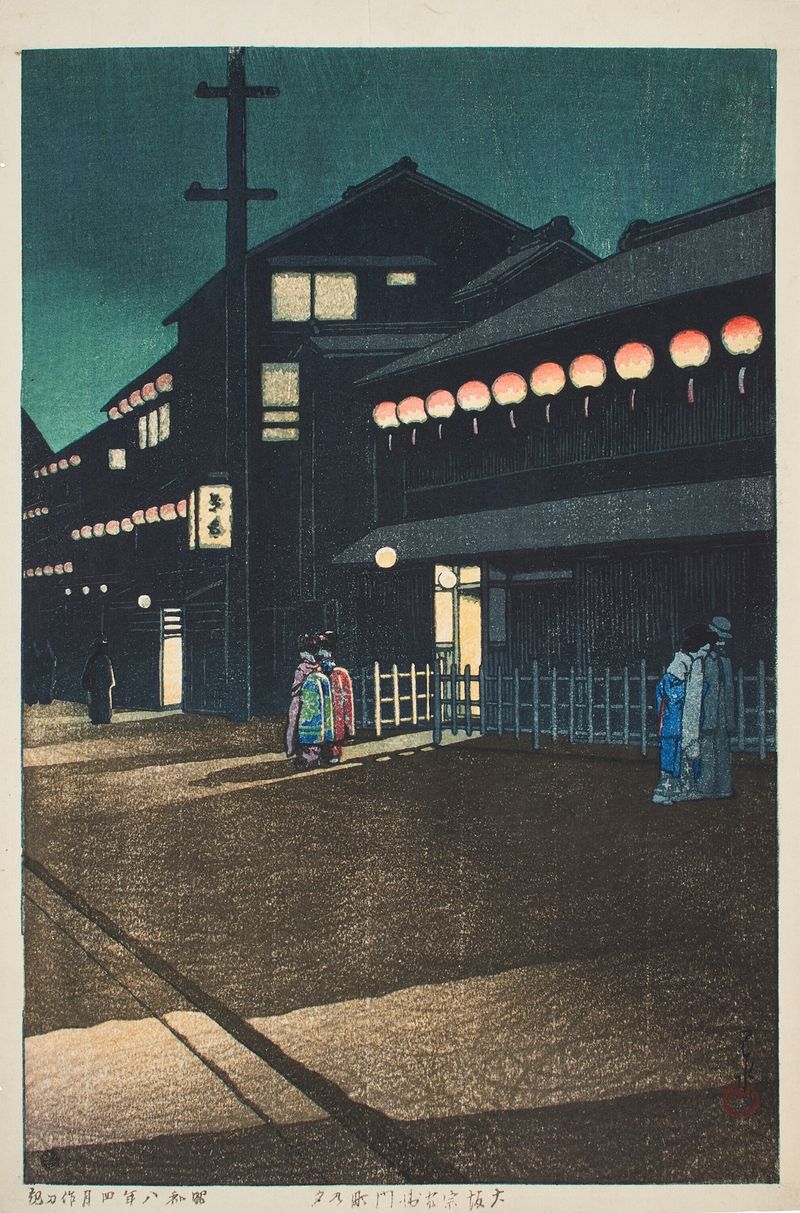
Osaka Soemon-cho no yu (Evening in Soemon-cho, Osaka)
Kawase Hasui
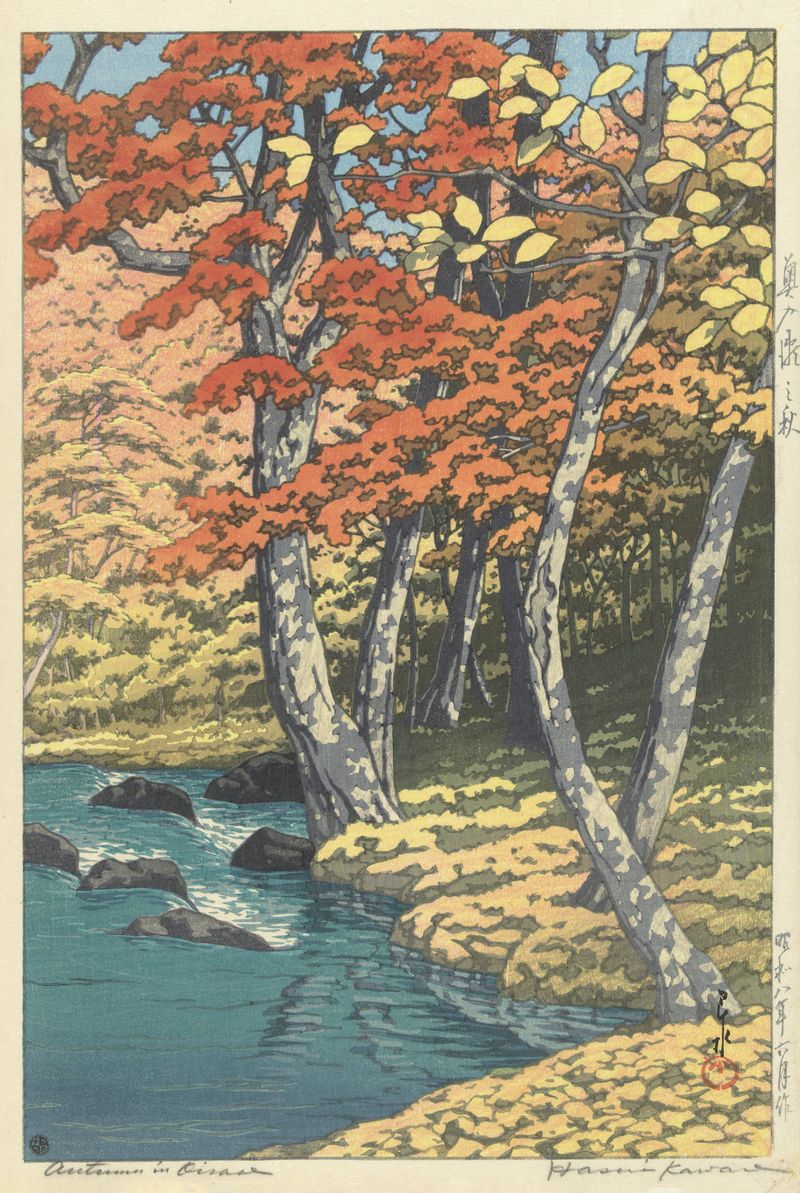
Autumn In Oirase
Kawase Hasui
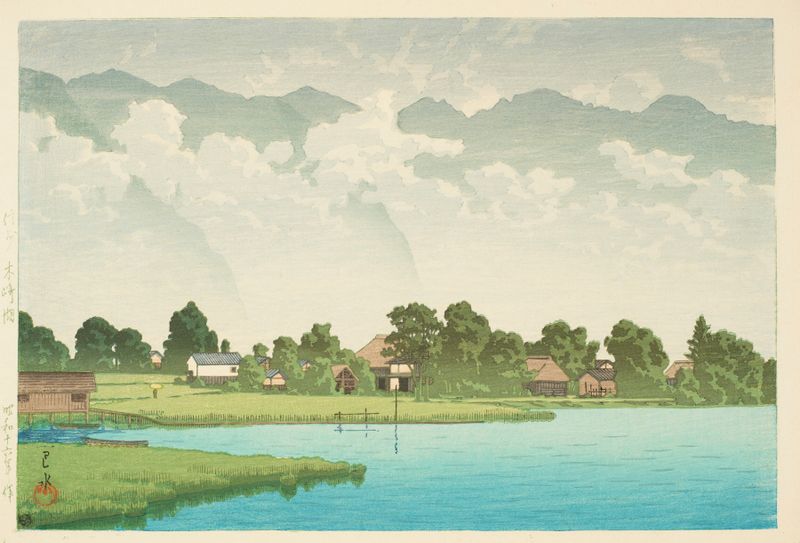
Shinshu Kizakiko (Kizaki Lake in Shinshu)
Kawase Hasui





