Tôtes — History & Facts
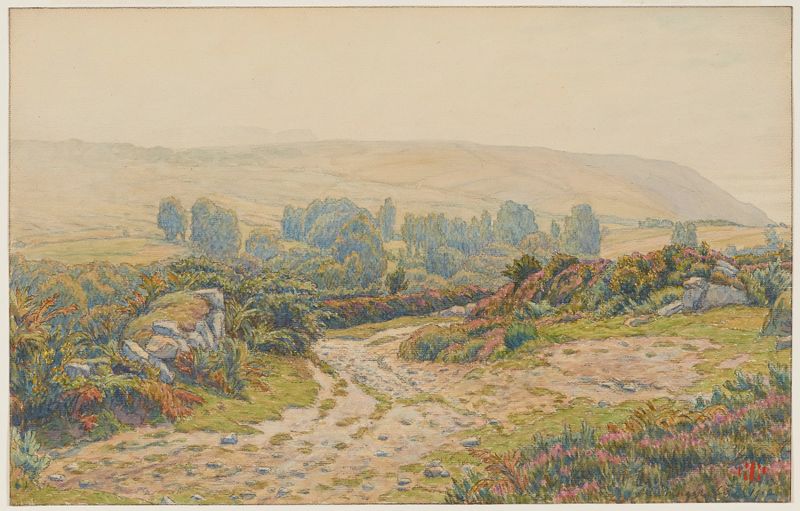
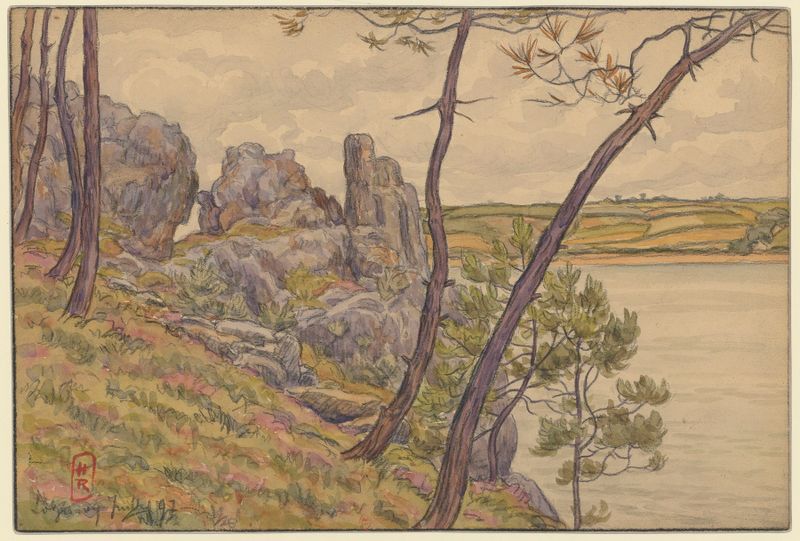
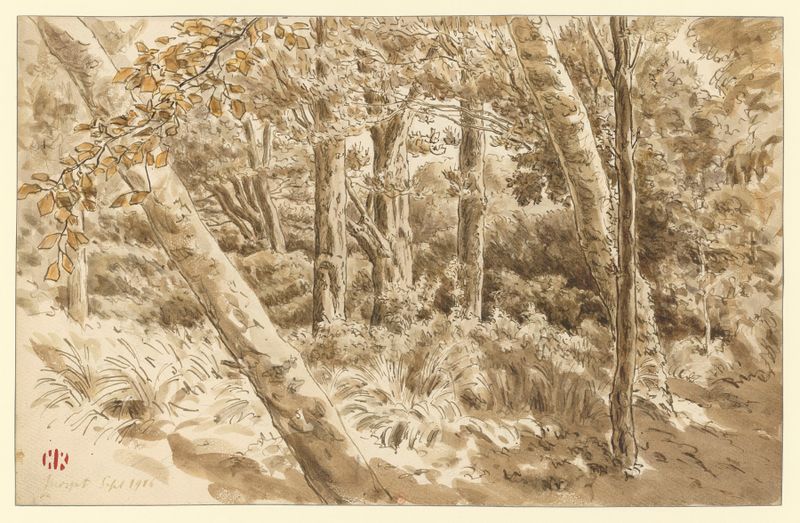
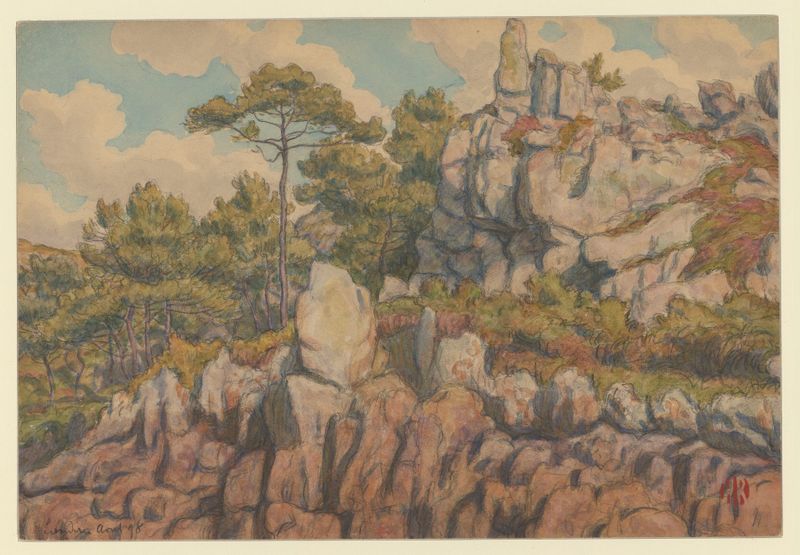
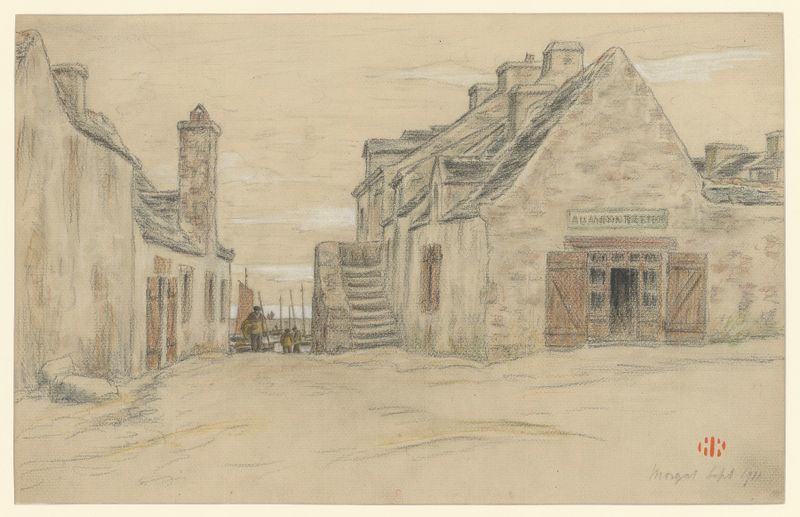
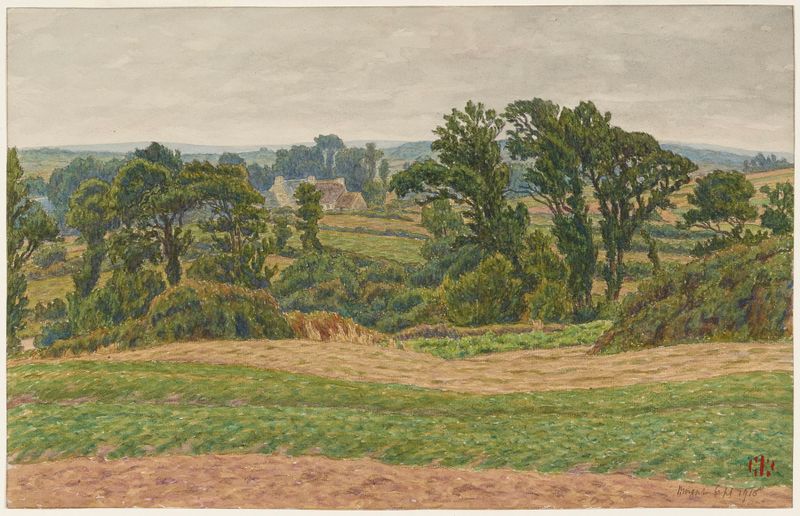
What secret hides in the quiet of the canvas? In Tôtes, the stillness envelops the viewer like a whisper, inviting contemplation of the emptiness that stretches across the landscape. Look to the horizon, where the muted colors blend seamlessly, creating a soft gradient from pale blue to gentle earth tones. Notice how the brushstrokes, both deliberate and fluid, establish a sense of tranquility while suggesting a fleeting moment—perhaps dawn or dusk. The absence of figures allows the viewer’s gaze to linger on the undulating hills and the expanse of sky, evoking a meditative stillness that invites introspection. Delve deeper into the palette's subtlety; the interplay between light and shadow conveys a sense of isolation.
The bare, open space evokes feelings of solitude, prompting a reflection on personal emptiness and the vastness of nature. This unoccupied landscape mirrors the inherent silence in our lives, where the absence of form can be as powerful as presence itself. The delicate hues speak volumes about longing and the unresolved voids we all navigate. Henri Rivière painted Tôtes in 1922 during a period of experimentation in post-Impressionist styles.
Living in France, he was influenced by the tranquility of rural landscapes and the subtlety of light. At this time, the art world was shifting, embracing modernism while still holding onto representational elements. Rivière’s work reflects this transitional phase, where emotion and nature intertwine, inviting viewers into a contemplative dialogue with their own quiet spaces.