Tôtes — History & Facts
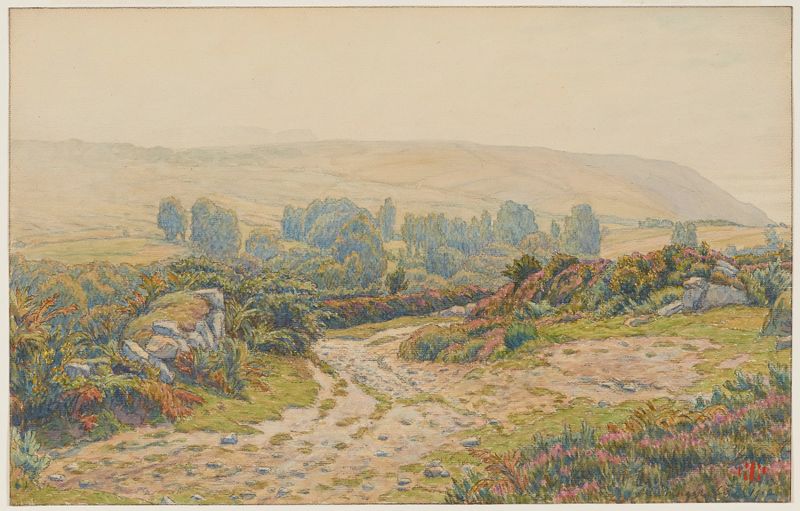
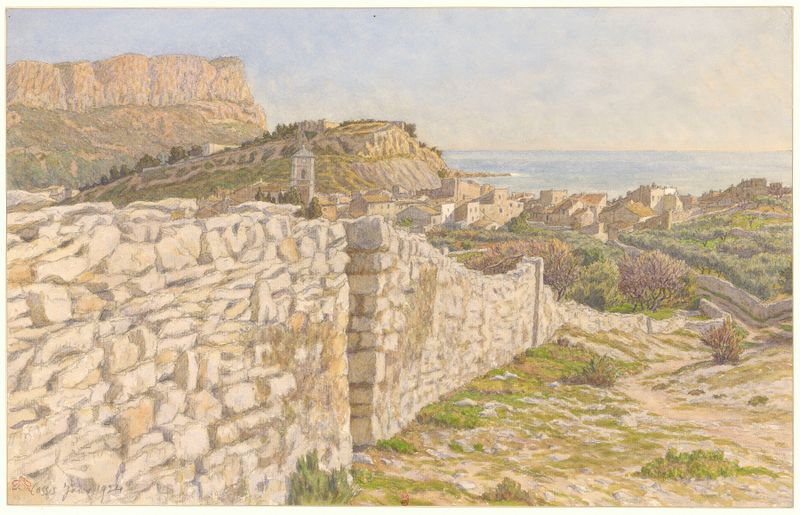
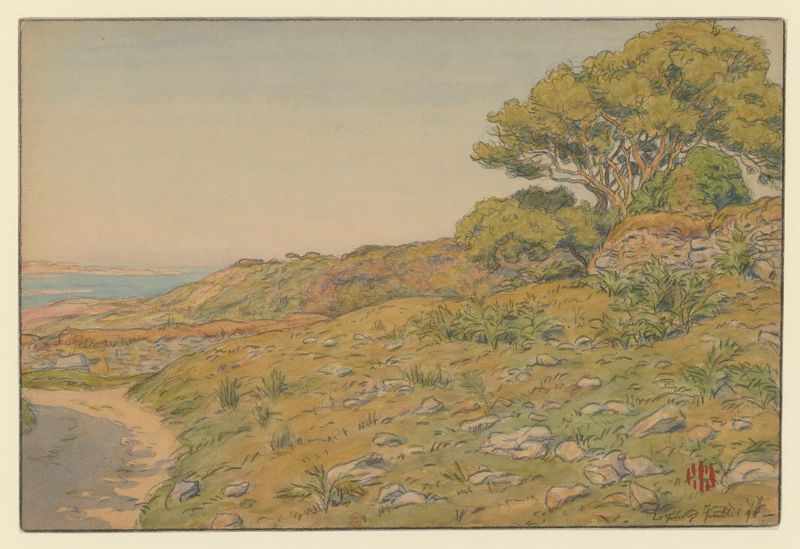
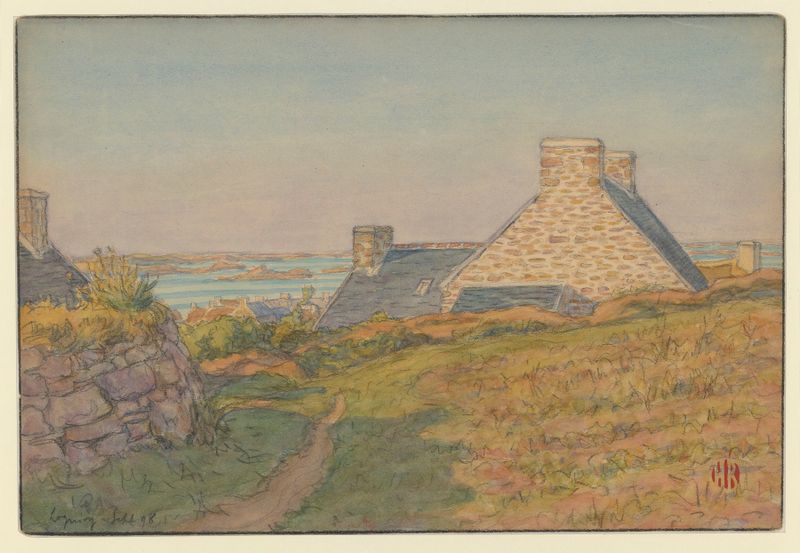
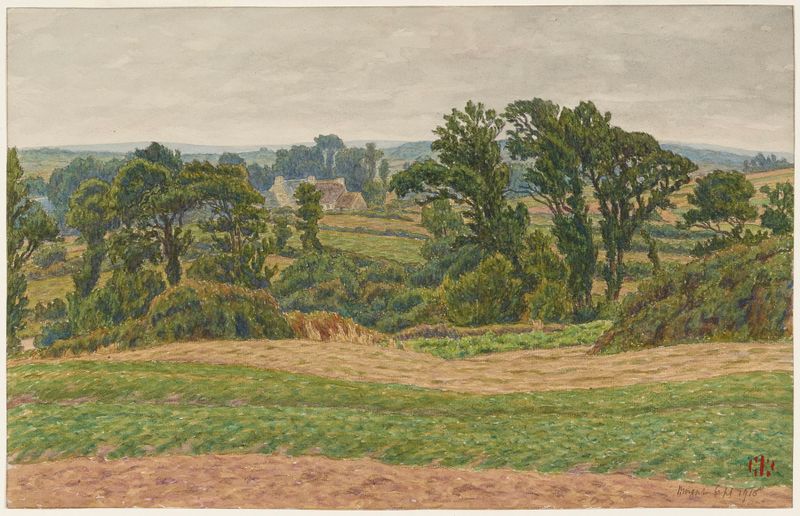
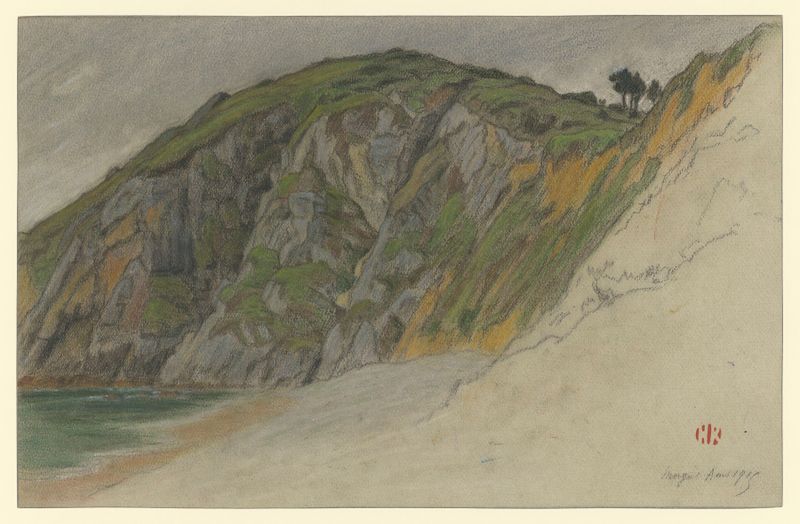
Is this a mirror — or a memory? In Tôtes, the viewer is drawn into a world where the boundaries between reality and recollection blur, inviting a contemplation of obsession that lingers like a haunting melody. Look to the center of the canvas, where gentle waves lap against a shoreline, each brushstroke revealing the meticulous care with which the artist captured the tranquil yet restless essence of water. Notice how the palette shifts — soft blues and muted greens contrast against the starkness of the white sky, creating a dreamlike atmosphere. The composition is masterfully balanced, guiding your gaze naturally from the stillness of the foreground to the distant horizon, where the sea seems to dance with the clouds, suggesting an unending cycle of longing and reminiscence. Hidden within the layers of texture and color lies an emotional depth that speaks of solitude and reflection.
The repetitive shapes of the waves evoke the relentless passage of time, while the starkness of the landscape hints at solitude, as if the scene is a personal sanctuary for the artist's thoughts. This tension between serenity and a sense of yearning reveals an obsession — perhaps with the landscape itself, or with the fleeting nature of memory. In 1925, Rivière painted this work during a time of significant change in the art world, as modernism began to take hold. Living in France, he was influenced by the Symbolist movement, which encouraged introspection and the exploration of dreams and memories.
This period of his life was marked by a deep engagement with nature, as well as a desire to capture ephemeral beauty, both echoing in the depths of Tôtes.