Tôtes — History & Facts
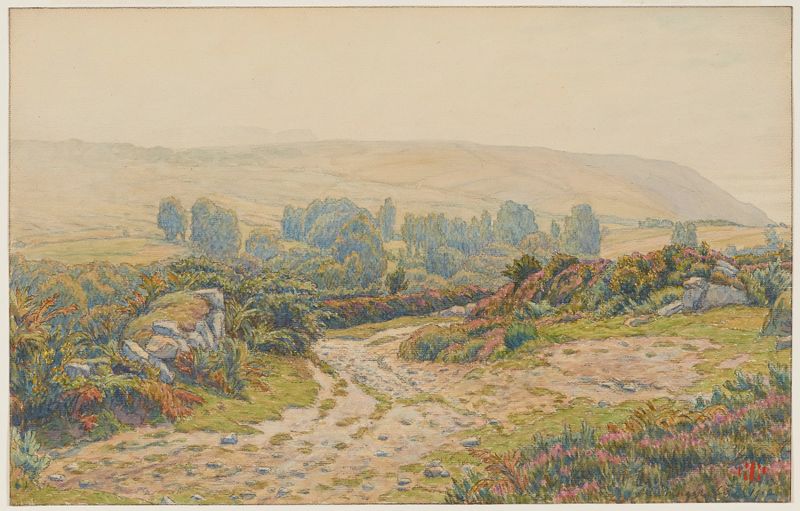
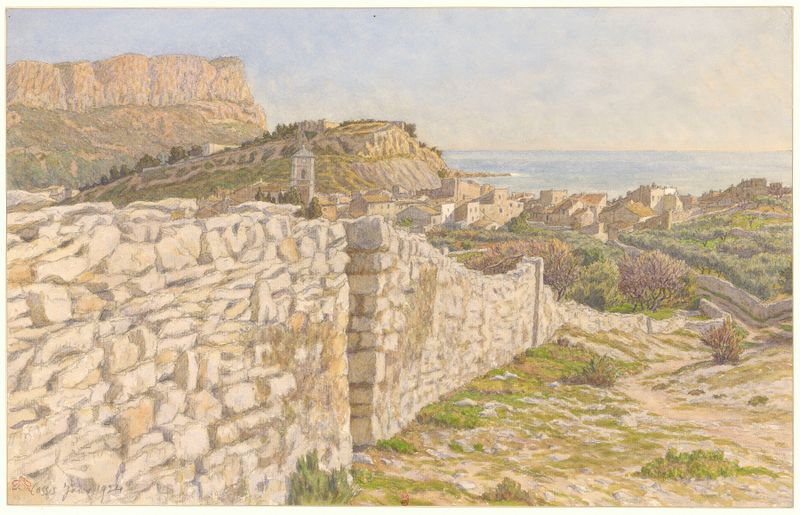
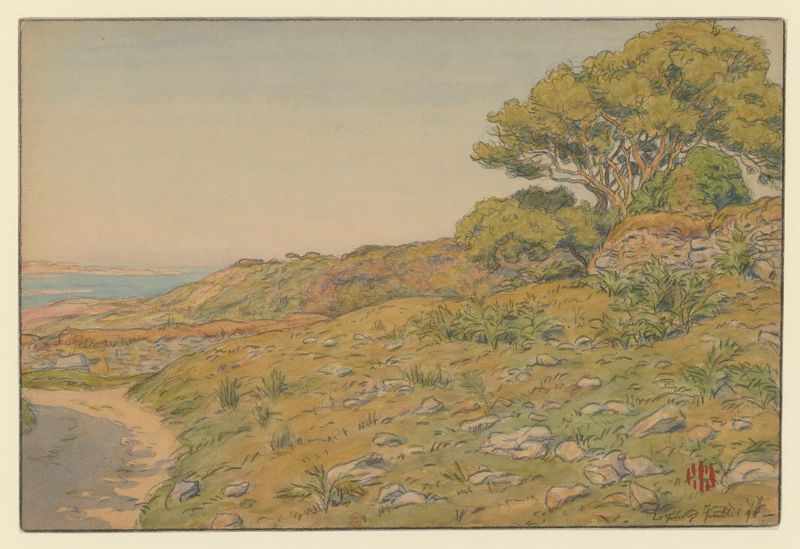
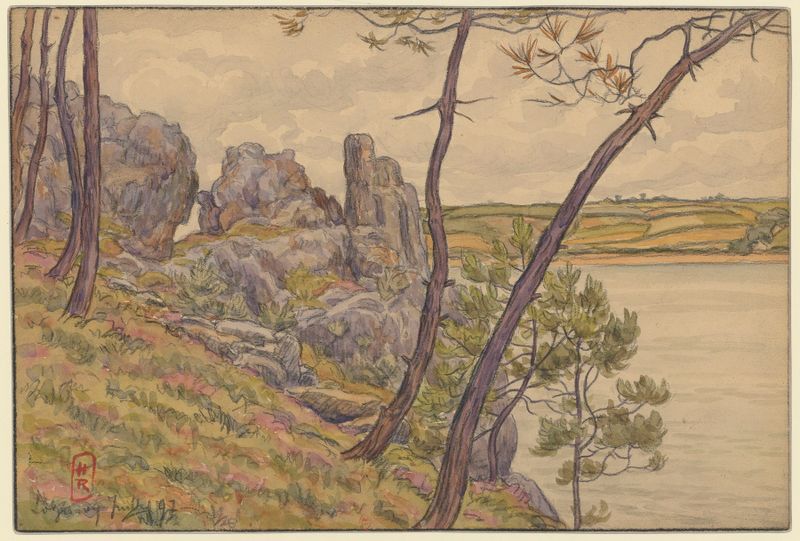
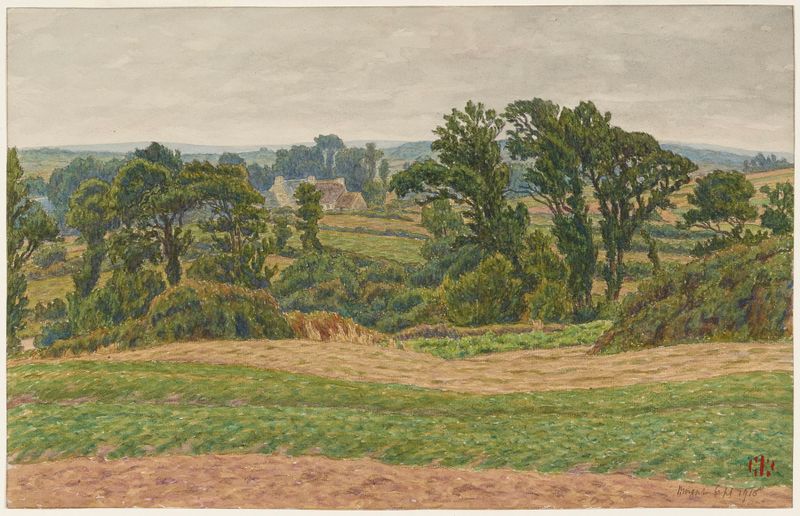
Could beauty survive in a century of chaos? The question lingers in the air, almost palpable, as one gazes upon the serene landscape captured in this remarkable work. It serves as a whisper of hope amidst the tumult of the early 20th century, where the world was grappling with profound change and uncertainty. Look to the right, where a tranquil river meanders through the scene, its gentle curves guiding the eye into a lush, green paradise. The artist’s deft brushwork presents a delicate balance of light and shadow, emphasizing the interplay between the soft hues of a fading sky and the bold greens of the foliage.
Notice how the colors blend seamlessly — the radiant oranges and pinks of dusk reflect off the water, creating a mesmerizing dreamscape that invites the viewer to step into this moment of stillness. Beneath the idyllic surface lies a tension between beauty and fragility. The vibrant flora, blooming with life, stands in stark contrast to the looming shadows that hint at the uncertainties of the era. Each brushstroke reveals a depth of emotion; the lushness represents resilience, while the encroaching darkness suggests the inevitable change that time brings.
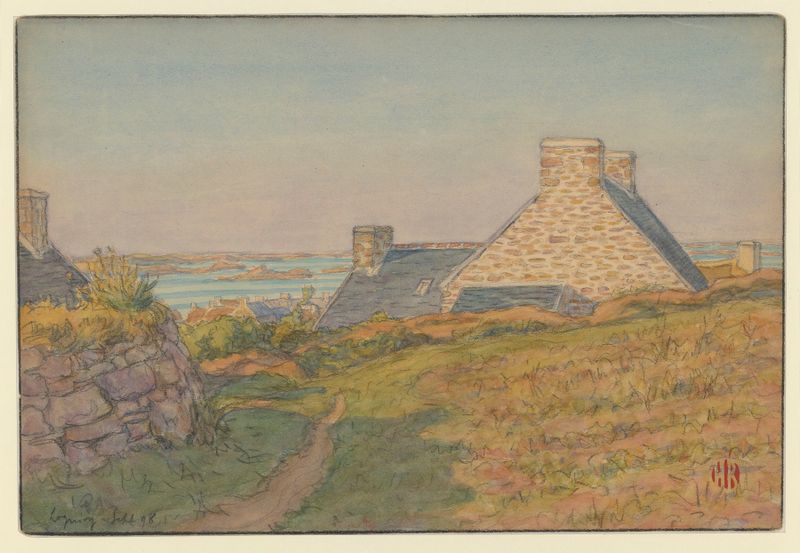
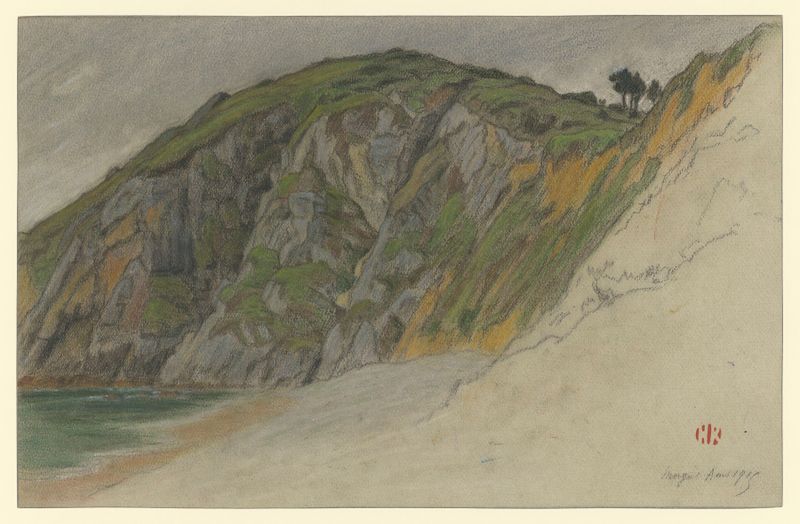
This duality prompts reflection on the transient nature of beauty and the persistent hope that it can thrive even in trying times. Created in 1925, this piece emerges from a period of personal and artistic exploration for its creator, who was deeply influenced by the Symbolist movement. During this time, Rivière was residing in France, where he immersed himself in the varied landscapes, capturing their essence with a distinctive style that combined impressionism and a nuanced attention to detail. The world was facing the aftermath of the Great War, yet in this work, Rivière sought to encapsulate a moment of peace and beauty that defied the chaos surrounding him.