Tôtes — History & Facts
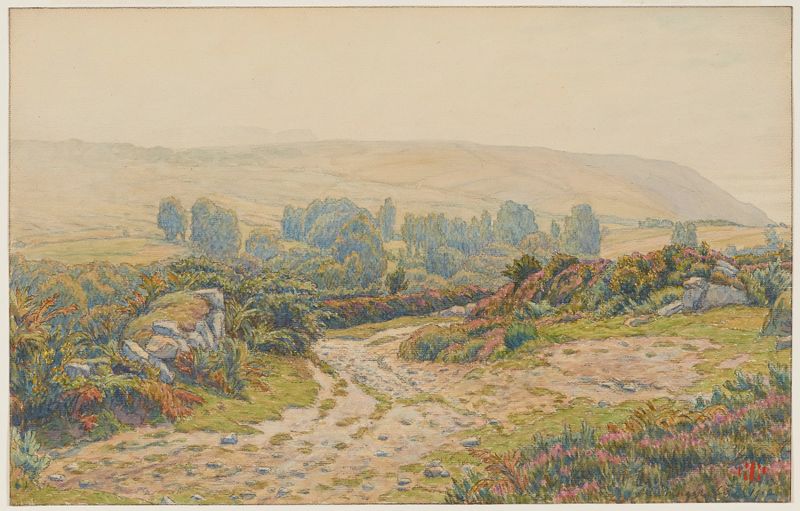
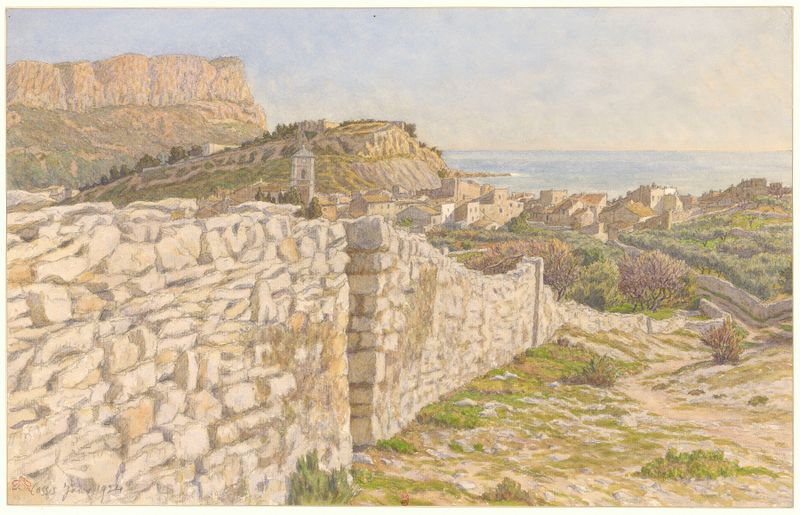
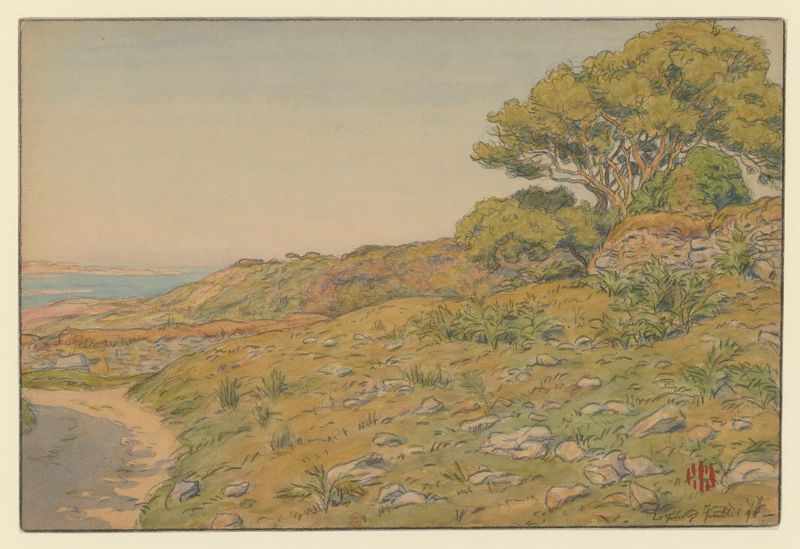
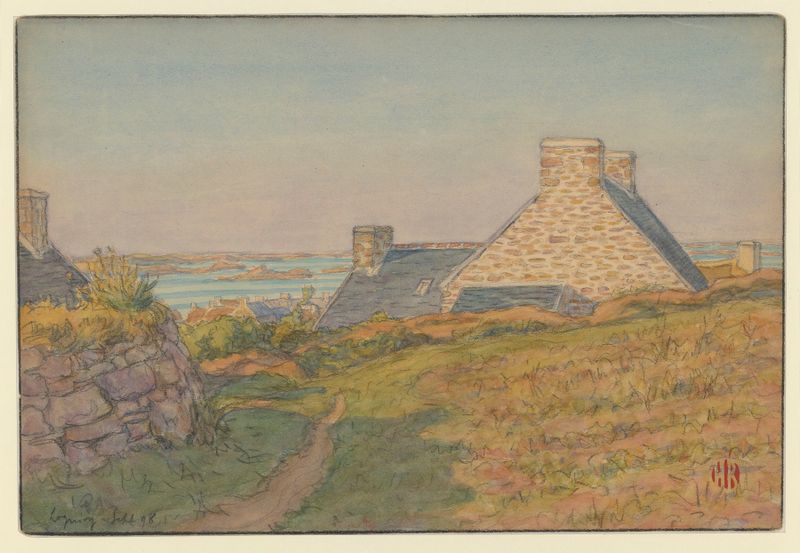
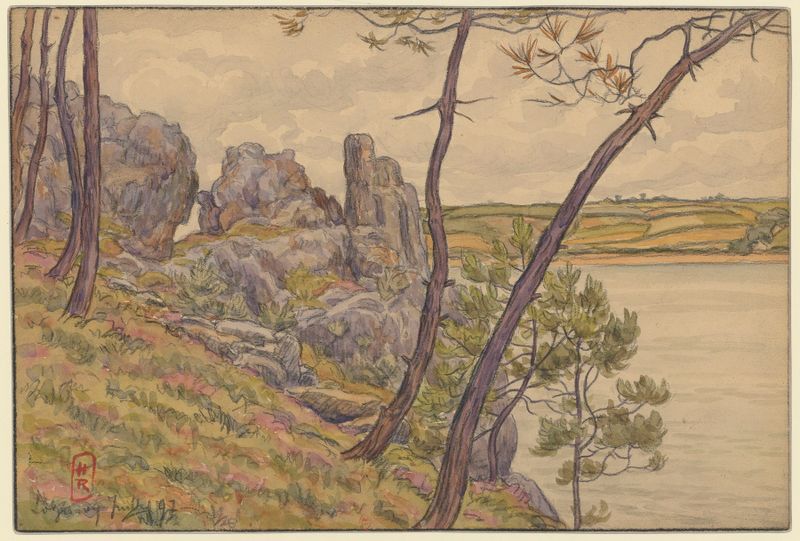
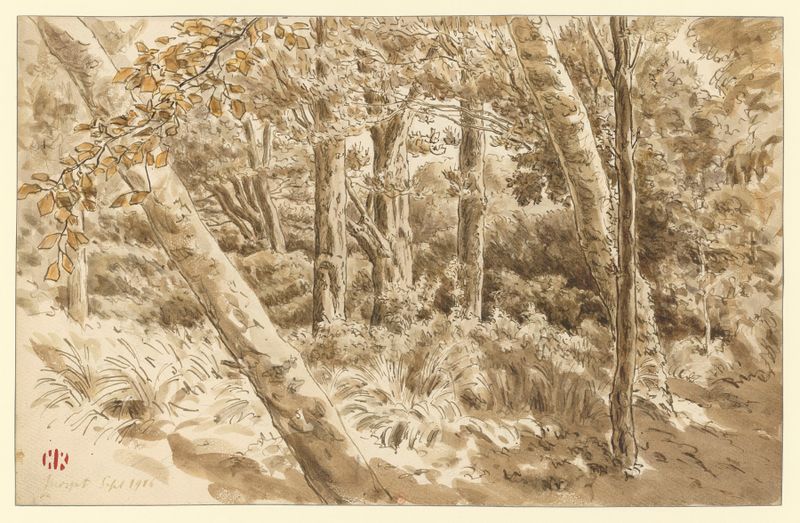
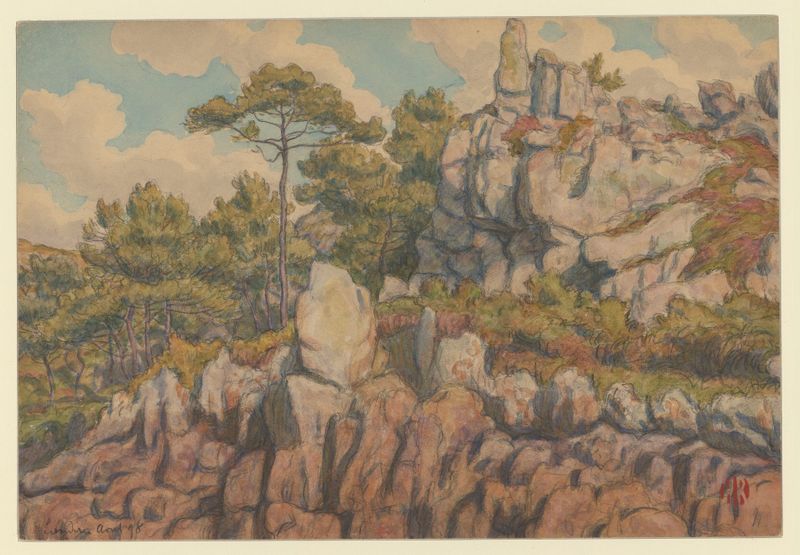
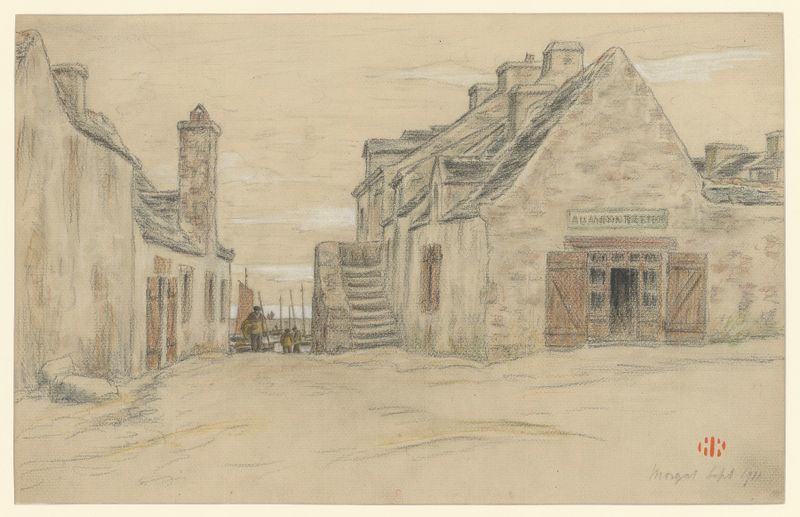
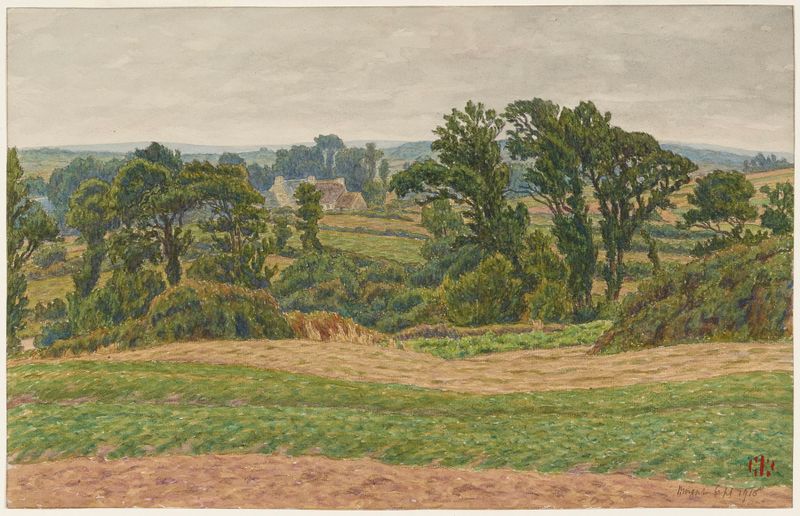
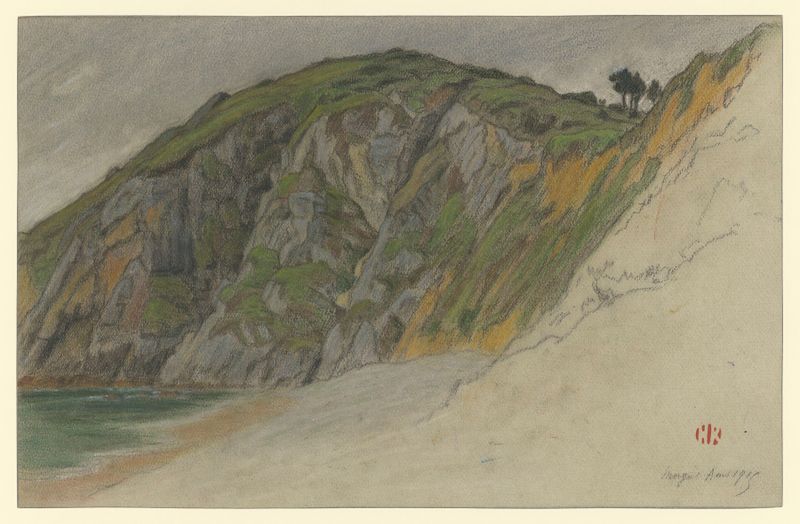
In this poignant work, decay is transformed into a reflection of beauty, inviting us to reconsider our perception of impermanence. Look closely at the vibrant hues that blend seamlessly; the warm oranges and soft browns give life to a landscape that quietly whispers stories of existence and decline. Notice how the layers of paint create an almost tactile surface, suggesting the rough texture of the earth beneath. The delicate play of light within the shadows accentuates not only the natural forms but also the emotional resonance of the piece, encouraging contemplation of both the vitality and fragility of life. Hidden within the layers of color are contrasts that evoke an emotional tension; the vibrant life coexists with the inevitable approach of decay.
Elements of nature intertwine with signs of deterioration, symbolizing resilience amidst the fading. Every brushstroke appears to dance between the celebratory and the somber, reminding us that beauty often resides in the transitory moments of existence and the narratives we choose to weave from them. Created in 1925, this piece emerged during a period of significant transition in Rivière’s life and the broader art world. After gaining recognition for his prints, he shifted his focus to painting, exploring landscapes that reflect his emotional state and the changing times.
The early 20th century was marked by a tension between tradition and modernity, and this work embodies Rivière’s exploration of the delicate balance between these opposing forces.