Tôtes — History & Facts
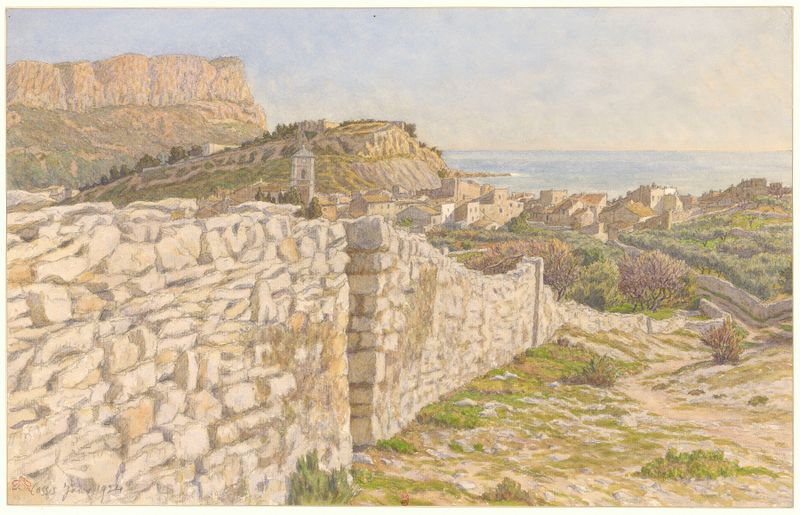
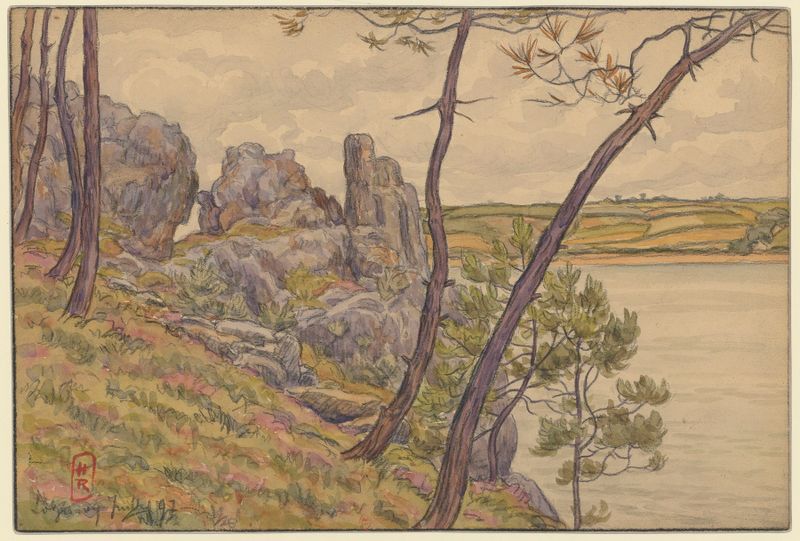
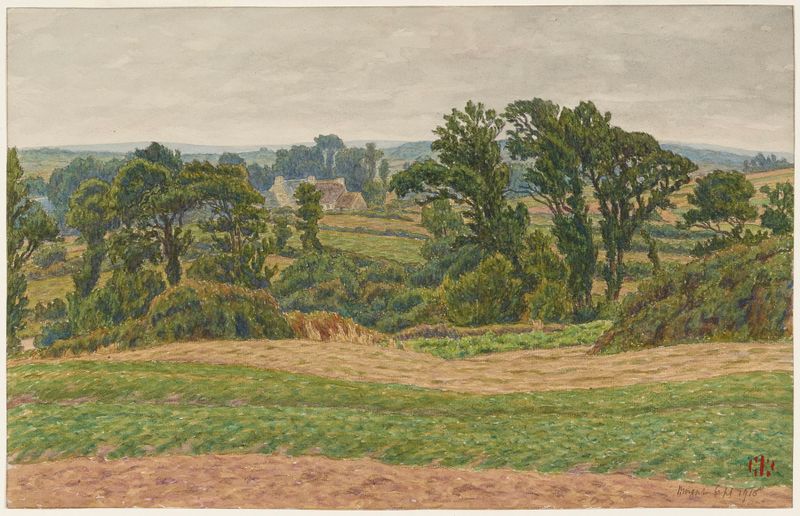
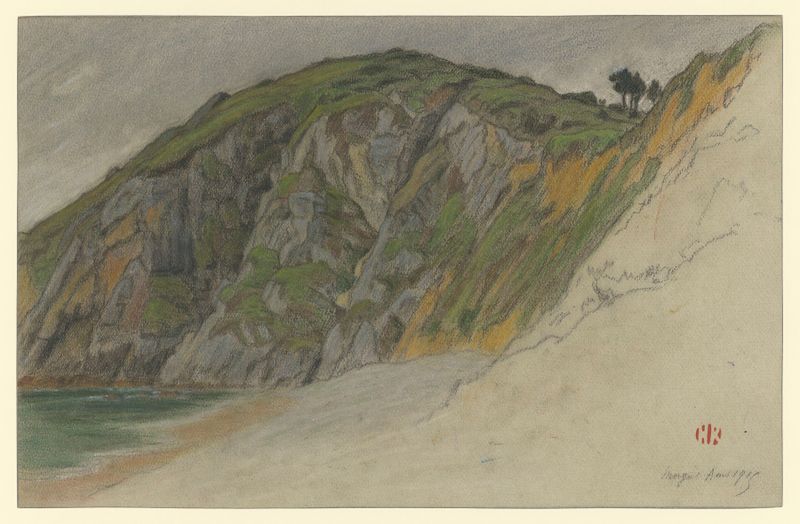
Who listens when art speaks of silence? In the hushed depths of Tôtes, madness weaves through the muted landscape, inviting contemplation on isolation and the weight of existence. Look to the foreground where jagged cliffs rise against a tranquil sea, their imposing forms bathed in gentle pastels. Notice how the soft strokes of blue and green blend seamlessly into one another, evoking a sense of peace that contrasts starkly with the rocky intensity. The horizon looms, a delicate gradient hovering between day and night, leading your gaze toward the distant sky where clouds linger, pregnant with unspoken stories. The emotional tension in the painting lies in its juxtaposition of serenity and chaos.
The calm waters reflect a world seemingly untroubled, yet the formidable cliffs evoke an underlying madness — a reminder of nature’s raw power and human vulnerability. This duality suggests an internal struggle, as if the landscape itself grapples with its own identity, caught between tranquility and turmoil. The choice of colors hints at the elation and despair that coexist in the human experience, creating a haunting resonance that lingers long after the viewer departs. In 1925, Henri Rivière was deeply immersed in the world of modernist art, drawing inspiration from both Japanese woodblock prints and the emerging avant-garde movements in Paris.
His focus on landscapes, often infused with emotive qualities, reflected his personal explorations of solitude and introspection during a tumultuous period. The painting captures the essence of his struggles and insights, resonating with contemporary themes of madness and existential reflection.