Tôtes — History & Facts
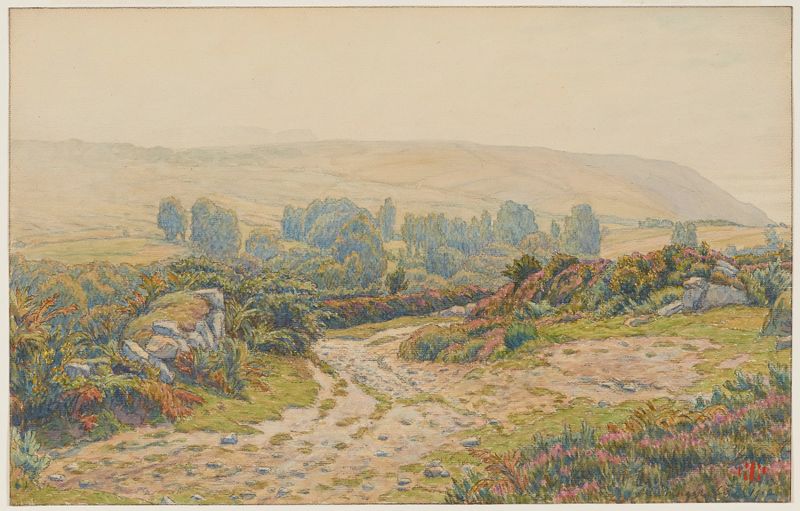
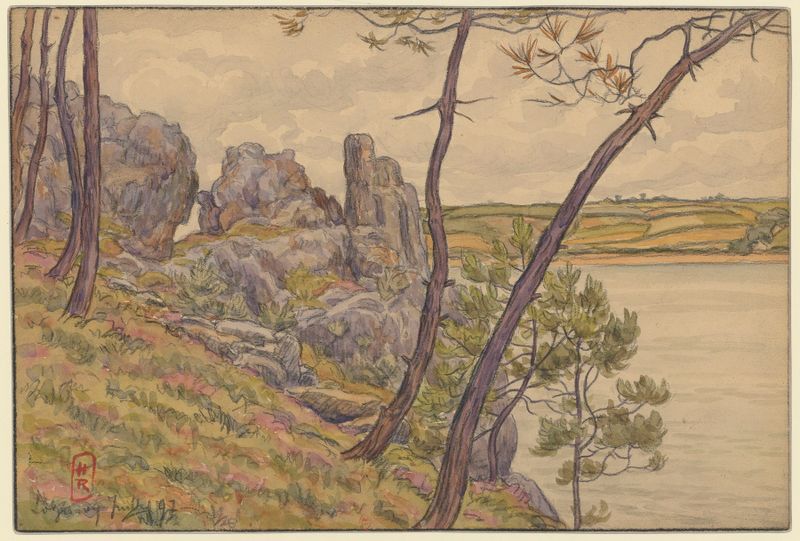
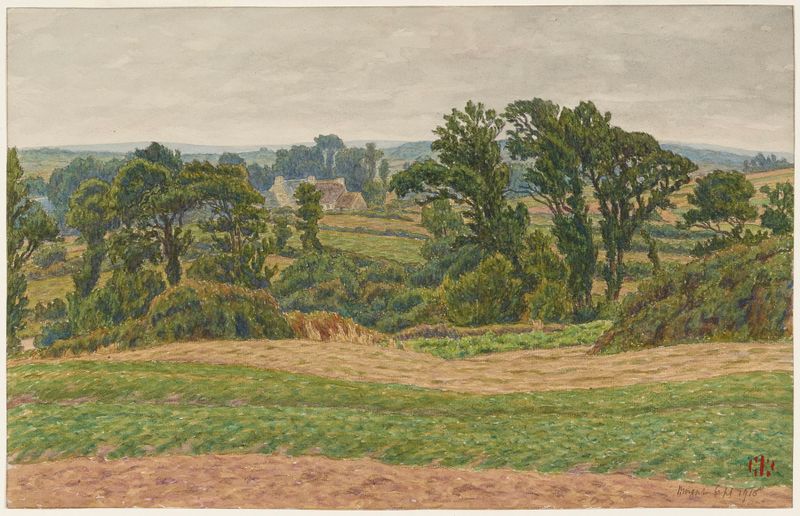
In the quiet embrace of nature, we find echoes of existence that linger beyond our touch—an exploration of legacy in the most serene of landscapes. Look to the center of Tôtes, where the soft hues of a fading day blend with the soft contours of rolling hills. The artist’s palette whispers in muted greens and browns, inviting you to trace the gentle curves of the earth. Notice how the delicate brushstrokes create a sense of movement in the clouds above, while the stillness of the foreground urges you to pause and contemplate the passing of time.
Each layer of color reveals an emotive depth, a visual testament to nature's quiet power. Yet, it is the contrasts that resonate profoundly. The tranquil scene belies an underlying tension—the juxtaposition of light and shadow suggests change, perhaps even the passage of years. The distant horizon hints at both escape and continuity, while wisps of cloud mirror the transient moments that define our lives.
Here, the silence of the landscape becomes a poignant reminder of what endures, long after we are gone. In 1925, the artist painted this piece during a time of personal introspection, while living in France amidst societal change and artistic evolution. Rivière was influenced by the Symbolist movement and sought to capture emotional depth through landscapes. This painting reflects his preoccupation with the relationship between humanity and nature, a dialogue that remains relevant in an ever-shifting world.