Tôtes — History & Facts
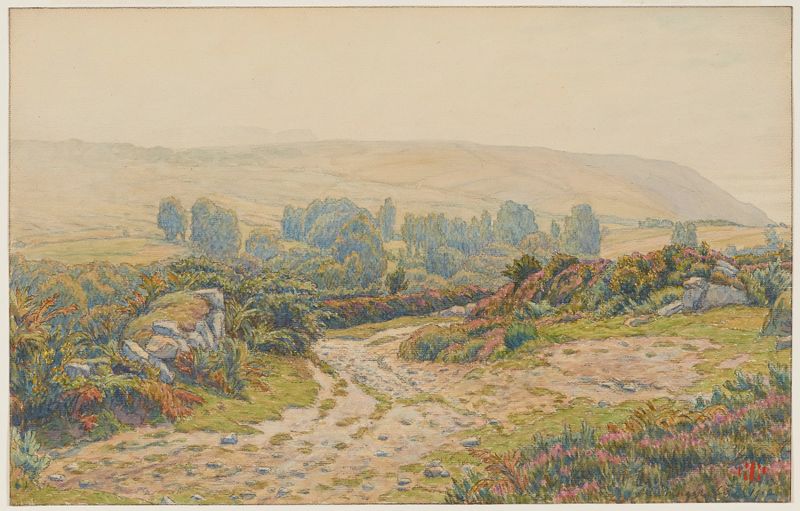
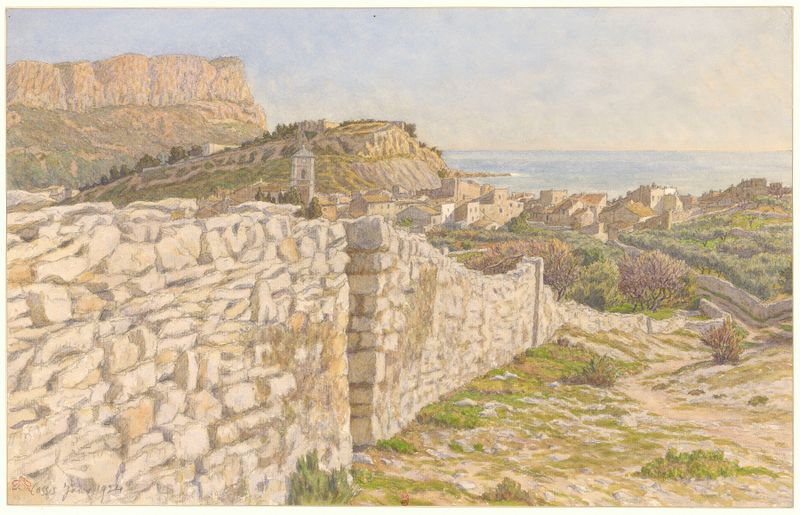
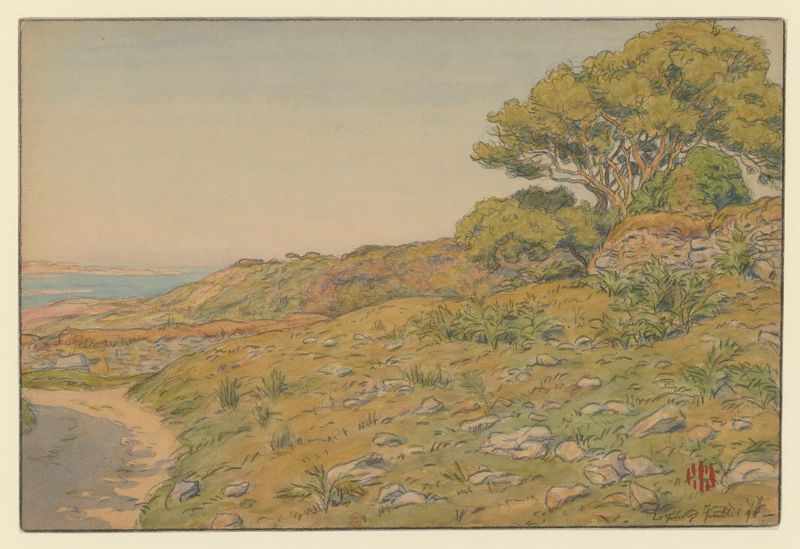
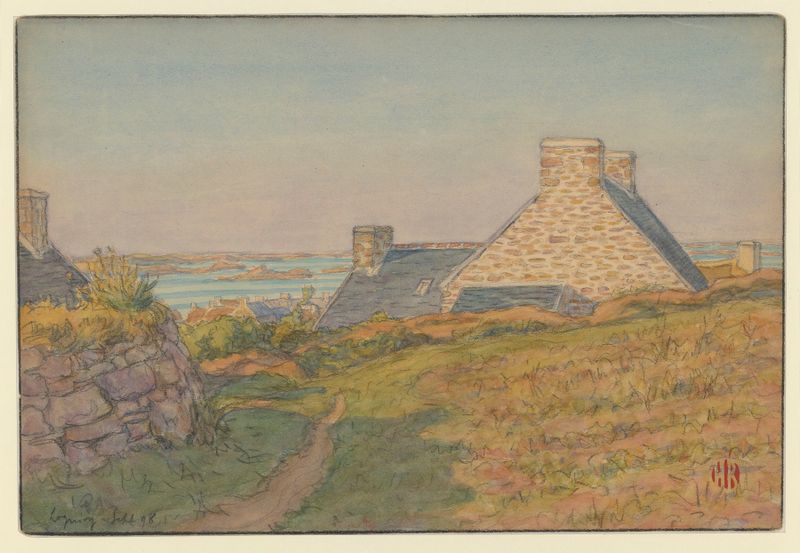
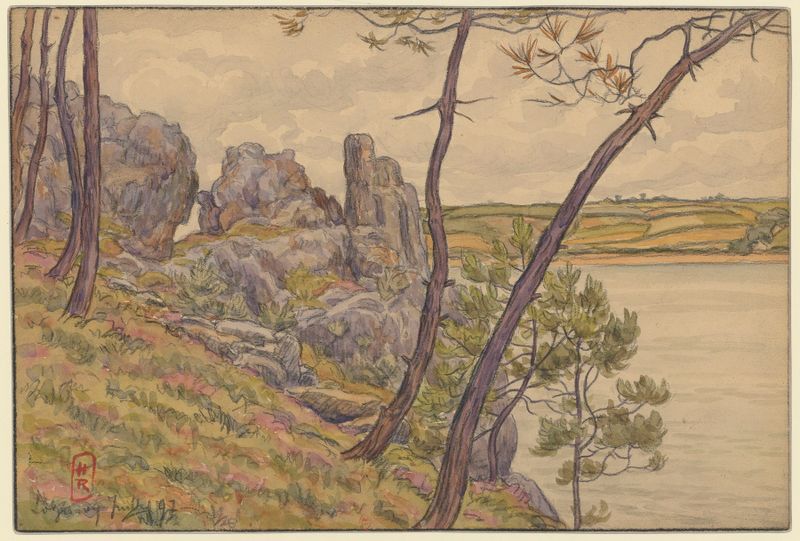
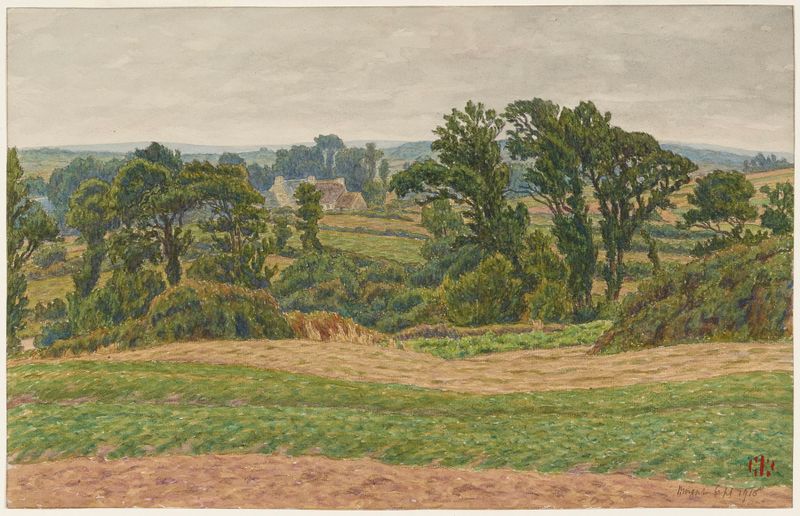
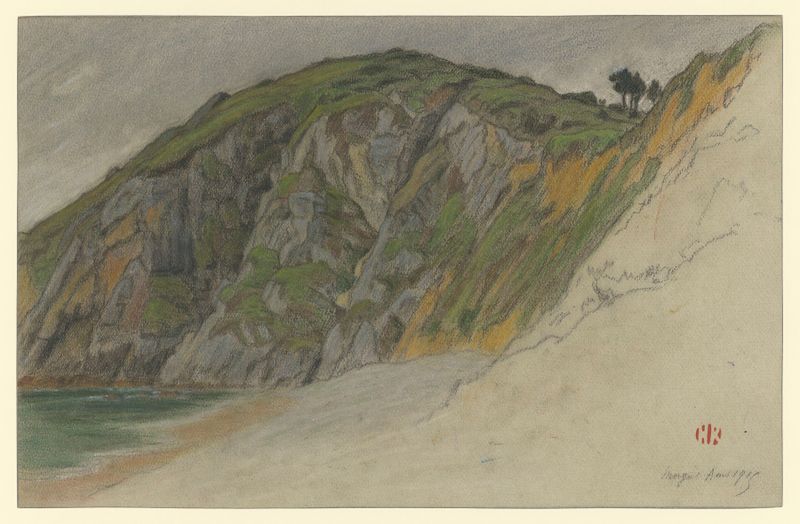
What if silence could speak through light? In Tôtes, a landscape emerges, evoking a profound sense of longing that echoes quietly yet powerfully across the canvas. Look to the left at the gentle curve of the shoreline, where muted colors blend seamlessly into one another, creating a harmonious horizon. The soft brushstrokes depict the delicate interplay of water and sky, allowing the viewer's gaze to drift towards the horizon line. Notice how the light glimmers on the water's surface, reflecting a spectrum of subdued blues and grays that encapsulate the tranquil yet melancholic mood of the scene. Beneath the surface beauty lies an emotional tension, as the horizon suggests distance and separation, inviting contemplation of what lies beyond.
The solitude of the landscape mirrors the artist’s inner world, where the silence of nature becomes a canvas for introspection. The absence of human figures fosters an atmosphere of isolation, yet this absence can also resonate with the viewer’s own experiences of longing and connection. Created in 1923, this piece marks a period of serene reflection for Henri Rivière, who was immersed in the Symbolist movement, drawing inspiration from nature's quietude. At this time, the art world was shifting, and Rivière sought to convey deeper emotions through landscapes rather than traditional subjects.
The painting reflects not only his personal journey but also the broader artistic exploration of mood and atmosphere during this transformative era in art history.