Tôtes — History & Facts
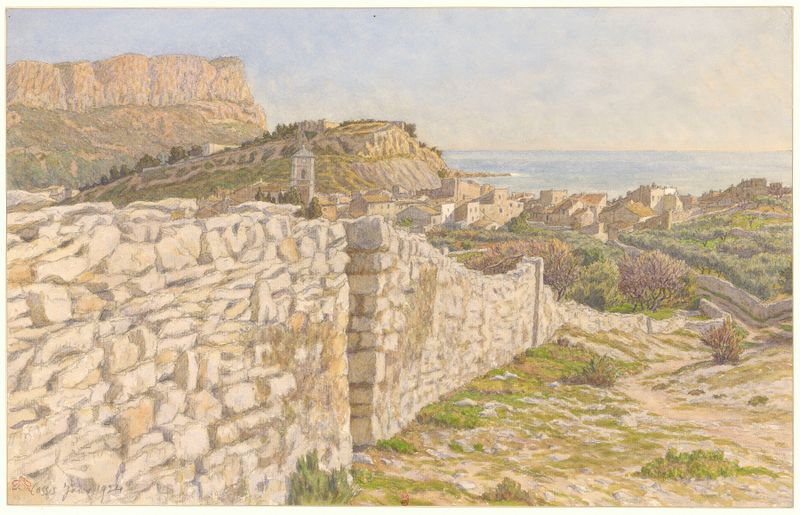
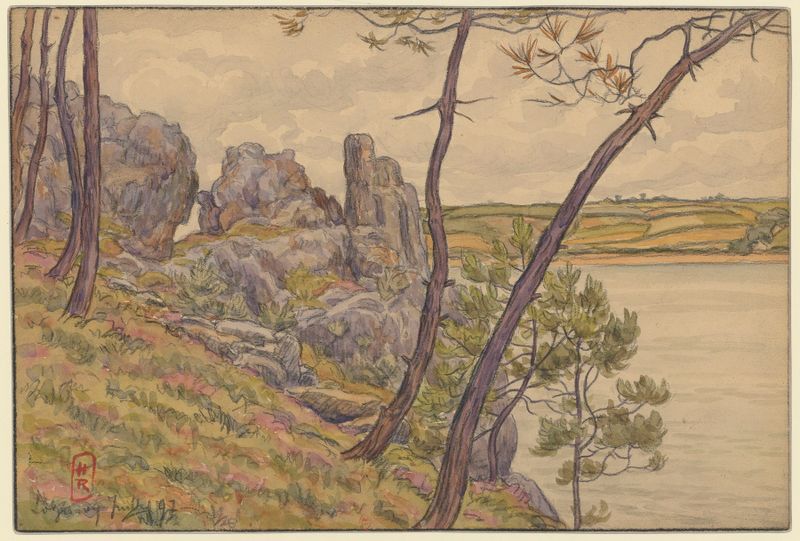
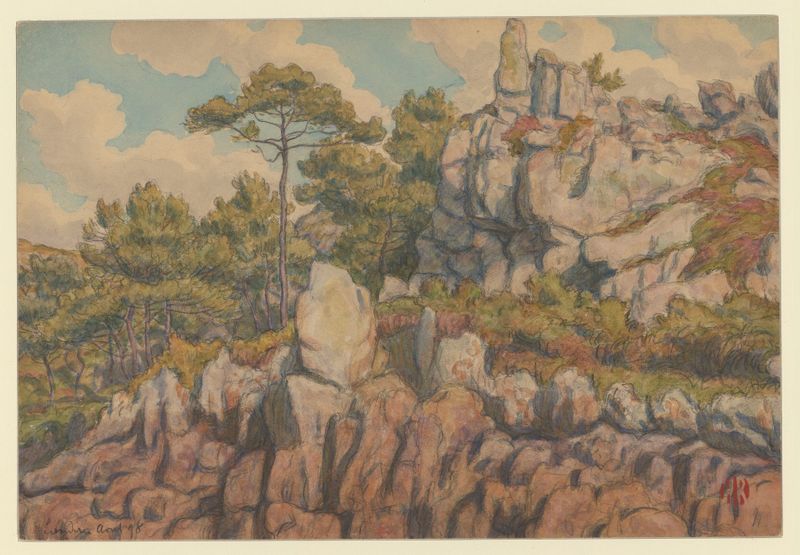
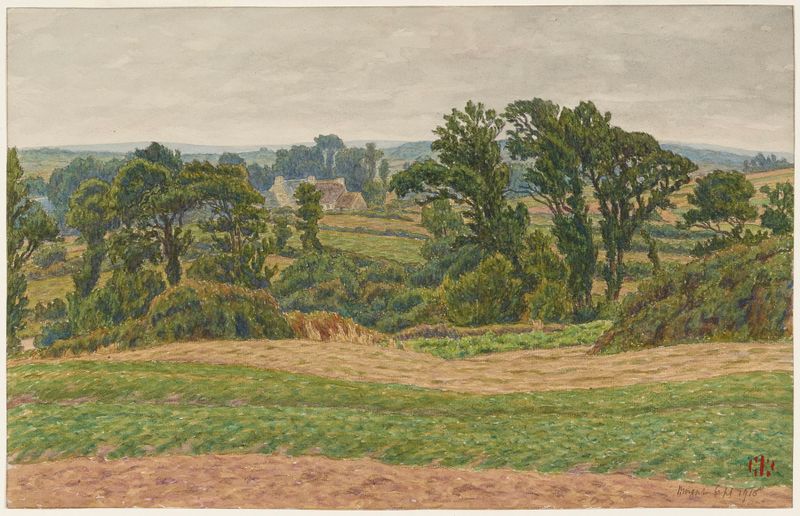
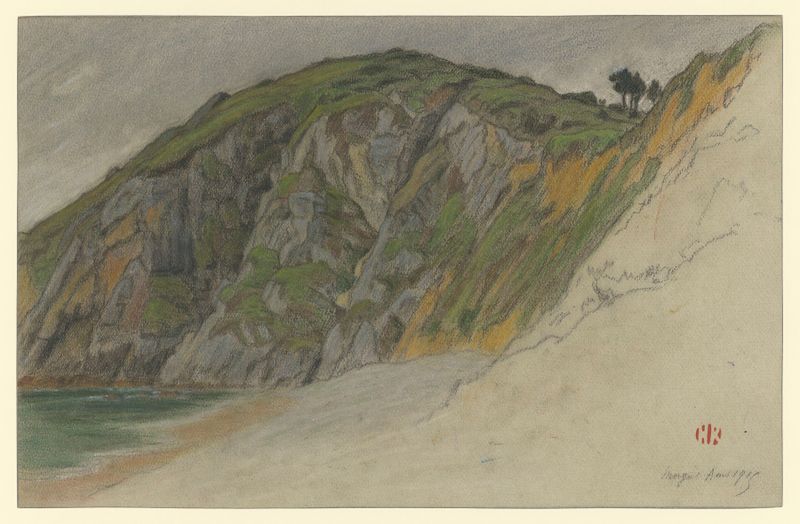
What if silence could speak through light? In a world rife with chaos, the delicate balance of fragility often becomes the most profound testament to existence. Look towards the horizon where soft, muted tones blend seamlessly into one another — the gentle blues and greens evoke a sense of calm. Focus on the brushstrokes that sweep across the canvas, creating an almost ethereal quality, as if the scene itself is breathing. Notice how the light delicately illuminates the edges of the cliffs, highlighting their precariousness, while the tranquil waters reflect a perfect stillness, inviting introspection. The juxtaposition of solidity and transience permeates the composition.
The cliffs, strong yet vulnerable, mirror the fragility of the human experience, caught between permanence and the fleeting nature of time. The subtle gradations of color create depth, evoking emotions that range from serenity to unease. Each wave gently lapping at the shore reinforces the dialogue between stability and change, expressing a world in constant flux. Henri Rivière painted this work in 1925, during a period of introspection both personally and artistically.
Living in France, he was deeply influenced by the Post-Impressionist movement and the evolving styles around him. As artists sought new ways to express emotional depth through their work, Rivière’s exploration of light and form in Tôtes reflects not just his artistic journey, but a broader search for meaning amid the fragility of life itself.