
Tunis (A Street) — History & Facts
What secret hides in the quiet of the canvas? In the serene composition of a street in Tunis, the layers of memory unfold like whispers carried by the wind. Focus on the left, where a narrow alleyway leads the eye into the heart of the scene. The warm, ochre tones of the buildings draw attention, their weathered surfaces telling stories of time and life. Notice how the sunlight dapples through the fabric of everyday existence, casting gentle shadows that dance on the cobblestones.
The interplay of light and color creates a vibrant yet tranquil atmosphere, inviting the viewer to wander and explore. As you observe, you’ll find subtle contrasts that evoke deeper emotions. The juxtaposition of light and shadow suggests an internal struggle between solitude and connection, where a solitary figure gazes out from a doorway, caught in contemplation. This moment encapsulates a fleeting glimpse of life, hinting at the rich tapestry of experiences that shape our memories.
The use of perspective invites reflections on personal journeys, blending the past and present into an almost dream-like quality. In 1909, Ciągliński painted this scene during a period of artistic exploration and cultural fascination with North Africa. Living in Paris, amidst the rise of modernism, he was drawn to the vibrant colors and unique atmospheres that contrasted with his European roots. The work reflects not just a location, but a transformative moment in his life, where the allure of distant lands sparked both creative and personal revelations.
More Artworks by Jan Ciągliński
Browse all →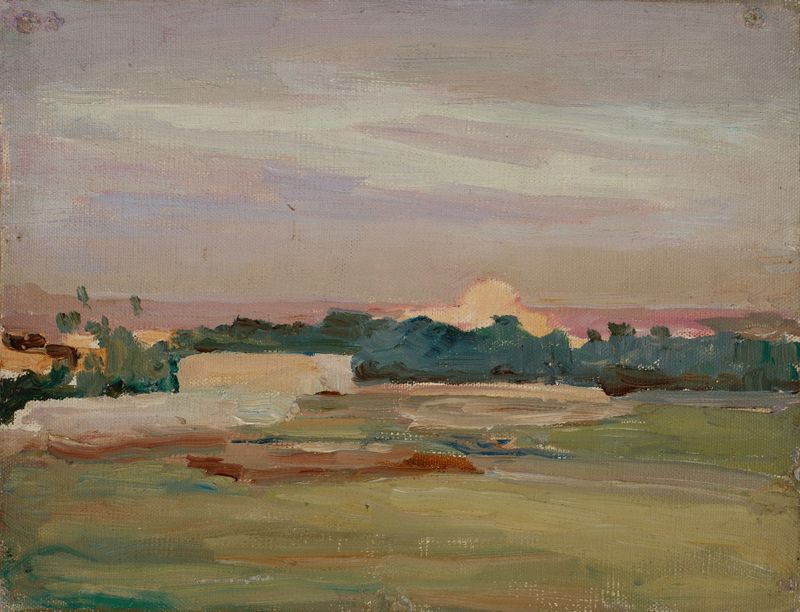
The Sirocco
Jan Ciągliński
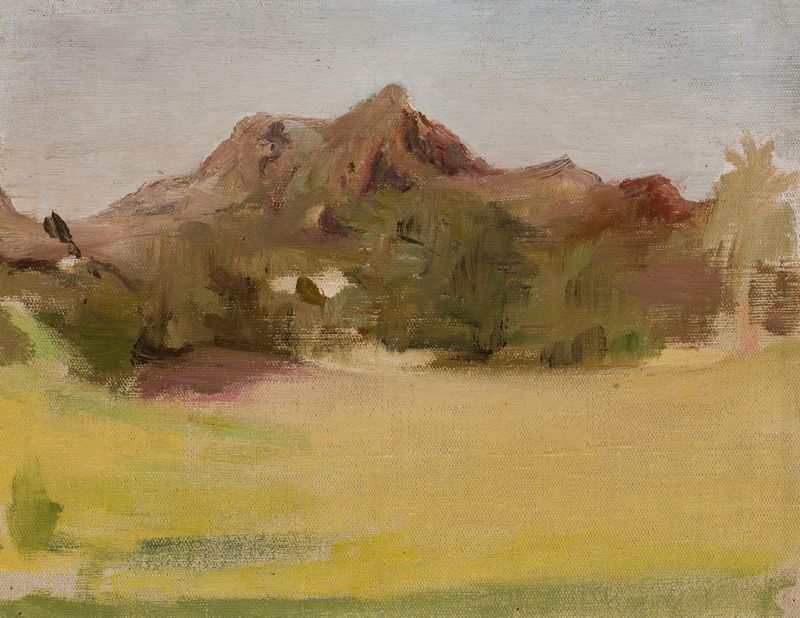
Mountain landscape. From the journey to India
Jan Ciągliński
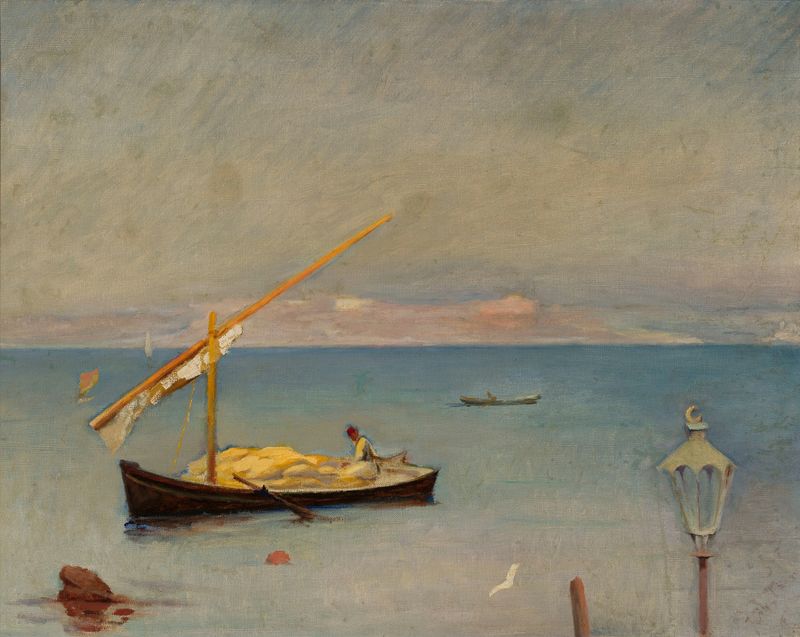
At Bosporus
Jan Ciągliński
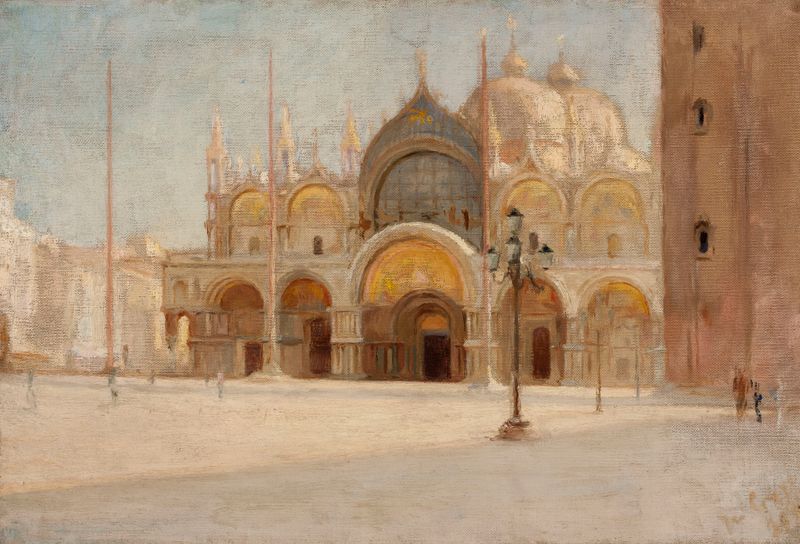
St Mark’s Square in Venice
Jan Ciągliński
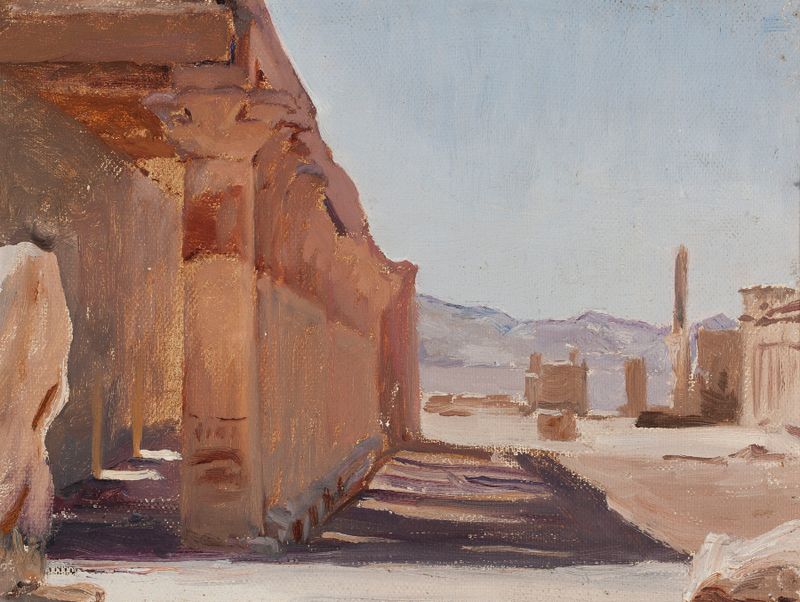
Temple. From the journey to Egypt
Jan Ciągliński
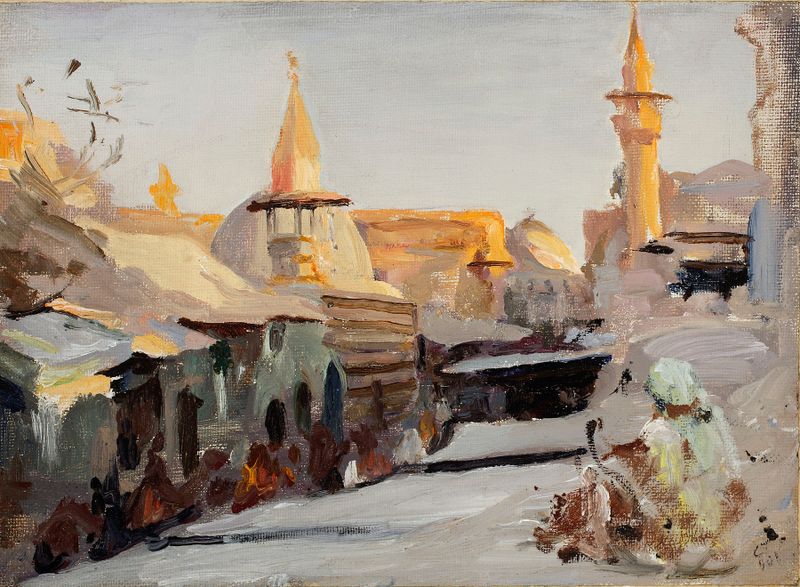
Street in Damascus. From the journey to Palestine
Jan Ciągliński
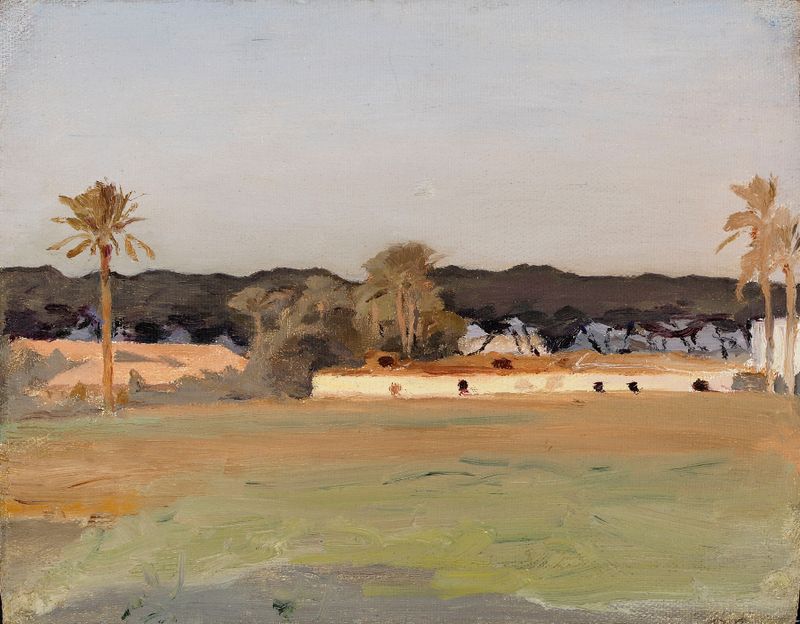
Evening. From the journey to Egypt
Jan Ciągliński
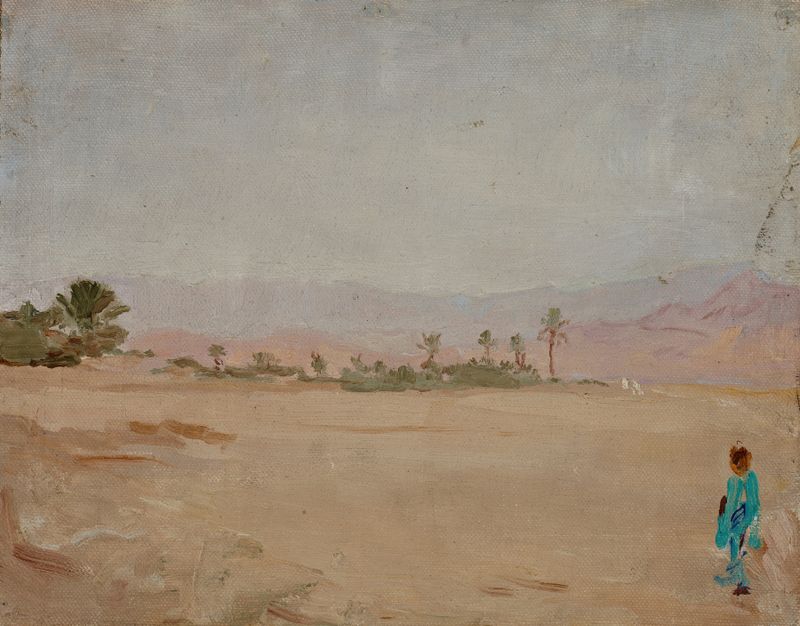
Sahara (Desert)
Jan Ciągliński
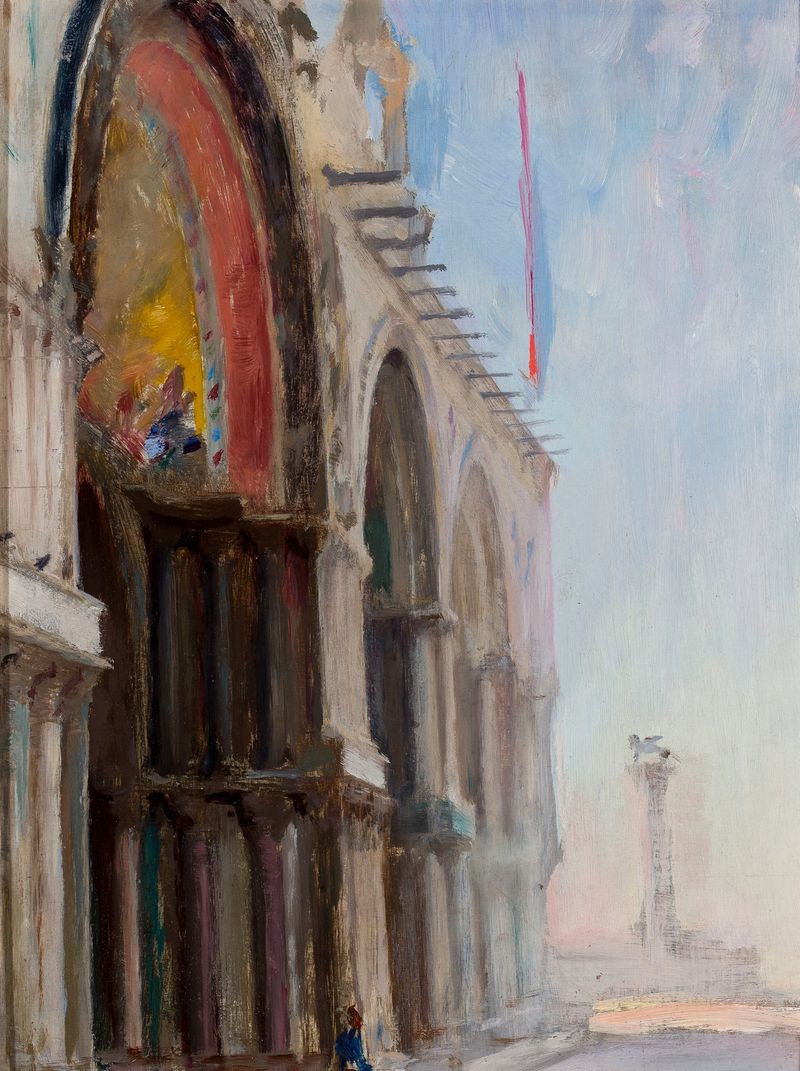
Venice – San Marco. From the journey to Italy
Jan Ciągliński
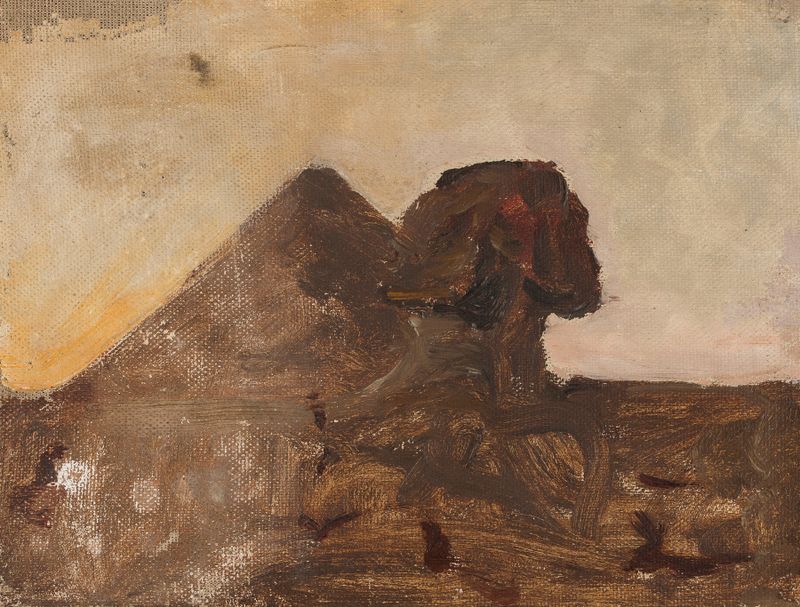
Evening in the desert – Sphinx and pyramid. From the journey to Egypt
Jan Ciągliński





