
Turmruine im Wasser stehend — History & Facts
In the splendor of a moment, destiny is captured, whispering the tales of nature's resolve amidst the fleeting passage of time. Look to the left at the crumbling tower, its reflection shimmering in the still waters below. The artist employs a muted palette, blending earthy browns and soft greens with the distant blues of a serene sky. The composition draws the eye from the fractured ruin upwards, evoking a sense of verticality, as if the remnants of history reach for the heavens.
The delicate brushwork enhances the ethereal quality of the scene, creating a harmony between decay and tranquility. Beneath the surface, the painting reveals deeper narratives. The juxtaposition of the sturdy tower against the gently flowing water symbolizes the tension between permanence and transience. Fragments of foliage float on the water’s edge, hinting at the inexorable passage of time and the inevitable reclaiming of manmade structures by nature.
Each wave and ripple suggests an unsettling tranquility, a solemn reminder of destiny’s hand in the cycle of life and decay. Roelant Roghman painted this work in the 17th century in Huis te Merwede, Dordrecht, during a period where Dutch artists were increasingly fascinated by landscapes and their interplay with human structures. The era was marked by a flourishing of artistic innovation, as painters sought to capture not just the physical world but also the emotional resonance of their subjects. Roghman, influenced by the burgeoning Dutch landscape tradition, crafted this piece as a reflection of both personal and shared destinies, embedding in it the essence of human experience intertwined with nature.
More Artworks by Roelant Roghman
Browse all →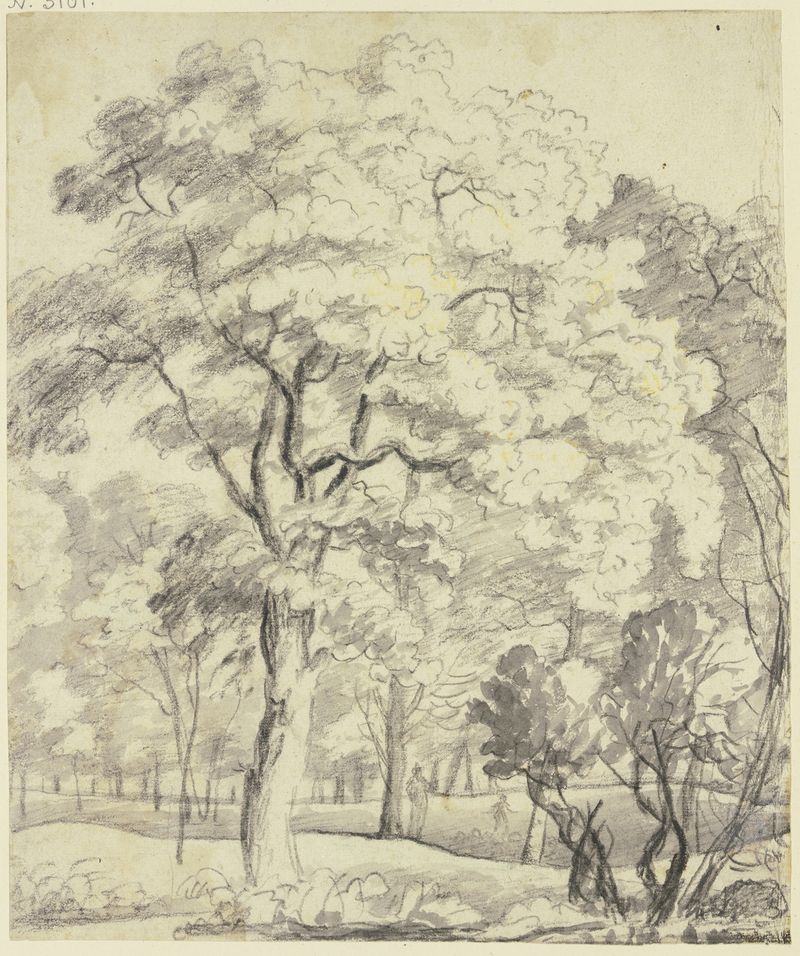
Waldpartie mit zwei Figuren
Roelant Roghman
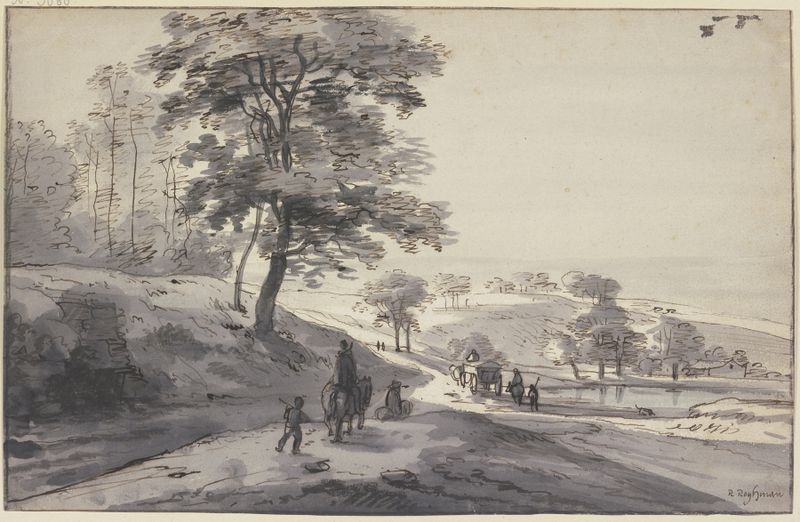
An einem Wasser vorbei über einen Hügel zieht sich ein mit einem Wagen, Reitern und Fußgängern belebter Weg
Roelant Roghman
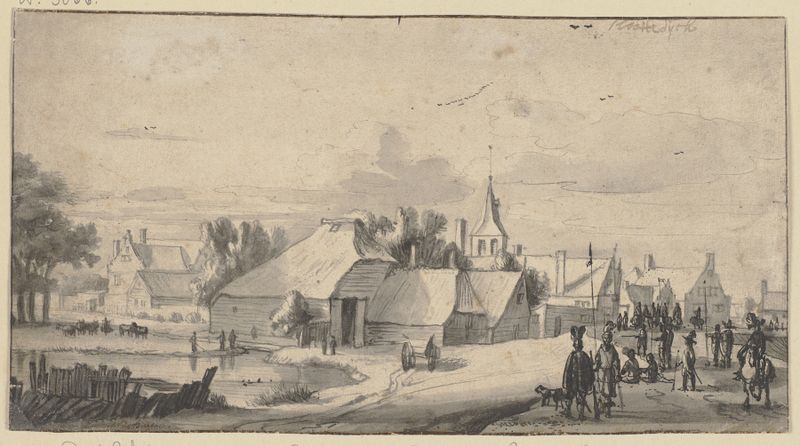
Das Dorf Sloterdyk zur Zeit des Durchzuges der Truppen des Prinzen Wilhelm II von Oranien im Jahre 1650
Roelant Roghman

Landschap met een reiswagen voor een boerderij
Roelant Roghman

The Ruin of Huis ‘t Sant at Katwijk aan Zee
Roelant Roghman
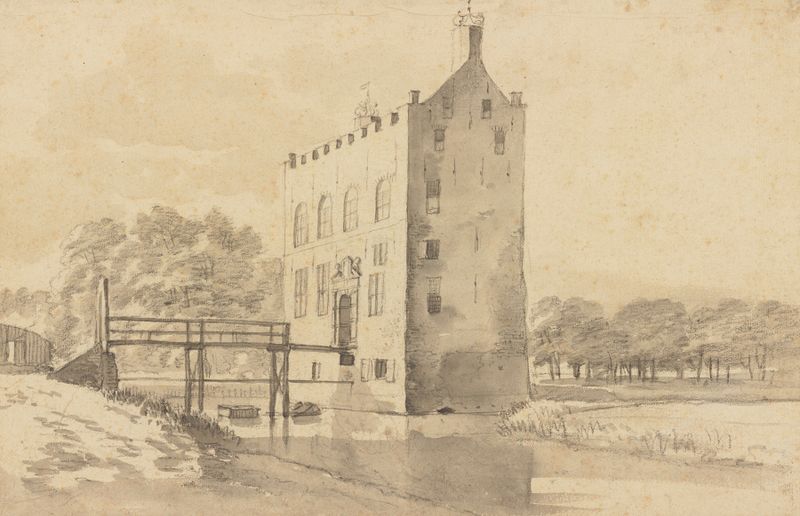
The Castle Giessenburg, near Gorinchem
Roelant Roghman
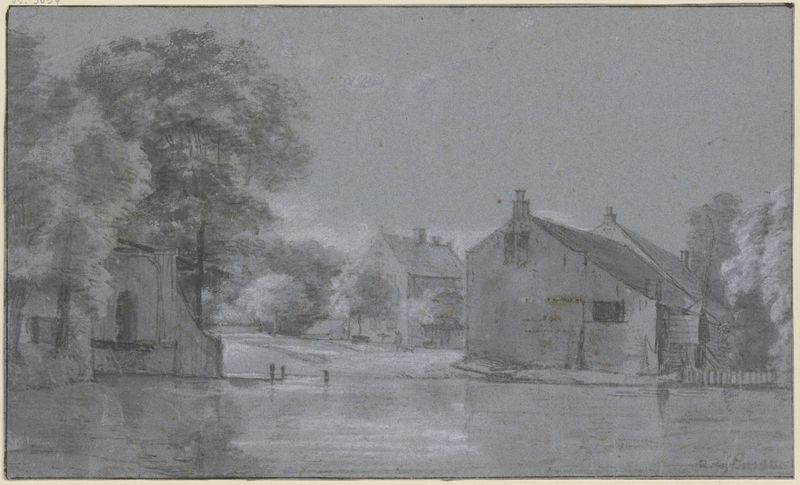
Ein Dorf mit Baumgruppen an einem Fluss
Roelant Roghman
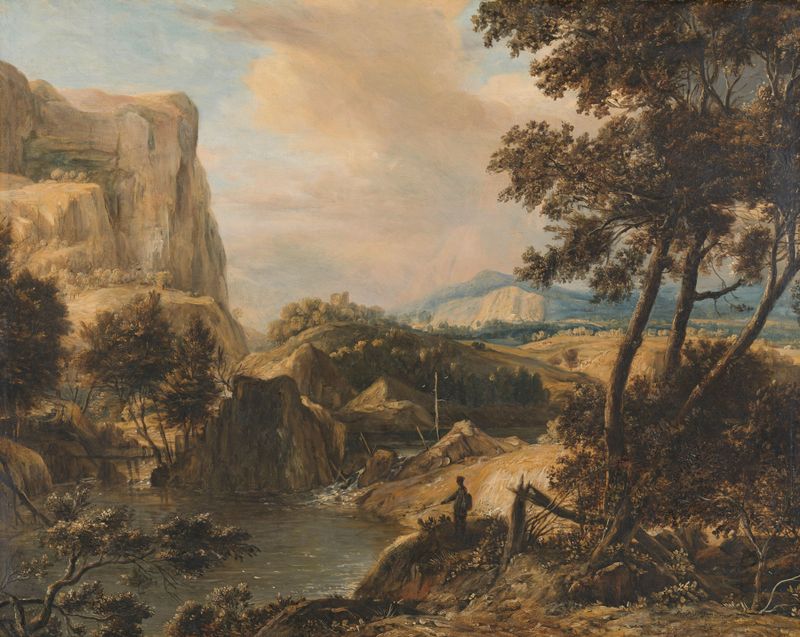
Mountainous landscape with fisherman
Roelant Roghman

Waldlandschaft mit Wasserfall
Roelant Roghman
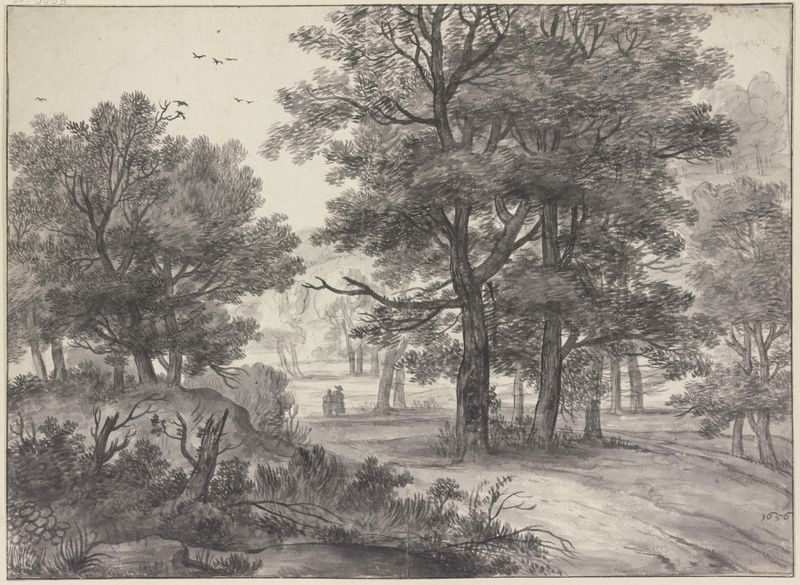
Waldpartie, auf dem Weg zwei Figuren, links oben mehrere Raben
Roelant Roghman





