
Turner’s Principle — History & Facts
In this quiet moment, desire hangs palpably in the air, a longing unfulfilled, echoing through the canvas. The stillness invites the viewer to ponder the complexities of emotional yearning, a universal truth encapsulated in artistic form. Focus first on the fluid lines that weave across the canvas, guiding your eye to the tender interplay of light and shadow. The ethereal palette, dominated by soft, muted hues, creates an atmosphere where desire feels both fragile and profound.
Notice how the delicate brushstrokes capture fleeting moments, almost as if the artist were trying to freeze time itself, each movement contributing to an overarching sense of yearning. As you delve deeper, consider the subtle contrasts at play—between light and dark, presence and absence. There’s an almost palpable tension reflected in the emptiness of space, suggesting that what is not said can be just as powerful as what is expressed. In this work, the longing emerges not just in visual elements but also in the silence that envelops the scene, inviting a contemplation of personal desires and unspoken confessions. In 1838, Frank Howard painted Turner’s Principle during a period in which he was exploring the emotive power of landscape and abstraction.
Living in an era marked by rapid changes in the art world, he sought to push boundaries, drawing inspiration from the Romantic movement and the works of Turner himself. Amidst this creative environment, Howard's exploration of desire emerged as a pivotal theme, reflective of both his personal experiences and the broader currents of human emotion.
More Artworks by Frank Howard
Browse all →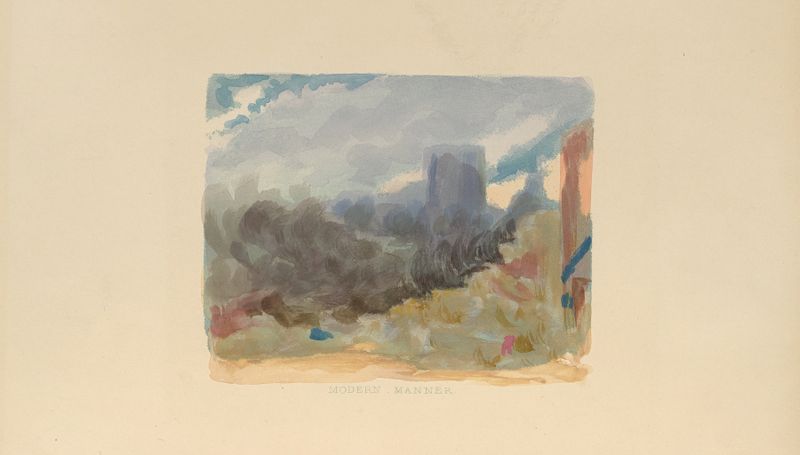
Modern Manner
Frank Howard
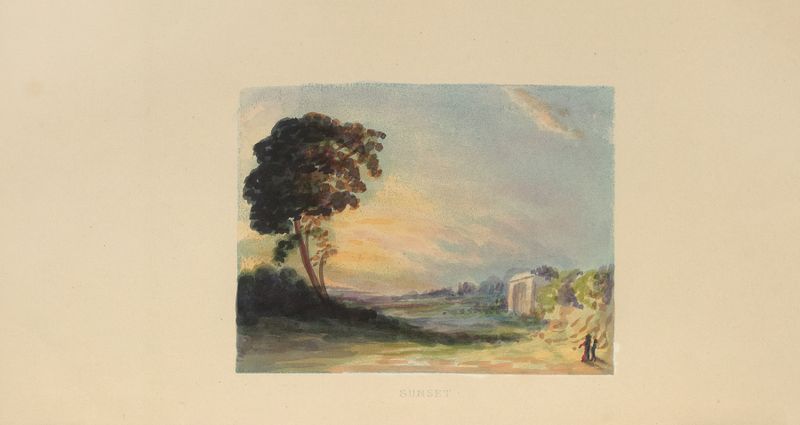
Sunset
Frank Howard
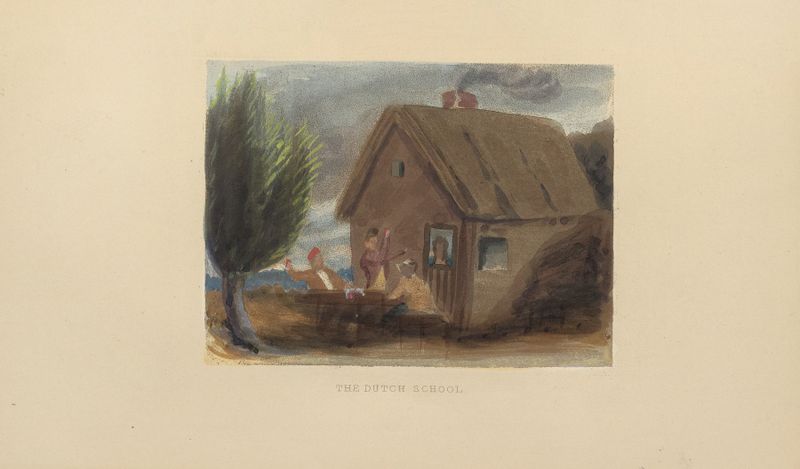
The Dutch School
Frank Howard
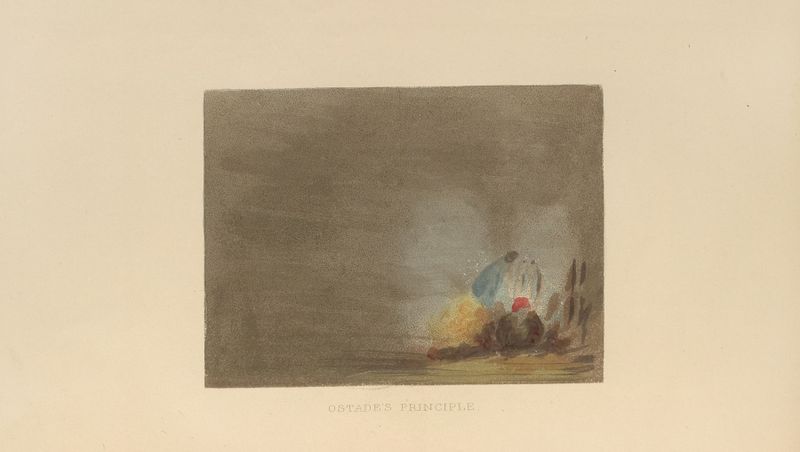
Ostade’s Principle
Frank Howard
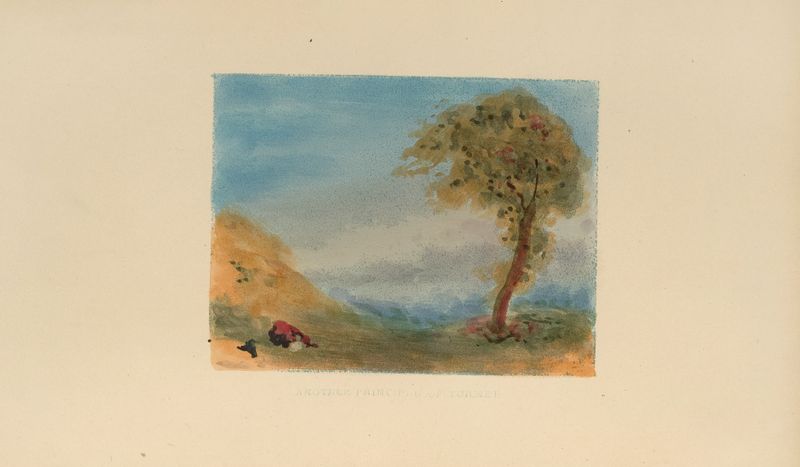
Another Principle of Turner
Frank Howard
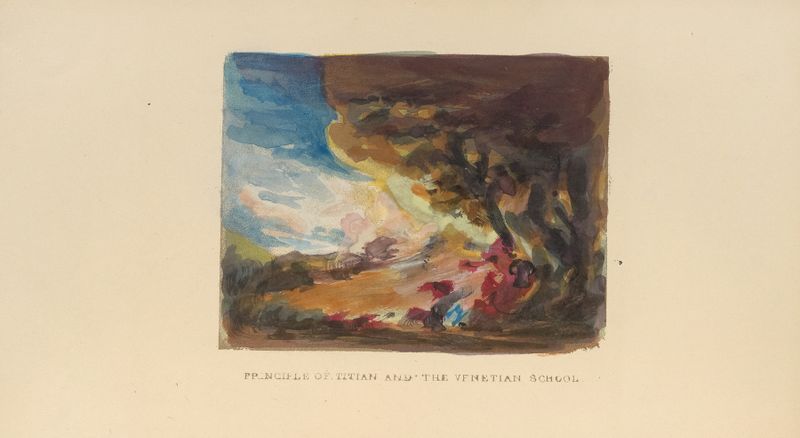
Principle of Titian and the Venetian School
Frank Howard
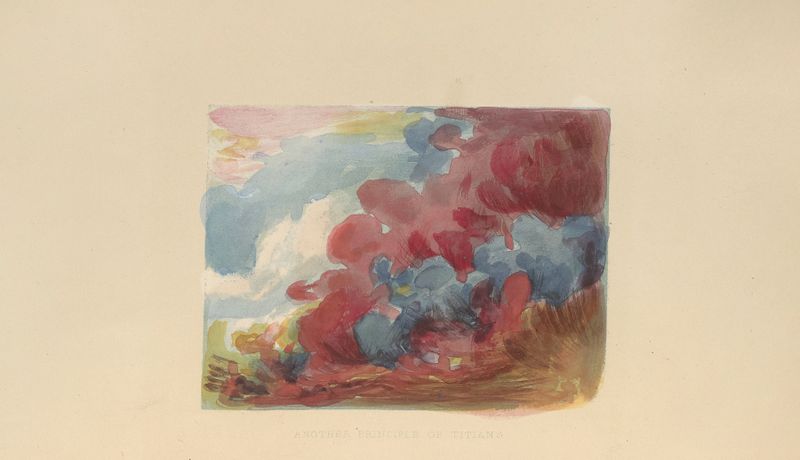
Another Principle of Titian
Frank Howard
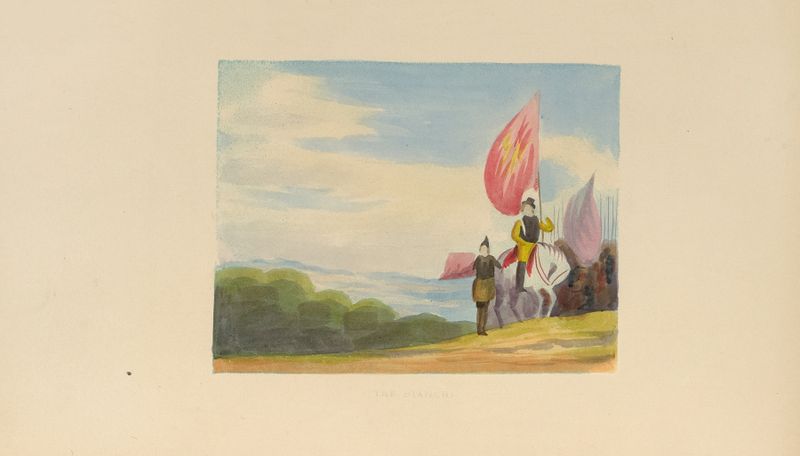
The Bianchi
Frank Howard
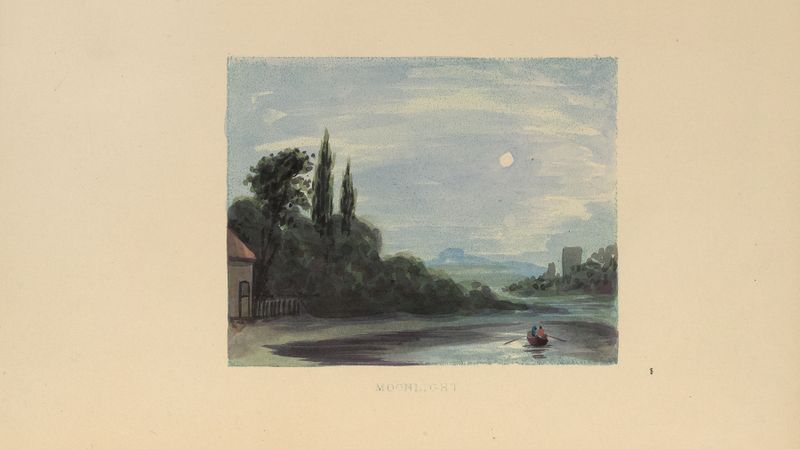
Moonlight
Frank Howard
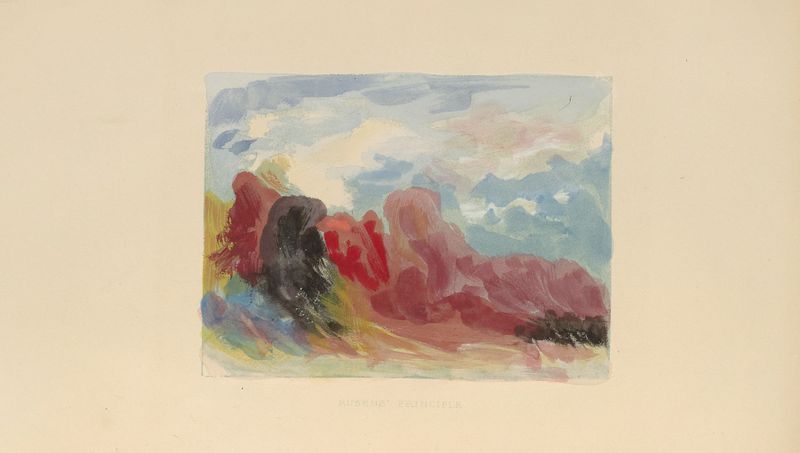
Ruben’s Principle
Frank Howard





