Tussenzetsel van zwarte machinale kant met doorlopend slingerend bladmotief, op karton — History & Facts
In the realm of creation, where imagination intertwines with reality, lies a delicate exploration of forms and patterns. This artwork invites contemplation of the intricate dance between craftsmanship and aesthetic intention. Look closely at the center, where the rhythmic black lace motif unfurls like a whispered secret across the canvas. The interplay of shadows and light reveals the texture of the machined fabric, drawing attention to the meticulous detail in each flowing line.
The choice of stark black against the muted background creates a striking contrast, serving to heighten the visual tension and engage the viewer in a quiet dialogue. Beneath the surface, one can sense the tension between mechanical precision and organic inspiration. The swirling patterns evoke the freedom of nature while simultaneously suggesting the rigidity of machine-made artifice. This duality captures a moment in history where technology and artistry not only coexist but converse, revealing the complexities of the creative process itself. In the mid-1920s, Gustav Schnitzler crafted this piece during a period marked by innovation and artistic experimentation in Europe.
As artistic movements like Bauhaus and De Stijl flourished, Schnitzler’s work reflected the dialogue between industrialization and artistic expression. This painting emerged as a testament to the evolving landscape of art, signaling a shift towards an interplay of tradition and modernity.
More Artworks by Gustav Schnitzler
Browse all →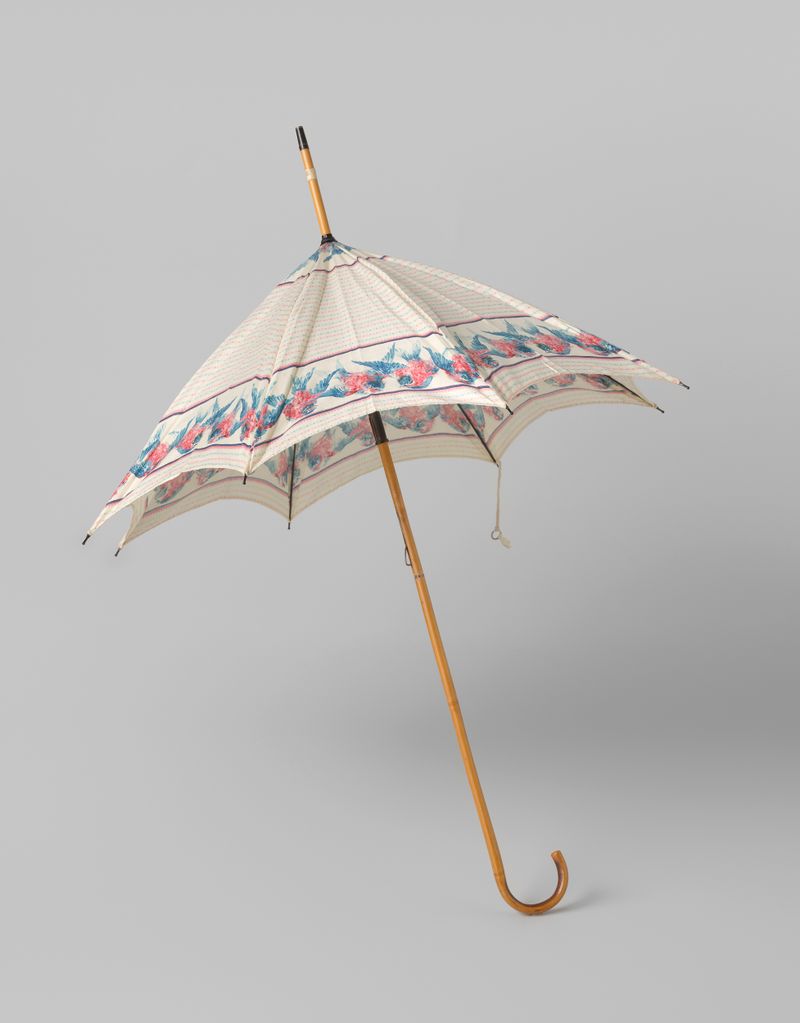
Parasol met dek witte katoen bedrukt met roze en blauwe vogeltjes, op een bamboe stok met gebogen handvat
Gustav Schnitzler
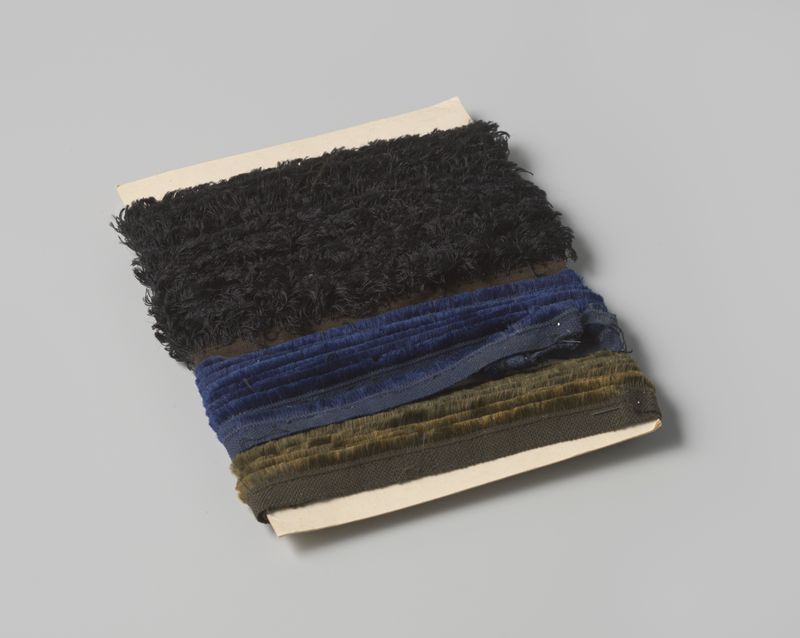
Strook zwarte franje aan bezemband, op karton
Gustav Schnitzler
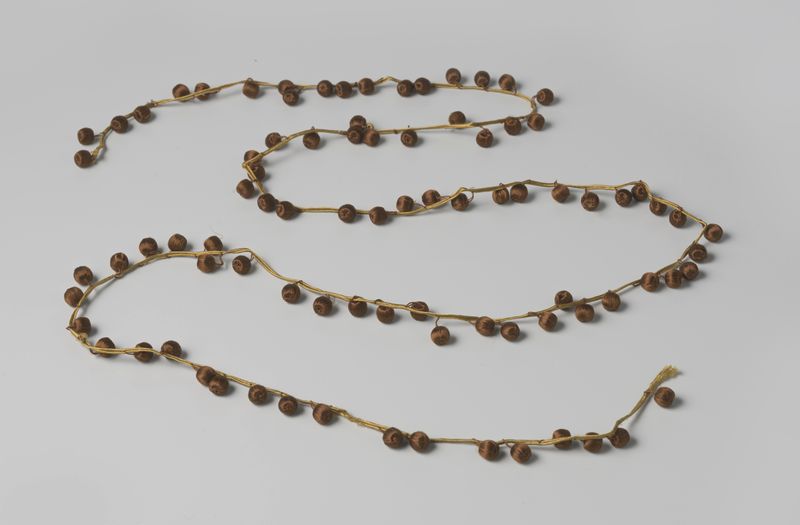
Galon, goudkleurig, waaraan pompons van bruin (zijde)draad hangen
Gustav Schnitzler
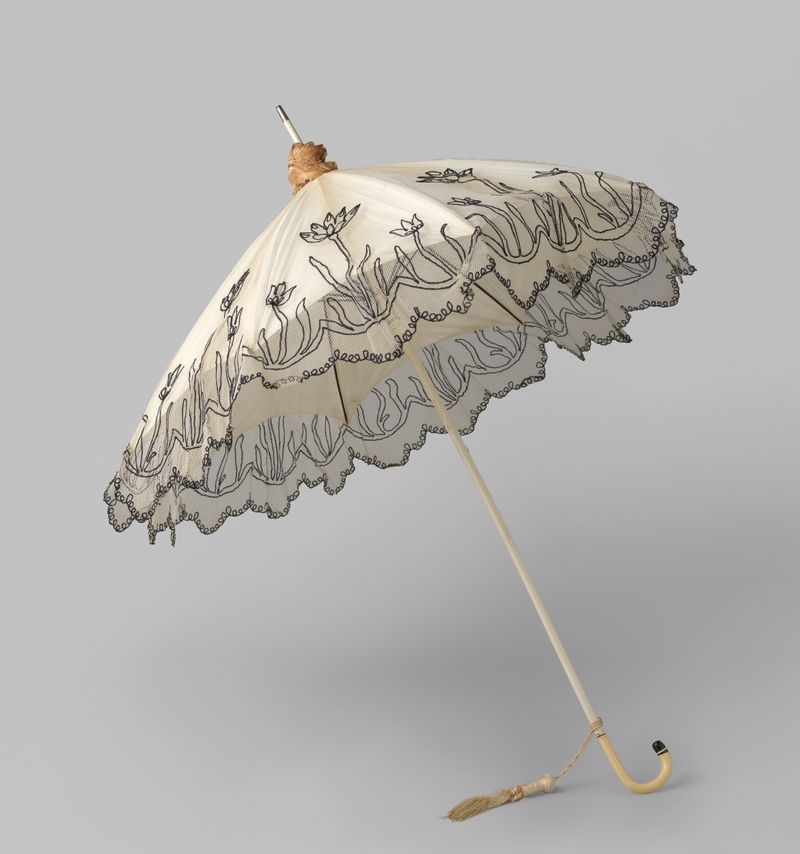
Parasol met dek van witte tule waarop zwart borduurwerk van telkens drie bloemen, op een witgeverfde houten stok, waaraan een gebogen ivoorkleurig handvat
Gustav Schnitzler

Parasol met dek van witte katoen, waartussen een strook van witte kant, op een lichte, houten stok met een ronde haak
Gustav Schnitzler

Strook franje, getand, wit en écru, gewikkeld rond een met gouden randen afgezet plankje
Gustav Schnitzler
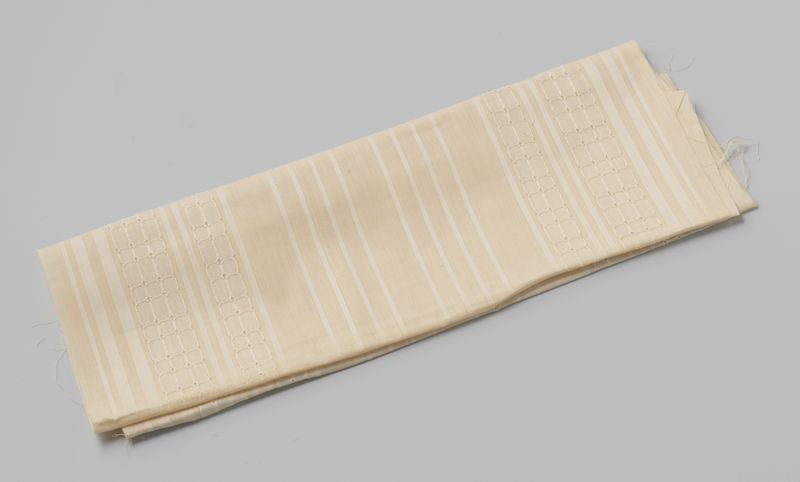
Coupon wit parasolkatoen met beige strepen aan weerszijden
Gustav Schnitzler
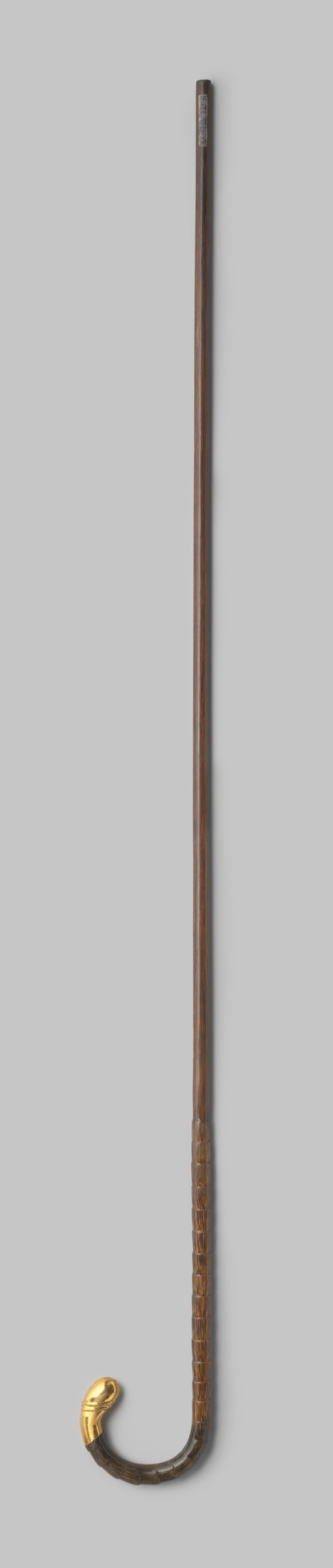
Onderstok van een parapluie of parasol van kokospalm met ronde haak en goudkleurig (verguld?) metalen uiteinde
Gustav Schnitzler
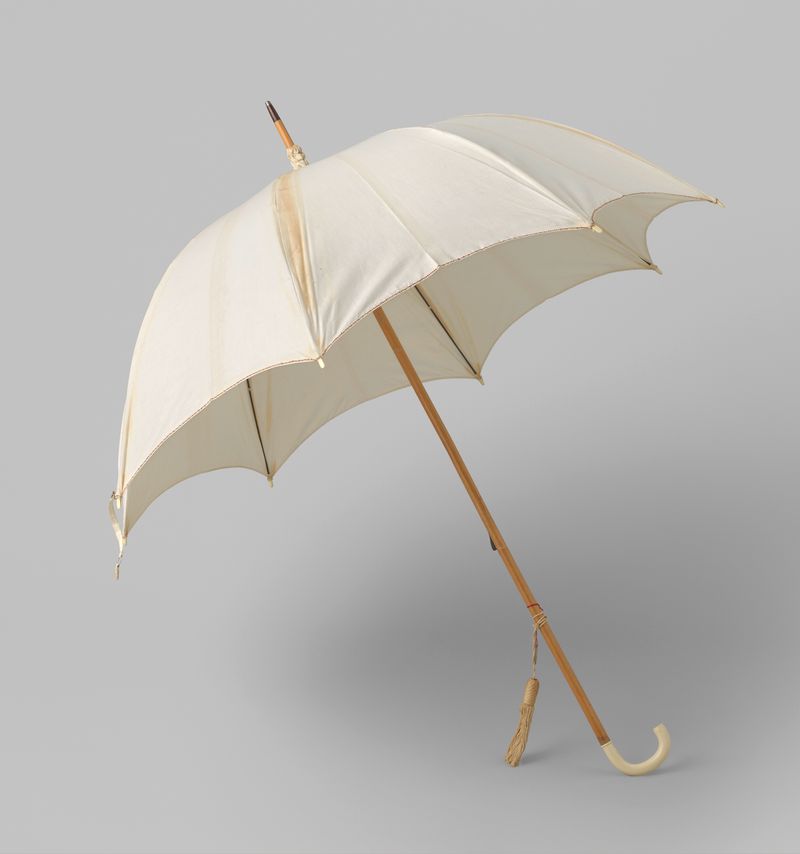
Parasol met dek van effen witte katoen met een smal meerkleurig draad langs de rand geregen, op lichte houten stok, met gebogen, ivoorkleurig handvat
Gustav Schnitzler
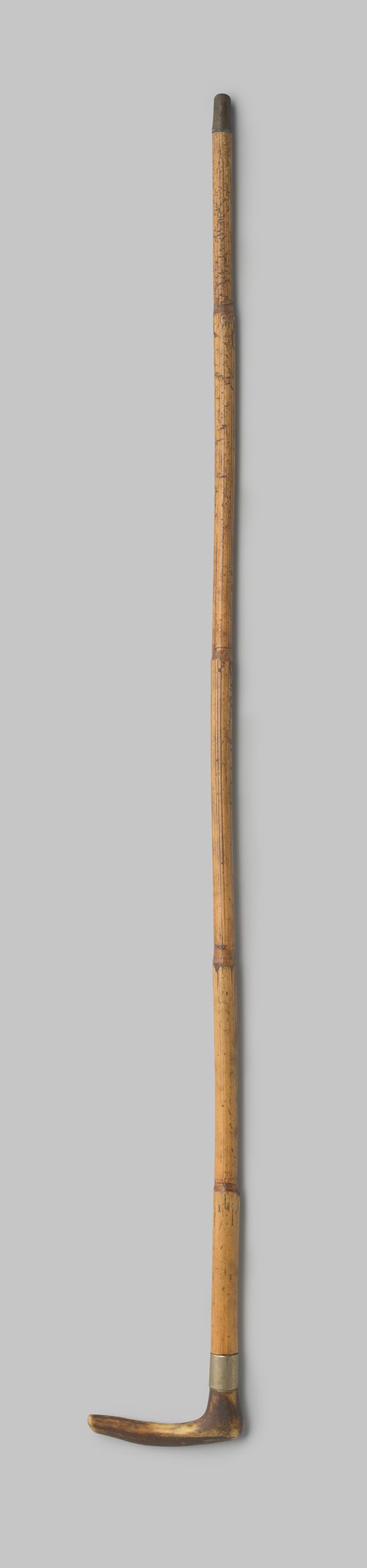
Onderstok van parasol of parapluie van bamboe met rechte haak van hertshoorn, met ring en punt van koper
Gustav Schnitzler