Tussenzetsel van zwarte machinale kant met slingerend bloem- en bladmotief, op karton — History & Facts
In the delicate interplay of thread and color, beauty emerges from the depths of disorder, inviting the viewer to explore its intricate layers. Focus on the rhythmic undulation of the floral and leaf motifs that dance across the surface, each line meticulously crafted to create a captivating harmony. The black lace-like patterns weave through the light-toned cardboard, drawing the eye in and urging a closer inspection of the delicate craftsmanship. Notice how the interplay of light and shadow breathes life into the piece, emphasizing the textural contrasts and lending a three-dimensional quality to the work. As you engage with these swirling designs, consider the emotional undertones that echo within this composition.
The contrast between the organic forms and the rigid structure of the cardboard speaks to the balance between nature and industrialization, reflecting a tension that resonates with the viewer. Each motif carries a sense of movement, stirring feelings of nostalgia for a world where beauty can flourish amidst the mechanized backdrop of modernity. Created in the mid-1920s, this artwork emerged during a period of great change for Gustav Schnitzler, who was navigating the evolving landscape of art in a post-war society. Working in the Netherlands, he explored various forms of decorative arts, aiming to capture the essence of beauty in everyday materials.
This piece encapsulates the spirit of the time, where traditional craftsmanship met the modern age, celebrating the delicate artistry that could be born from the chaos of contemporary life.
More Artworks by Gustav Schnitzler
Browse all →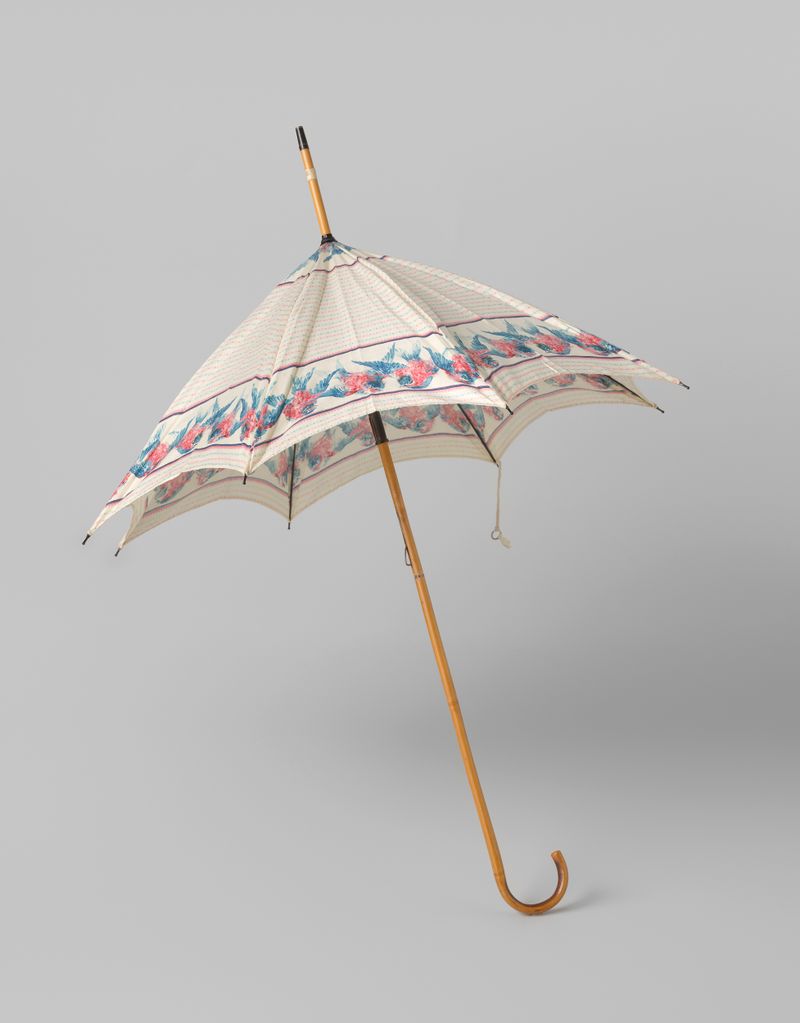
Parasol met dek witte katoen bedrukt met roze en blauwe vogeltjes, op een bamboe stok met gebogen handvat
Gustav Schnitzler
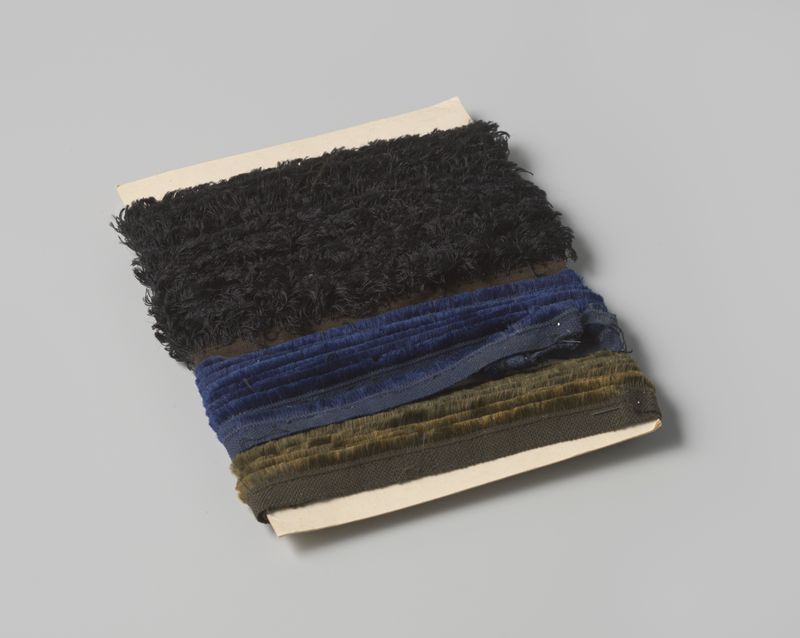
Strook zwarte franje aan bezemband, op karton
Gustav Schnitzler
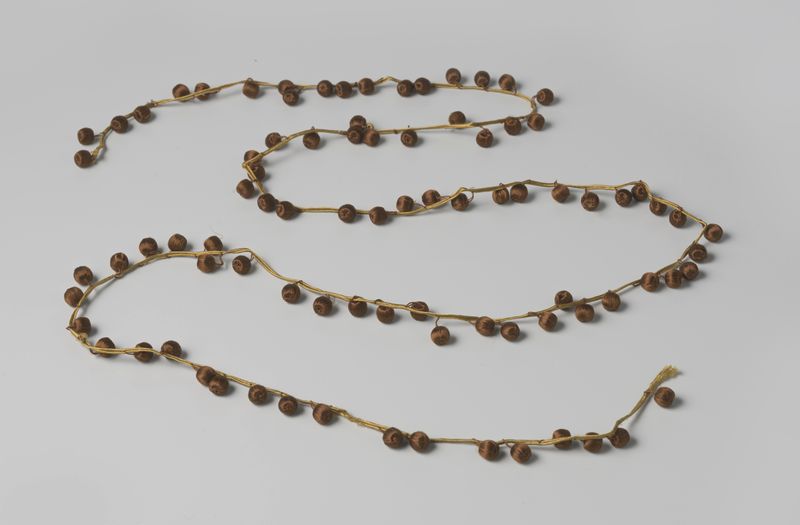
Galon, goudkleurig, waaraan pompons van bruin (zijde)draad hangen
Gustav Schnitzler
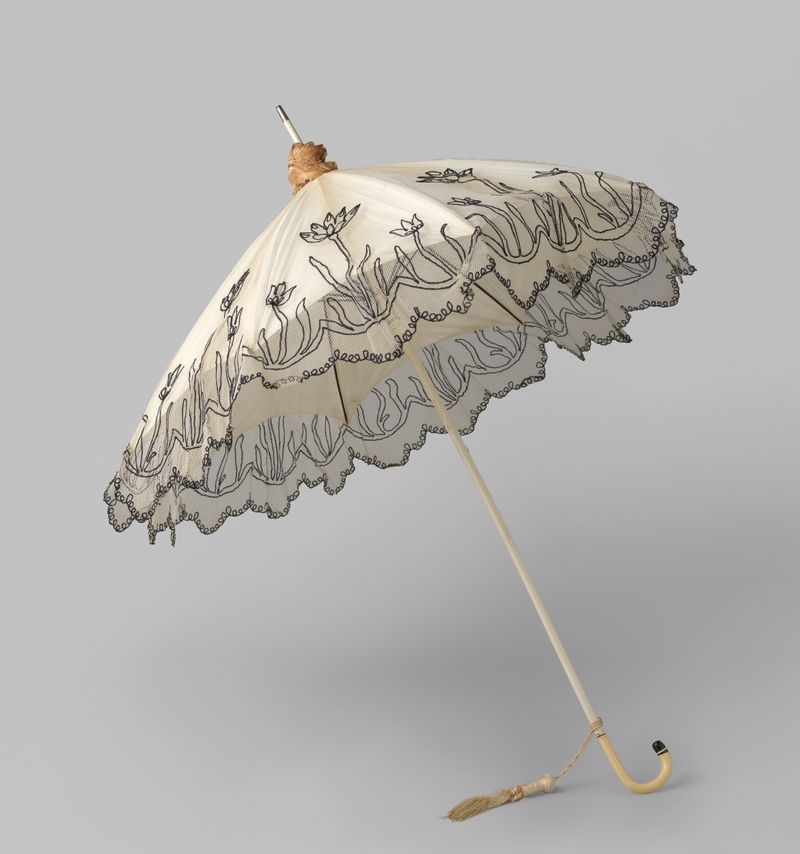
Parasol met dek van witte tule waarop zwart borduurwerk van telkens drie bloemen, op een witgeverfde houten stok, waaraan een gebogen ivoorkleurig handvat
Gustav Schnitzler

Parasol met dek van witte katoen, waartussen een strook van witte kant, op een lichte, houten stok met een ronde haak
Gustav Schnitzler

Strook franje, getand, wit en écru, gewikkeld rond een met gouden randen afgezet plankje
Gustav Schnitzler
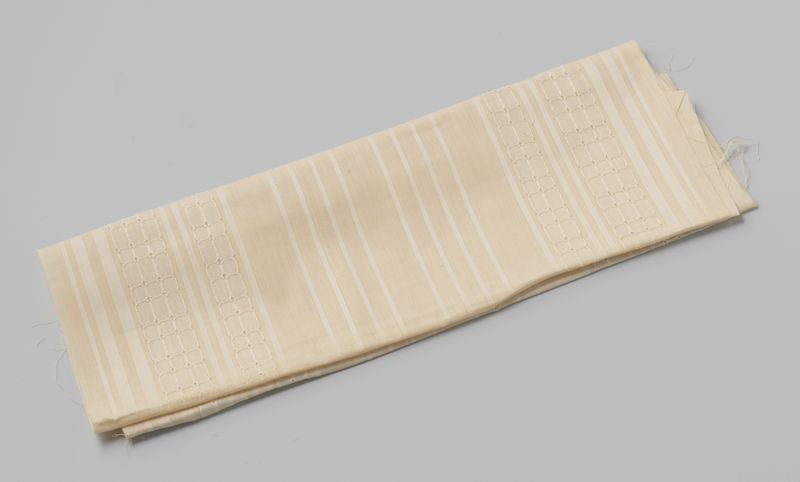
Coupon wit parasolkatoen met beige strepen aan weerszijden
Gustav Schnitzler
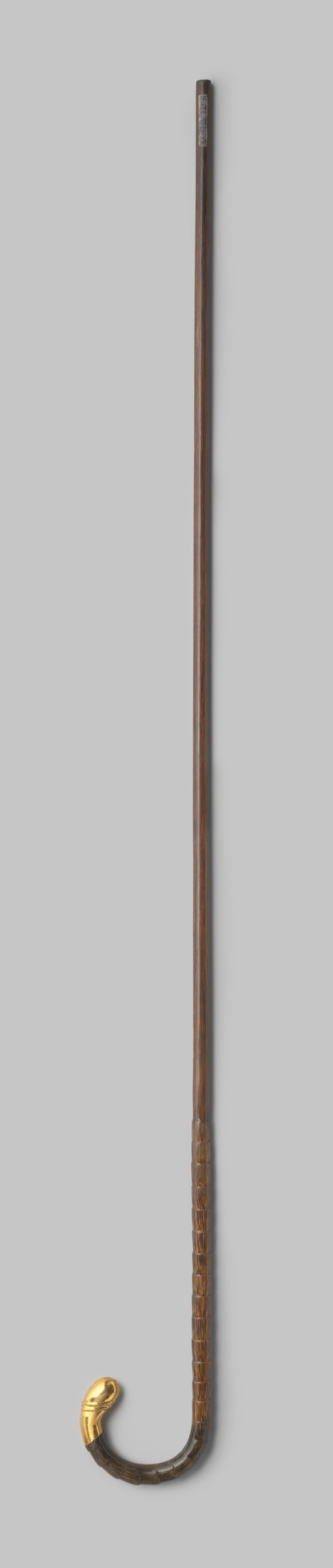
Onderstok van een parapluie of parasol van kokospalm met ronde haak en goudkleurig (verguld?) metalen uiteinde
Gustav Schnitzler
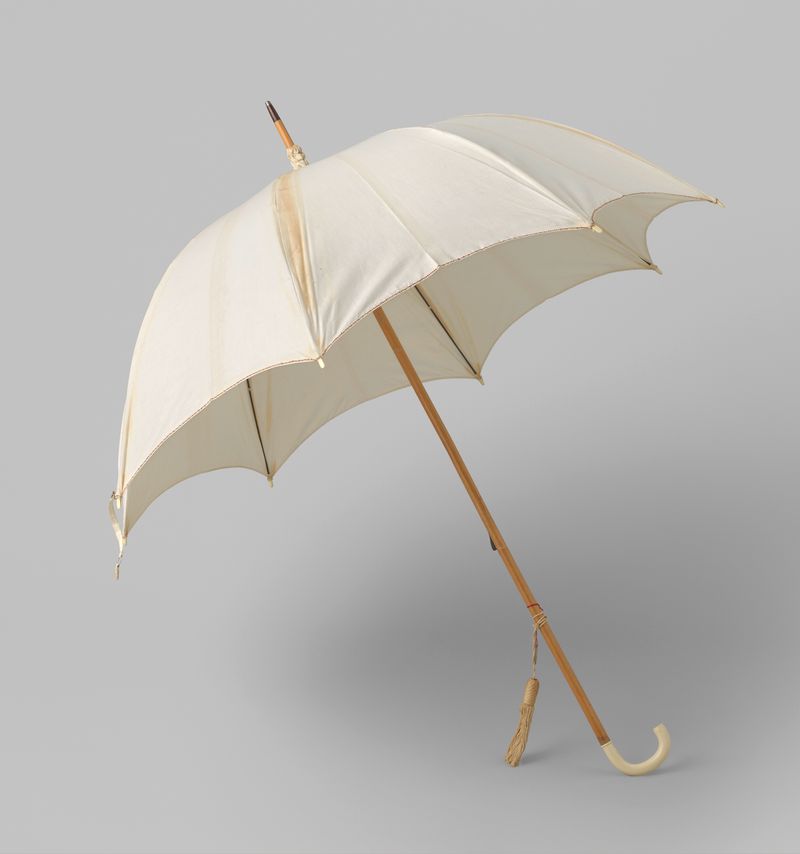
Parasol met dek van effen witte katoen met een smal meerkleurig draad langs de rand geregen, op lichte houten stok, met gebogen, ivoorkleurig handvat
Gustav Schnitzler
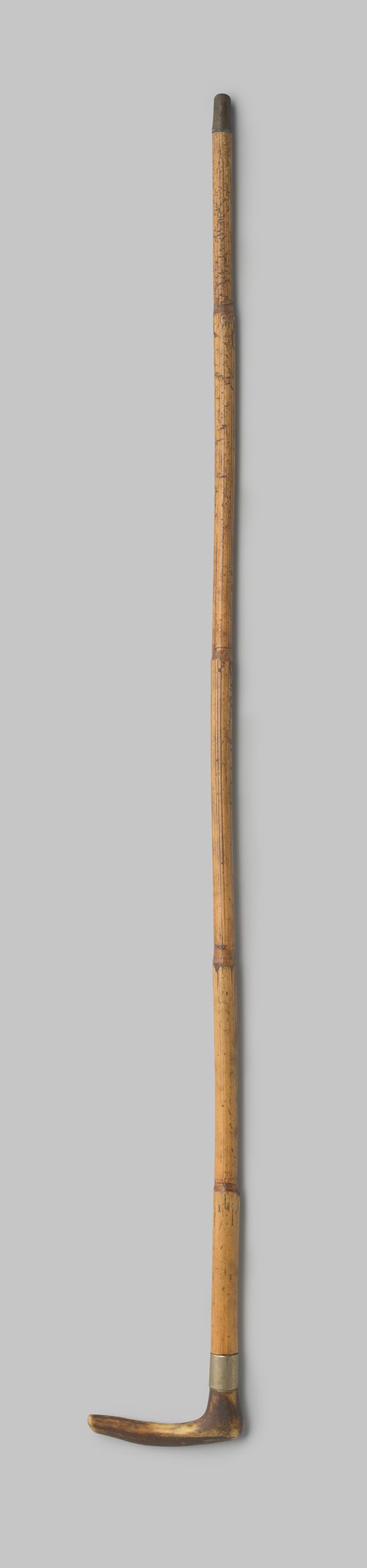
Onderstok van parasol of parapluie van bamboe met rechte haak van hertshoorn, met ring en punt van koper
Gustav Schnitzler