Tussenzetsel, wit, met een motief van vierkanten en ruiten op karton — History & Facts
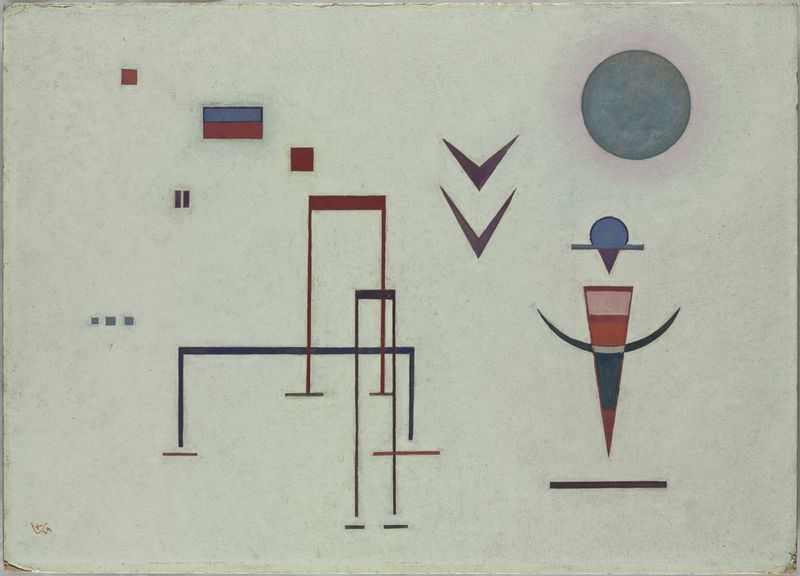
What if beauty was never meant to be finished? In a world where shapes and colors dance in perpetual dialogue, we find ourselves reflecting on the fleeting nature of memory and form. Look to the center of the canvas, where a grid of squares and diamonds emerges from a soft, muted backdrop. The precise geometric arrangement draws the eye, while the gentle play of light reveals subtle variations in tone. Notice how the delicate interplay of white and cream creates a sense of depth, inviting you to explore the nuances hidden within the confines of structured simplicity.
Each shape seems to hold a whisper of emotion, as if time itself is caught suspended in this rhythmic pattern. Delve deeper into the contrasting elements that unfold within the artwork. The rigidity of the geometric forms juxtaposes the soft fragility of the color palette, suggesting a struggle between order and chaos, memory and forgetfulness. This tension reflects the human experience, where the mind arranges and rearranges fragments of the past, yearning for coherence yet embracing the disorder of life.
Here, the interplay of light and shadow symbolizes the transient nature of recollection, as memories fade and transform, only to return in unexpected flashes. Created around 1925, amid the burgeoning modernist movement, the artist was deeply engaged with abstraction and the exploration of visual language. At this point in his life, Schnitzler was experimenting with new materials and techniques, seeking to capture the ephemeral quality of thought and experience through innovative forms. The world around him was shifting, and like many of his contemporaries, he was drawn to the interplay of emotions and structures, culminating in this evocative piece.
More Artworks by Gustav Schnitzler
Browse all →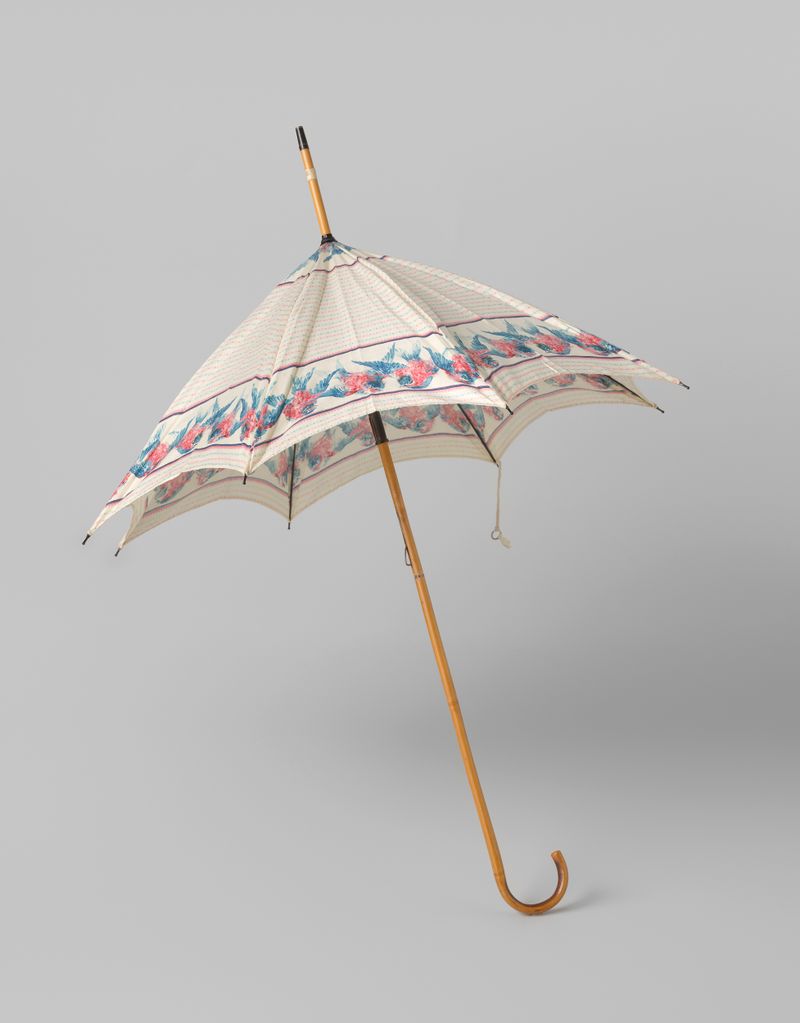
Parasol met dek witte katoen bedrukt met roze en blauwe vogeltjes, op een bamboe stok met gebogen handvat
Gustav Schnitzler
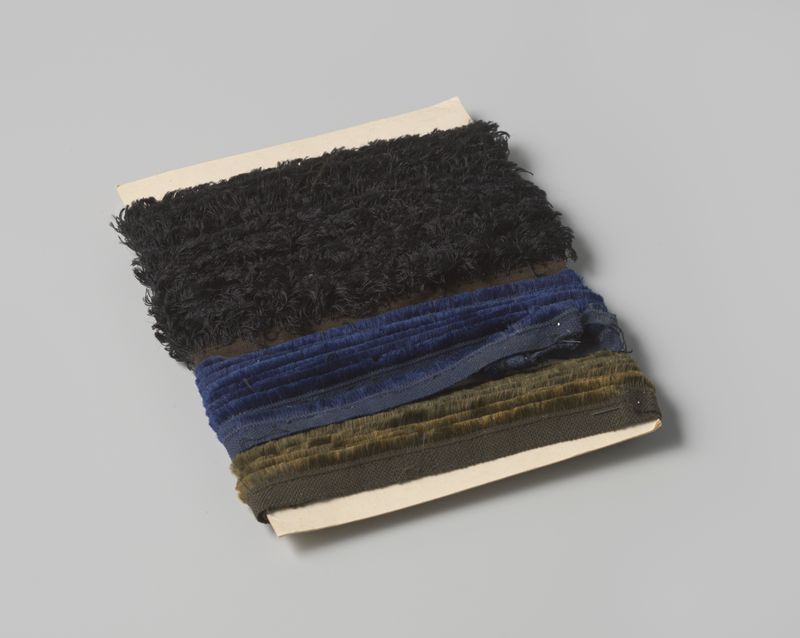
Strook zwarte franje aan bezemband, op karton
Gustav Schnitzler
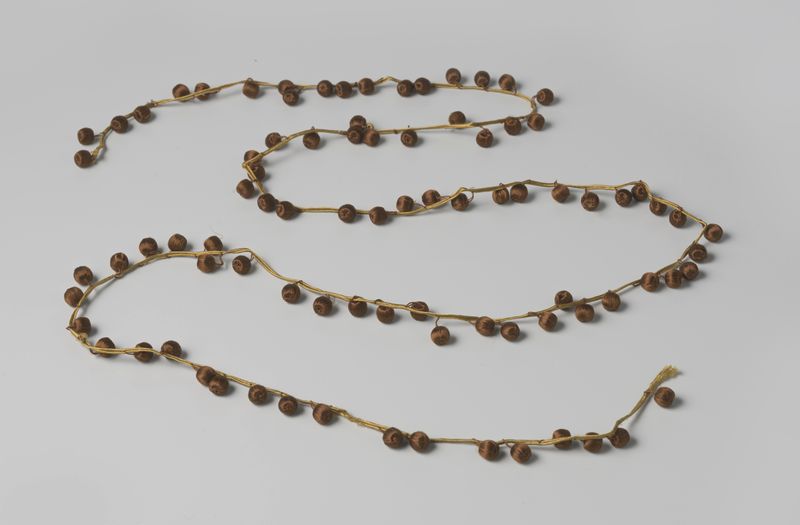
Galon, goudkleurig, waaraan pompons van bruin (zijde)draad hangen
Gustav Schnitzler
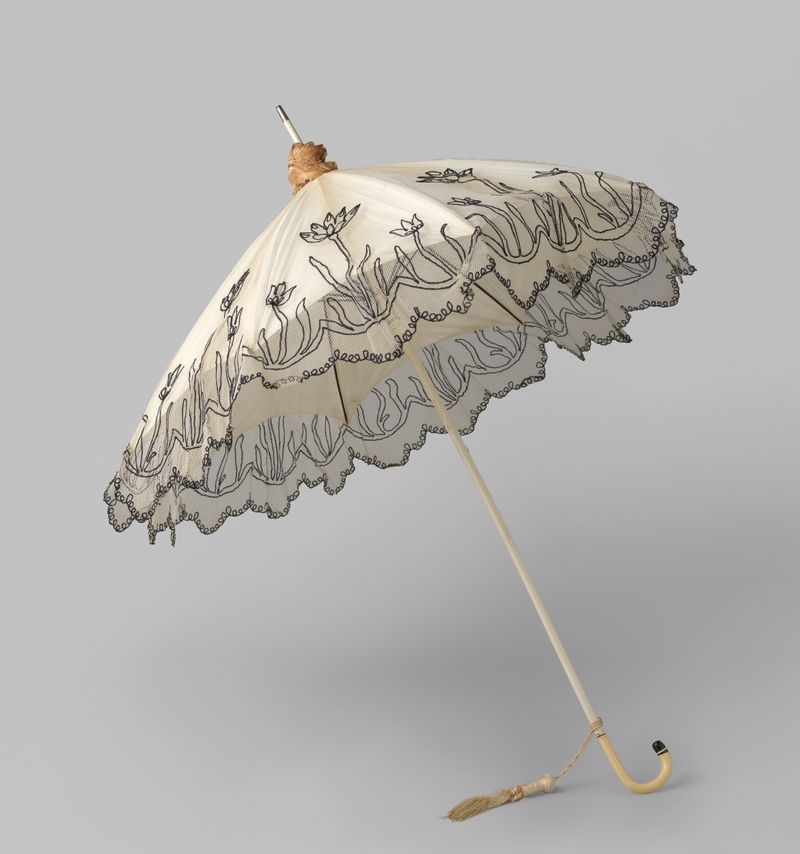
Parasol met dek van witte tule waarop zwart borduurwerk van telkens drie bloemen, op een witgeverfde houten stok, waaraan een gebogen ivoorkleurig handvat
Gustav Schnitzler

Parasol met dek van witte katoen, waartussen een strook van witte kant, op een lichte, houten stok met een ronde haak
Gustav Schnitzler

Strook franje, getand, wit en écru, gewikkeld rond een met gouden randen afgezet plankje
Gustav Schnitzler
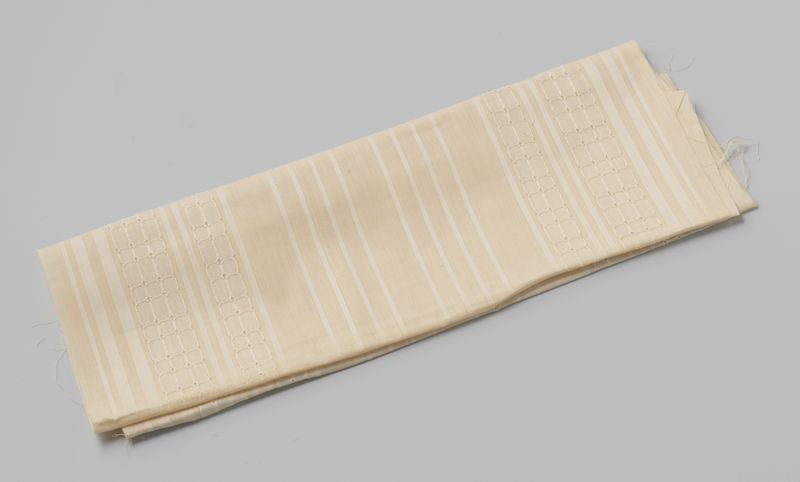
Coupon wit parasolkatoen met beige strepen aan weerszijden
Gustav Schnitzler
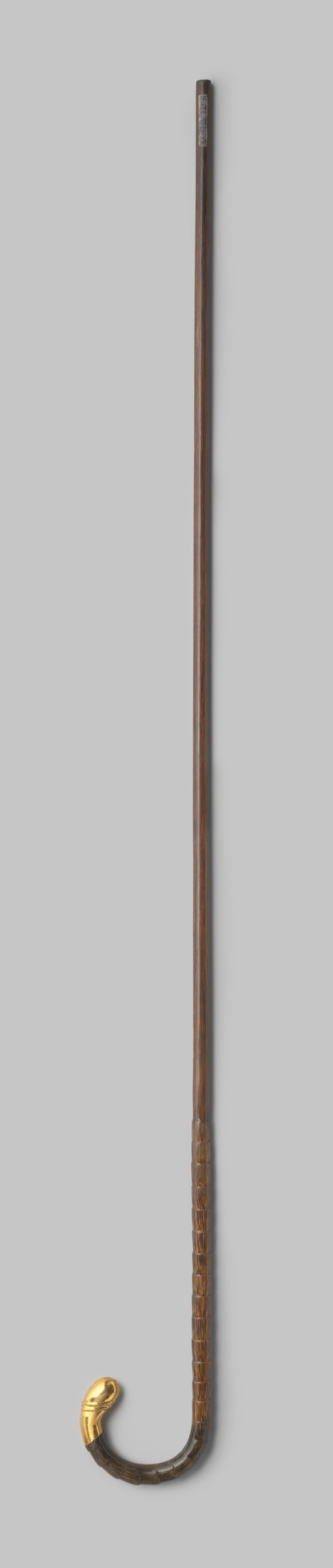
Onderstok van een parapluie of parasol van kokospalm met ronde haak en goudkleurig (verguld?) metalen uiteinde
Gustav Schnitzler

Parasol met dek van effen witte katoen met een smal meerkleurig draad langs de rand geregen, op lichte houten stok, met gebogen, ivoorkleurig handvat
Gustav Schnitzler
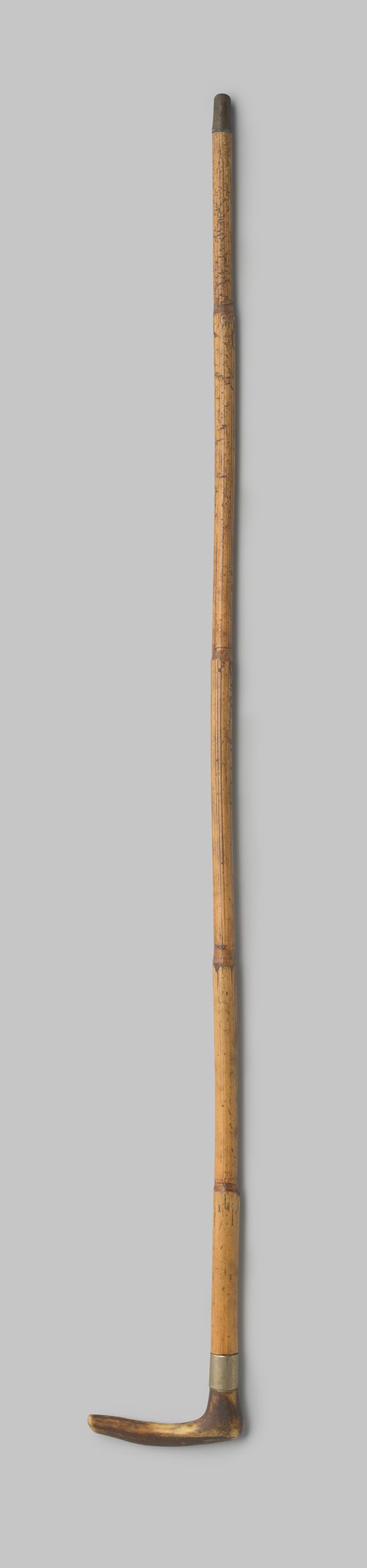
Onderstok van parasol of parapluie van bamboe met rechte haak van hertshoorn, met ring en punt van koper
Gustav Schnitzler