
Twee gekielde zeilschepen — History & Facts
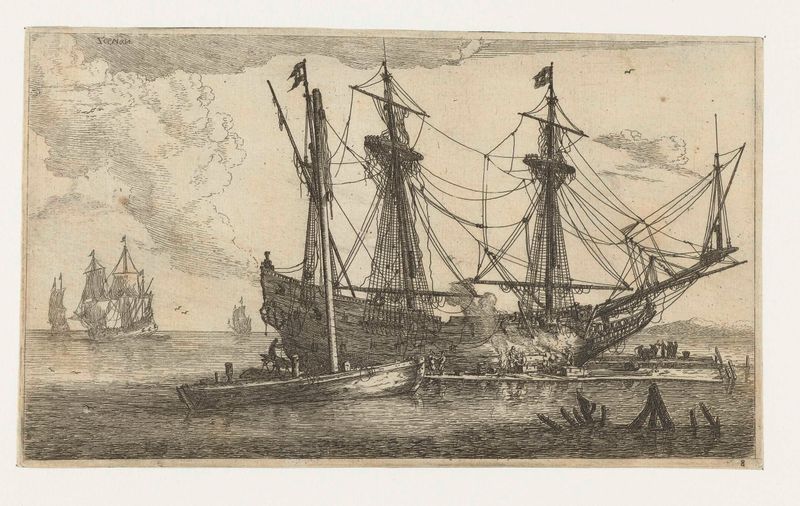
Who listens when art speaks of silence? In Twee gekielde zeilschepen, the stillness of the water mirrors the quiet yearning of the scene, inviting contemplation and reflection. Look to the left at the gentle sway of the sails, their crisp white a stark contrast against the deep blues of the water below. The meticulous brushwork reveals the artist's dedication to detail, each wave carefully rendered as if it breathes with a life of its own. Notice how the sunlight dances upon the masts, illuminating the scene with a soft glow that evokes a sense of tranquility.
The composition, balanced by the two ships, creates an equilibrium that draws the viewer’s gaze, establishing a harmonious dialogue between vessel and sea. Yet, beneath the serene surface lies a deeper emotional tension. The ships, poised in their journey, evoke a sense of longing, perhaps for distant shores or uncharted waters. The stillness of the scene contrasts with the inherent desire for movement, a duality that speaks to the viewer's own aspirations and dreams.
The absence of human figures amplifies this feeling, as if these vessels are silently yearning for companionship or adventure, leaving the audience to fill the void. Reinier Nooms created this work during a transformative period in Dutch maritime art, around 1650 to 1664. The Netherlands was flourishing economically, leading to an increased interest in seafaring and exploration. Nooms, known for his detailed depictions of ships and harbors, captured not just the beauty of the vessels but also the emotional essence of maritime life, reflecting both the pride and the solitude of the seafaring experience.
More Artworks by Reinier Nooms
Browse all →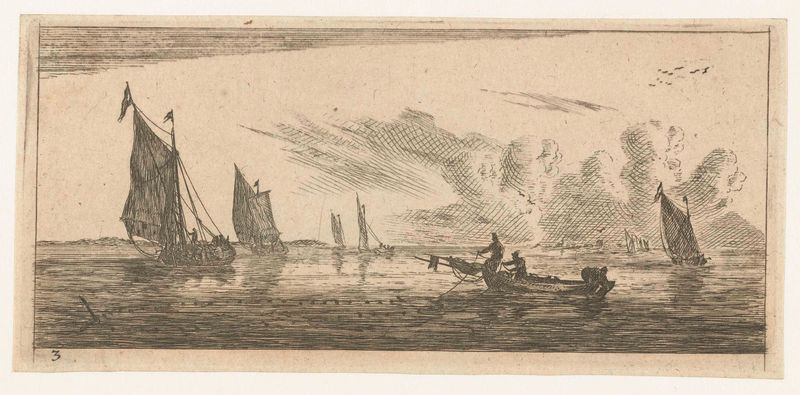
Zeegezicht met verschillende zeilschepen
Reinier Nooms
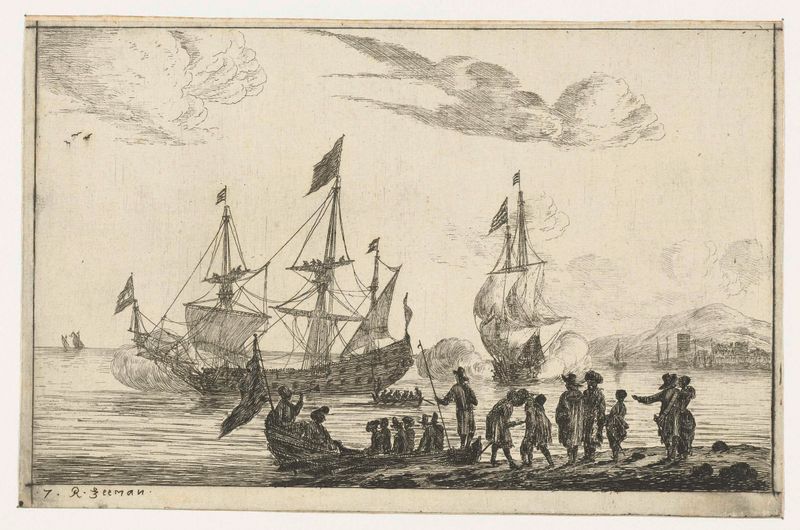
Havenscène met een spiegelsloep
Reinier Nooms
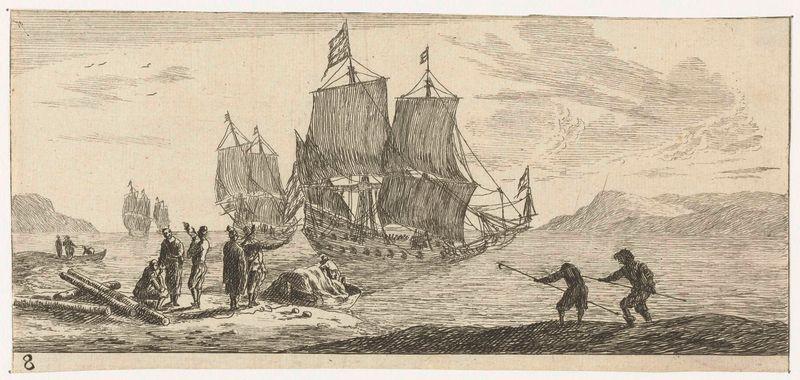
Vier grote zeilschepen in een baai
Reinier Nooms
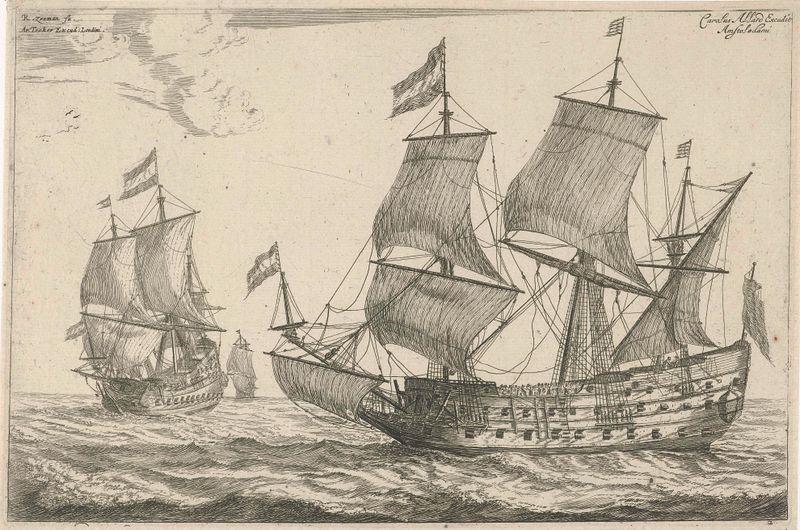
Twee grote oorlogsschepen
Reinier Nooms
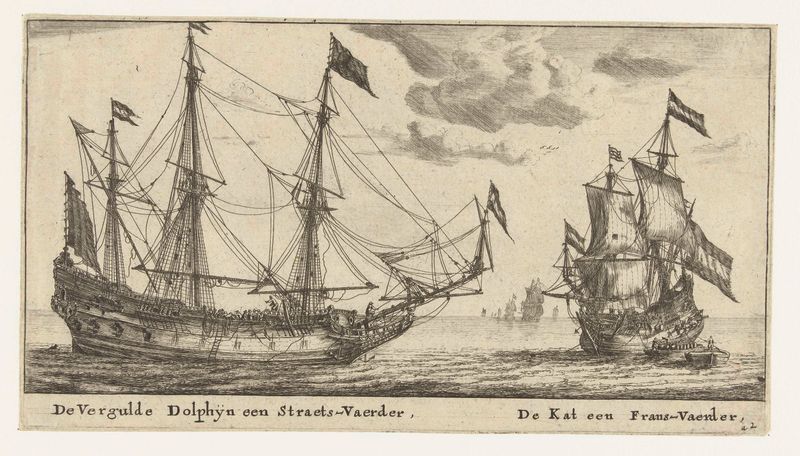
De schepen De Vergulde Dolfijn en De Kat
Reinier Nooms
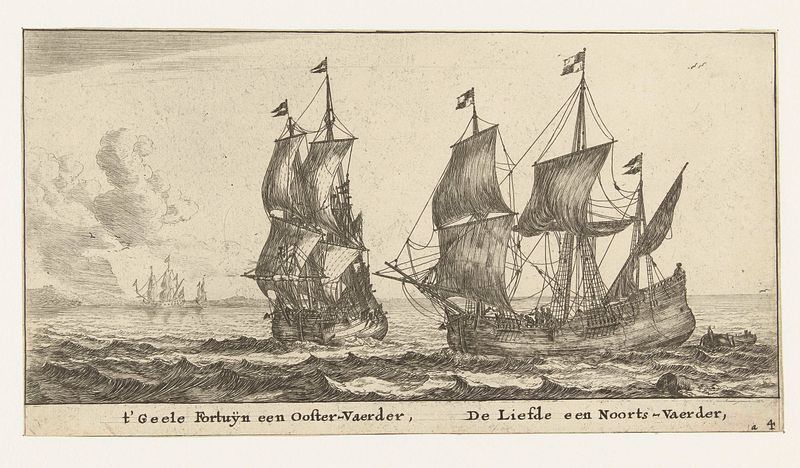
De schepen 't Gele Fortuin en De Liefde
Reinier Nooms
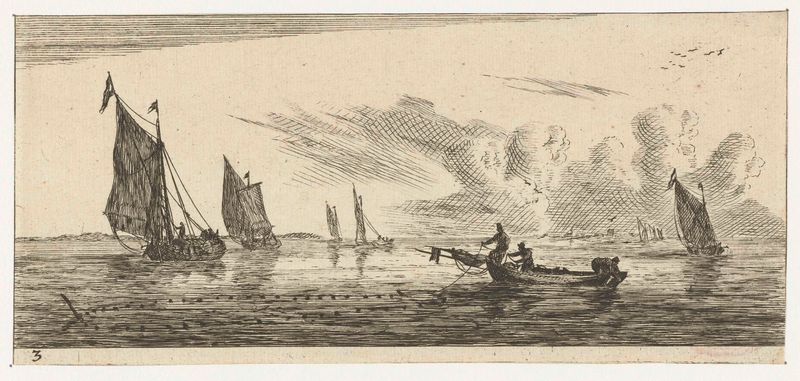
Zeegezicht met verschillende zeilschepen
Reinier Nooms
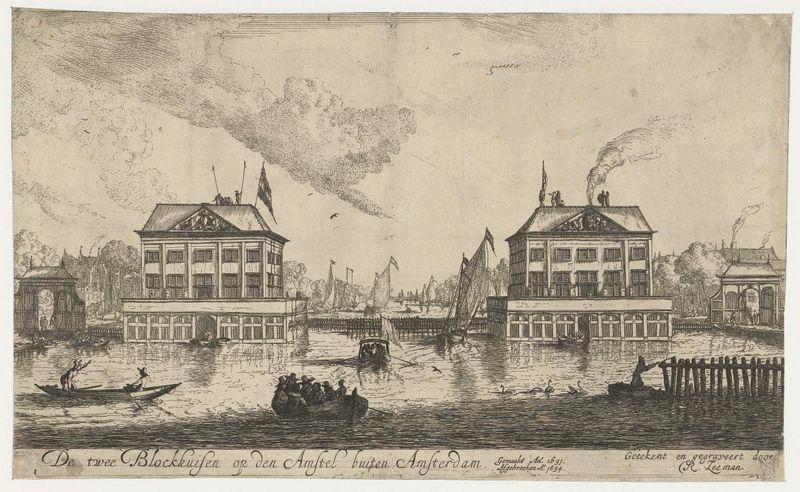
Gezicht op de twee Blokhuizen in de Amstel
Reinier Nooms
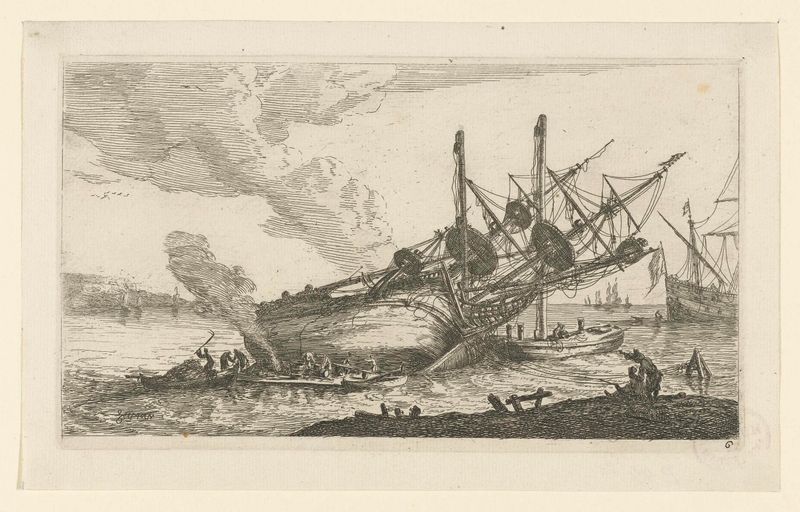
Reparaties aan de romp van een schip
Reinier Nooms
Reparaties aan de romp van een schip
Reinier Nooms





