
Twee getuigen van God en het Beest — History & Facts
Who listens when art speaks of silence? In the realm of the divine and the monstrous, the echoes of faith challenge our perceptions of awe. Look closely at the central figures in the composition: the two witnesses, framed against a backdrop of dark, foreboding tones. Their expressions are serene, yet an undercurrent of tension pulses in the air. Notice how the light softly caresses their garments, illuminating the sanctity of their roles, while shadows loom ominously in the corners.
The stark contrast between light and dark encapsulates the duality of belief and doubt, inviting viewers to ponder the weight of their testimonies. Delve deeper into the details, where symbols intertwine with the human form. The scroll held by one witness symbolizes prophecy, while the other gestures towards the heavens, invoking a sense of urgency. This juxtaposition of the divine and the apocalyptic entwines the viewer's emotions, stirring a quiet reverence.
The artwork reflects a time when faith grappled with uncertainty, and the complexity of belief manifests in the stillness of their stance. Cranach painted this work between 1522 and 1527, during a period of religious upheaval in Europe marked by the Reformation. Working in Wittenberg, he was deeply engaged with the tumultuous shifts in art and doctrine. His approach combined a reverence for tradition with an innovative engagement with emerging Protestant ideals, making works like this a profound exploration of the spiritual landscape in a time of transformation.
More Artworks by Lucas Cranach (I)
Browse all →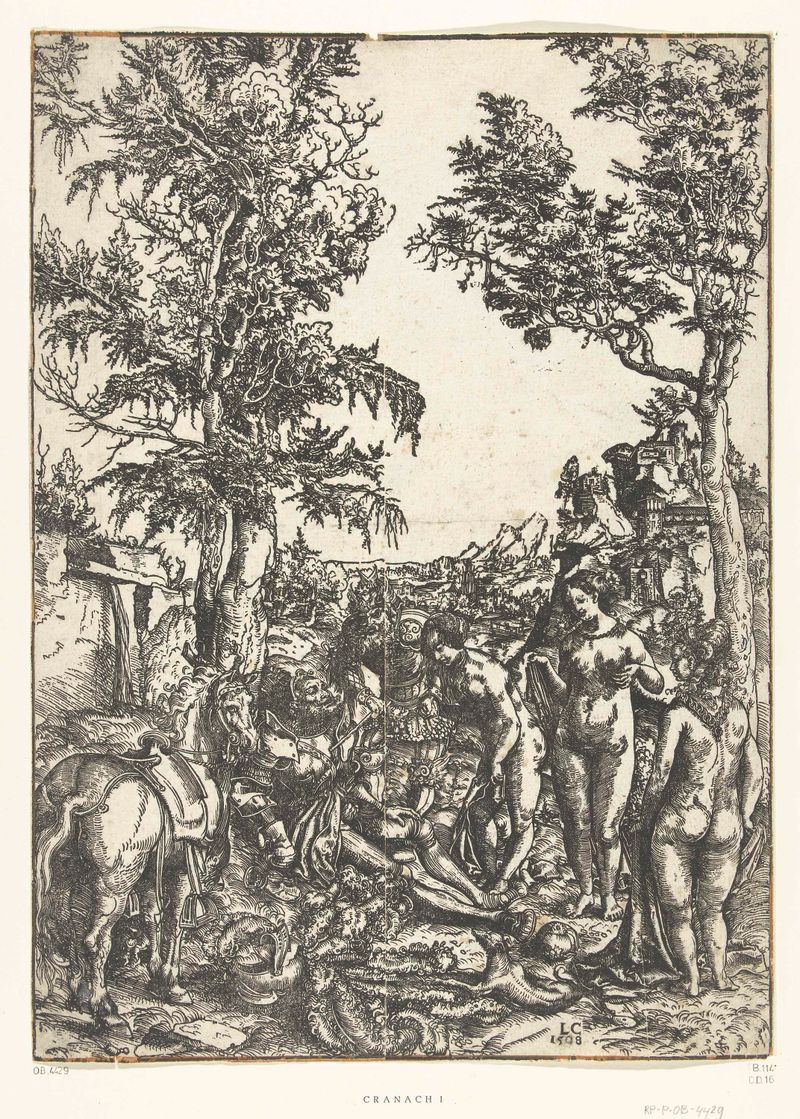
Oordeel van Paris
Lucas Cranach (I)
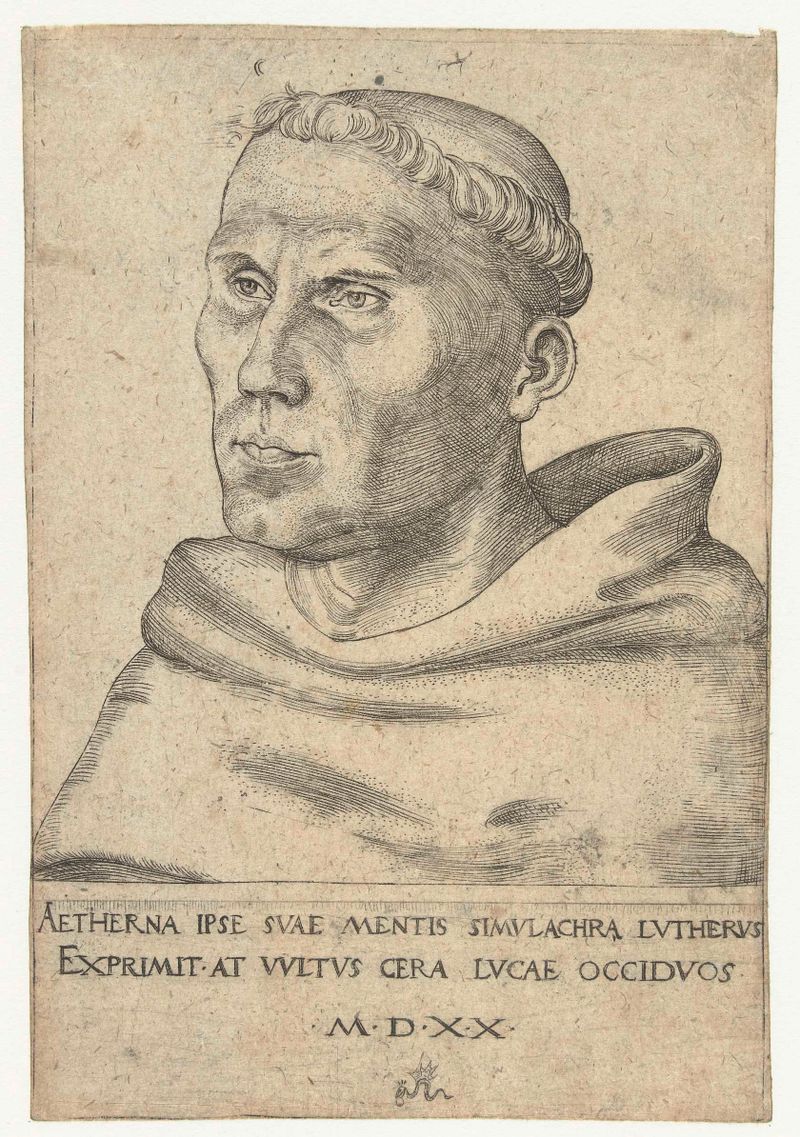
Portret van Martin Luther als Augustijner monnik
Lucas Cranach (I)
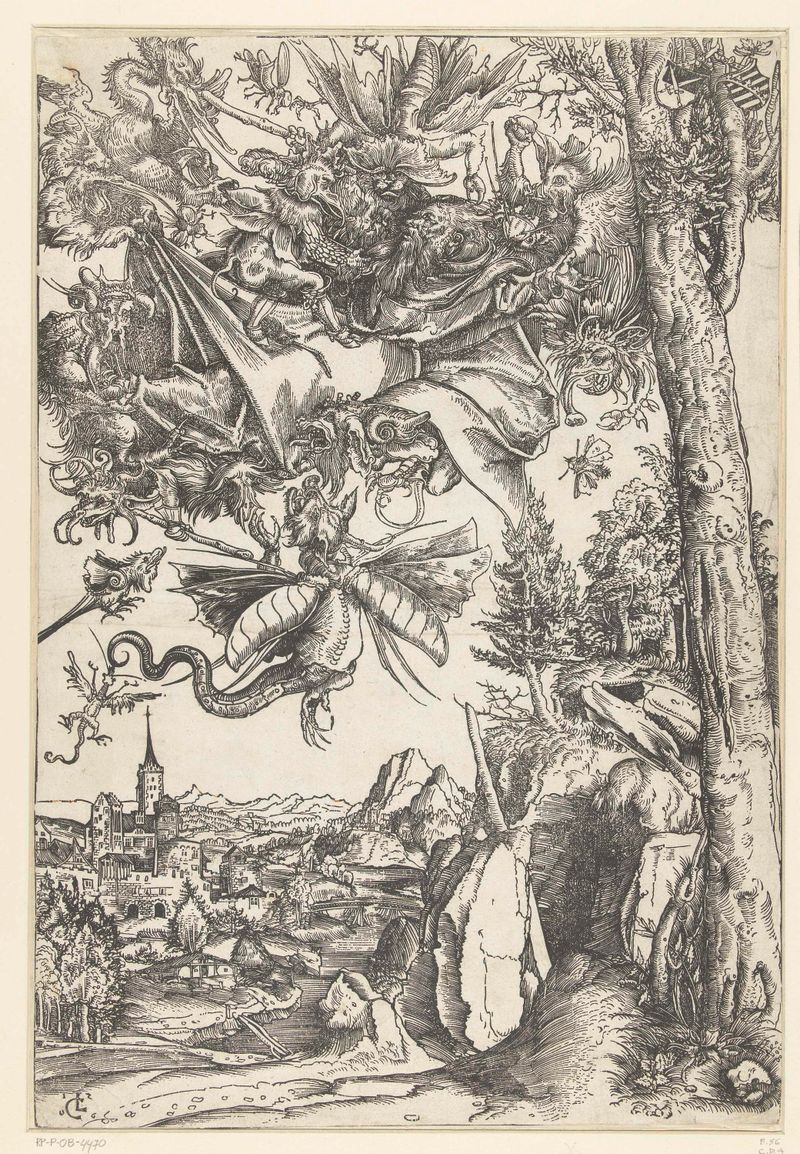
Verzoeking van Antonius met aanval door demonen
Lucas Cranach (I)

Christus en de Samaritaanse vrouw
Lucas Cranach (I)

Duits toernooi met twee edelmannen als ridders te paard
Lucas Cranach (I)
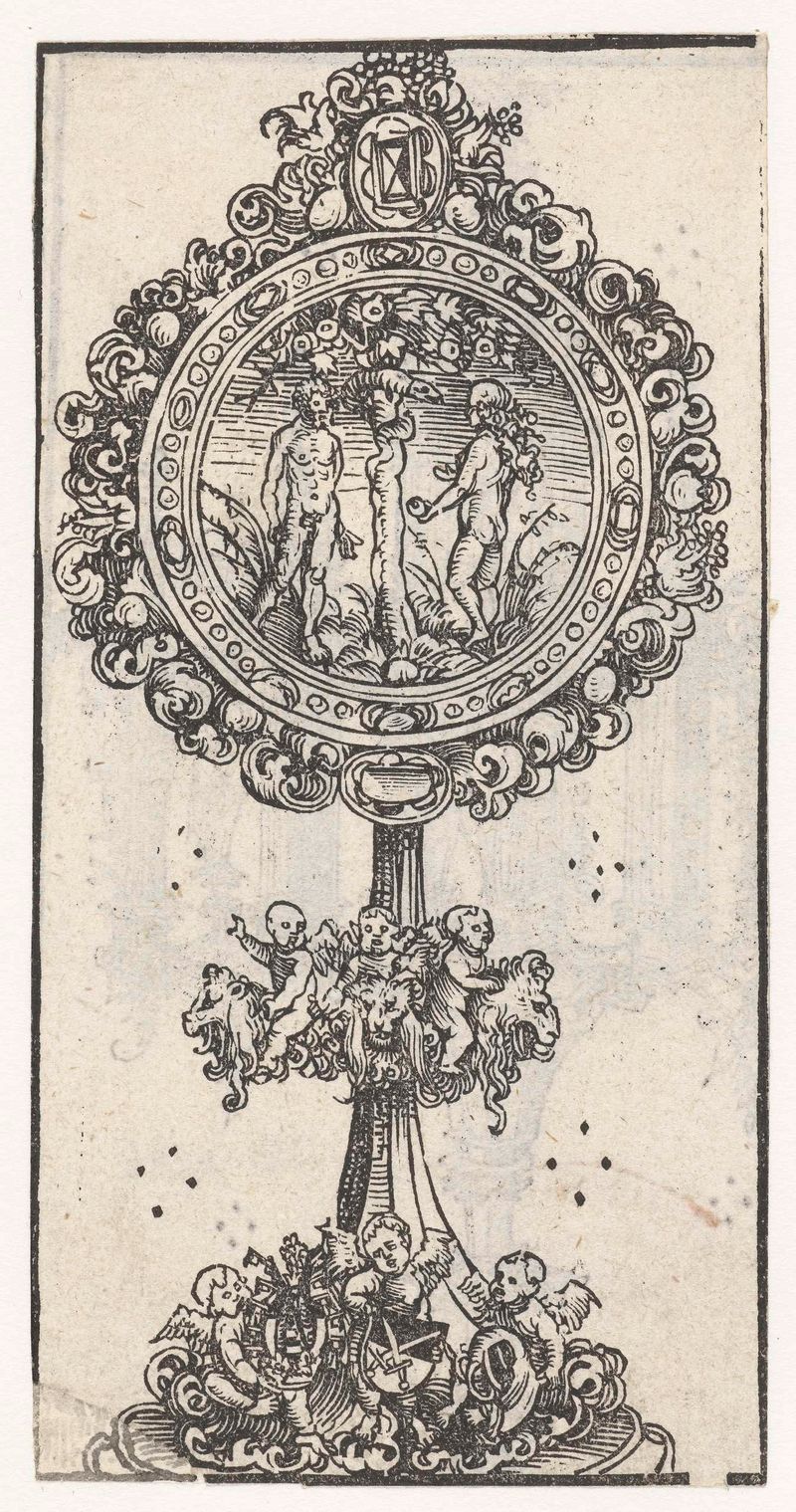
Reliekhouder met de verzoeking van Adam en Eva
Lucas Cranach (I)

Intocht van Christus in Jerusalem
Lucas Cranach (I)
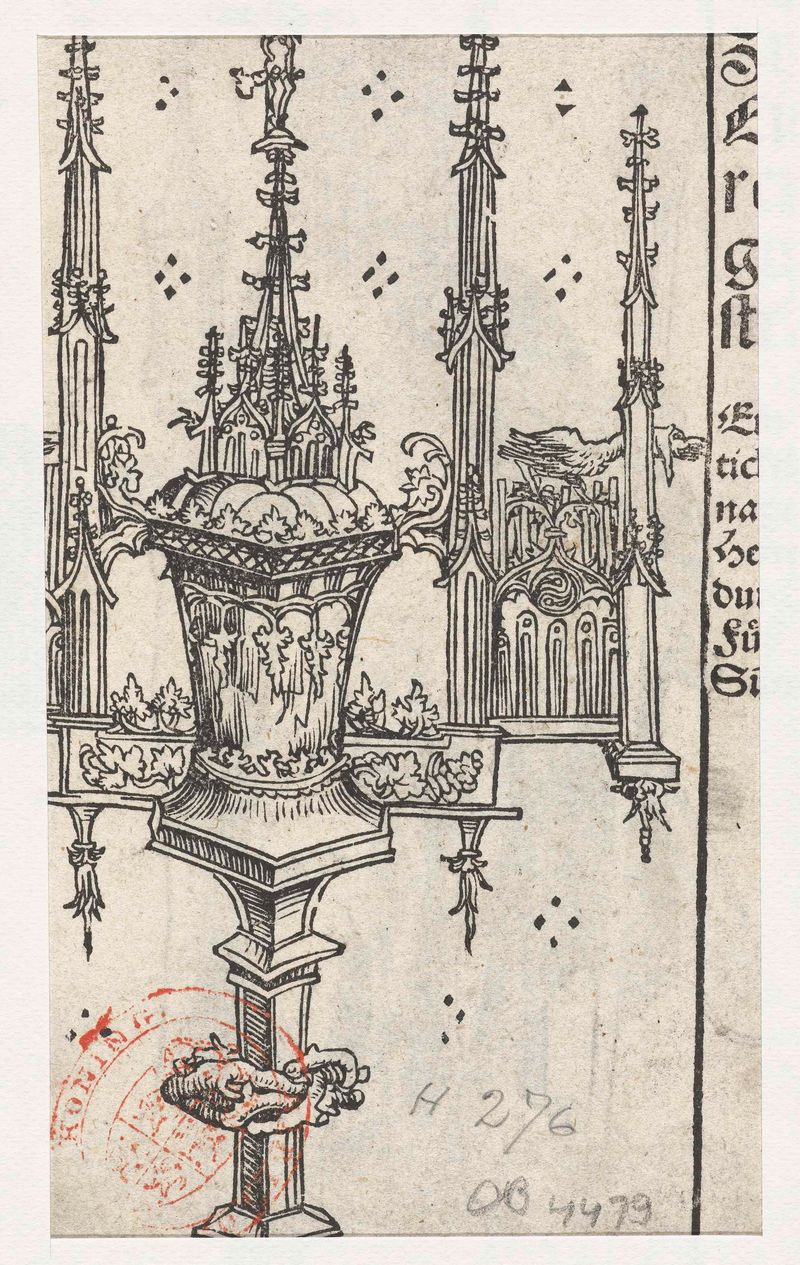
Monstrans met vogel (pelikaan)
Lucas Cranach (I)
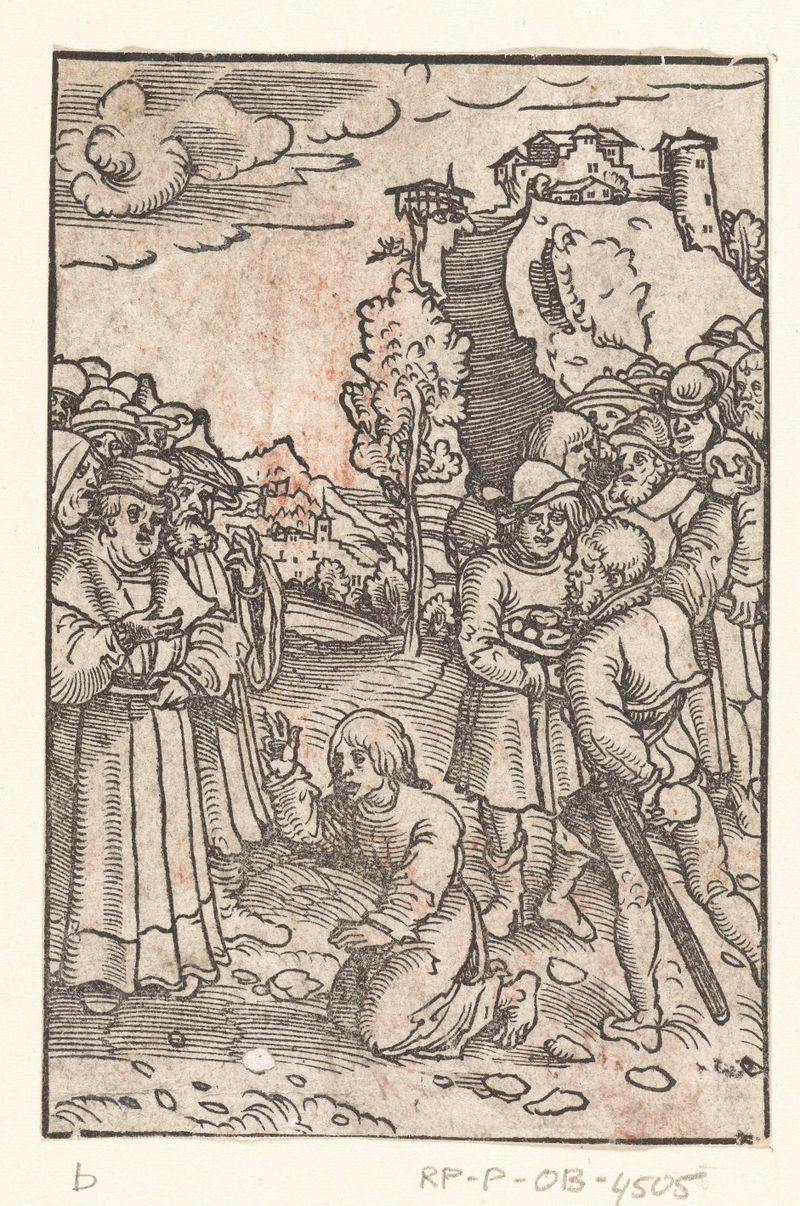
Steniging van Stefanus
Lucas Cranach (I)
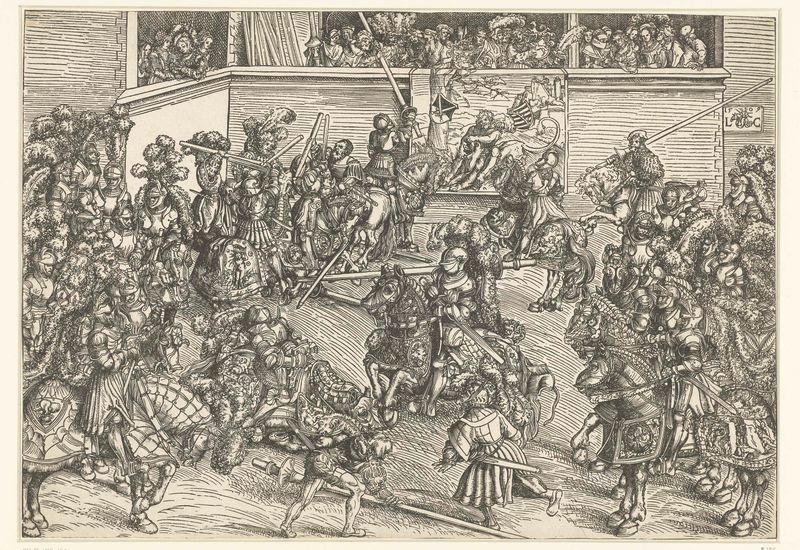
Toernooi van het keurvorstelijk hof van Saksen met wandtapijt Simson doodt de leeuw
Lucas Cranach (I)
More Religious Art
Browse all →
The Return of the Prodigal Son
Rembrandt van Rijn

The Garden of Earthly Delights
El Bosco

Count Orgaz’ funeral
El Greco

The Hundred Guilder Print: the central piece with Christ preaching, the plate arched
Rembrandt van Rijn

The Descent from the Cross
Rogier van der Weyden

The return of the prodigal son
Rembrandt van Rijn