
Twee schepen: een boeier en een galjoot — History & Facts
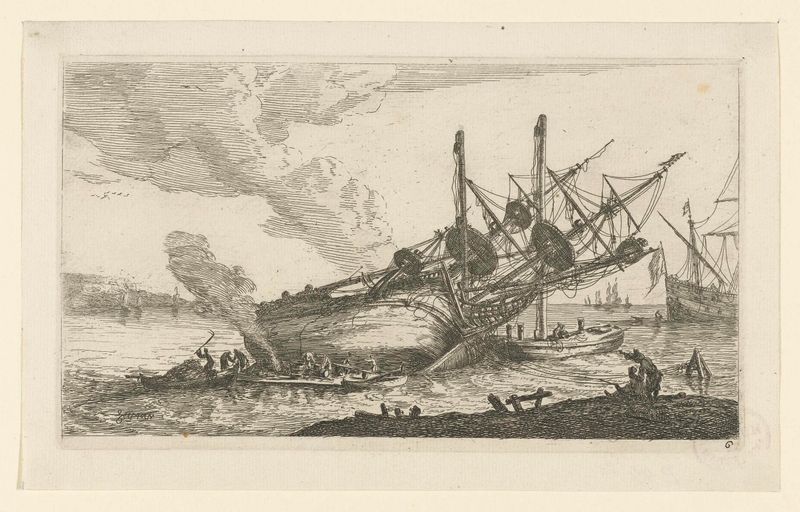
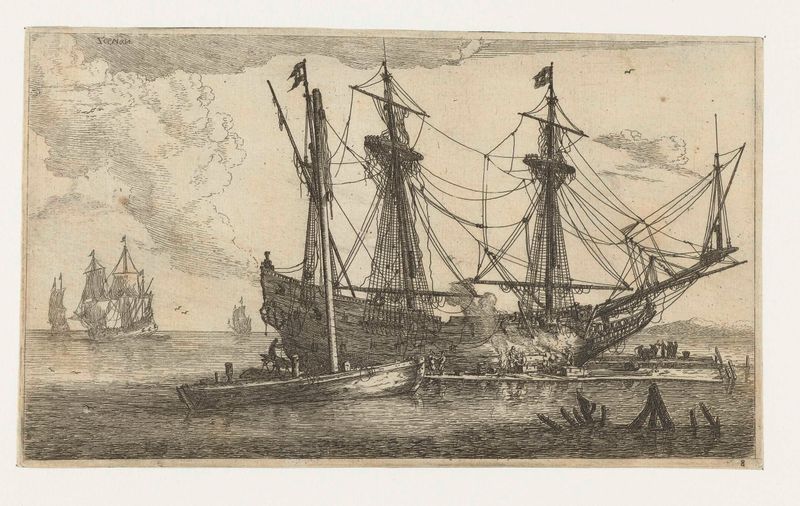
In the quiet moments of creativity, a legacy is forged, enduring beyond the artist's lifetime. Twee schepen: een boeier en een galjoot captures this essence, offering a glimpse into the serene interplay of daily life and nature. Look to the center of the canvas where two vessels rest upon the water, their sails gently furled. The meticulous brushstrokes render the boats with exquisite detail, showcasing the shimmering reflections on the rippling surface.
Notice how the light dances upon the water, hinting at a golden hour that bathes the scene in warm tones of orange and ochre. This light not only enhances the beauty of the ships but evokes a sense of tranquility, inviting the viewer to linger in this moment. As you examine the foreground, a profound contrast emerges: the stillness of the boats juxtaposed with the dynamic movement of the water. This duality hints at the fragility of existence, the tension between man-made craftsmanship and the ever-changing elements of nature.
The surrounding clouds, painted in soft grays and whites, suggest an impending change, perhaps a storm or the passage of time itself, underscoring the ephemeral nature of life and memory. During 1652 to 1654, Reinier Nooms painted this work while residing in the vibrant maritime culture of the Dutch Golden Age. With the Netherlands expanding its influence through trade and exploration, Nooms found inspiration in the bustling harbors and the intricate relationships between man and sea. This period marked a significant evolution in art, with a focus on realism and the picturesque, reflecting the deep interplay between society and the natural world.
More Artworks by Reinier Nooms
Browse all →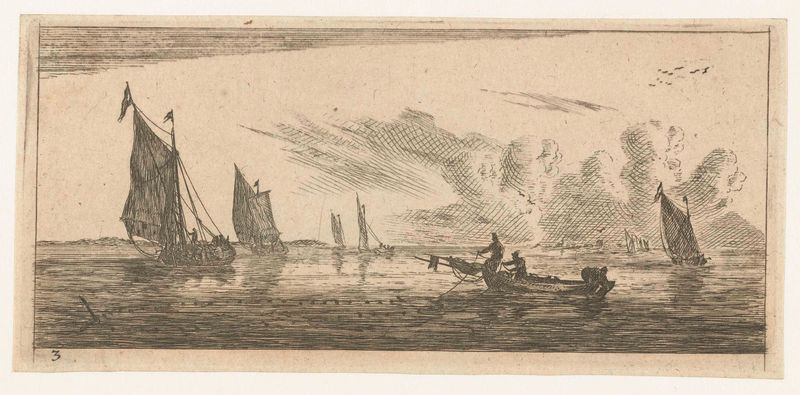
Zeegezicht met verschillende zeilschepen
Reinier Nooms
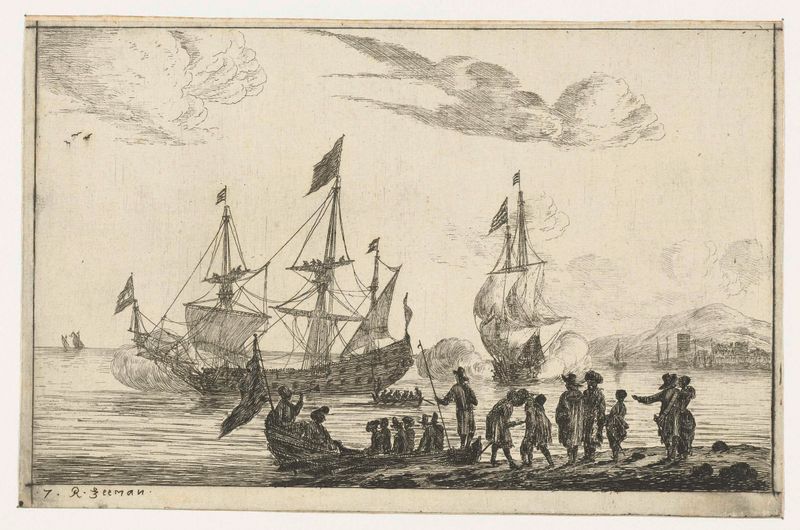
Havenscène met een spiegelsloep
Reinier Nooms
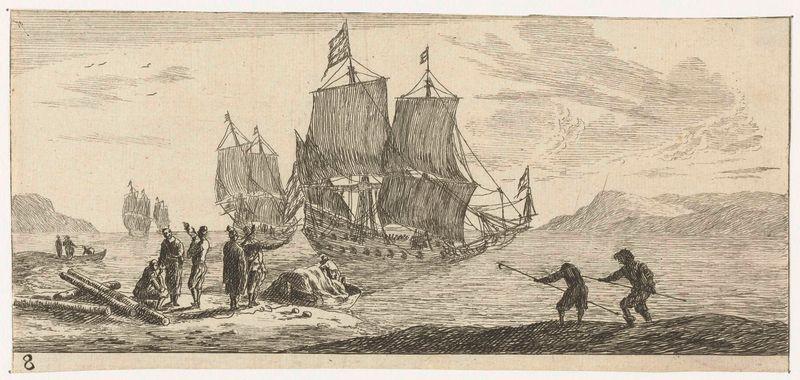
Vier grote zeilschepen in een baai
Reinier Nooms
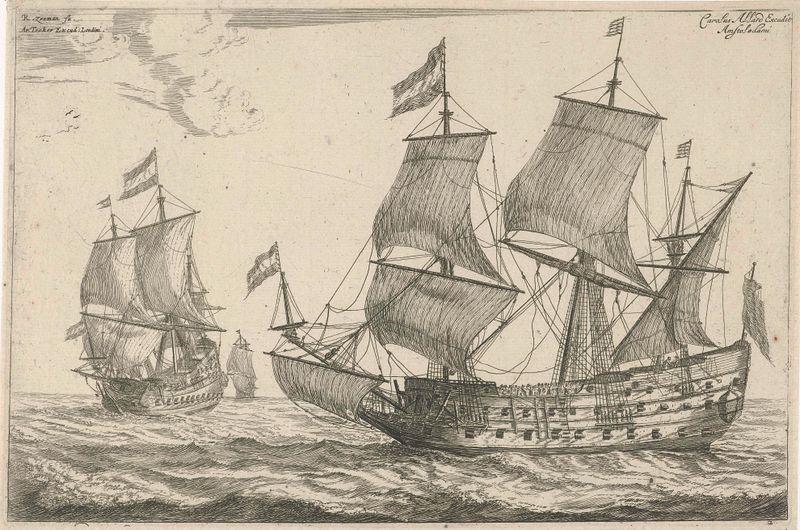
Twee grote oorlogsschepen
Reinier Nooms
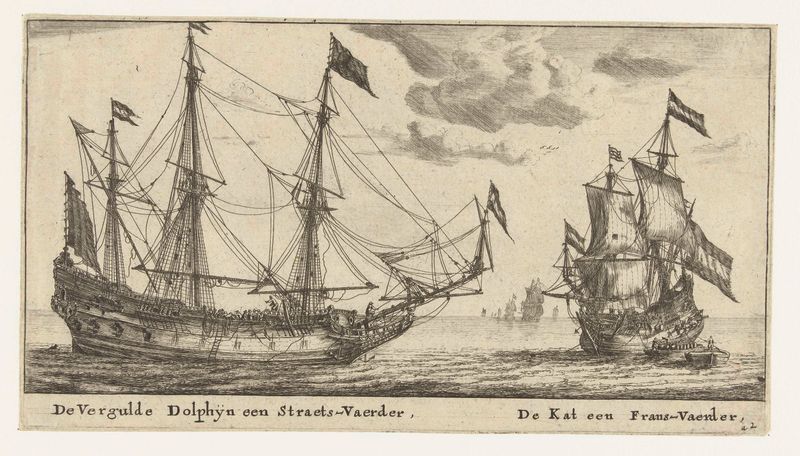
De schepen De Vergulde Dolfijn en De Kat
Reinier Nooms
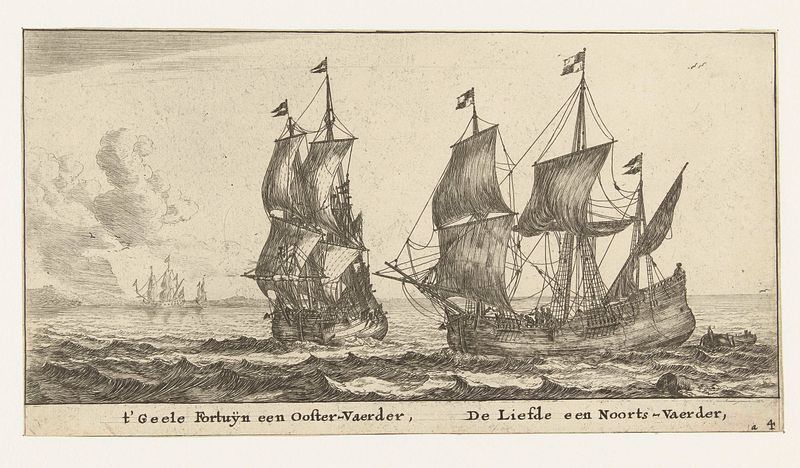
De schepen 't Gele Fortuin en De Liefde
Reinier Nooms
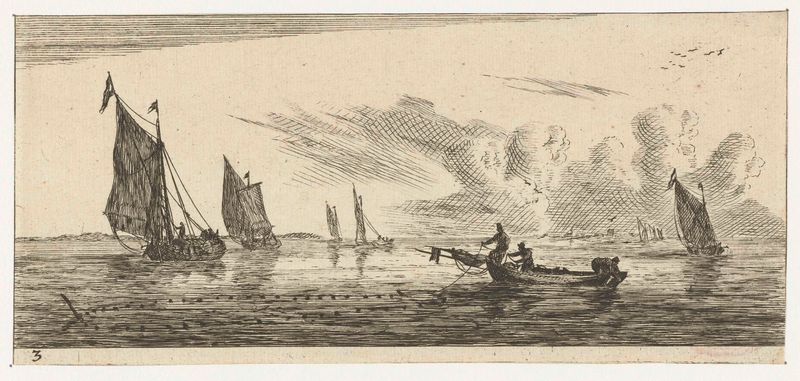
Zeegezicht met verschillende zeilschepen
Reinier Nooms
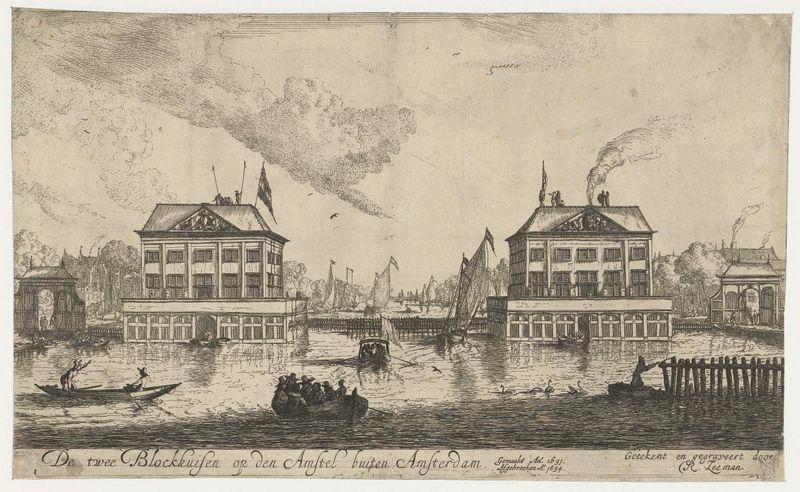
Gezicht op de twee Blokhuizen in de Amstel
Reinier Nooms
Reparaties aan de romp van een schip
Reinier Nooms
Reparaties aan de romp van een schip
Reinier Nooms





