
Twee schepen: een damschuit een een smalschip — History & Facts
Could beauty survive in a century of chaos? In a world where tumult and uncertainty often overshadow the serene, the delicate balance between nature and humanity emerges as a testament to resilience and rebirth. Look to the left at the gracefully rendered damshuit, its elegant hull cutting through the water with purpose. The juxtaposition of its sturdy form against the fragile beauty of the surrounding landscape draws the eye, urging one to appreciate the craftsmanship that contrasts with the chaos of the era. Notice how the play of light dances upon the rippling waves, each stroke of paint revealing the artist's mastery of color and texture, breathing life into the scene. Hidden within this maritime tableau lies a profound commentary on the relationship between mankind and the natural world.
The nimble smalschip, a symbol of agility and adaptability, mirrors the fleeting moments of tranquility amidst the storms of life. The billowing sails, catching the wind, evoke a sense of hope and renewal, while the distant horizon whispers the promise of new beginnings. Such contrasts between the vessels and the expansive landscape echo the tensions of survival and rebirth in a changing world. During the years 1652 to 1654, Reinier Nooms painted this work amidst the backdrop of the Dutch Golden Age, a time marked by maritime exploration and trade, but also by social upheaval.
Living in Amsterdam, he found inspiration in the bustling harbor life around him, capturing with his brush not just the vessels but the spirit of an age ripe for transformation and growth in the face of adversity.
More Artworks by Reinier Nooms
Browse all →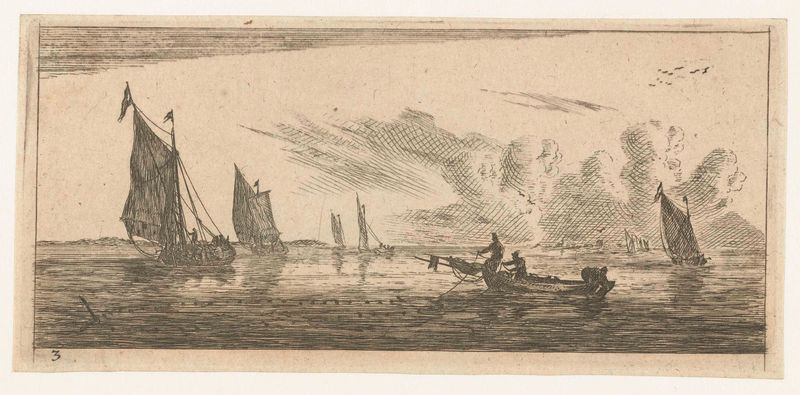
Zeegezicht met verschillende zeilschepen
Reinier Nooms
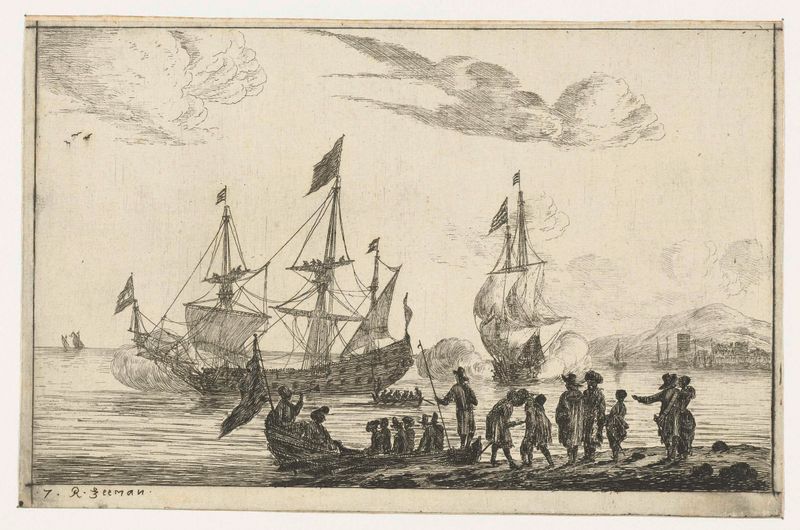
Havenscène met een spiegelsloep
Reinier Nooms
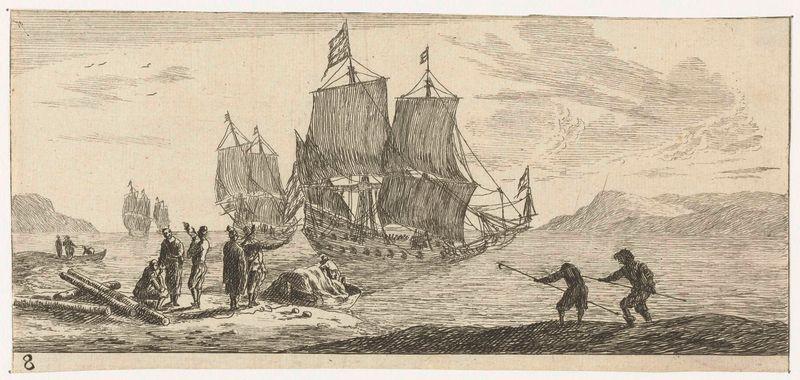
Vier grote zeilschepen in een baai
Reinier Nooms
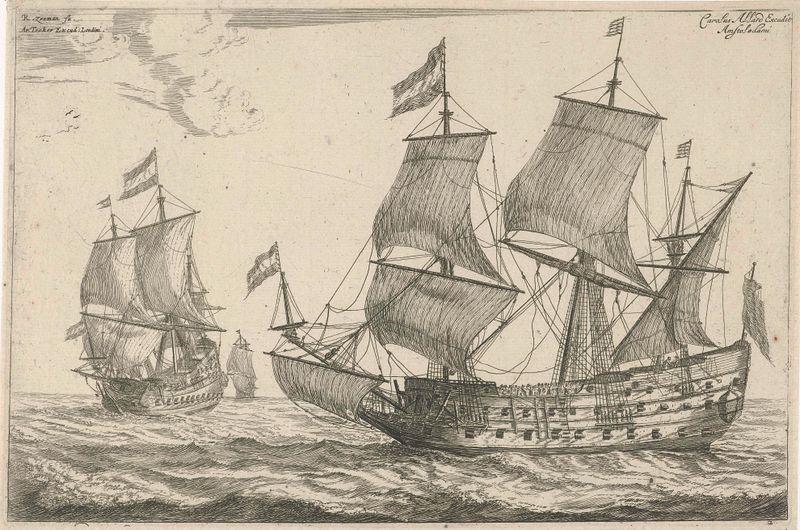
Twee grote oorlogsschepen
Reinier Nooms
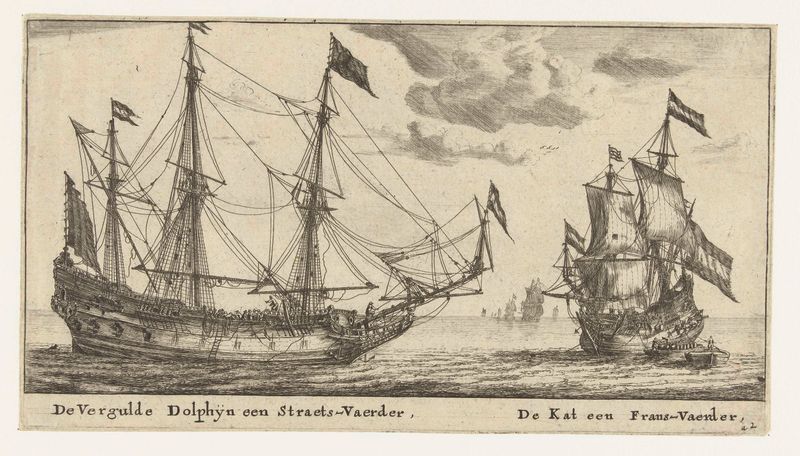
De schepen De Vergulde Dolfijn en De Kat
Reinier Nooms
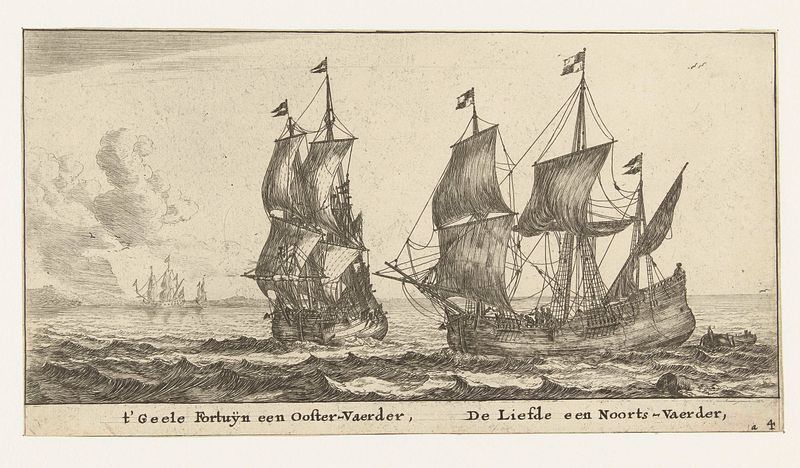
De schepen 't Gele Fortuin en De Liefde
Reinier Nooms
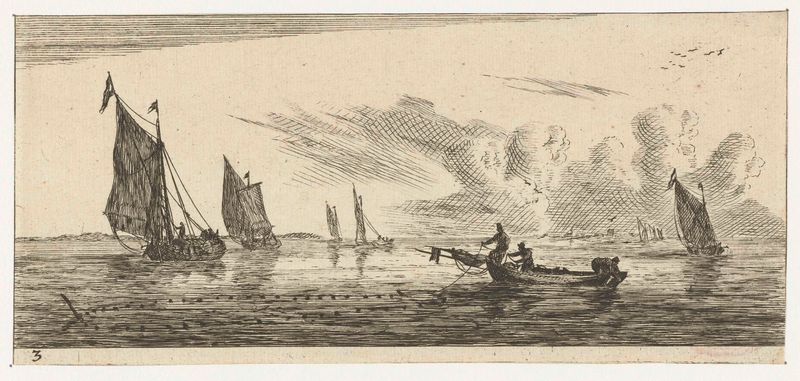
Zeegezicht met verschillende zeilschepen
Reinier Nooms
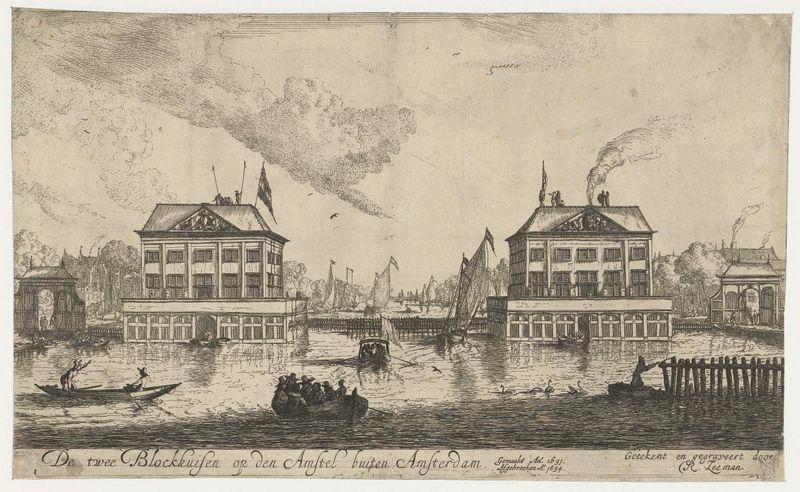
Gezicht op de twee Blokhuizen in de Amstel
Reinier Nooms
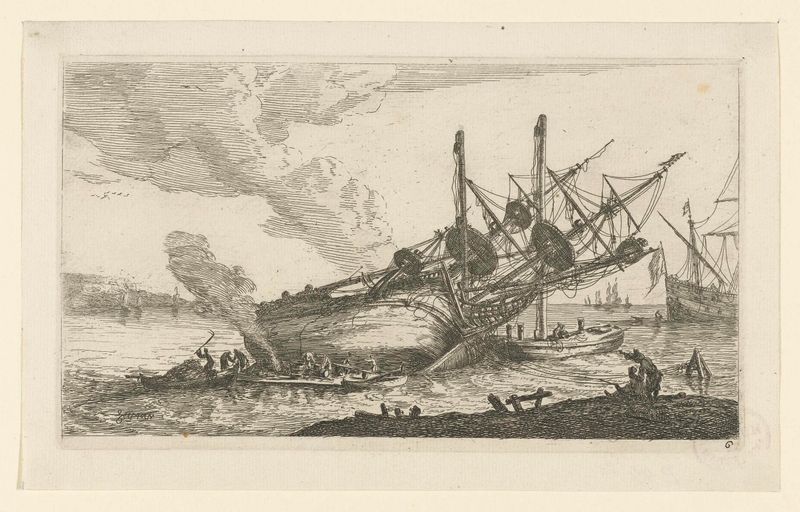
Reparaties aan de romp van een schip
Reinier Nooms
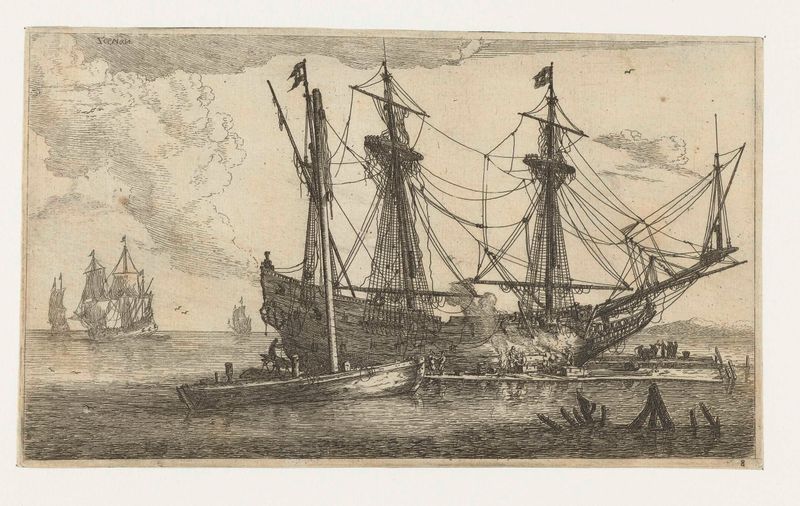
Reparaties aan de romp van een schip
Reinier Nooms





