
Twee schepen: een Friese turfpont en een Dijnop schuit — History & Facts
Where does light end, and longing begin? In the quiet interplay of water and sky, the boundaries blur, inviting contemplation and connection. Look to the center of the canvas, where two vessels rest upon the glassy surface, their reflections shimmering like whispers across the water. The boats, delicately rendered with meticulous detail, stand in stark contrast to the expansive sky, where soft blues blend seamlessly into warm golden hues. Notice how Nooms employs light to create depth; the gentle illumination from the sun creates a dance of highlights and shadows, telling stories of movement even in stillness. As you delve deeper, consider the symbolism of each boat: the sturdy Friese turfpont, a workhorse of transportation, represents industry and the relentless progress of commerce, while the Dijnop schuit, with its more graceful lines, hints at leisure and the pleasures of travel.
The serene composition belies an undercurrent of tension—between labor and ease, between the natural world and human intervention. The calmness of the scene invites a contemplation of the dichotomy of existence itself. Between 1652 and 1654, Reinier Nooms painted this work in the Netherlands, a time of flourishing maritime trade and cultural evolution. As the Dutch Golden Age unfolded, artists like Nooms captured the essence of their environment, reflecting both the beauty and complexity of life along the waterways.
The interplay of light and reflection in Twee schepen embodies this era's spirit, merging realism with a deeper exploration of human experience.
More Artworks by Reinier Nooms
Browse all →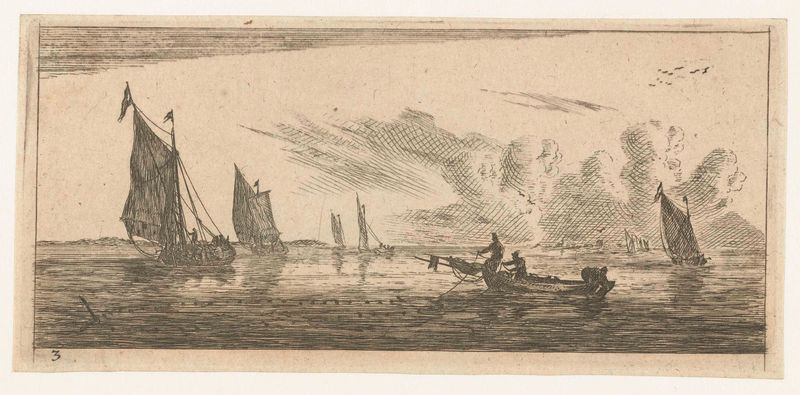
Zeegezicht met verschillende zeilschepen
Reinier Nooms
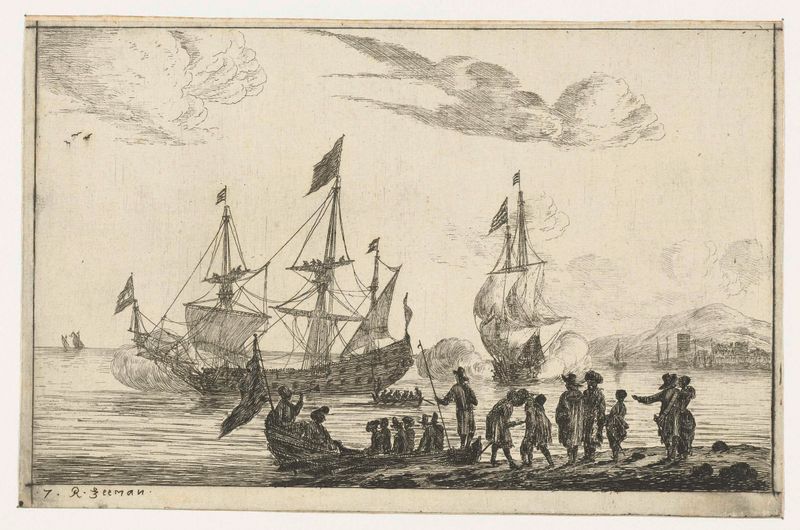
Havenscène met een spiegelsloep
Reinier Nooms
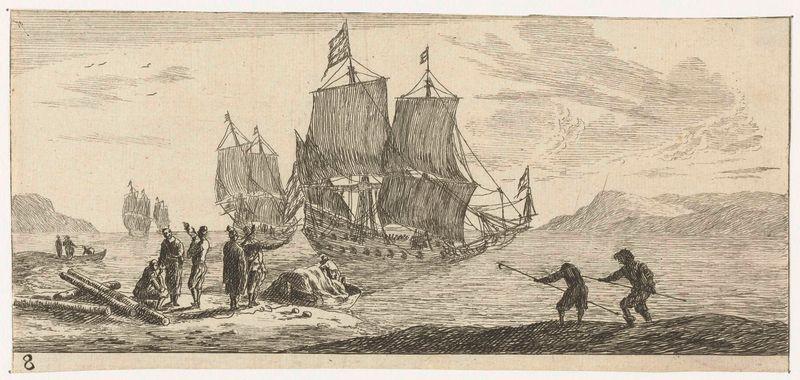
Vier grote zeilschepen in een baai
Reinier Nooms
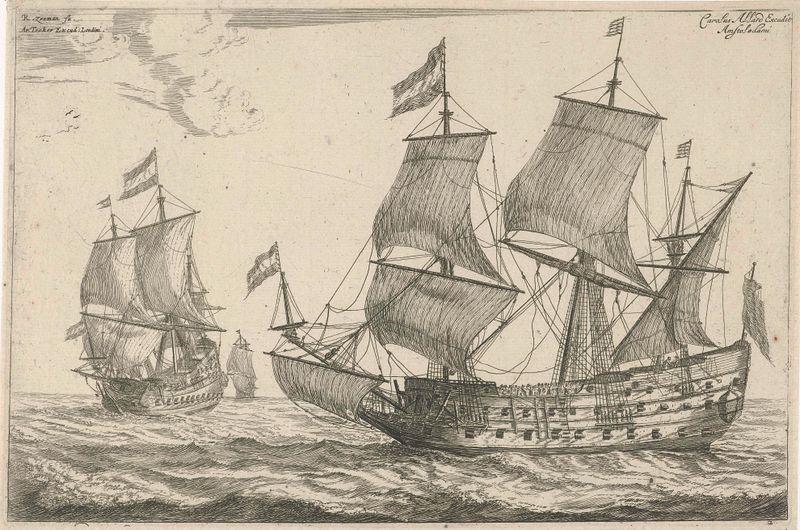
Twee grote oorlogsschepen
Reinier Nooms
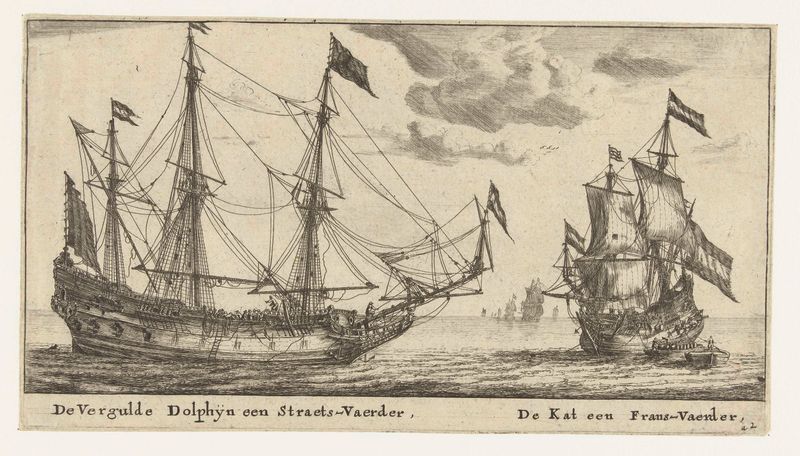
De schepen De Vergulde Dolfijn en De Kat
Reinier Nooms
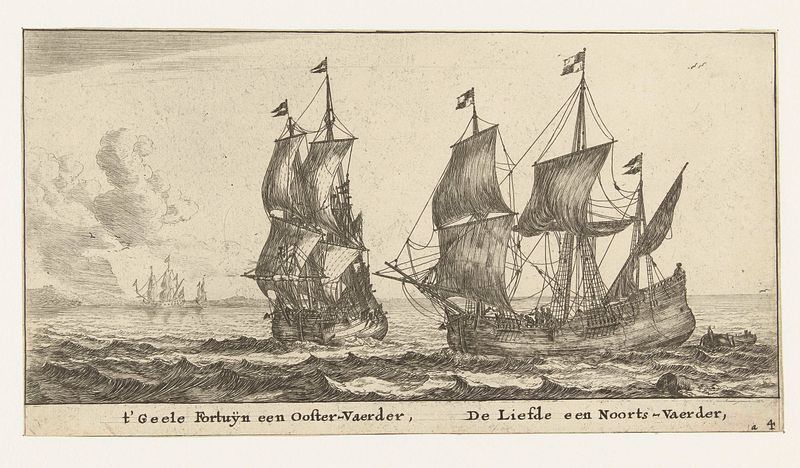
De schepen 't Gele Fortuin en De Liefde
Reinier Nooms
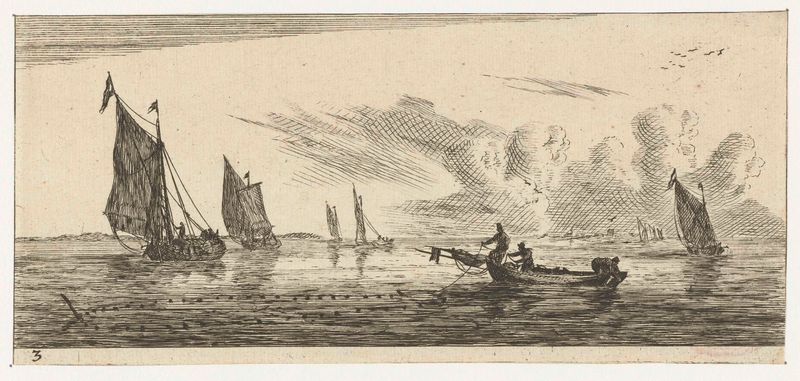
Zeegezicht met verschillende zeilschepen
Reinier Nooms
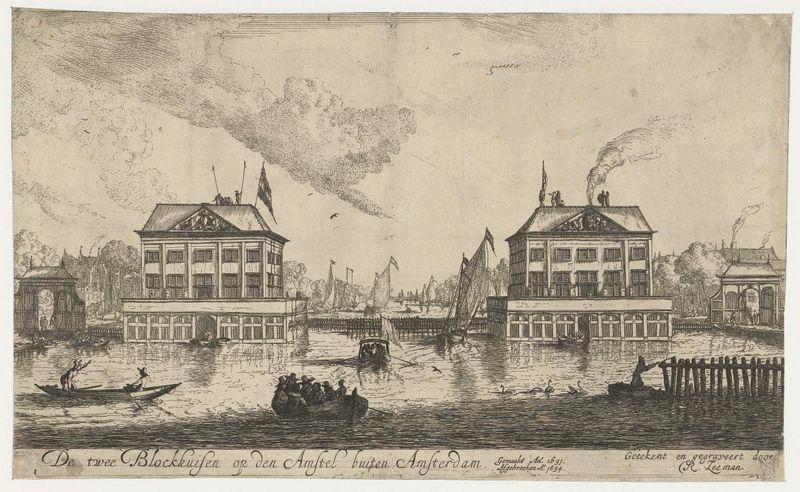
Gezicht op de twee Blokhuizen in de Amstel
Reinier Nooms
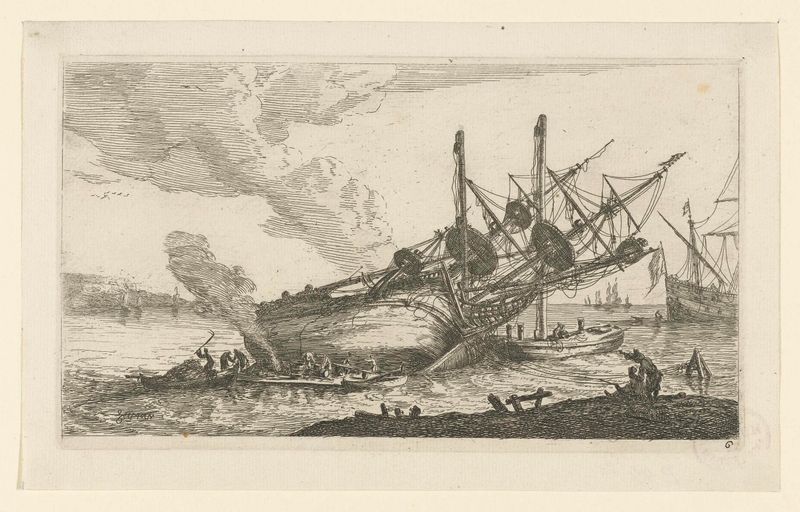
Reparaties aan de romp van een schip
Reinier Nooms
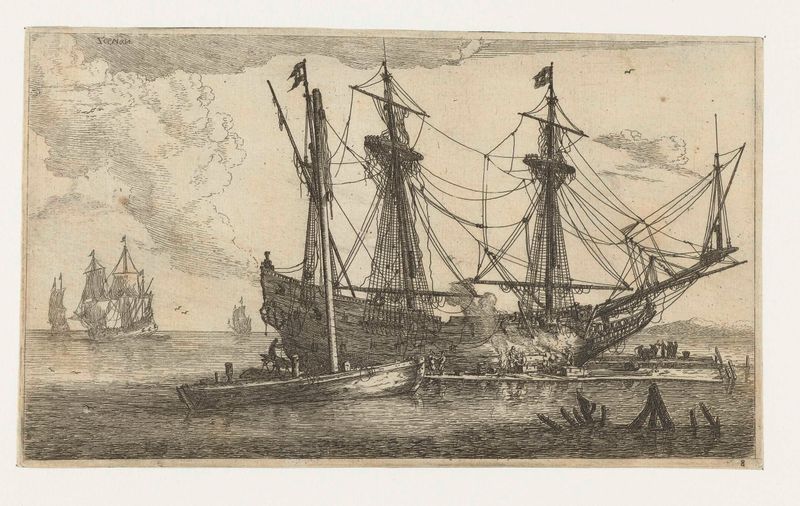
Reparaties aan de romp van een schip
Reinier Nooms





