
Twee schepen: een waterschip en een waterschuit — History & Facts
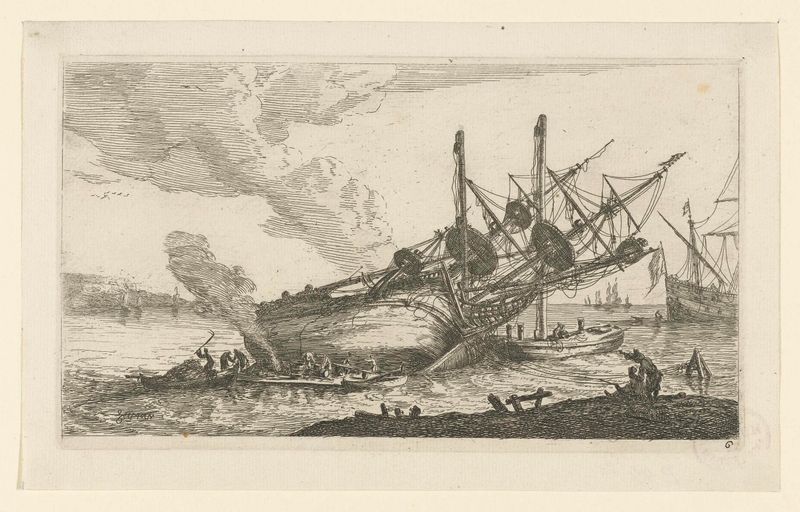
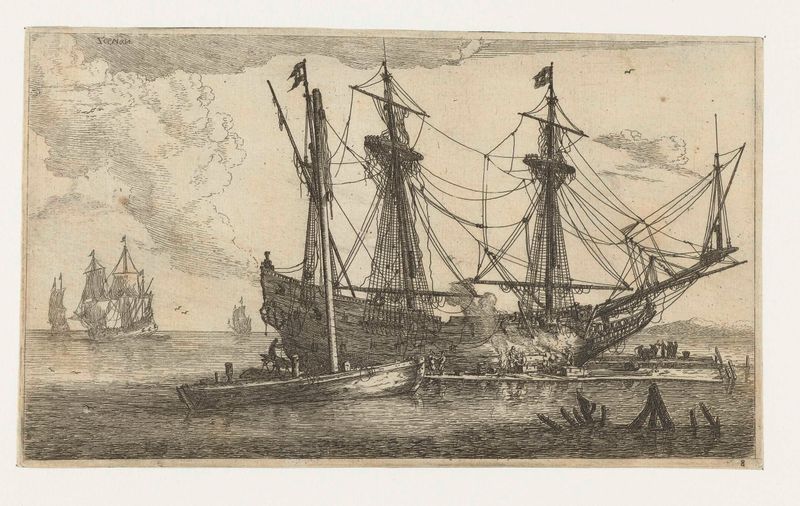
Who listens when art speaks of silence? In Twee schepen: een waterschip en een waterschuit, the stillness of water becomes a canvas for transformation, echoing the delicate balance between movement and tranquility. Look to the center of the composition, where two vessels float serenely upon a glassy surface, their reflections mirroring the calm above. The artist employs a muted palette of blues and earthy tones, inviting viewers to linger on the gentle waves that cradle the boats. Notice how the light dances on the water’s surface, casting an ethereal glow that seems to vibrate with life, yet holds an intriguing stillness, suggesting both presence and absence.
The horizon is almost indistinguishable from the water, emphasizing the seamless unity of sea and sky. In the subtle contrasts between the towering waterschip and the more humble waterschuit lies a narrative of social hierarchy and the passage of time. The larger ship, regal in stature, evokes notions of commerce and exploration, while its smaller counterpart symbolizes local life and domesticity. Together, they embody the tension between aspiration and reality, reminding us how transformation can manifest in the quietest of moments.
The gentle ripples hint at stories untold, echoing the whispers of those who once navigated these waters. Reinier Nooms painted this piece between 1652 and 1654 during a period of burgeoning maritime trade in the Netherlands. Living in Amsterdam, he was influenced by the bustling port culture that surrounded him, as well as the artistic shifts of the Dutch Golden Age. It was a time when artists began to explore themes of realism and the relationship between humanity and the natural world, imbuing everyday scenes with deeper meaning.
More Artworks by Reinier Nooms
Browse all →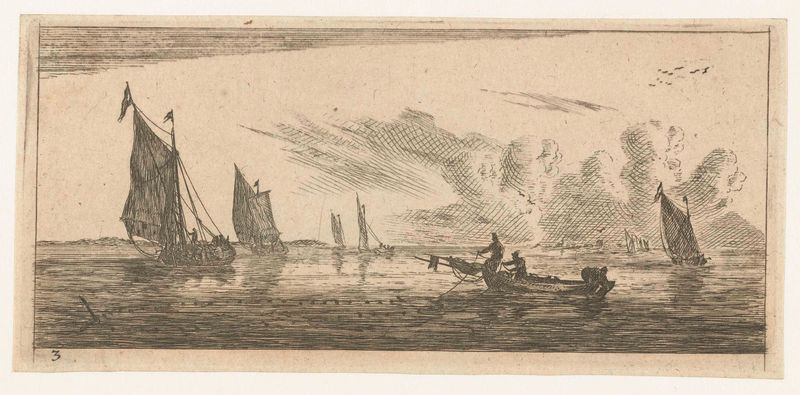
Zeegezicht met verschillende zeilschepen
Reinier Nooms
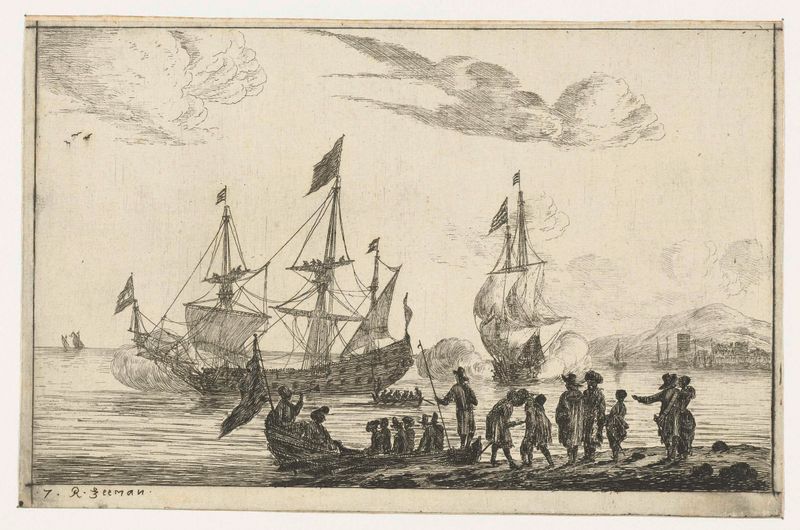
Havenscène met een spiegelsloep
Reinier Nooms
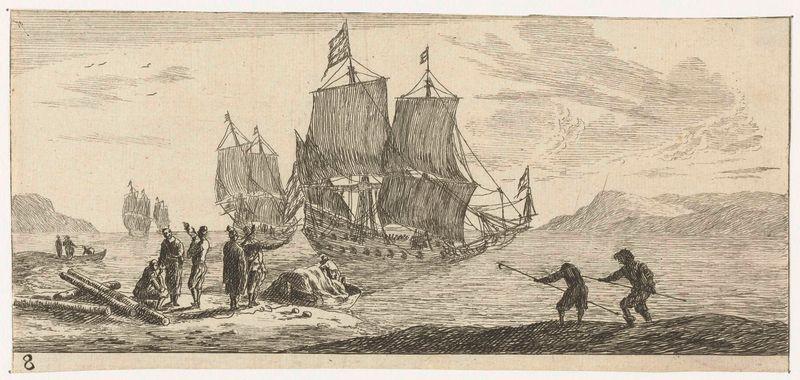
Vier grote zeilschepen in een baai
Reinier Nooms
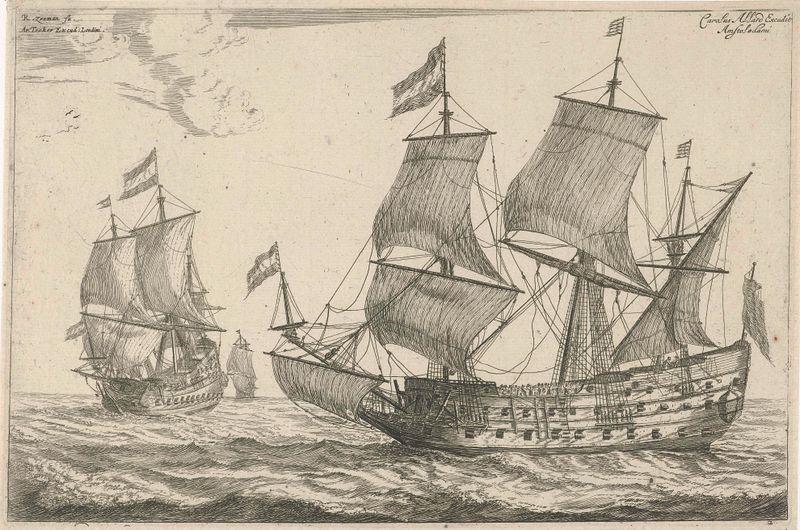
Twee grote oorlogsschepen
Reinier Nooms
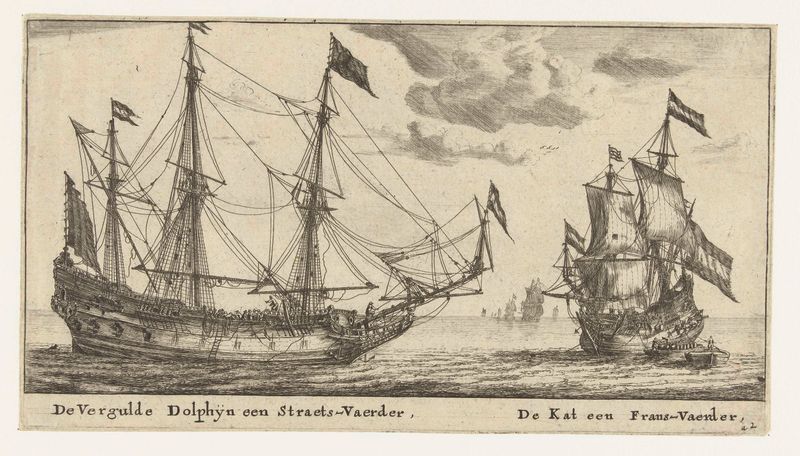
De schepen De Vergulde Dolfijn en De Kat
Reinier Nooms
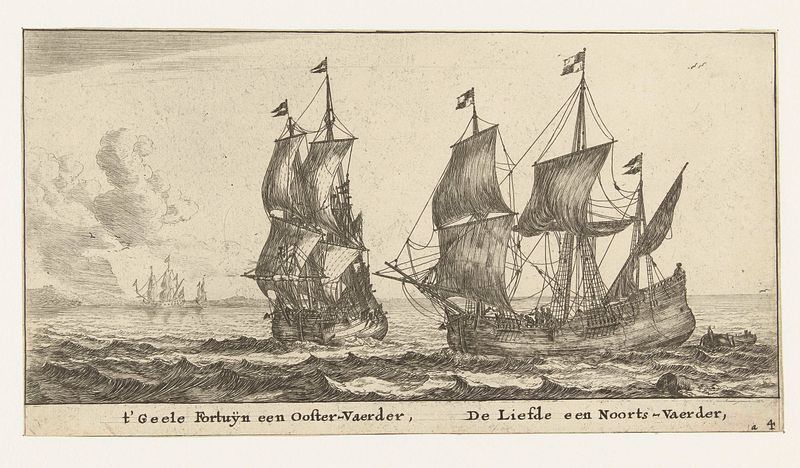
De schepen 't Gele Fortuin en De Liefde
Reinier Nooms
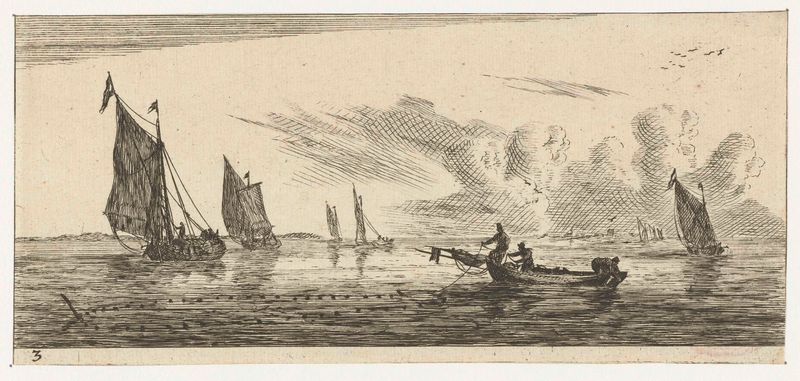
Zeegezicht met verschillende zeilschepen
Reinier Nooms
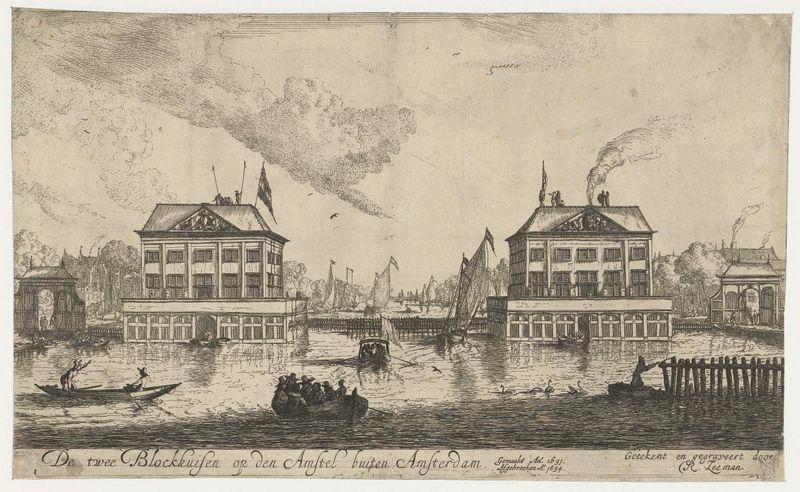
Gezicht op de twee Blokhuizen in de Amstel
Reinier Nooms
Reparaties aan de romp van een schip
Reinier Nooms
Reparaties aan de romp van een schip
Reinier Nooms





