
Twee spelende kinderen — History & Facts
In the echoes of childhood, amidst the pursuit of innocence and fleeting moments, desire unfurls as a delicate thread binding the past to our present. Look to the left at the two children, their laughter palpable even in stillness. The artist captures them in a vibrant embrace of color and form, where the soft light bathes their faces, illuminating their expressions. Notice how the playful gestures of the children, one with a ball and the other reaching out, create a dynamic interplay that invites the viewer into their world.
The lush greens of the background contrast with the soft tones of their clothing, suggesting both safety and freedom, while the textured brushwork breathes life into the scene. Yet beneath this apparent simplicity lies a profound tension. The juxtaposition of their joy against the muted browns and grays of the surroundings hints at an underlying longing for permanence amidst transience. The ball—a symbol of play—becomes a vessel of desire, representing not just childhood innocence, but the fleeting nature of joy itself.
Each element, from the children’s postures to the gentle curl of the grass beneath them, whispers of a world where time stands still, yet inevitably marches on. Created between 1470 and 1475, this piece reflects the broader Dutch art movement’s emphasis on realism and intimacy. The artist, often referred to as the Master of the Amsterdam Cabinet, painted during a time when artists began to explore the nuances of everyday life, capturing moments that resonate with viewers both then and now. At this crossroads of history, the canvas serves not just as a mirror to childhood but also as a poignant reminder of the desires that shape our experiences.
More Artworks by Meester van het Amsterdamse Kabinet
Browse all →
De Heilige Familie bij de rozenstruik
Meester van het Amsterdamse Kabinet

Hertenjacht
Meester van het Amsterdamse Kabinet
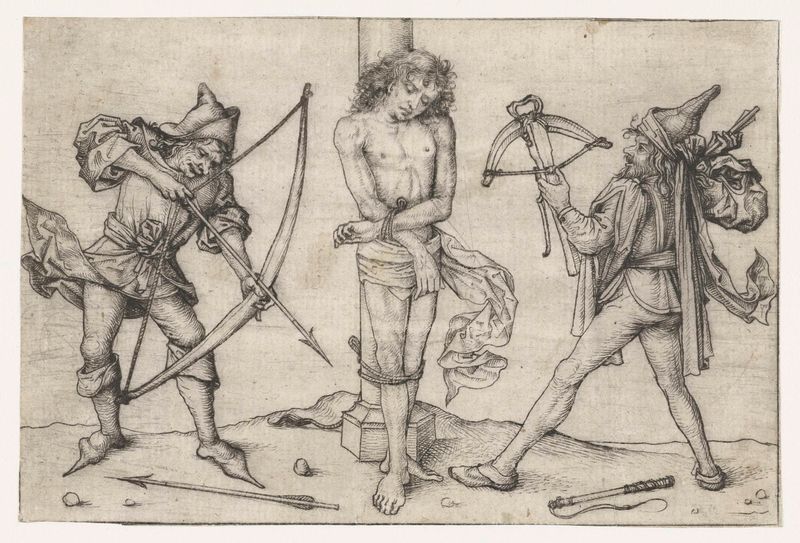
Heilige Sebastiaan met boogschutters
Meester van het Amsterdamse Kabinet

Het lichaam van Christus ondersteund door twee engelen
Meester van het Amsterdamse Kabinet

Heilige Anna-te-Drieën
Meester van het Amsterdamse Kabinet

Heilige Barbara (grote versie)
Meester van het Amsterdamse Kabinet
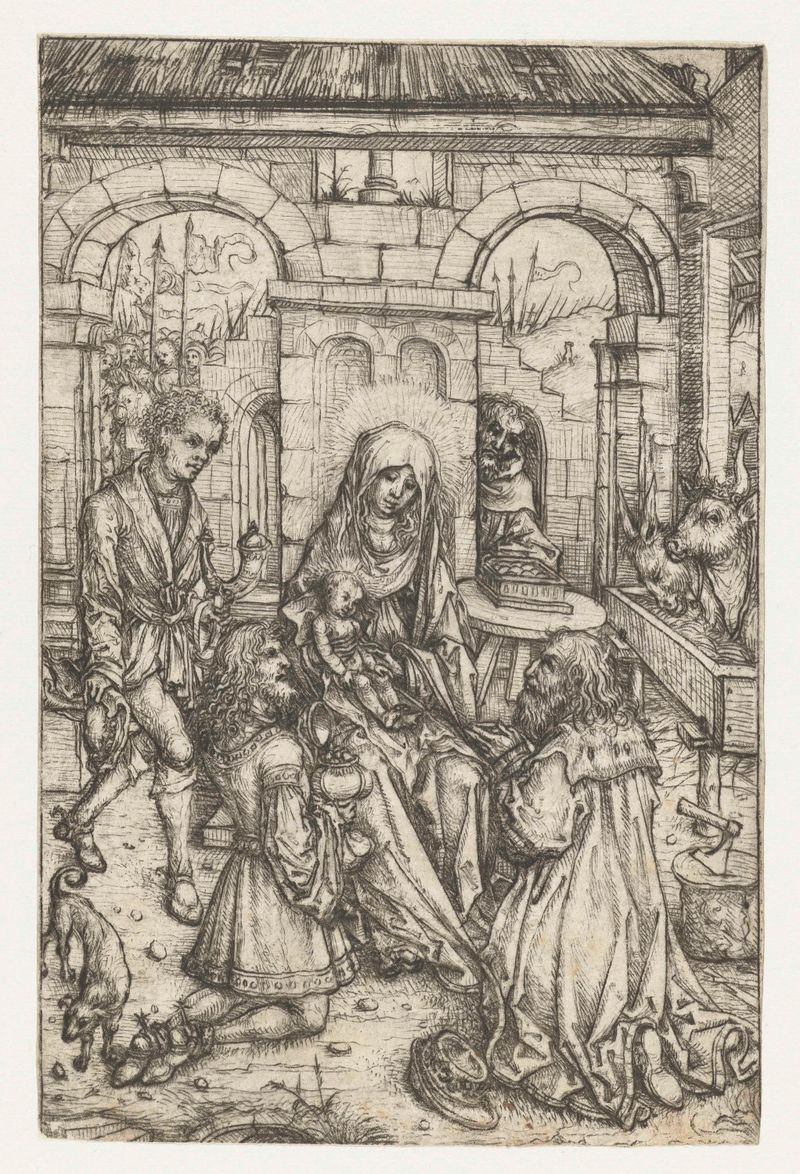
Aanbidding der koningen
Meester van het Amsterdamse Kabinet
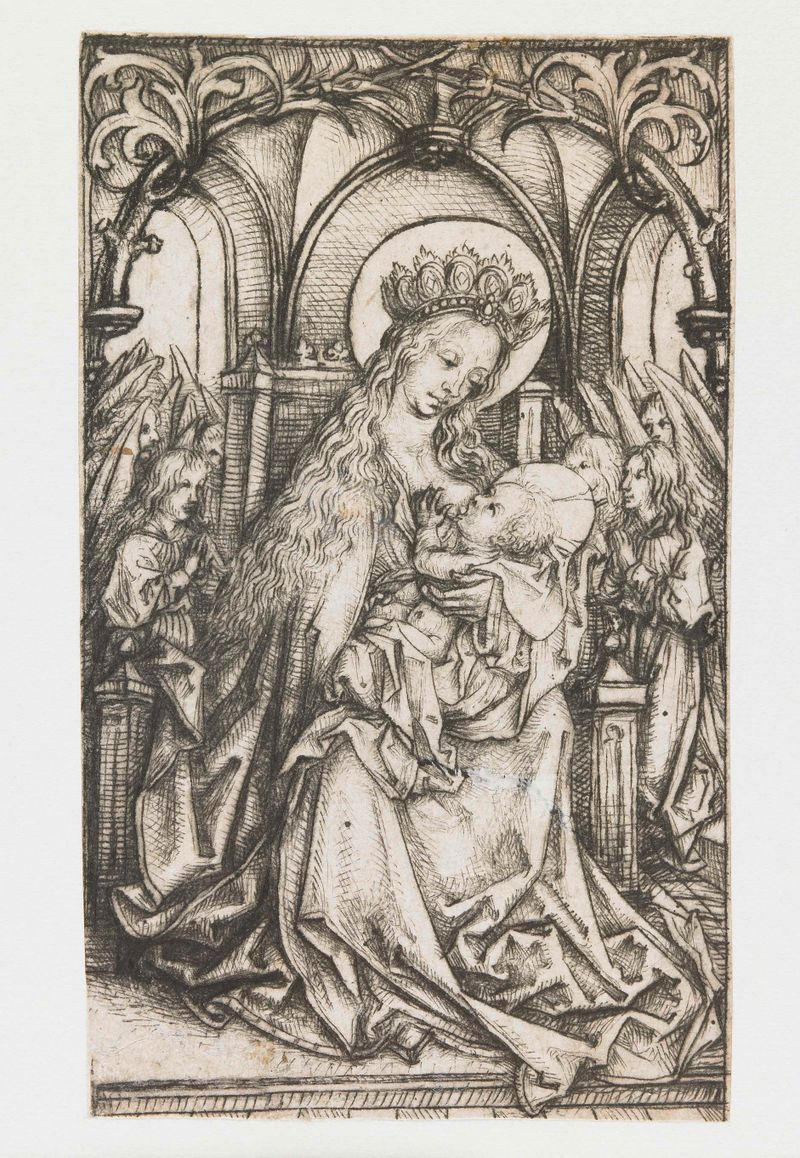
Tronende Madonna door engelen aanbeden
Meester van het Amsterdamse Kabinet

Het zegenend Christuskind
Meester van het Amsterdamse Kabinet
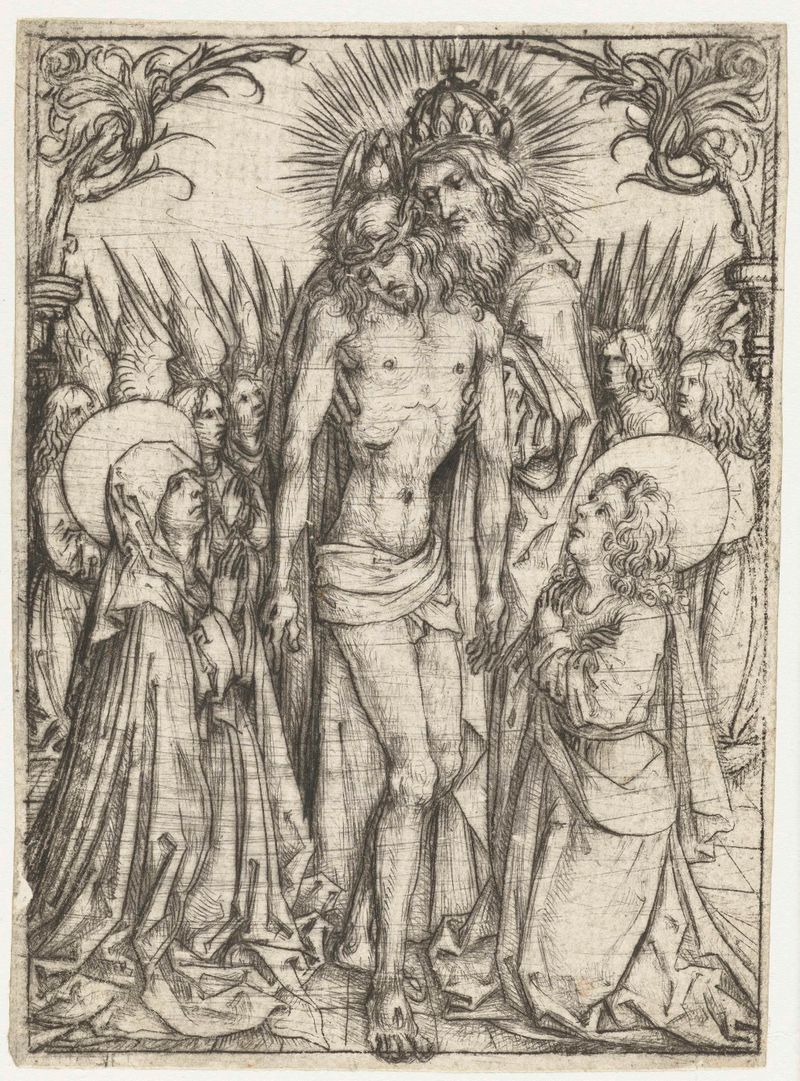
Aanbidding van de Heilige Drieëenheid door Maria, Johannes de Evangelist en engelen
Meester van het Amsterdamse Kabinet





