
Twee steigerschuiten — History & Facts
Did the painter know this moment would outlive them? As the brush touched the canvas, a fleeting scene became immortal, capturing the quiet dignity of daily life at sea. Look closely at the left side, where two sturdy boats rest against the gentle ripple of the water, their hulls reflecting the soft hues of dawn. The color palette, dominated by muted blues and earthy browns, evokes both serenity and resilience. The precise detail of the rigging and the delicate ripples surrounding the boats draws the viewer into a world governed by the rhythms of nature and labor.
The composition, with its horizontal lines, emphasizes the calmness of the scene while inviting us to linger. While the vessels symbolize industriousness, they also serve as a reminder of the transient nature of existence. The quietness of the moment contrasts with the bustling life that often surrounds maritime settings, hinting at stories of those who navigate the waters. The subtle play of light across the canvas captures the ephemeral beauty of dawn, suggesting that every moment, no matter how ordinary, holds the potential for deeper significance. During the early 1650s, Reinier Nooms painted Twee steigerschuiten while living in Amsterdam, a thriving hub of maritime trade and art.
At this time, the Dutch Golden Age was in full bloom, with artists exploring themes of everyday life and the relationship between humanity and nature. Nooms, also known for his marine art, found inspiration in the bustling harbors, skillfully blending realism with a touch of poetic reverie in his work.
More Artworks by Reinier Nooms
Browse all →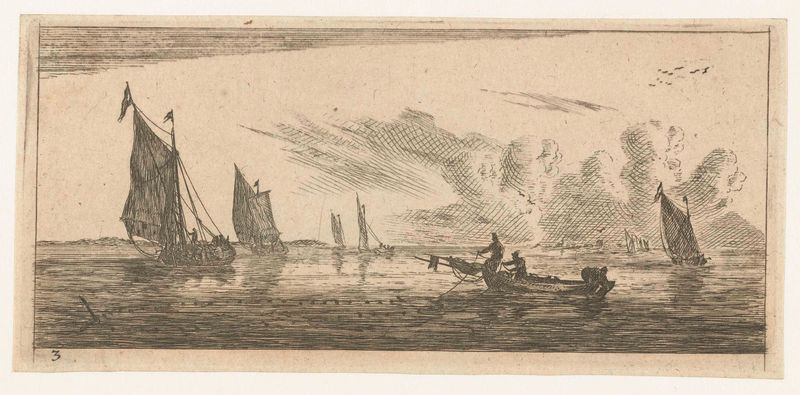
Zeegezicht met verschillende zeilschepen
Reinier Nooms
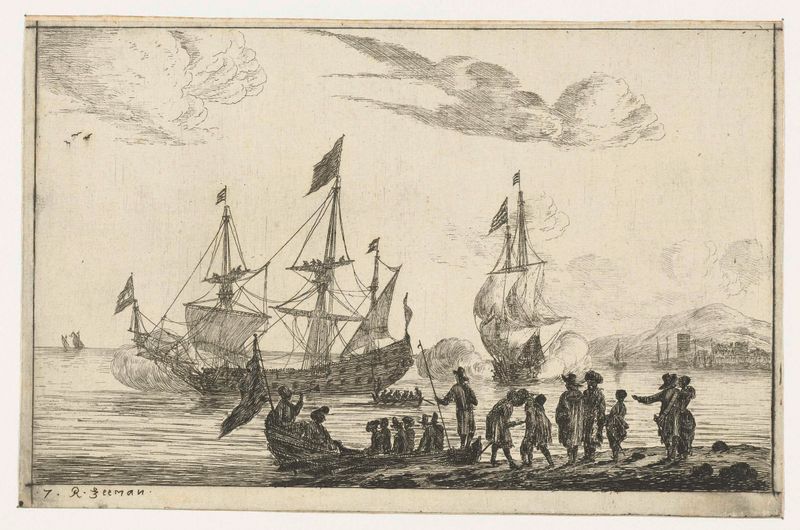
Havenscène met een spiegelsloep
Reinier Nooms
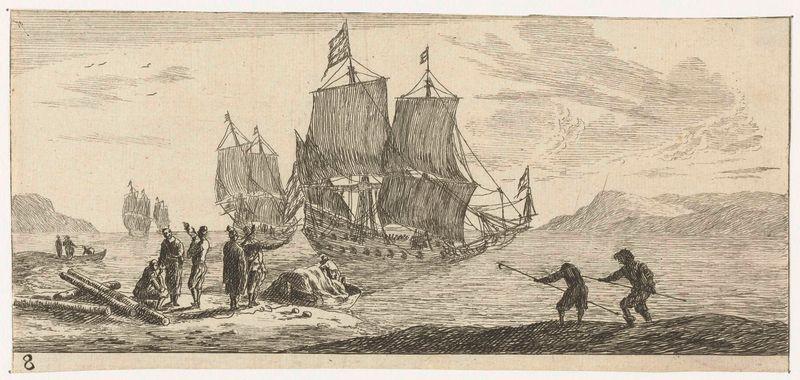
Vier grote zeilschepen in een baai
Reinier Nooms
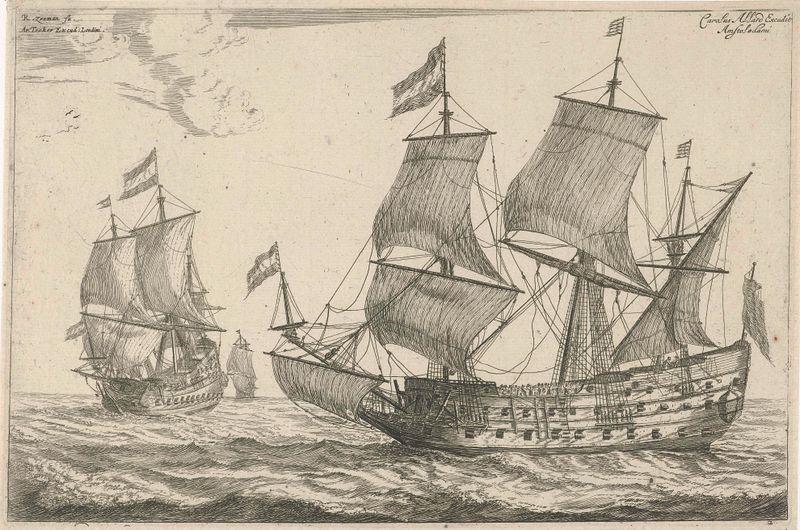
Twee grote oorlogsschepen
Reinier Nooms
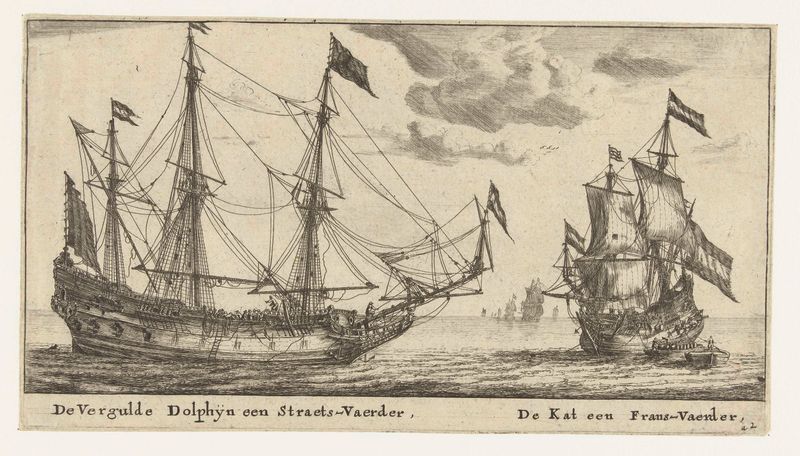
De schepen De Vergulde Dolfijn en De Kat
Reinier Nooms
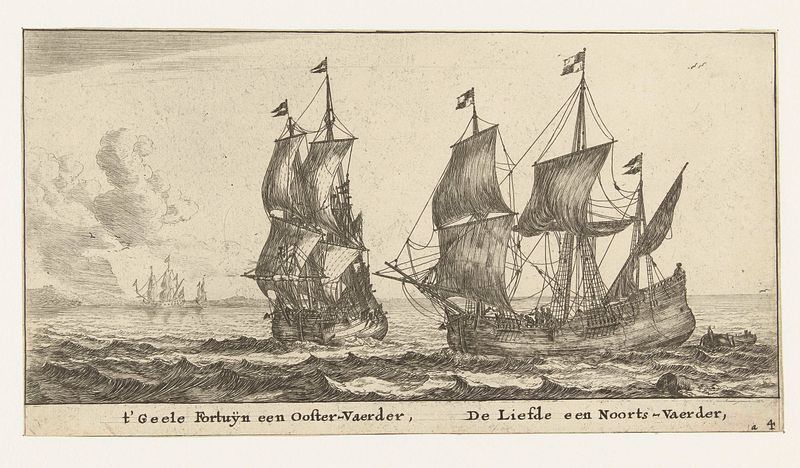
De schepen 't Gele Fortuin en De Liefde
Reinier Nooms
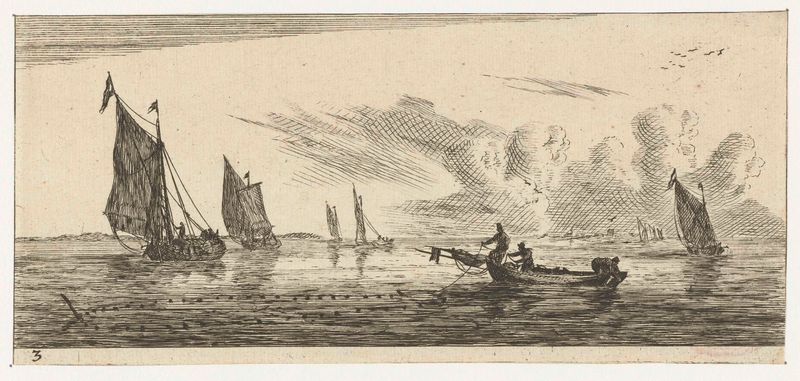
Zeegezicht met verschillende zeilschepen
Reinier Nooms
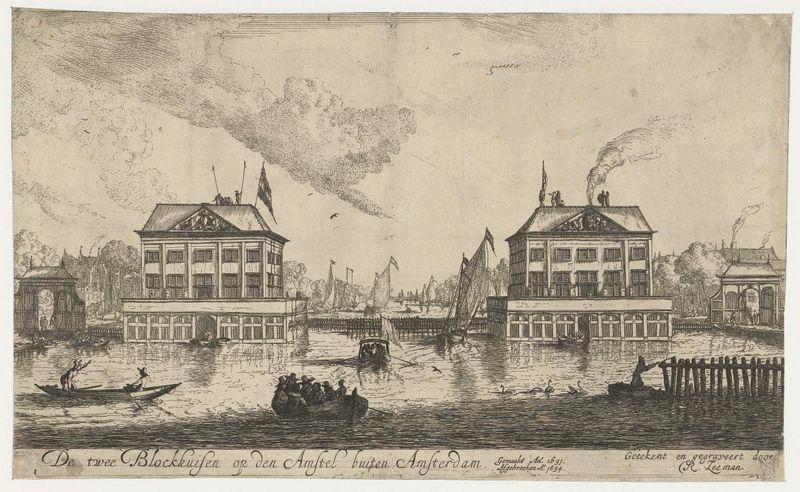
Gezicht op de twee Blokhuizen in de Amstel
Reinier Nooms
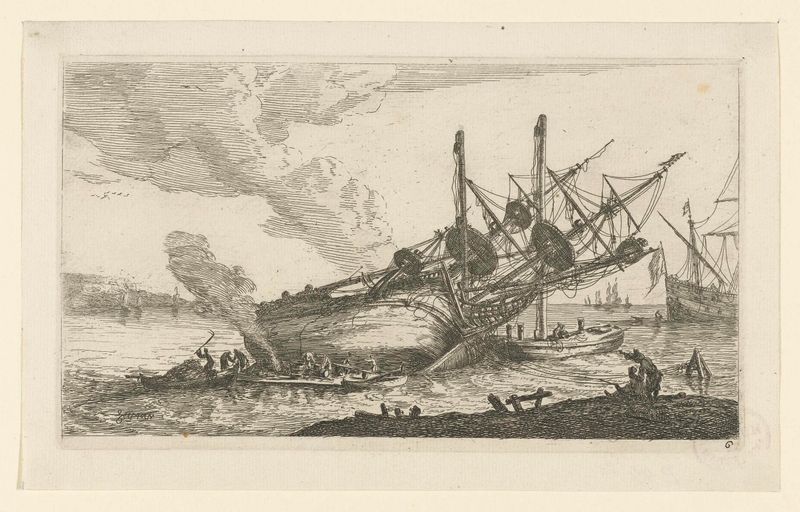
Reparaties aan de romp van een schip
Reinier Nooms
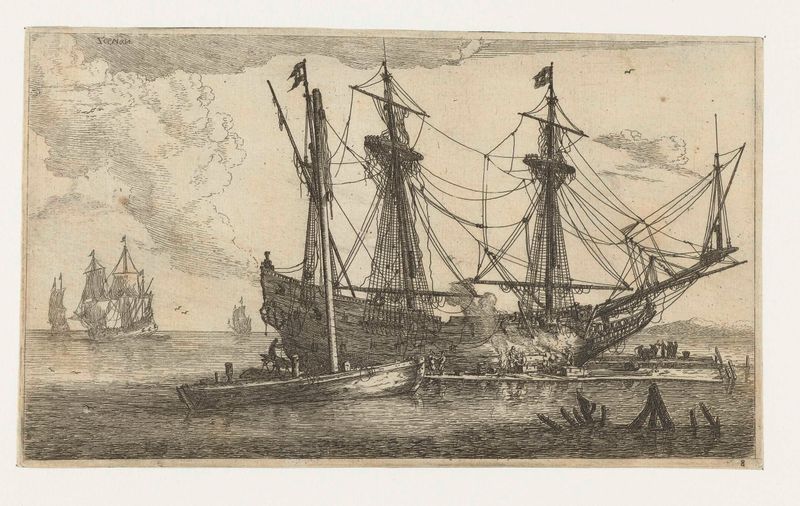
Reparaties aan de romp van een schip
Reinier Nooms





