
Discover insights about this artwork
Two Heads Are Better Than One [Poor Folly] (Disparate Pobre) — History & Facts
In Two Heads Are Better Than One [Poor Folly] (Disparate Pobre), Francisco de Goya presents a striking scene filled with contrasting colors. The two heads, one appearing wise and the other foolish, are juxtaposed against a dark, ambiguous background. This setting enhances the tension between folly and wisdom.
The figures are rendered with a raw intensity that captures the viewer's attention immediately. The painting is executed in oil on canvas, a medium that allows for rich textures and deep colors. Goya employs a loose brushwork technique, creating a sense of movement and emotion in the figures. The dimensions are approximately 100 x 150 cm, making it a substantial work that commands presence.
The contrast between light and shadow further emphasizes the duality of the heads. Francisco de Goya, a prominent figure in Romanticism, often explored themes of human folly and societal critique. This work, created in the late 18th century, reflects Goya's growing disillusionment with the society of his time. An interesting fact about this painting is that it is part of a series of works where Goya delves into the nature of reason and madness.
The title itself suggests a playful yet serious commentary on the value of collaboration versus individual folly.
More Artworks by Francisco de Goya
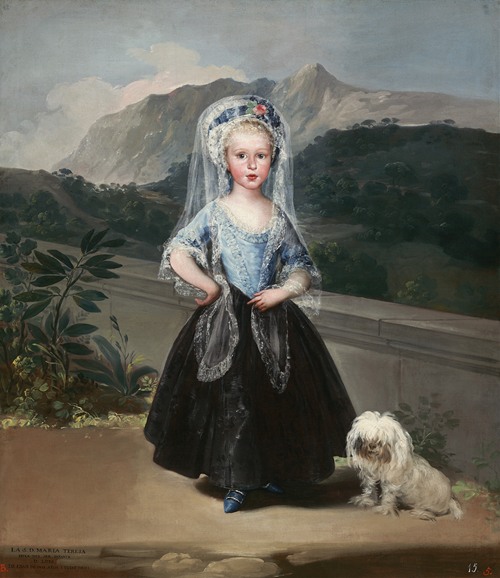
María Teresa de Borbón y Vallabriga,later Condesa de Chinchón
Francisco de Goya
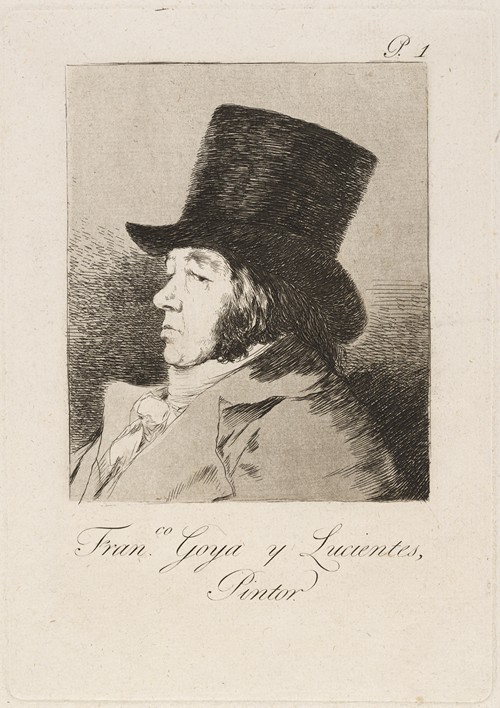
Francisco Goya y Lucientes, Pintor (Francisco Goya y Lucientes, painter)
Francisco de Goya
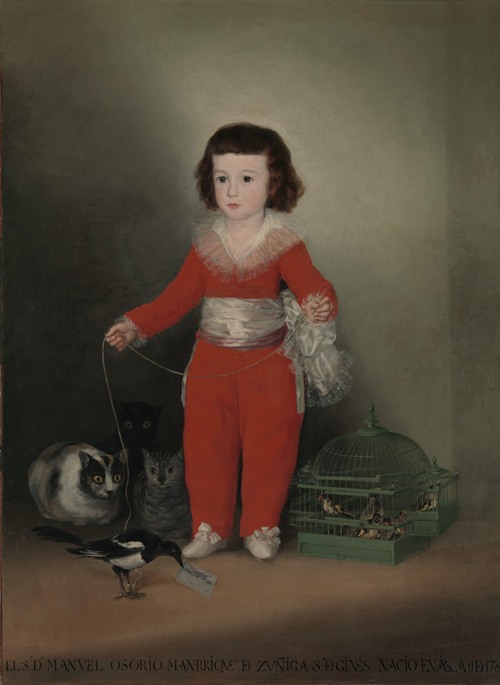
Manuel Osorio Manrique de Zuñiga (1784–1792)
Francisco de Goya
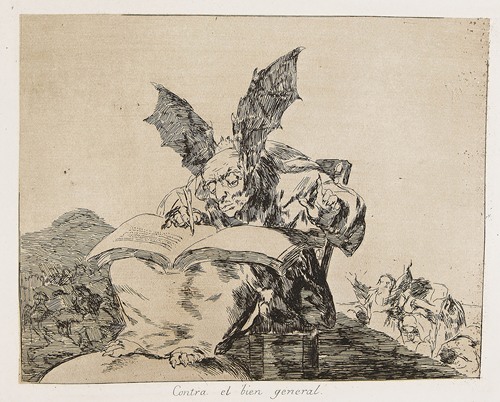
Los desastres de la guerra
Francisco de Goya
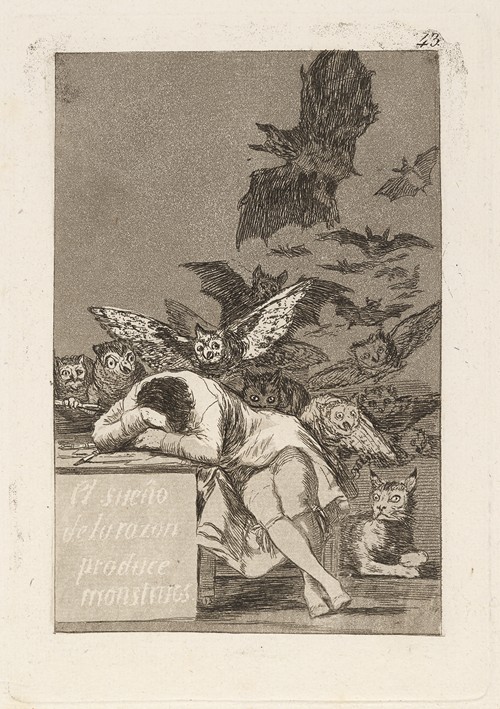
El sueño de la razon produce monstruos. (The sleep of reason produces monsters.)
Francisco de Goya
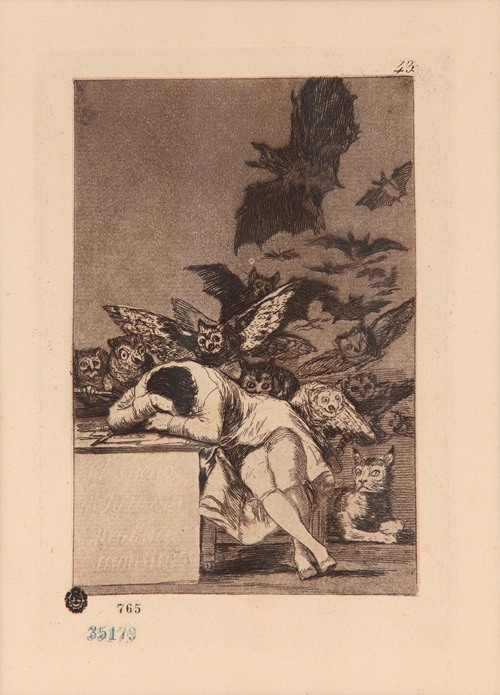
El sueño de la razon produce moustruos (Serie Caprichos)
Francisco de Goya
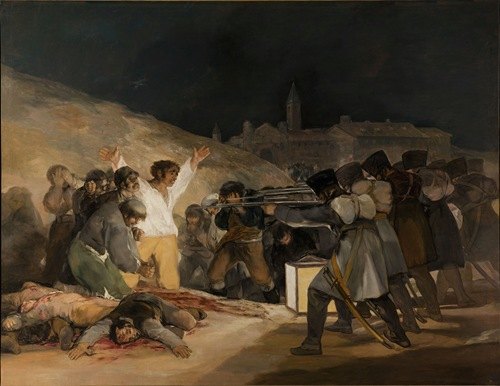
The Third of May
Francisco de Goya
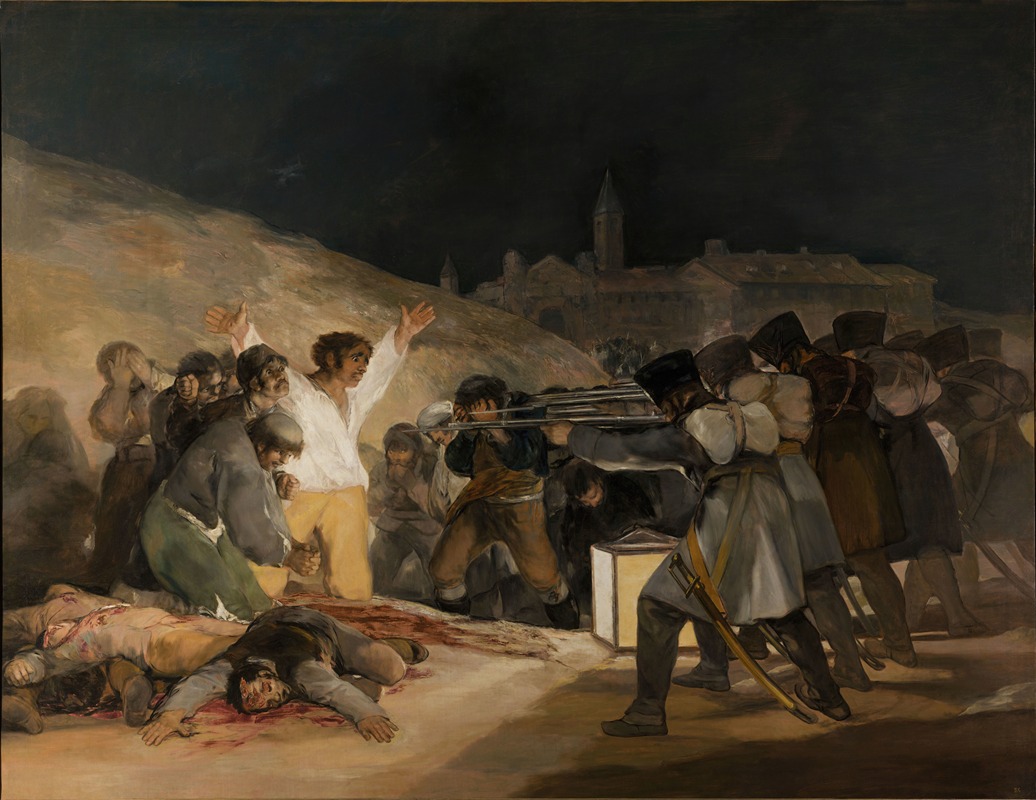
The Third of May 1808
Francisco de Goya
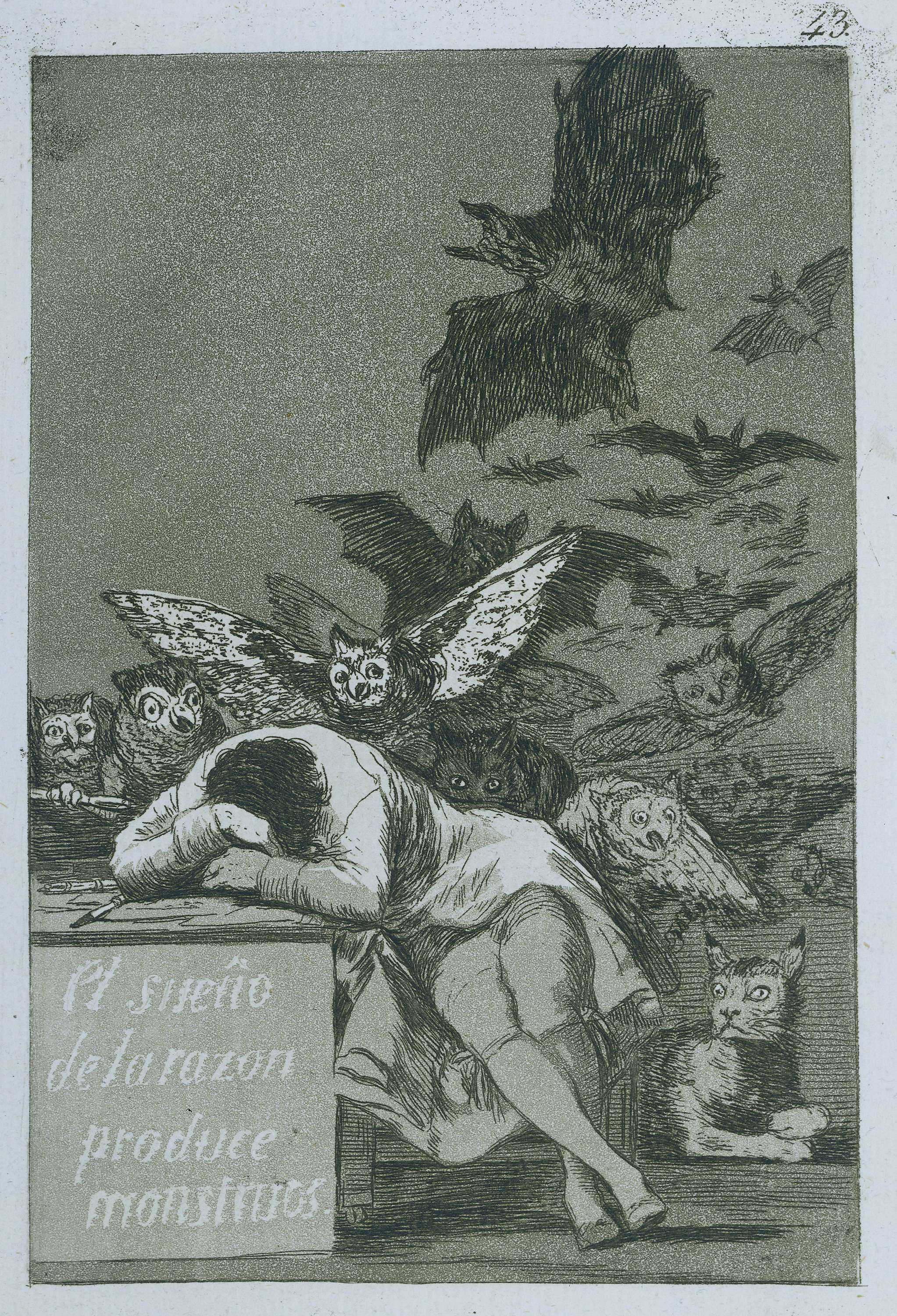
De slaap van de rede brengt monsters voort
Francisco de Goya
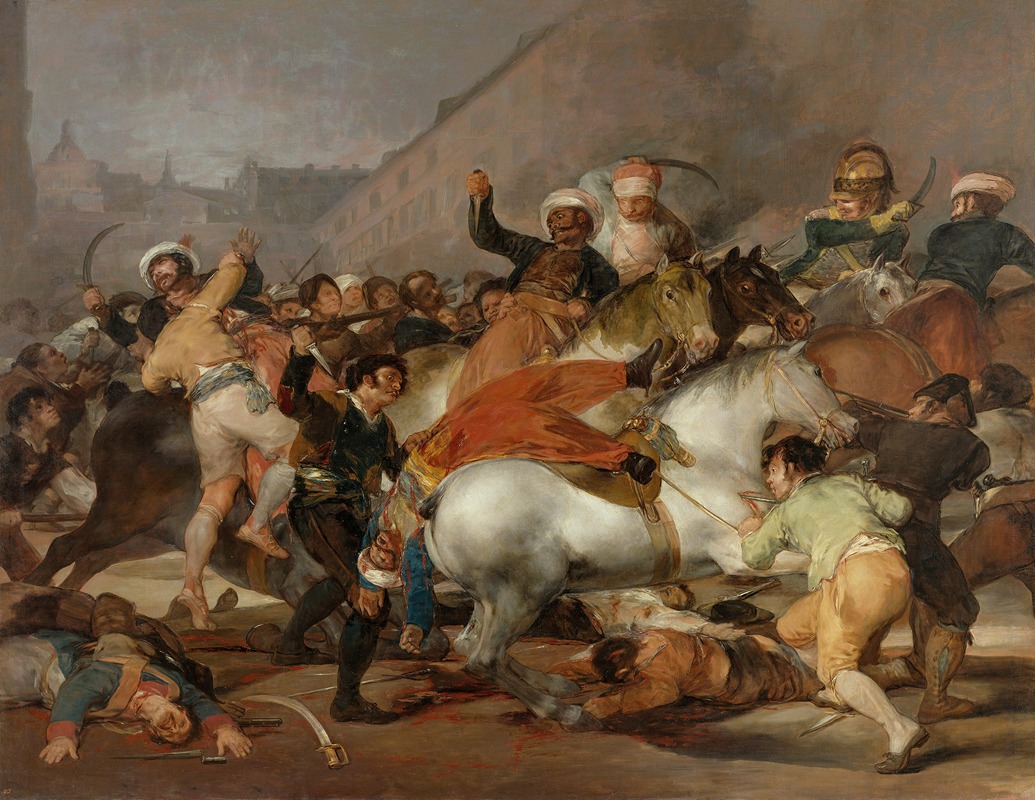
The Charge of the Mamelukes (1814)
Francisco de Goya
More Allegory Art
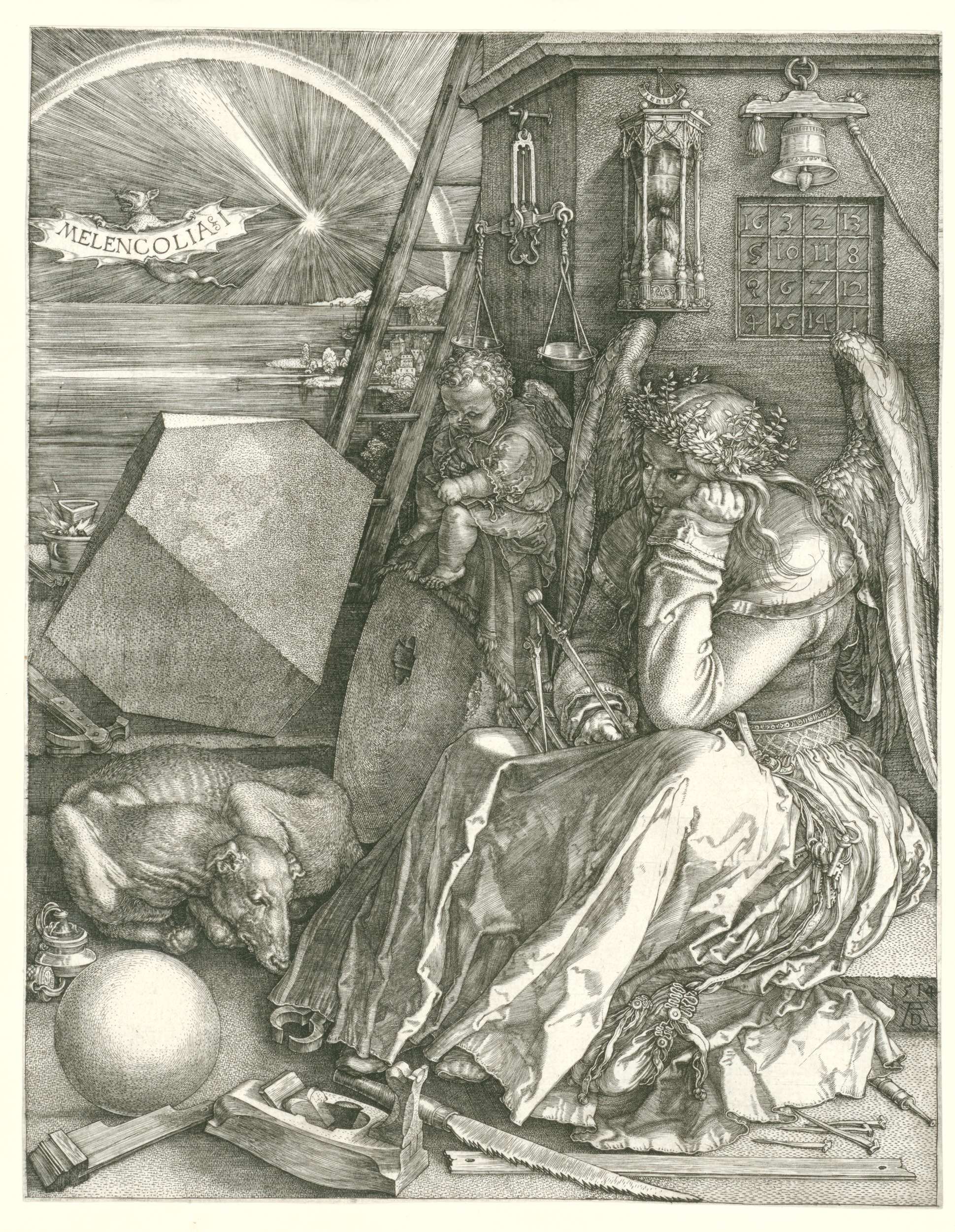
Melancholia
Albrecht Dürer
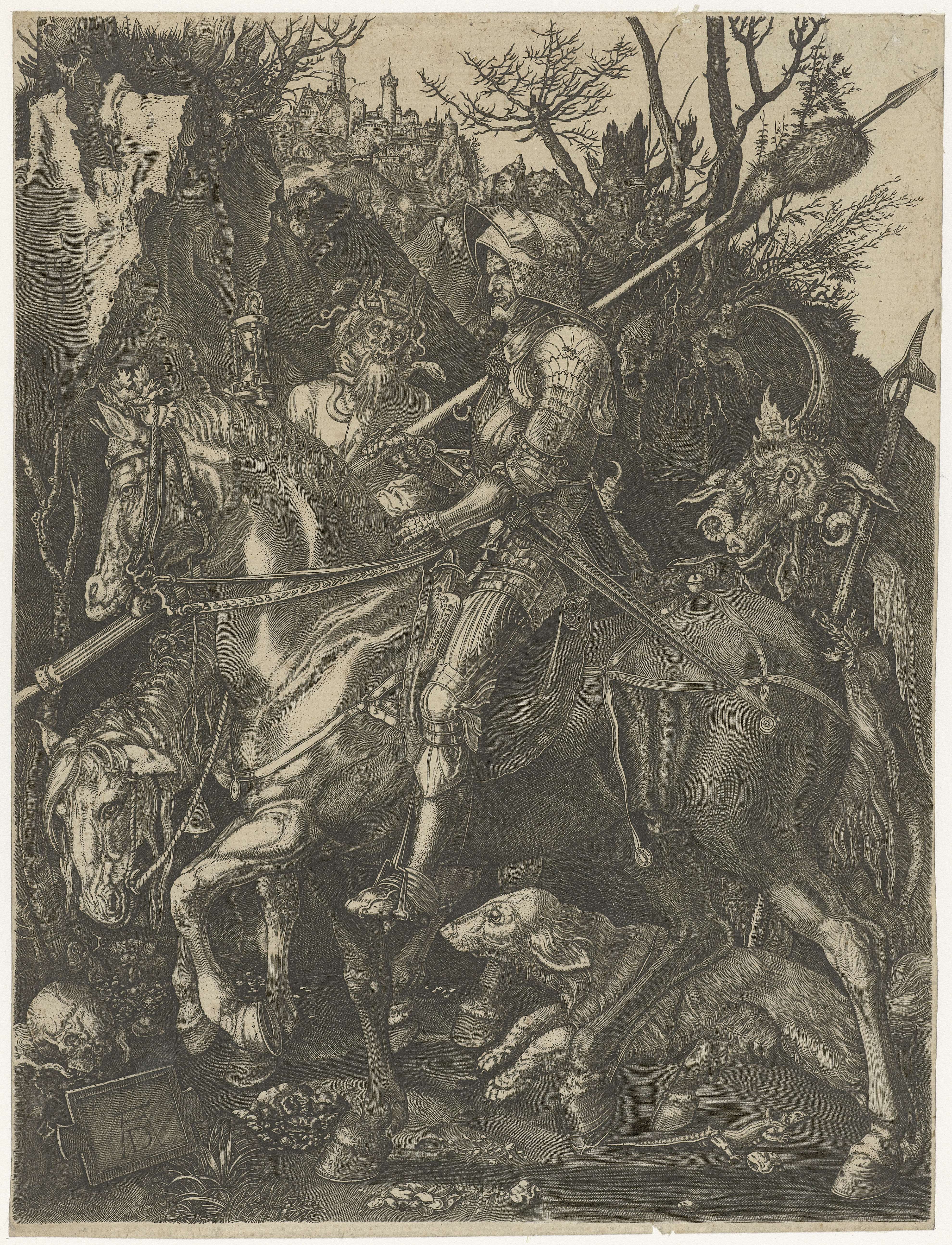
Ridder, Dood en Duivel
Unknown Artist
El sueño de la razon produce monstruos. (The sleep of reason produces monsters.)
Francisco de Goya
El sueño de la razon produce moustruos (Serie Caprichos)
Francisco de Goya
Melencolia I (The Melancholy)
Albrecht Dürer
The Three Ages of the Woman
Gustav Klimt