Discover insights about this artwork
Two satyrs, and the head of a satyr — History & Facts
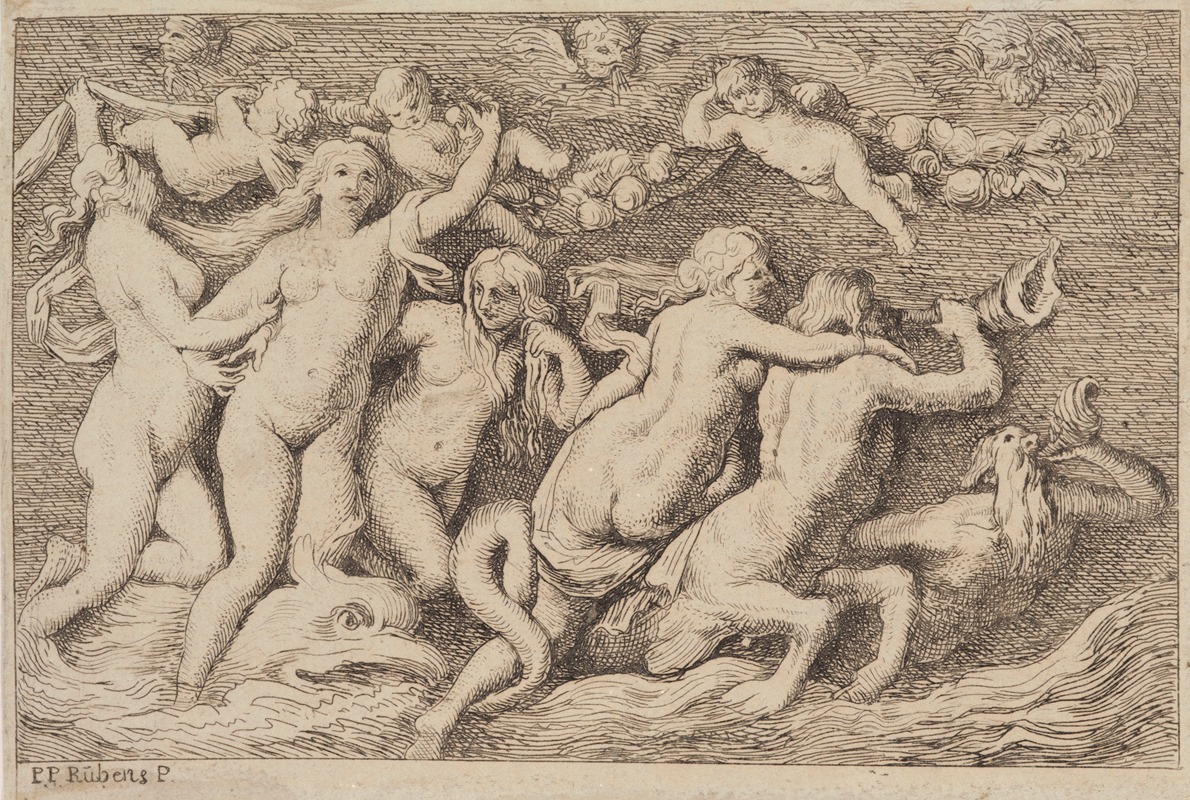
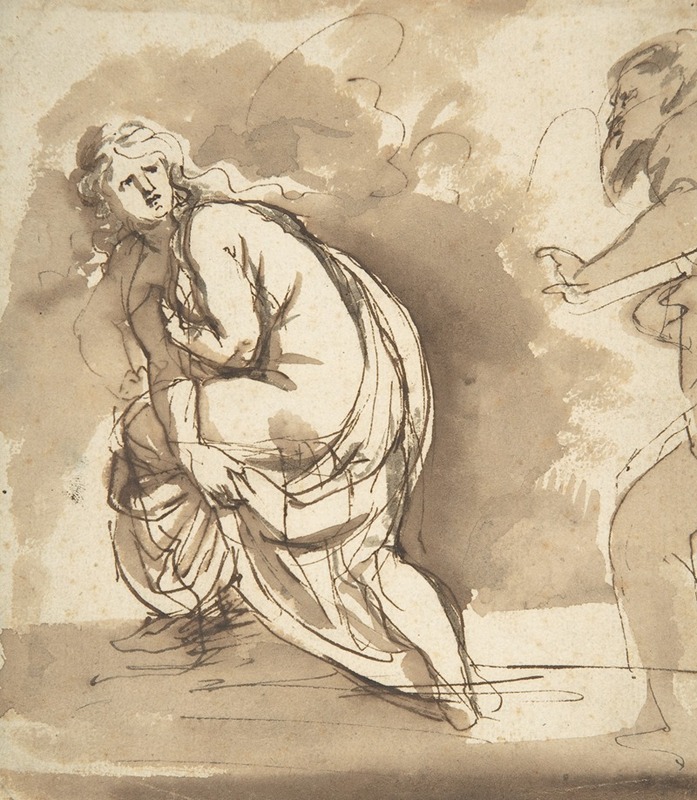
In Two Satyrs, and the Head of a Satyr, we see two satyrs depicted with playful expressions and dynamic poses. The colors are rich and vibrant, with deep greens and earthy browns dominating the scene. The figures are muscular and exaggerated, typical of Rubens' style, conveying a sense of movement and energy.
The background is likely a natural setting, enhancing the mythological theme of the work. This painting is executed in oil on canvas, a medium that allows for the rich textures and colors Rubens is known for. The dimensions are approximately 100 x 80 cm, making it a substantial piece that draws viewers in. The brushwork is loose yet deliberate, showcasing Rubens' skill in creating lifelike figures.
The composition is balanced, with the satyrs arranged in a way that guides the viewer's eye through the painting. Peter Paul Rubens was a prominent Baroque artist known for his dynamic compositions and vivid colors. This work, created around 1615, reflects his interest in classical mythology and the human form. An interesting fact about this painting is that it showcases Rubens' ability to blend sensuality with humor, a characteristic feature of his mythological works.
The satyrs, often associated with revelry and nature, embody the playful spirit of the Baroque era.
More Artworks by Peter Paul Rubens
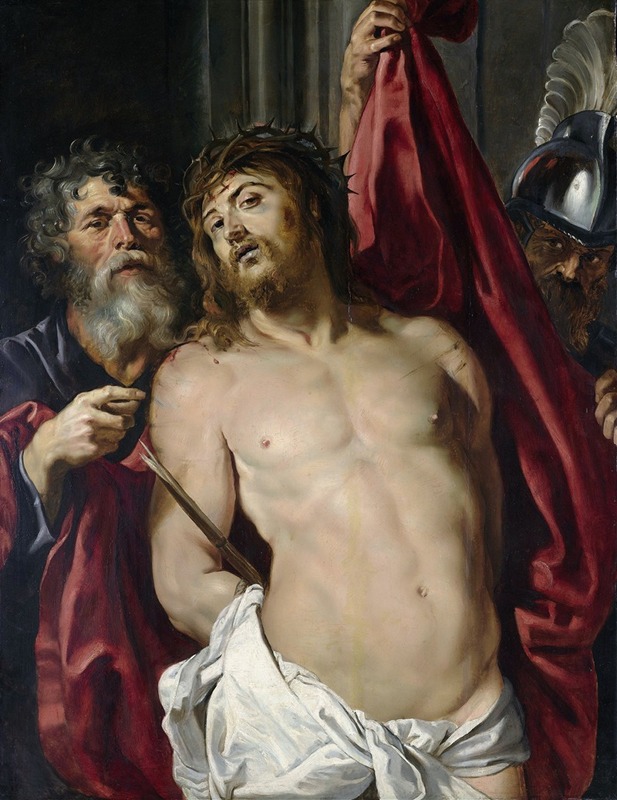
Ecce homo
Peter Paul Rubens
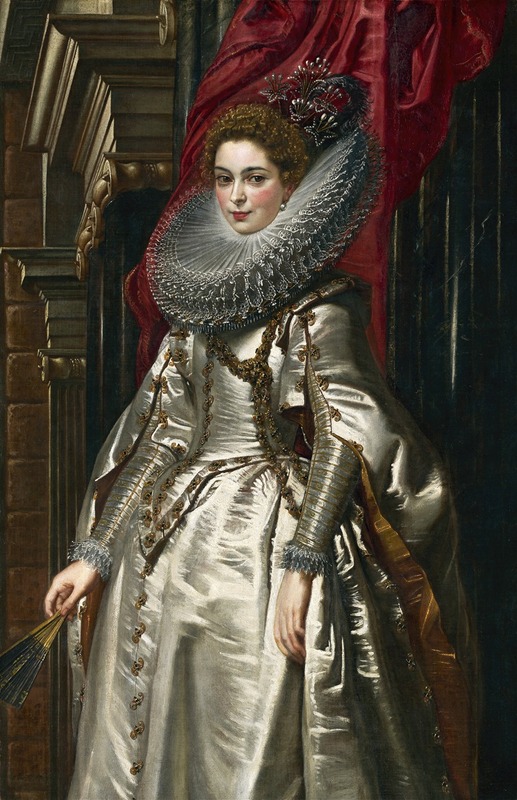
Marchesa Brigida Spinola Doria
Peter Paul Rubens
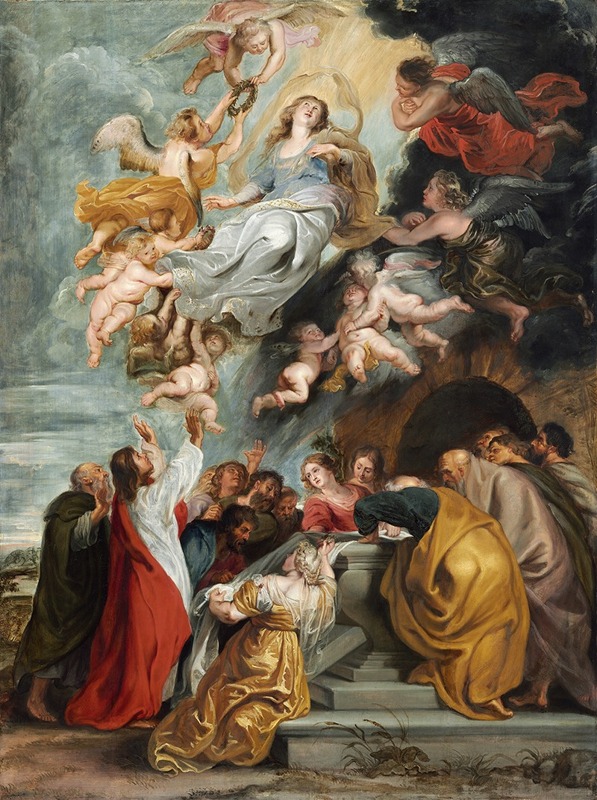
The Assumption of the Virgin
Peter Paul Rubens

Saint Teresa of Ávila Interceding for Souls in Purgatory
Peter Paul Rubens
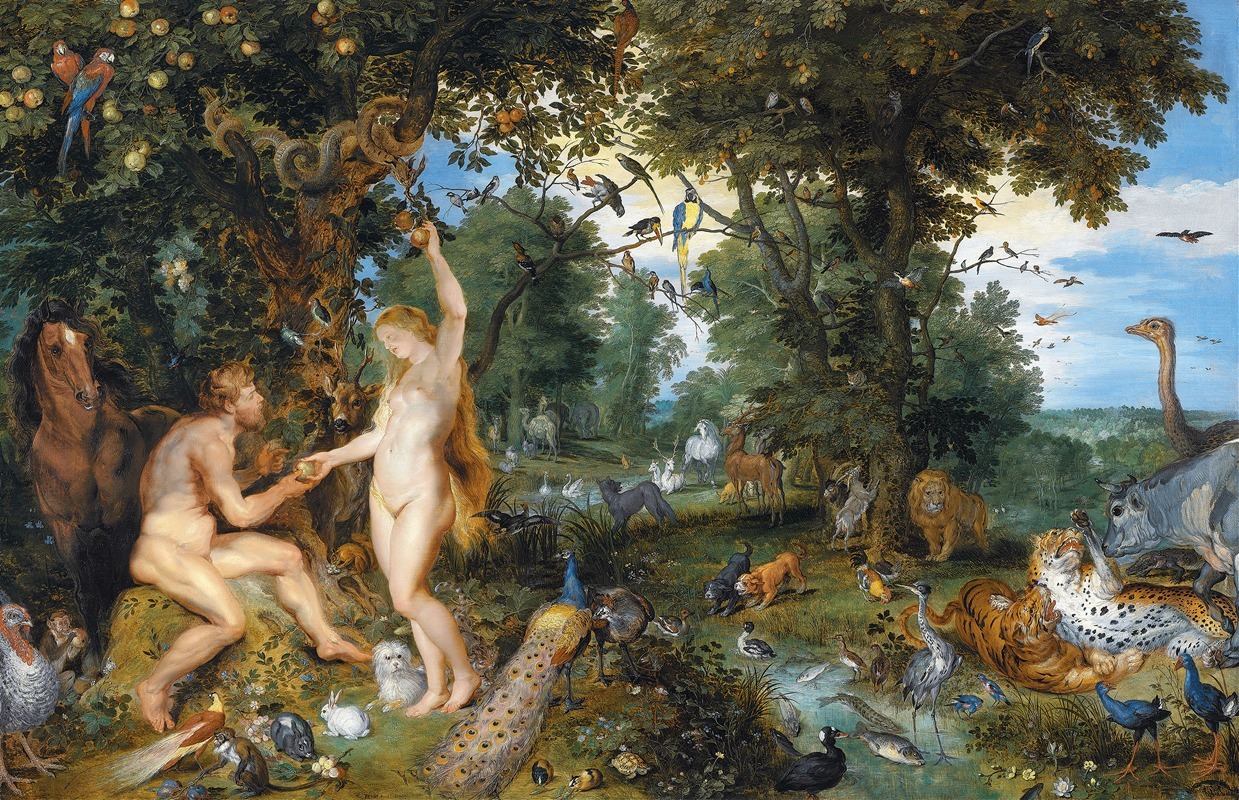
The Garden of Eden with the Fall of Man
Peter Paul Rubens
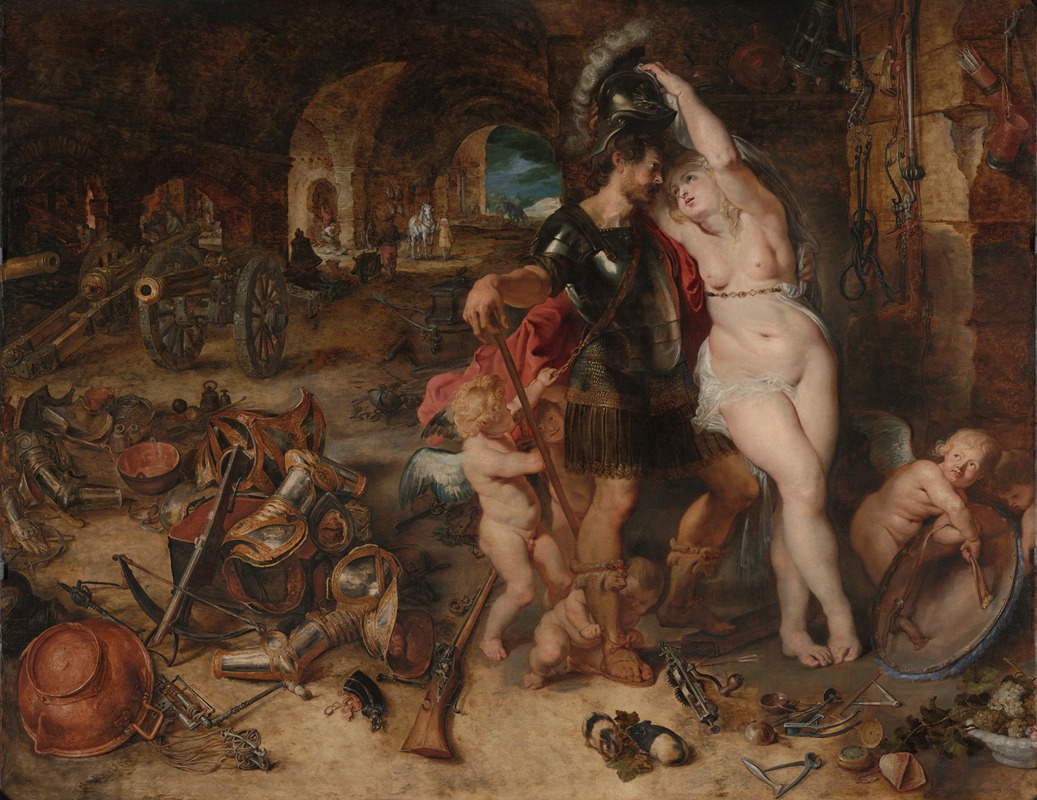
The Return From War,Mars Disarmed By Venus
Peter Paul Rubens
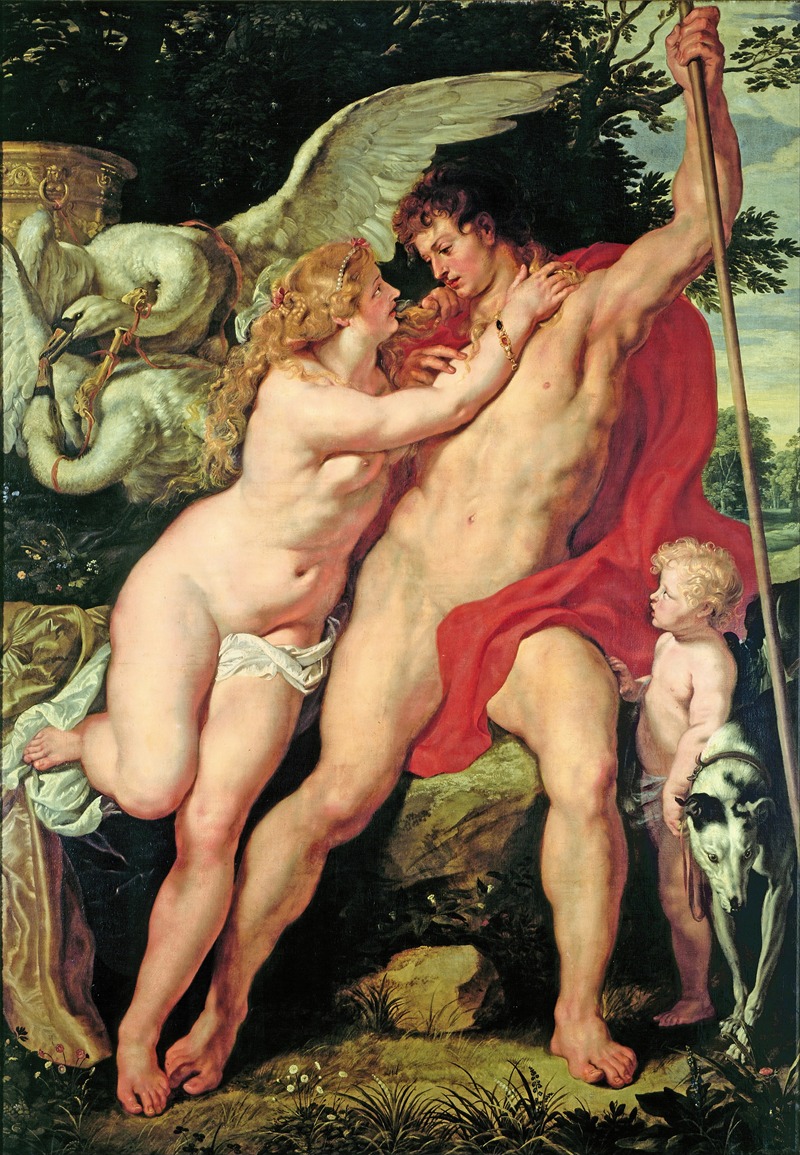
Venus and Adonis
Peter Paul Rubens
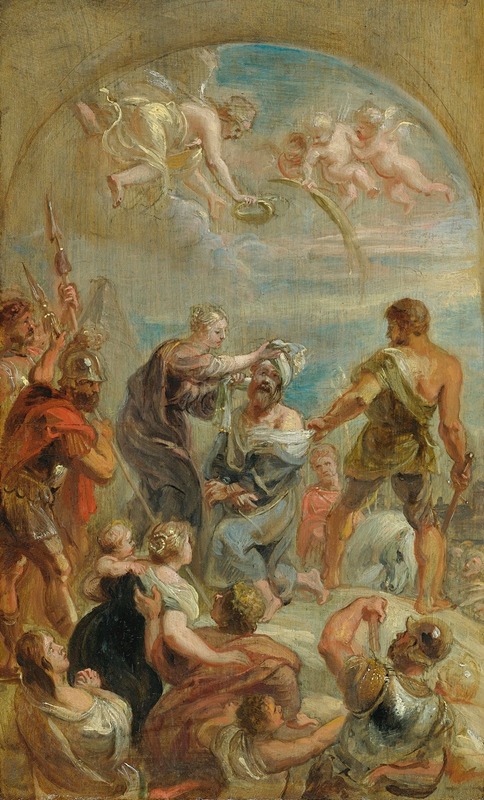
The Martyrdom Of Saint Paul
Peter Paul Rubens
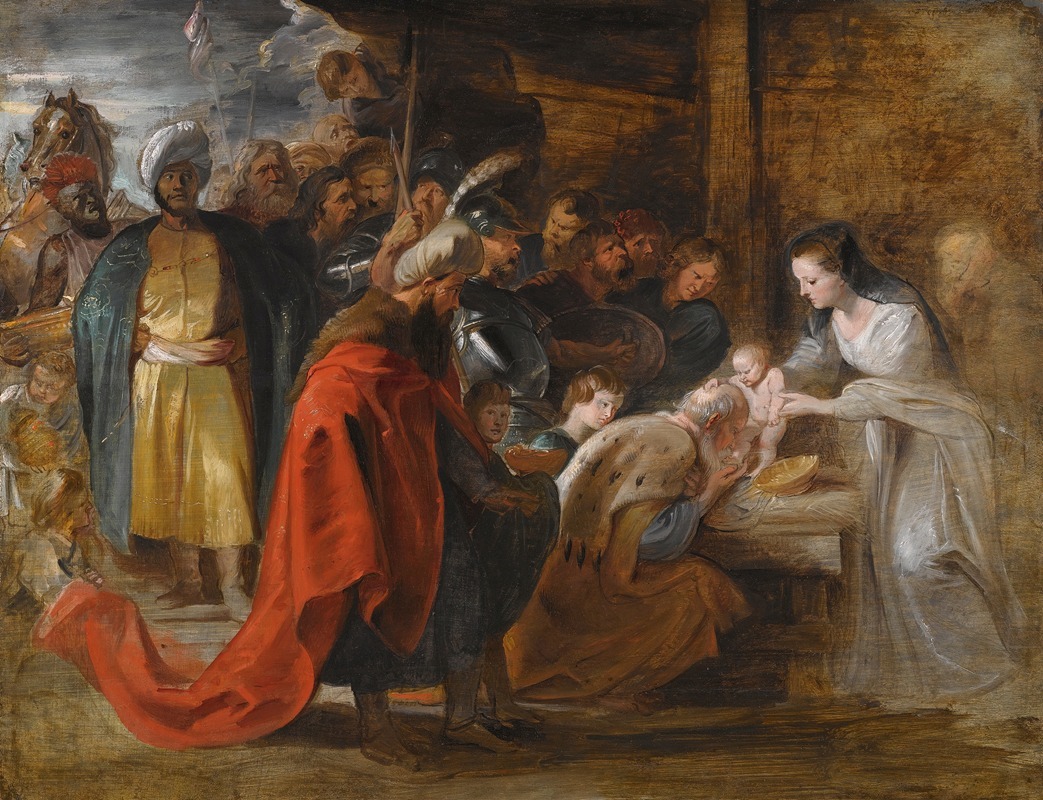
The Adoration Of The Magi
Peter Paul Rubens
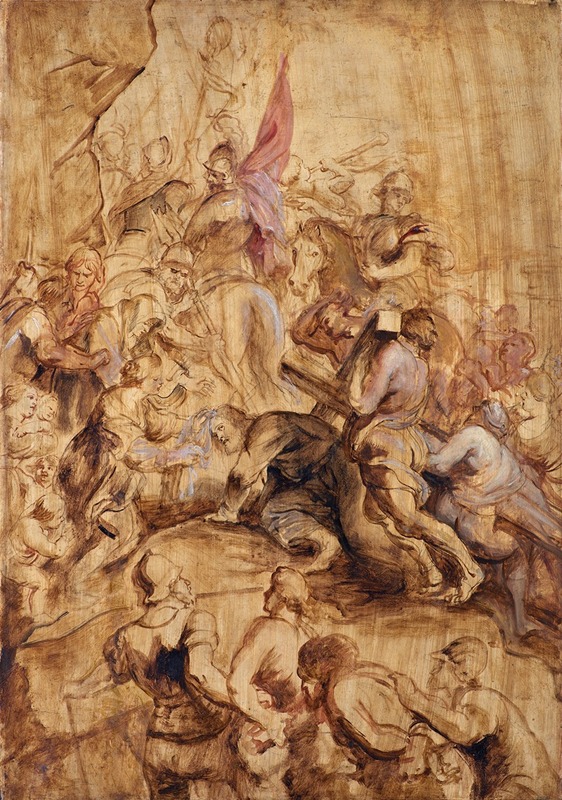
The Ascent to Calvary. The Bearing of the Cross
Peter Paul Rubens