
Two Thatched Cottages (Les deux chaumières) — History & Facts
In an era defined by rapid change, some artistic creations become vessels of nostalgia, capturing the essence of simpler times. Two Thatched Cottages evokes a world where the serenity of rural life stands in stark contrast to the encroaching modernity. Look to the foreground where two humble cottages nestle among a patchwork of vibrant greens and earth tones. The thatched roofs, delicately rendered, invite the eye to linger.
Notice how the dappled sunlight filters through the branches of nearby trees, casting gentle shadows that dance across the cottages’ rustic facades. Seguin’s use of color and light creates a harmonious atmosphere, where the vibrancy of nature and the tranquility of home intertwine seamlessly. Yet, within this idyllic scene lies a palpable tension between permanence and transience. The cottages, symbols of stability, stand firm against the whims of time, while the soft brushstrokes hint at the fleeting nature of moments captured on canvas.
The subtle interplay of light and shadow further suggests an acknowledgment of change, revealing both the beauty and fragility of rural existence. This duality compels the viewer to reflect on what is lost as the world evolves. Painted between 1893 and 1894, during a period of personal exploration for the artist, this piece illustrates Seguin's commitment to the post-Impressionist movement. Living in France amidst the rise of modern art, he sought to capture the essence of rural life, a subject both comforting and increasingly threatened by industrialization.
In this work, he preserved a moment in time, a peaceful cottage amid the swirling tides of change.
More Artworks by Armand Seguin
Browse all →
Femmes et vaches dans les champs en Bretagne
Armand Seguin
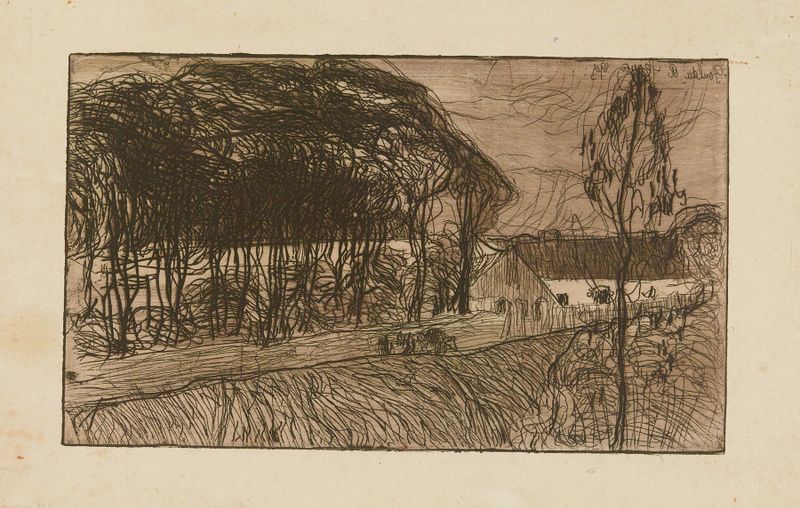
La Route du Pouldu
Armand Seguin

Pêcheurs de goémons
Armand Seguin
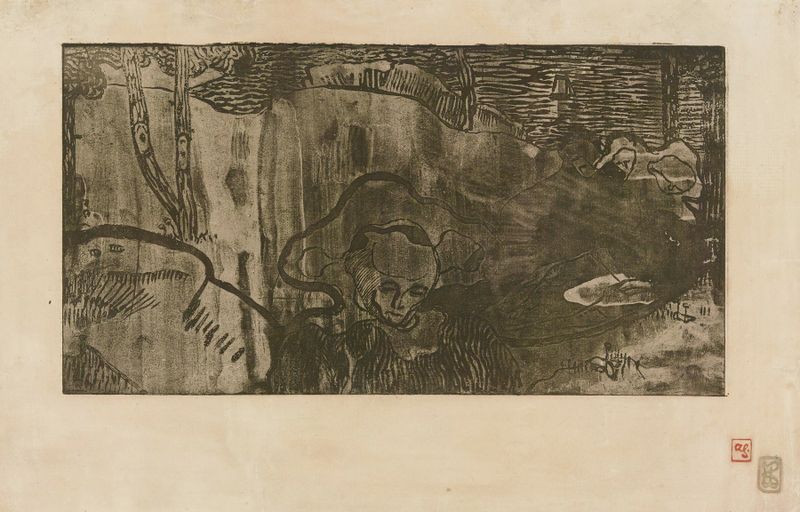
Décoration de Bretagne – Bretonnes au bord de la mer
Armand Seguin
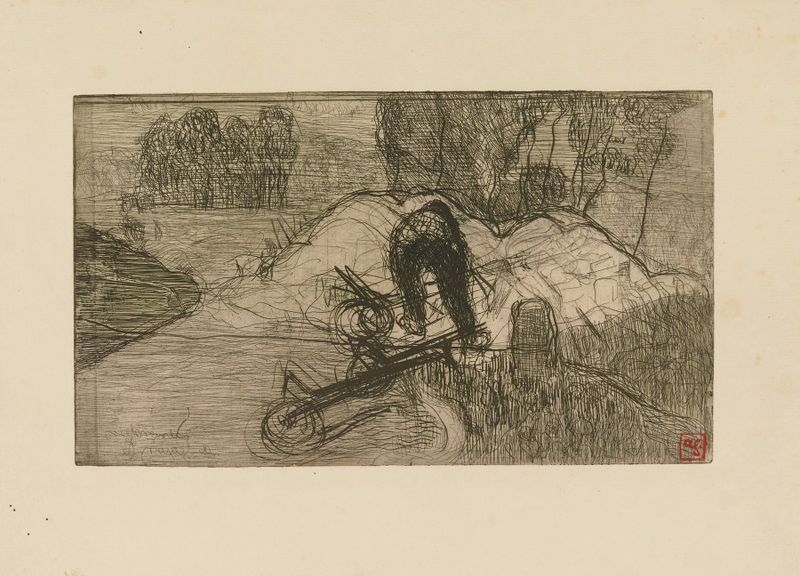
Le débardeur
Armand Seguin
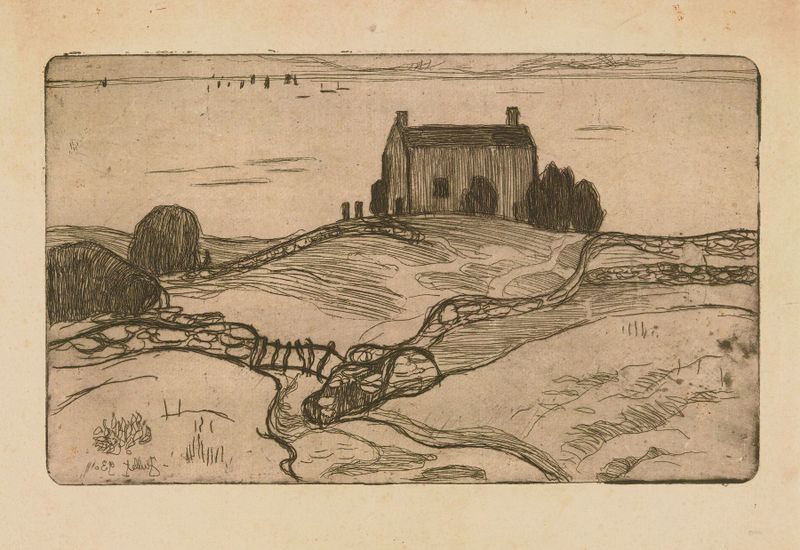
La maison du pendu
Armand Seguin
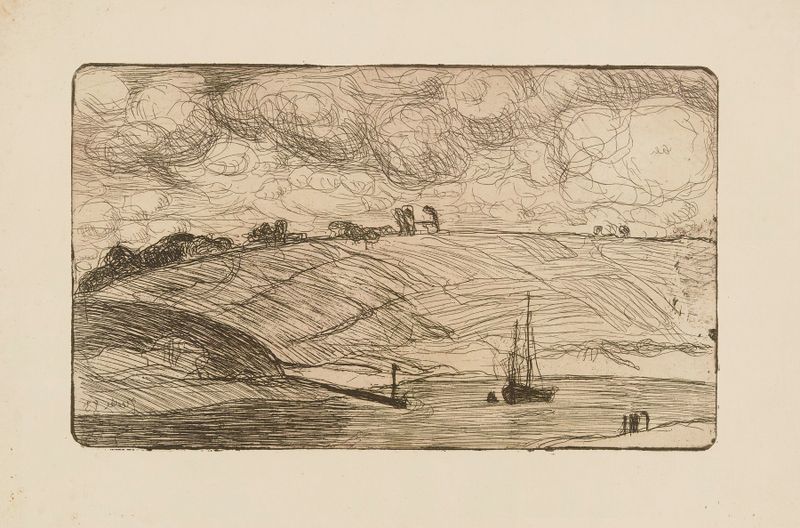
L’entrée de la rivière
Armand Seguin
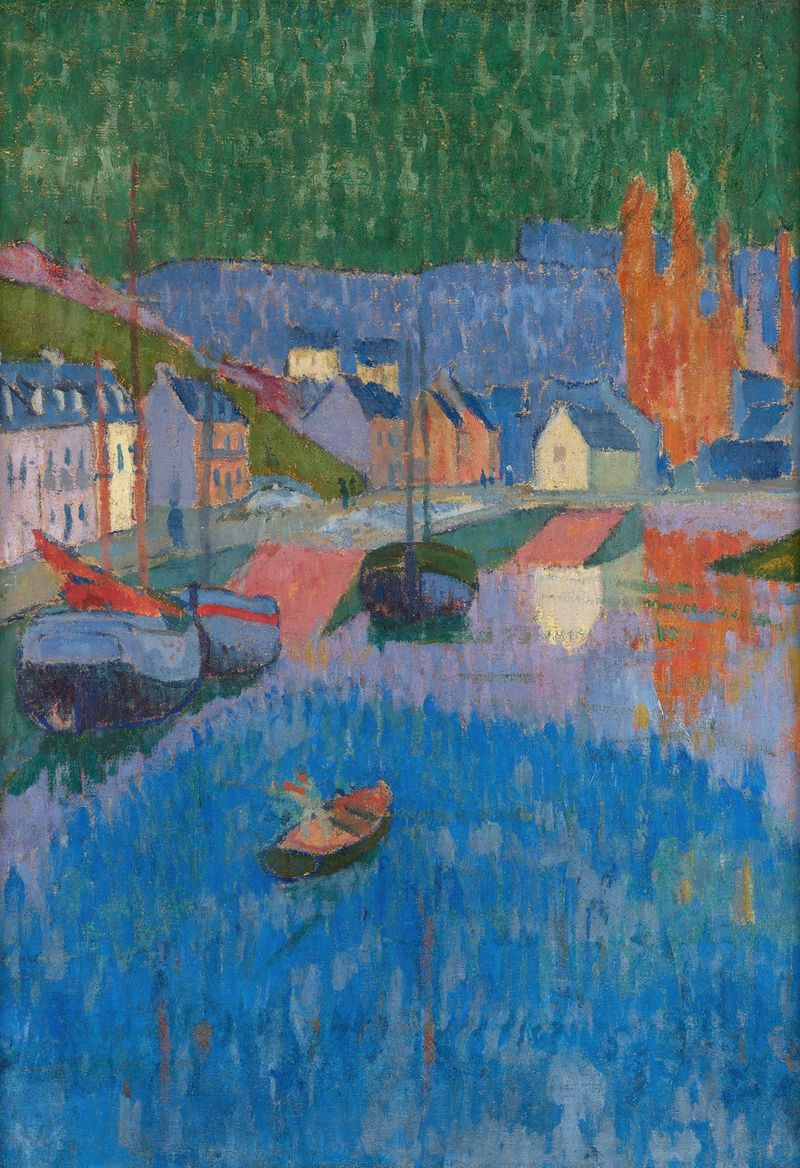
Seaport
Armand Seguin
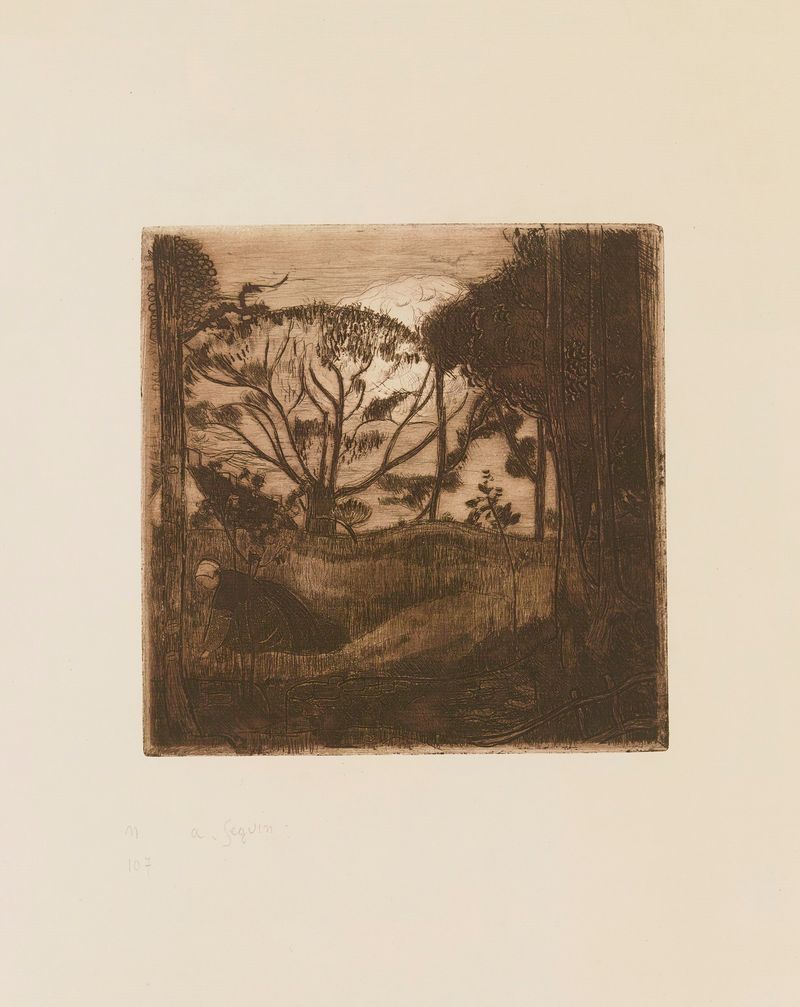
Le soir ou La glaneuse
Armand Seguin
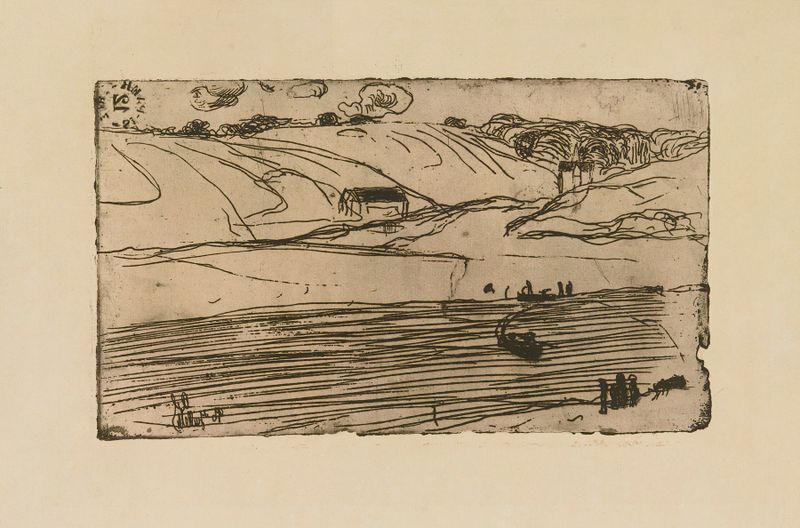
La pêche
Armand Seguin





