
Two Women at the Table — History & Facts
In Two Women at the Table, Edvard Munch presents two women seated at a table, engaged in a quiet conversation. The colors are muted, with deep reds and soft blues dominating the scene, creating a sense of intimacy. The figures are depicted with elongated forms, characteristic of Munch's style, and their expressions are contemplative.
The setting appears simple, focusing the viewer's attention on the interaction between the two women. The painting is executed in oil on canvas, a medium that allows for rich textures and depth. Munch's brushwork is expressive, with visible strokes that add to the emotional weight of the piece. The dimensions are approximately 80 x 100 cm, making it a sizable work that invites close inspection.
The composition emphasizes the connection between the figures, drawing the viewer into their private moment. Edvard Munch was a Norwegian painter known for his exploration of psychological themes and human emotion. Two Women at the Table reflects his interest in the complexities of relationships, particularly between women. An interesting fact about this work is that it was created during a period when Munch was deeply influenced by Symbolism, which sought to express the inner experiences of individuals.
This painting exemplifies his ability to convey emotional depth through simple yet powerful imagery.
More Artworks by Edvard Munch

The Scream
Edvard Munch

The Scream (1910 version)
Edvard Munch

Despair
Edvard Munch

The Day After
Edvard Munch
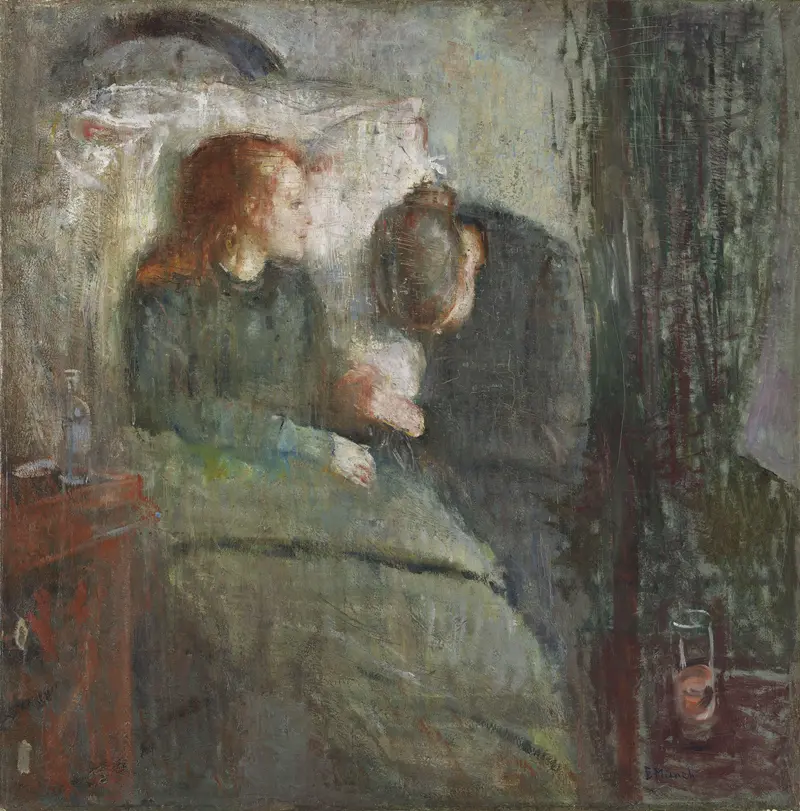
The Sick Child
Edvard Munch
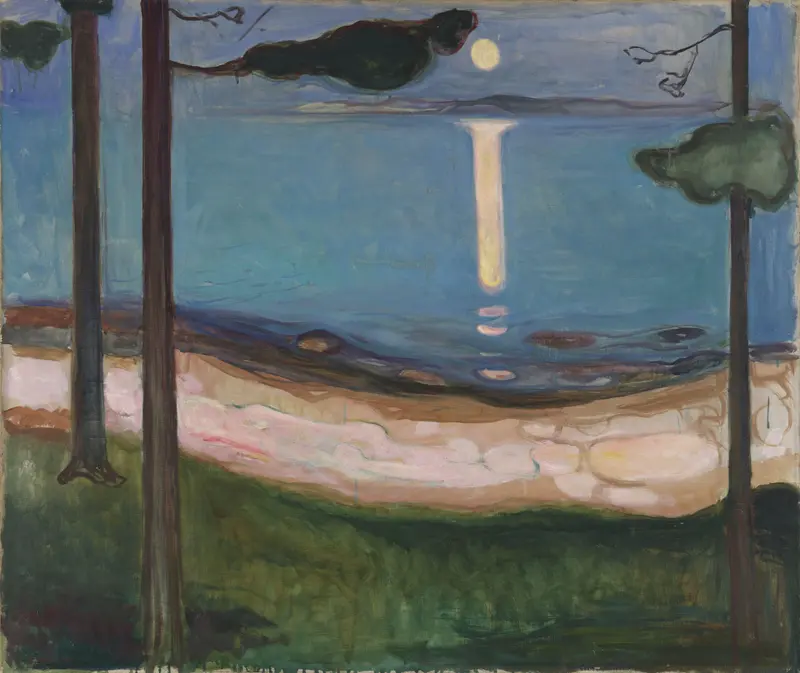
Moonlight
Edvard Munch
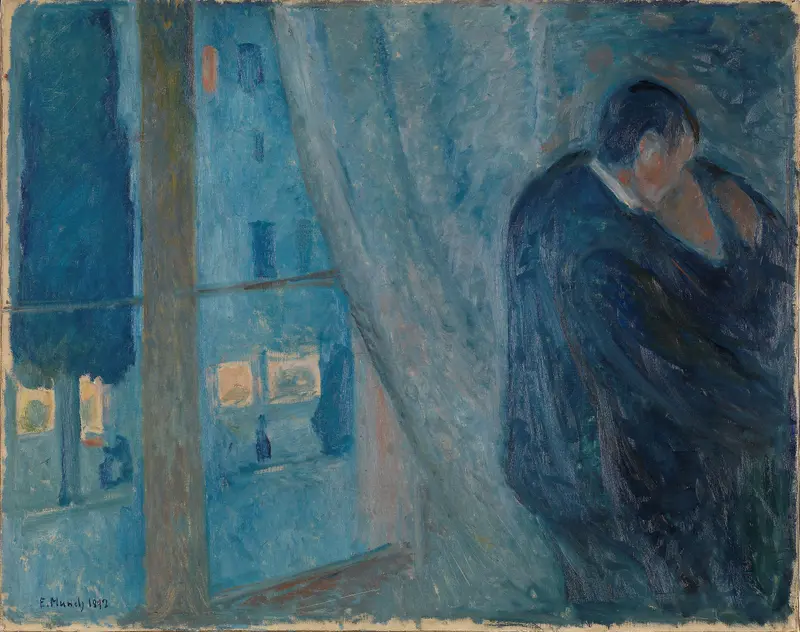
The Kiss
Edvard Munch
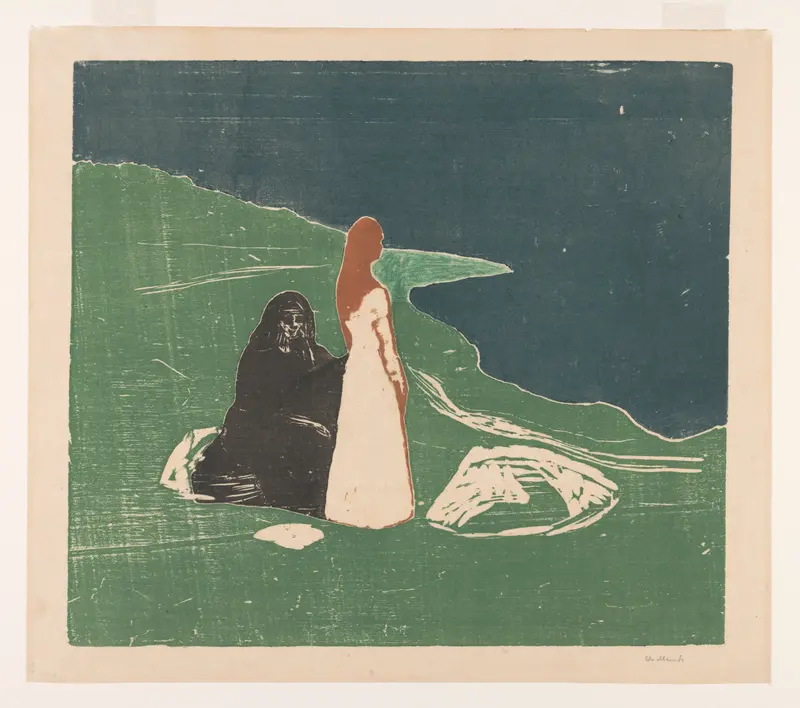
Two Women on the Shore
Edvard Munch
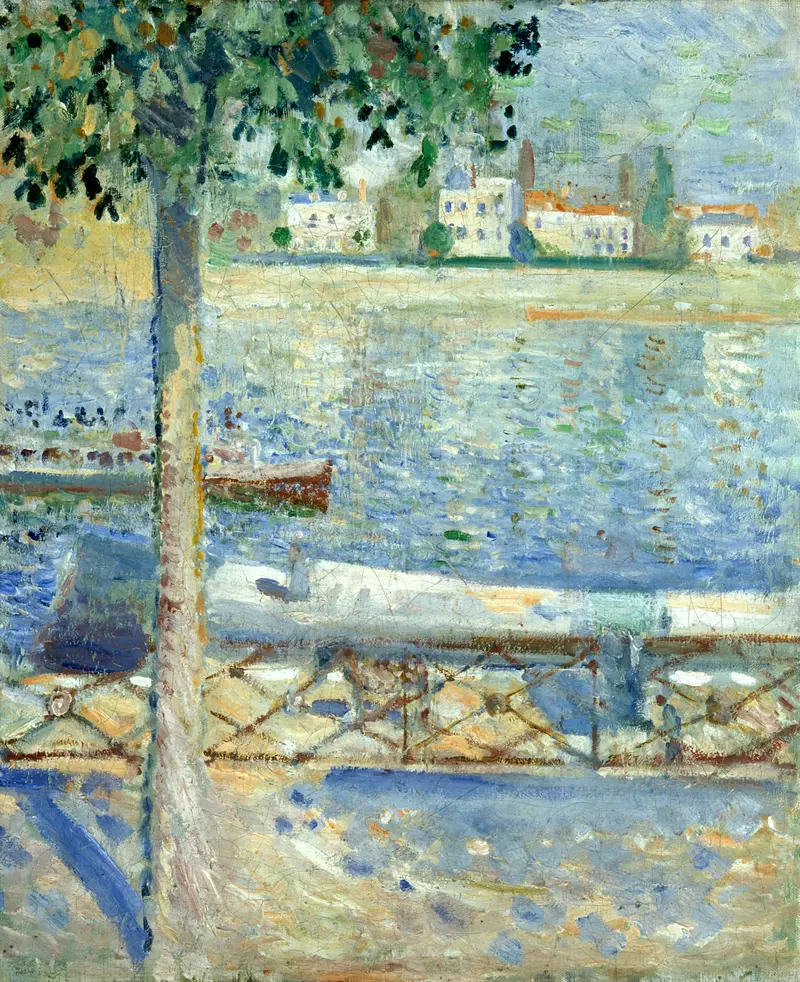
The Seine At Saint-Cloud
Edvard Munch
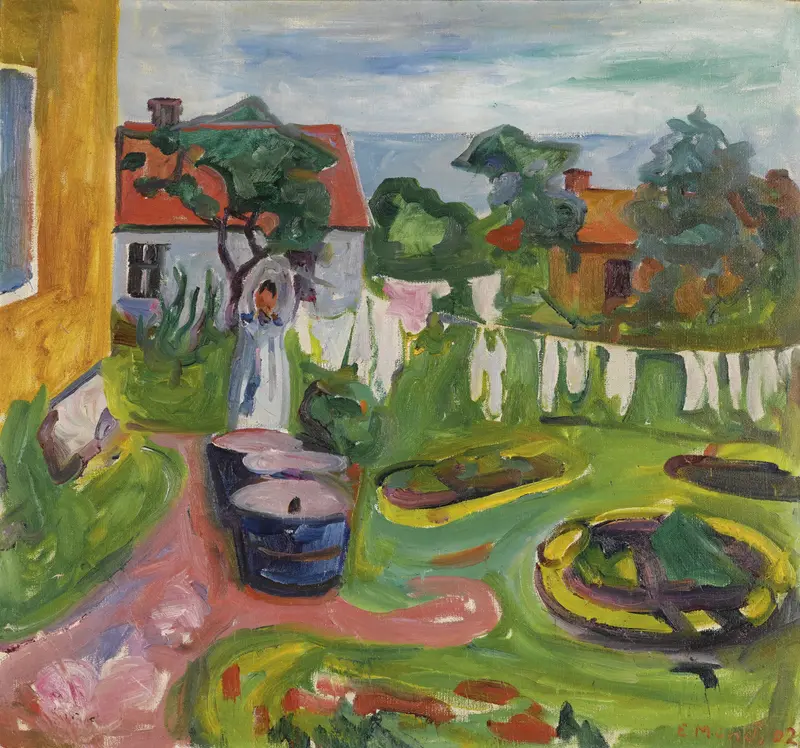
Klestørk I Åsgårdstrand (Clothes On A Line In Åsgårdstrand)
Edvard Munch
More Genre Scene Art

Banquet of the Officers of the St George Civic Guard
Frans Hals

Rembrandt and Saskia in the Scene of the Prodigal Son
Rembrandt van Rijn

Bal du moulin de la Galette
Pierre-Auguste Renoir

Quadrille at the Moulin Rouge
Henri de Toulouse-Lautrec

A Burial at Ornans
Gustave Courbet

When Will You Marry?
Paul Gauguin