
Tynnelsö — History & Facts
When did color learn to lie? In Tynnelsö, the viewer is drawn into a world where shadows play tricks on the eye, teasing the boundary between reality and illusion. The hues communicate with a whisper, beckoning us to explore the deeper truths that lie beneath the surface. Focus first on the tranquil water in the foreground, where soft blues and greens merge into a shimmering reflection of the sky. Notice how the interplay of light dances across the surface, creating a mosaic of shades that shifts with every glance.
The artist’s masterful brushwork captures the essence of nature, with the subtle yet deliberate strokes evoking a sense of calm that is both inviting and unnerving. As you absorb the serene landscape, consider the contrast between the warmth of the sunlit trees and the cool shadows that stretch toward the viewer. This juxtaposition evokes a sense of duality—the light symbolizes clarity and truth, while the shadows hint at hidden depths and undulating mysteries. The delicate balance between these elements invites contemplation, urging us to confront our own perceptions and the façades we create. Ferdinand Boberg painted Tynnelsö during a transformative period in the early 20th century, specifically between 1915 and 1924.
Living in Sweden, he was influenced by the burgeoning modernist movement, which sought to redefine artistic expression. This era was marked by a shift towards abstraction and a deeper exploration of color and form, reflecting both personal introspection and the social upheavals of the time. Boberg’s work embodies this exploration, inviting viewers into a landscape rich with emotional resonance.
More Artworks by Ferdinand Boberg
Browse all →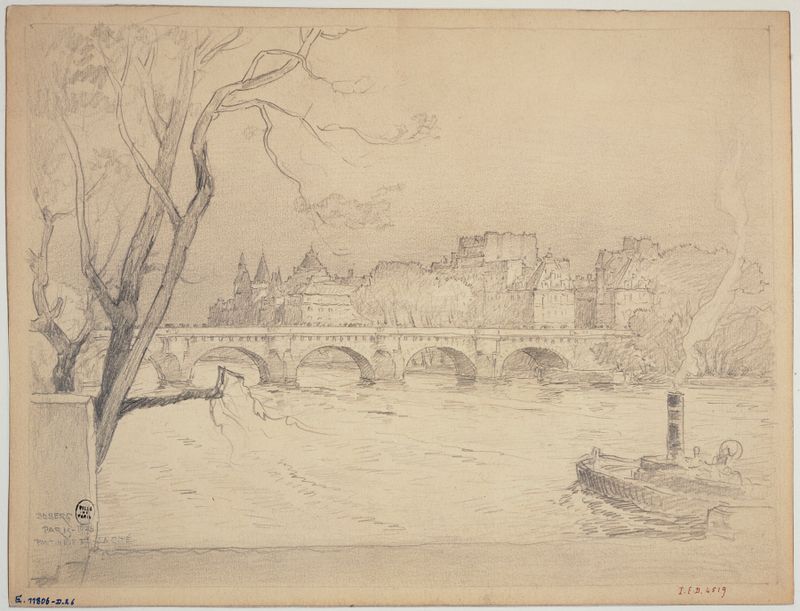
Le Pont-Neuf et la Cité
Ferdinand Boberg
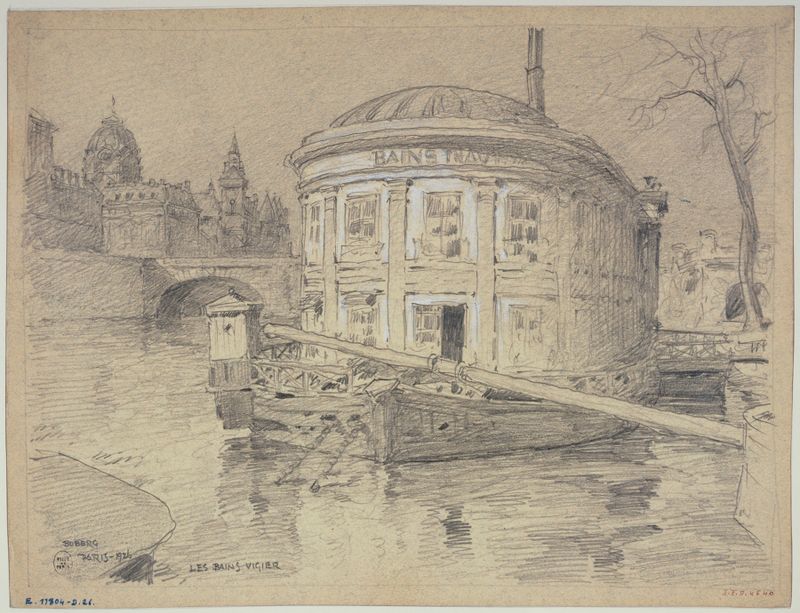
Les bains Vigier au Pont-Neuf
Ferdinand Boberg
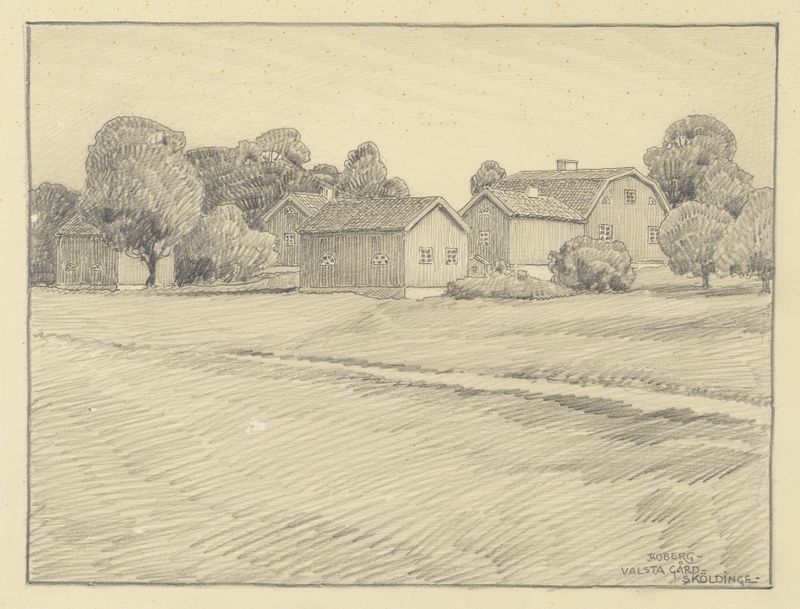
Valsta Gård
Ferdinand Boberg
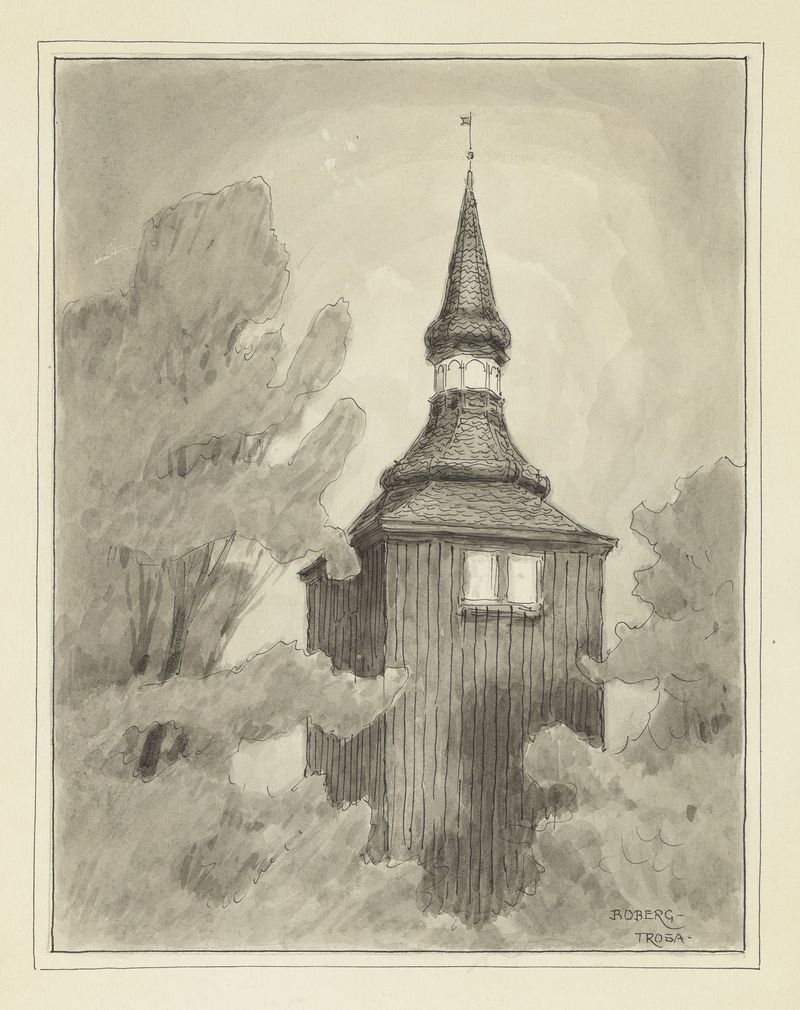
Trosa
Ferdinand Boberg
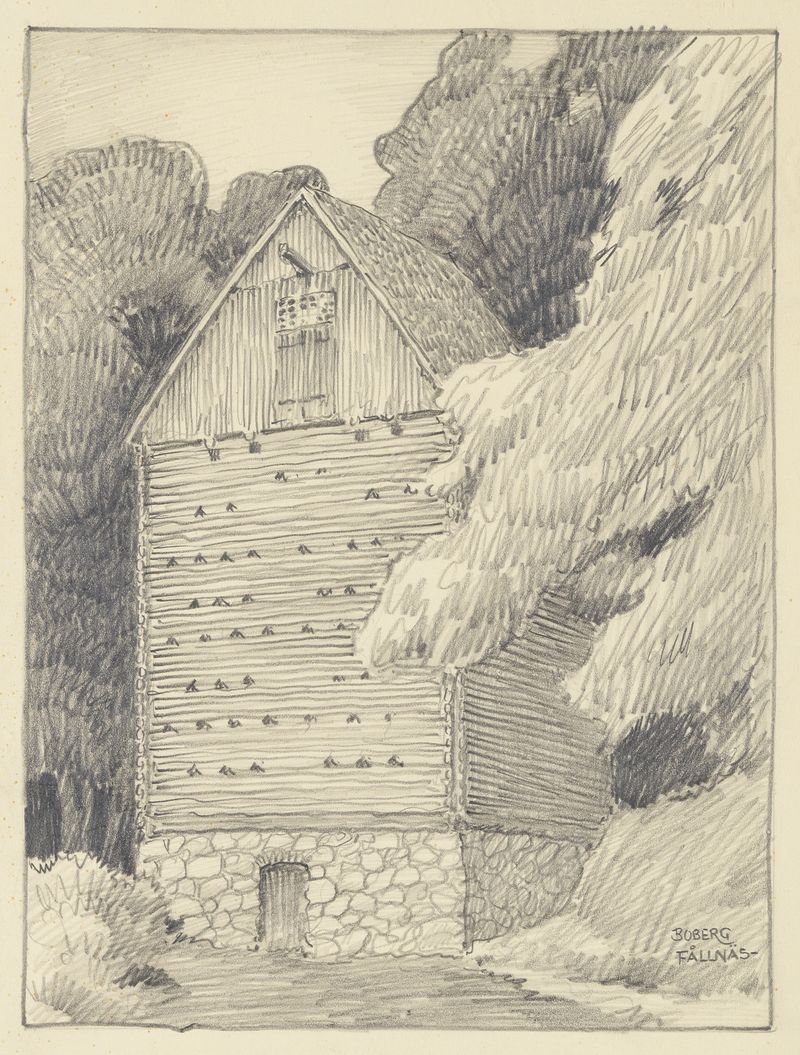
Fållnäs
Ferdinand Boberg
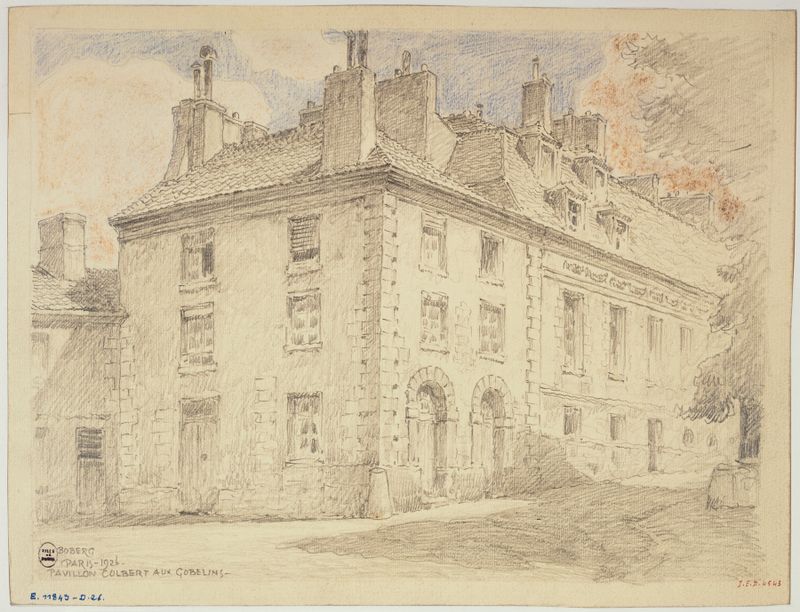
Le pavillon Colbert aux Gobelins
Ferdinand Boberg
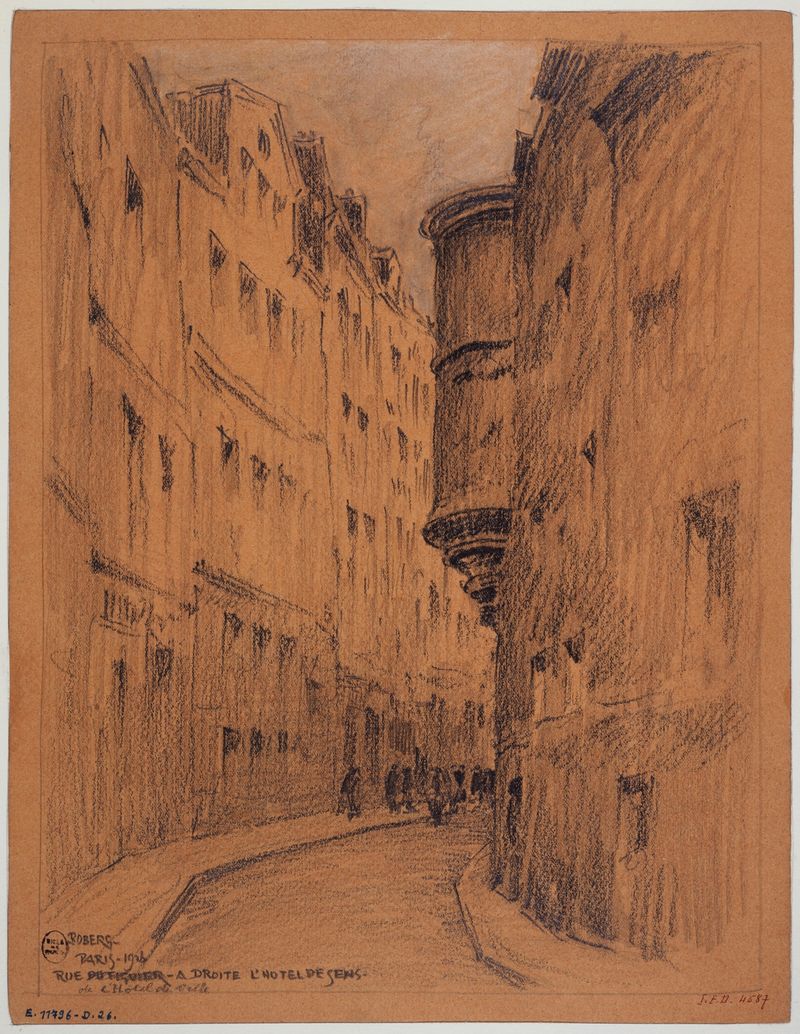
Rue de l’Hôtel de Ville; l’hôtel de Sens
Ferdinand Boberg
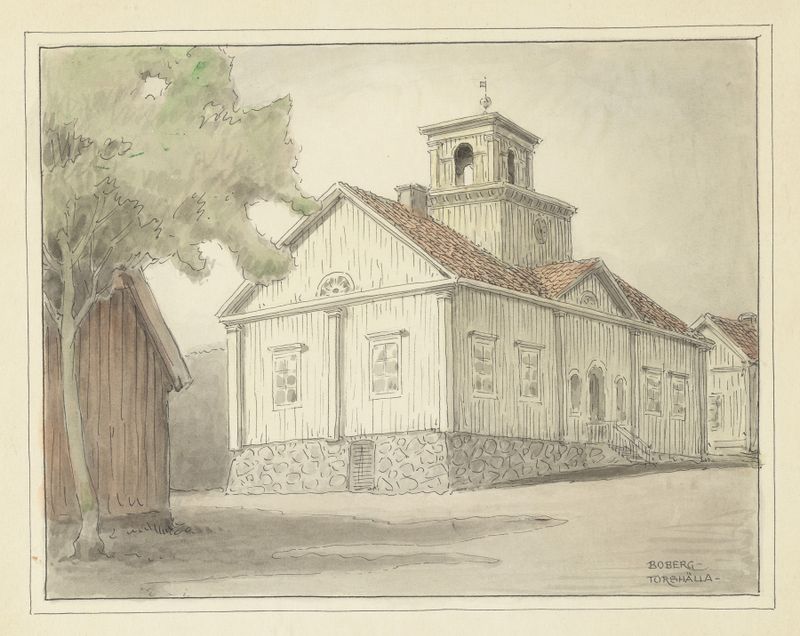
Torshälla
Ferdinand Boberg
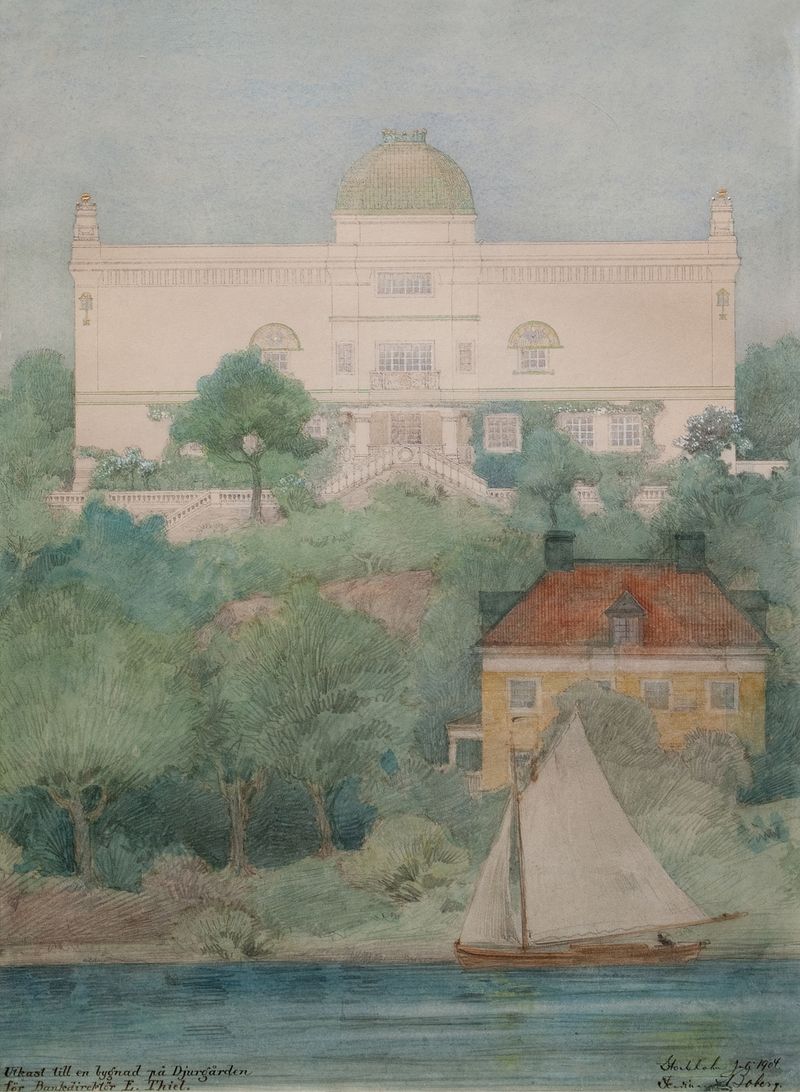
Sketch for a building for Thiel’s Gallery
Ferdinand Boberg
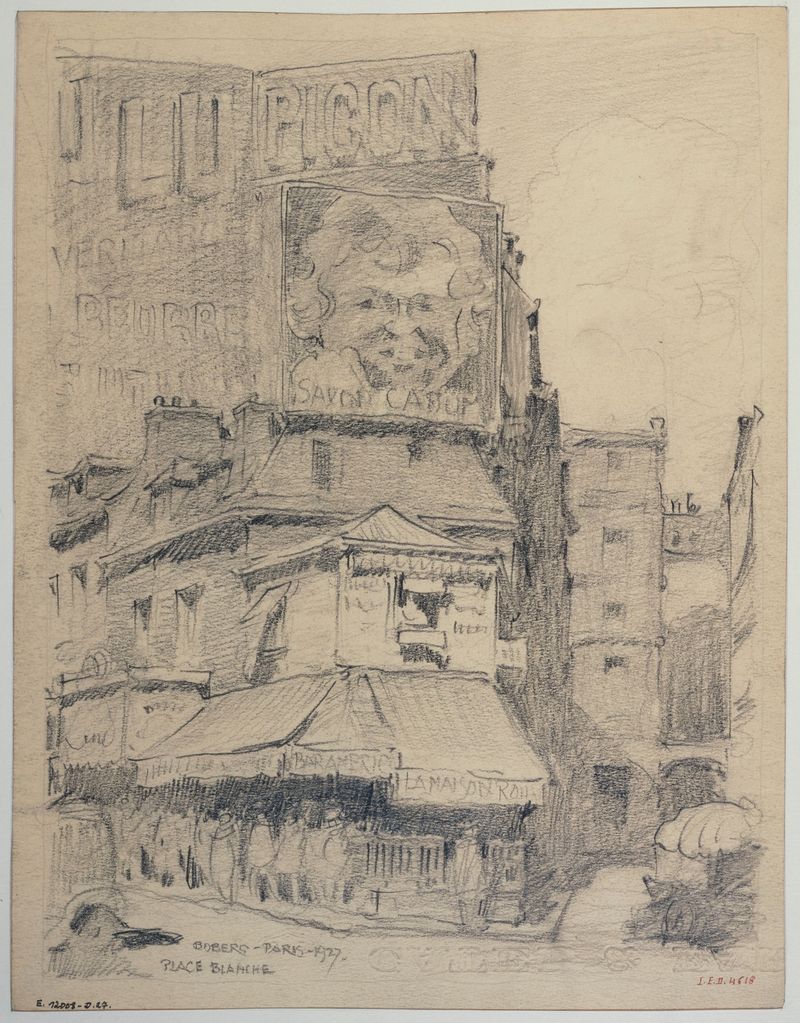
La place Blanche
Ferdinand Boberg





