Udaipur — History & Facts
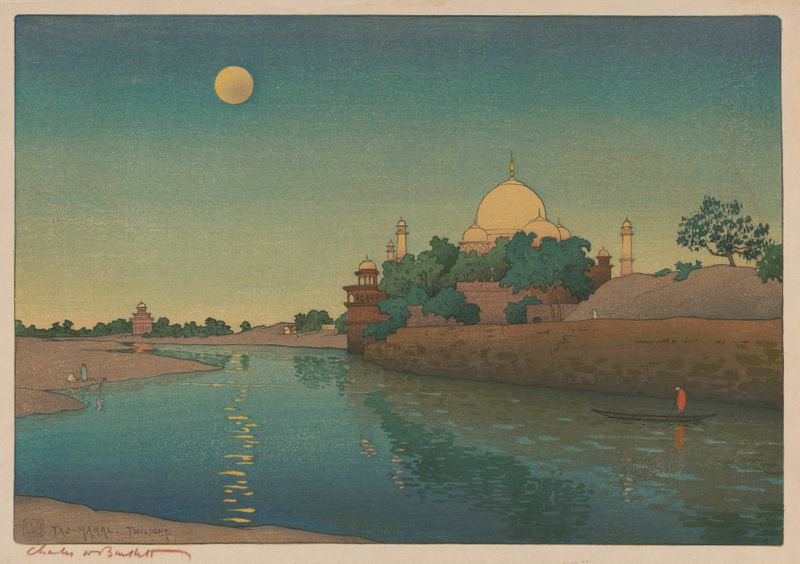
What if silence could speak through light? In the delicate interplay of hues and shadows, a hidden narrative unfolds, whispering stories of a vibrant land. Look closely at the intricate patterns that dance across the canvas. Notice how the light spills gently over the serene waters of Udaipur, illuminating the majestic architecture that stands like a guardian of history. The artist employs a palette rich with warm ochres and cool blues, contrasting the vibrant life of the city against an ever-peaceful sky.
As your eyes wander, you can almost feel the gentle ripples of the lake, inviting you to explore the depth of this enchanting scene. As you immerse yourself further, consider the juxtaposition of tranquility and revolution. The stillness captured in the painting belies the tumultuous changes occurring in India during this period. Each brushstroke speaks to the resilience of culture amid the encroaching modernity and political upheaval.
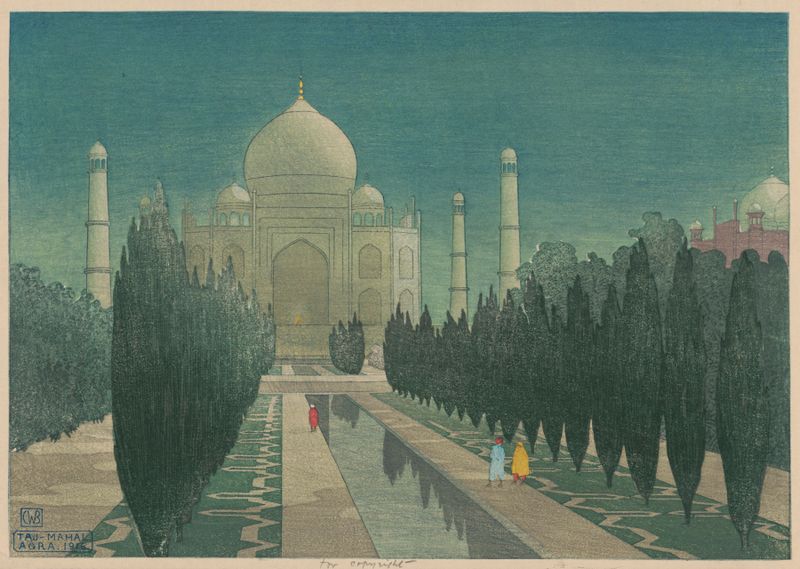
Small details—the lush greenery framing the city, the serene reflections on the water—echo a longing for continuity and harmony amidst chaos. In 1916, while residing in Japan, Bartlett created this artwork during a time when the world was grappling with the repercussions of the Great War. As artistic movements evolved and traditional paradigms shifted, he sought to capture the essence of a land steeped in history and beauty, reflecting the deep reverence for tradition even as change loomed on the horizon.